hdpe pipe fittings are integral components in modern infrastructure, playing a crucial role in transporting fluids and gases across diverse industries. Their increasing prevalence is driven by a unique combination of durability, cost-effectiveness, and ease of installation, making them a superior alternative to traditional piping materials like steel and concrete. The global demand for efficient and reliable piping solutions is escalating, fueling continued innovation and expansion in the hdpe pipe fittings market.
Globally, the demand for robust and sustainable infrastructure is soaring, particularly in developing nations undergoing rapid urbanization. hdpe pipe fittings address critical challenges related to water management, sanitation, and industrial processing. Organizations like the United Nations and the World Bank increasingly favor these systems for their longevity and resistance to corrosion, offering long-term cost savings and reduced environmental impact. The need for solutions capable of withstanding harsh environmental conditions and seismic activity further boosts the demand for hdpe pipe fittings.
The rise of hdpe pipe fittings coincides with a global shift towards more sustainable and efficient technologies. These fittings offer a reliable and environmentally sound solution for numerous applications, contributing significantly to public health, industrial productivity, and overall societal well-being. Their widespread adoption underlines their importance in meeting the evolving needs of a growing world population.
Introduction to hdpe pipe fittings
hdpe pipe fittings are essential elements in creating leak-proof and durable piping systems. They are designed to connect sections of high-density polyethylene (hdpe) pipes, facilitating the safe and efficient transport of various fluids and gases. The inherent properties of hdpe, combined with precise fitting designs, contribute to the overall reliability and longevity of the system. hdpe pipe fittings are commonly used in a diverse range of applications.
The selection of appropriate hdpe pipe fittings is crucial for maintaining the integrity of the entire piping infrastructure. Factors such as pressure ratings, temperature requirements, and the nature of the transported substance all influence the choice of fitting type and material. Understanding these considerations ensures optimal performance and prevents potential failures.
The Global Relevance of hdpe pipe fittings
The need for robust and reliable piping systems is a global concern, especially given the increasing strain on water resources and the growing demand for efficient infrastructure. hdpe pipe fittings are emerging as a preferred solution worldwide, driven by their ability to minimize leaks, reduce maintenance costs, and withstand harsh environmental conditions. This is particularly critical in regions with limited access to clean water or aging infrastructure.
According to a recent report by the UN, over 2 billion people worldwide lack access to safely managed drinking water services. hdpe pipe fittings can significantly contribute to solving this issue by providing a durable and leak-proof solution for water distribution networks, reducing water loss and improving public health. Furthermore, their resistance to corrosion makes them ideal for transporting corrosive substances in industrial applications, reducing environmental risks.
The World Bank has also highlighted the importance of investing in sustainable infrastructure, emphasizing the need for materials that offer long-term reliability and cost-effectiveness. hdpe pipe fittings align with these goals, offering a life cycle cost advantage over traditional materials and reducing the need for frequent replacements. Their lightweight nature also reduces transportation and installation costs, making them an attractive option for projects in remote locations.
Defining hdpe Pipe Fittings
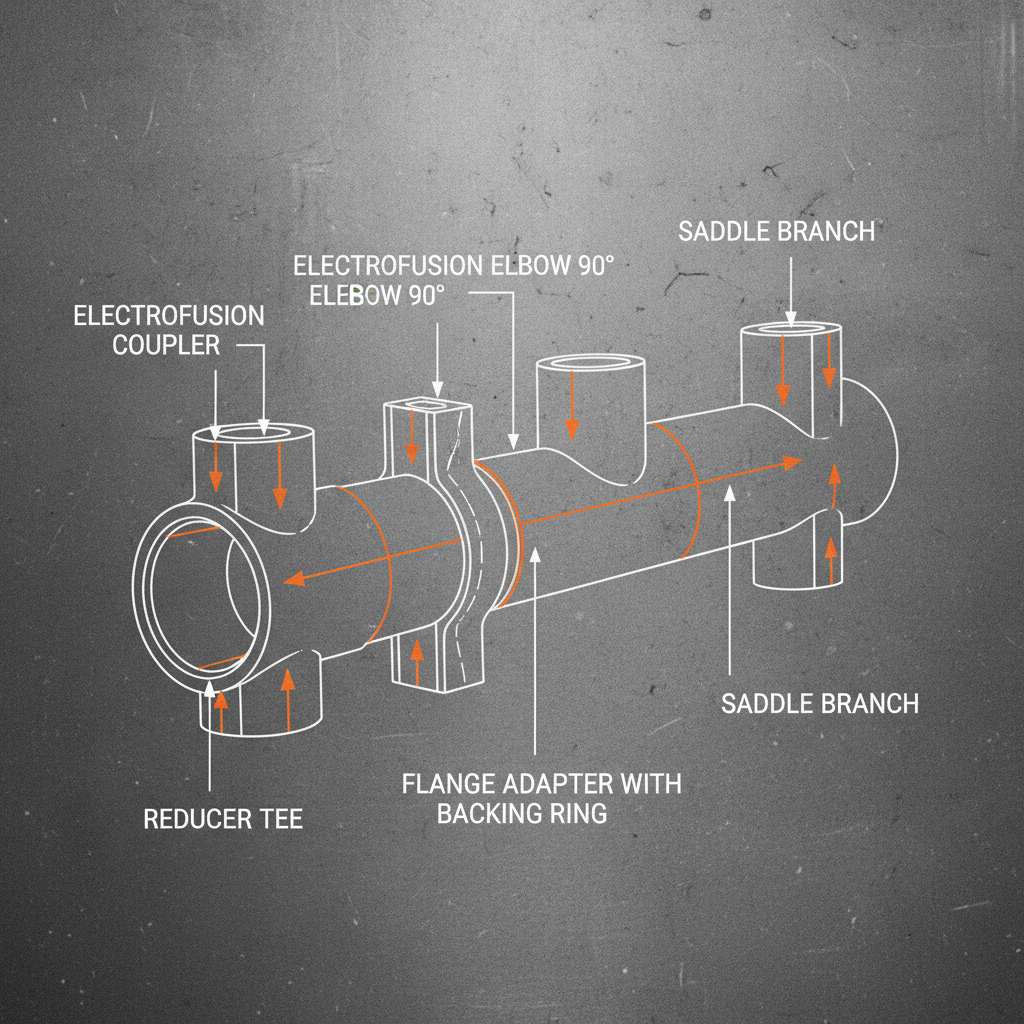
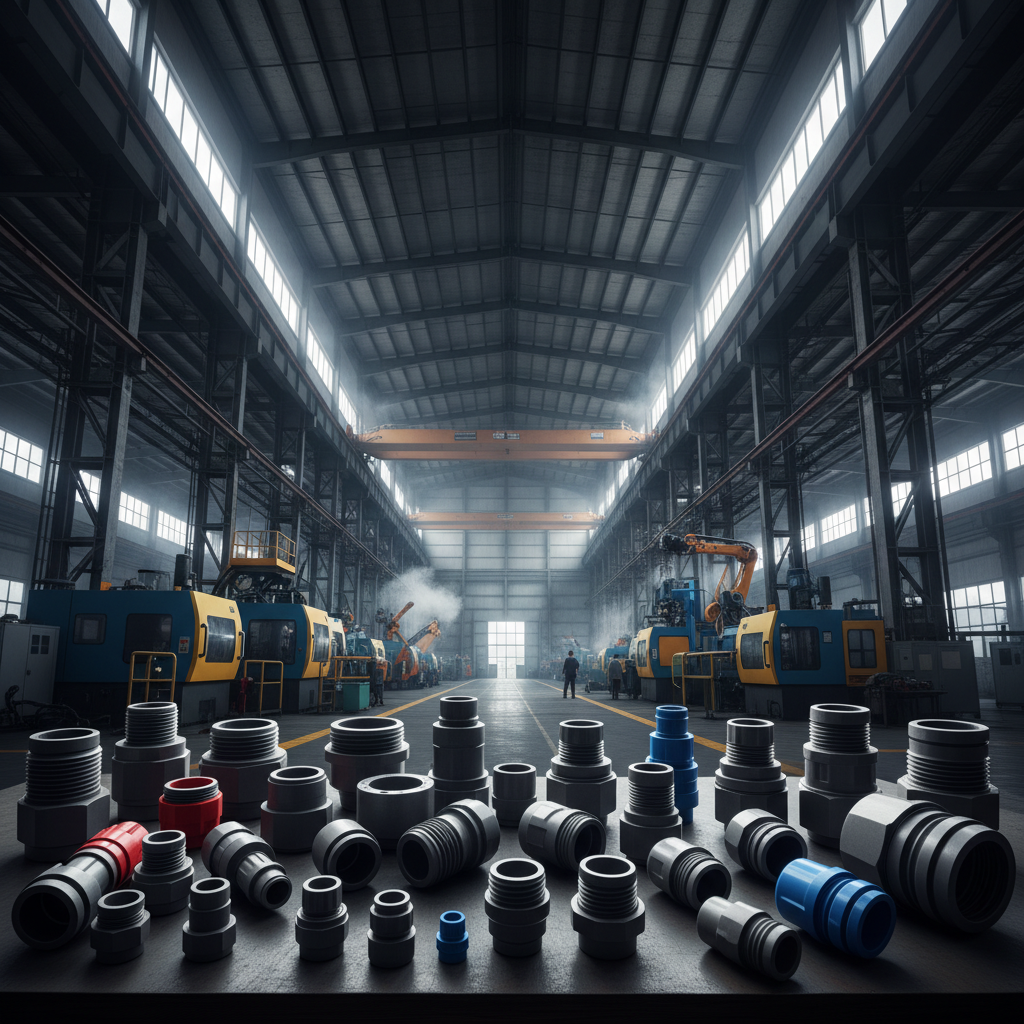
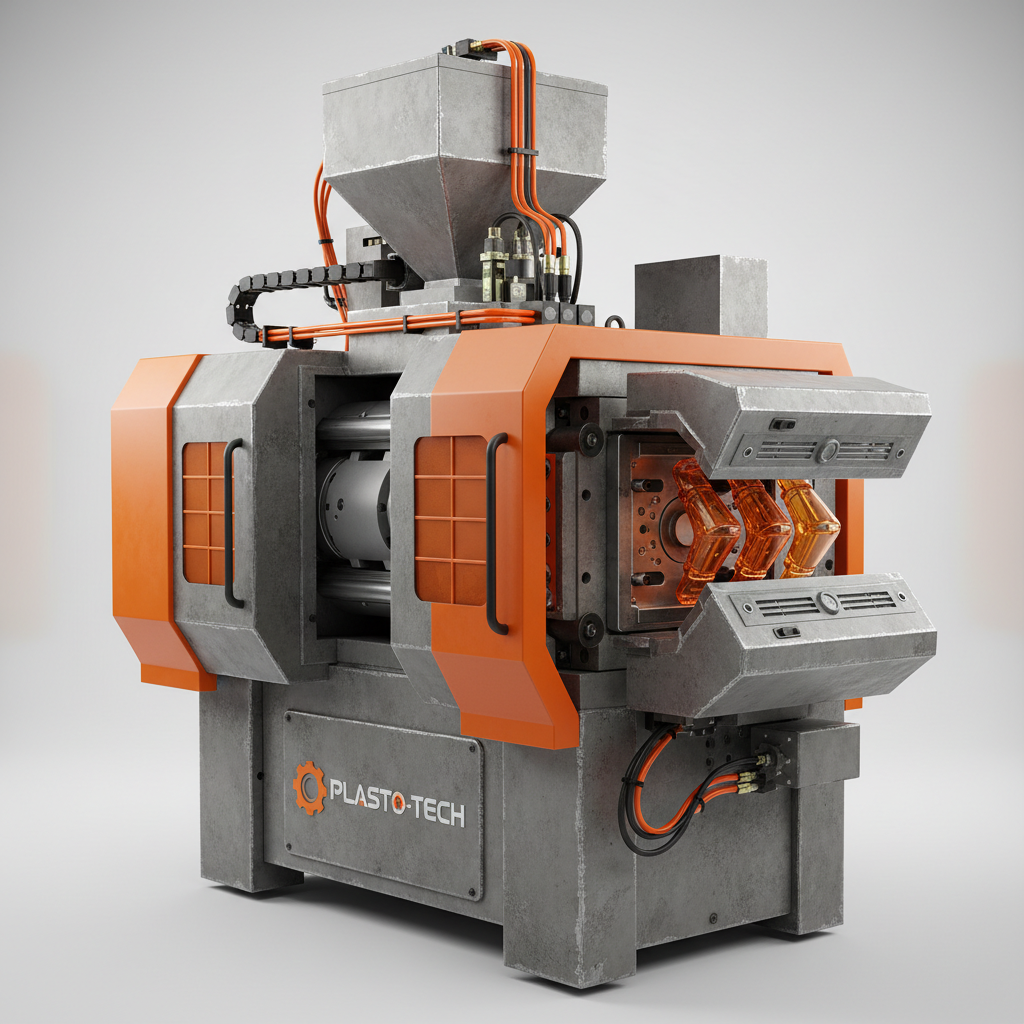
hdpe pipe fittings are components used to join sections of high-density polyethylene (hdpe) pipes, creating a sealed and robust piping system. These fittings come in various shapes and sizes, including elbows, tees, couplings, reducers, and flanges, each designed for specific connection requirements. They are manufactured using processes like injection molding or butt fusion, ensuring precise dimensions and consistent quality.
The connection between the pipe and the fitting is typically achieved through heat fusion – a process where both surfaces are heated to a specific temperature and then joined under pressure, creating a weld that is as strong as, or stronger than, the pipe itself. This fusion process eliminates the need for solvents or adhesives, resulting in a leak-proof and chemically inert joint. This is a vital component of modern infrastructure and crucial to humanitarian needs.
In essence, hdpe pipe fittings are not merely connectors; they are integral parts of a complete piping solution, designed to deliver long-term performance, reliability, and safety. They are a critical element in ensuring the efficient and sustainable transport of essential resources like water, gas, and industrial fluids.
Key Characteristics of hdpe Pipe Fittings
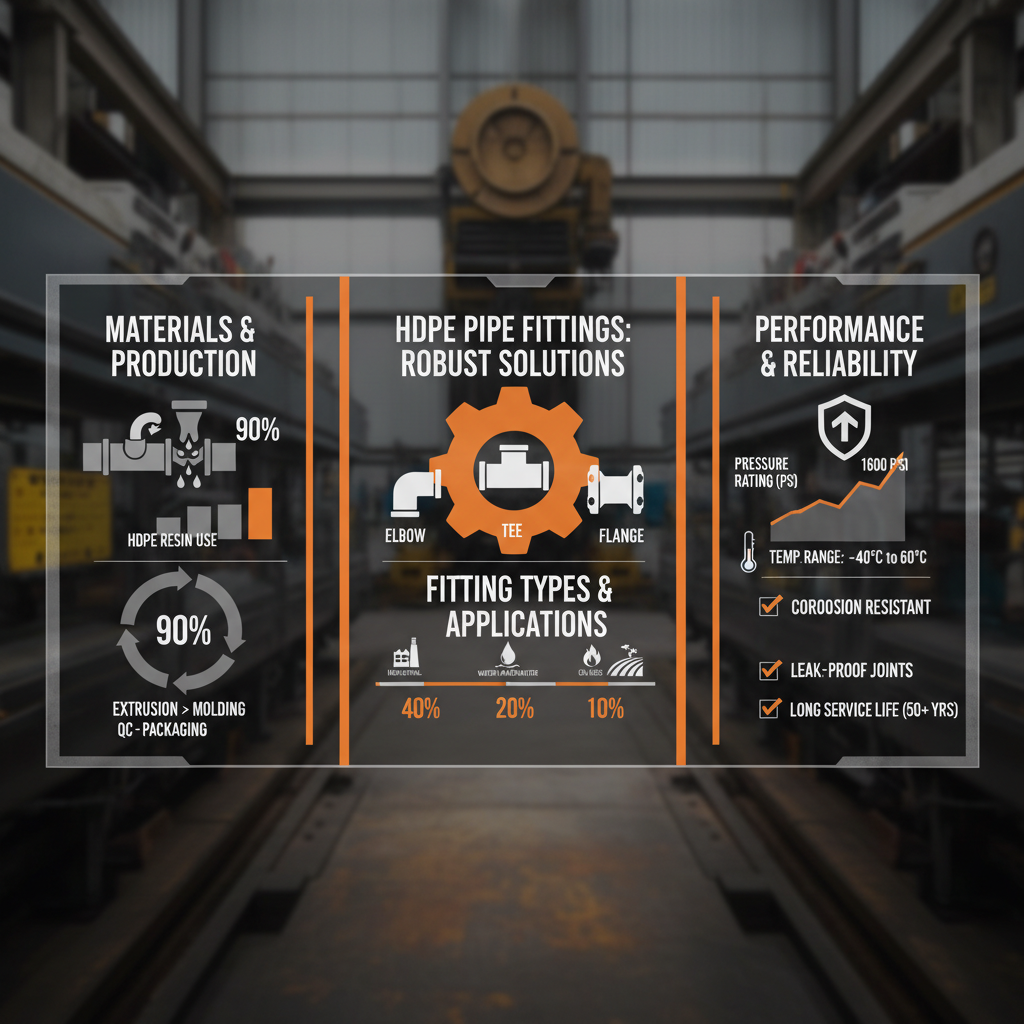
Several core characteristics distinguish hdpe pipe fittings as a superior piping solution. Firstly, their exceptional durability stems from the inherent strength of hdpe material, coupled with robust fitting designs. This resilience ensures a long service life, even in demanding applications. Secondly, chemical resistance is a standout feature, protecting against corrosion and degradation when transporting various fluids. hdpe pipe fittings are designed to be robust.
Another key aspect is lightweight nature, simplifying installation and reducing transportation costs. hdpe fittings are significantly lighter than traditional metal alternatives, leading to faster project completion times and lower labor expenses. Fourthly, flexibility allows for some ground movement without compromising the integrity of the piping system, a crucial benefit in earthquake-prone regions. Finally, leak-proof joints are achieved through heat fusion, eliminating the risk of contamination and ensuring efficient fluid transport.
hdpe Pipe Fitting Performance Metrics
Applications Across Industries
The versatility of hdpe pipe fittings extends across a wide range of industries. In water management, they are used for potable water distribution, irrigation systems, and wastewater treatment facilities, ensuring reliable and safe transport of water resources. The mining industry employs these fittings for slurry transport and drainage systems, benefiting from their corrosion resistance and durability.
The oil and gas sector relies on hdpe pipe fittings for transporting fuels, chemicals, and other hazardous materials, prioritizing their leak-proof characteristics and chemical compatibility. In agriculture, they are integral to irrigation systems, providing efficient water delivery to crops. Even in the telecommunications industry, hdpe conduits protect fiber optic cables, safeguarding vital communication infrastructure.
Benefits and Long-Term Value
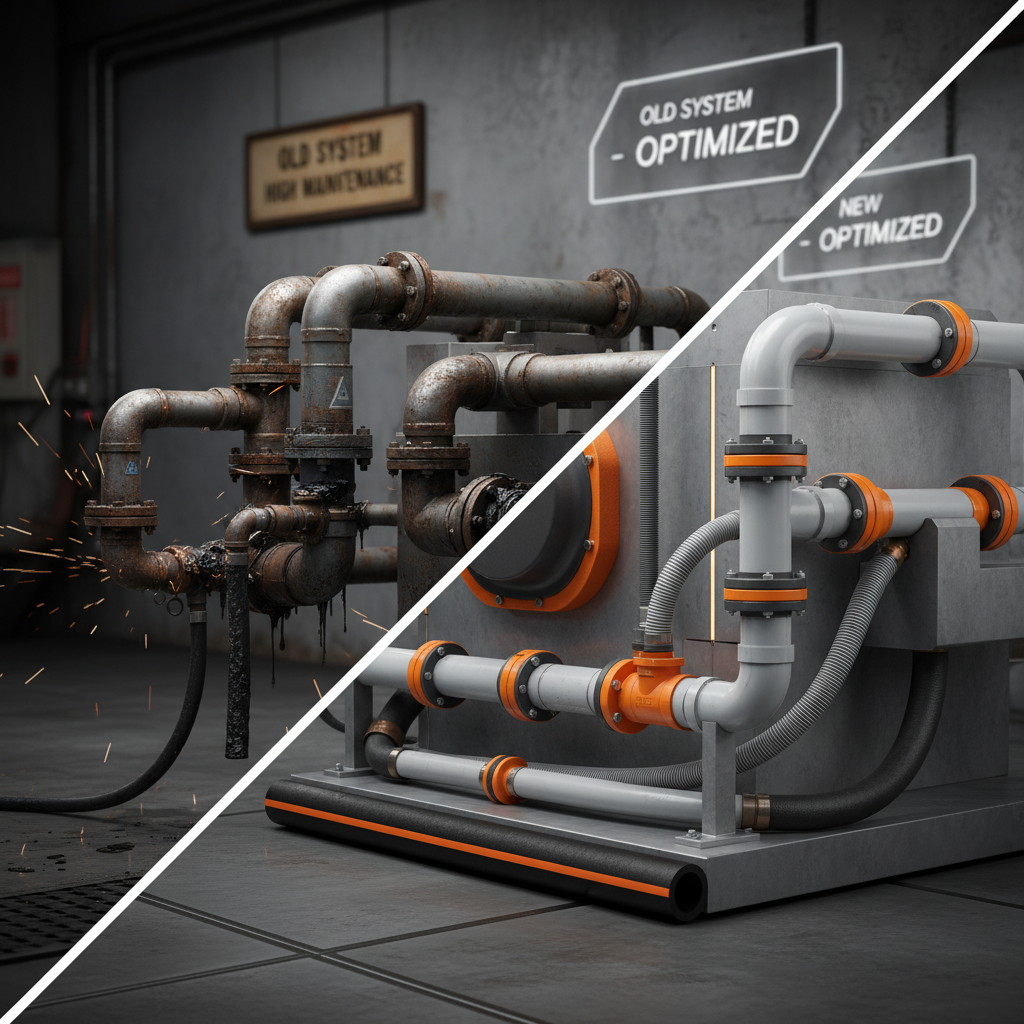
The benefits of utilizing hdpe pipe fittings extend beyond immediate cost savings. The cost-effectiveness is undeniable, considering the long service life and reduced maintenance requirements. This translates to lower life cycle costs compared to traditional materials. Their contribution to sustainability is significant, reducing water loss, minimizing environmental impact, and promoting responsible resource management.
The reliability of hdpe pipe fittings enhances public safety by preventing leaks and ensuring the consistent delivery of essential resources. Their use fosters trust in infrastructure systems, assuring communities of access to clean water and safe energy sources. The continuous innovation within the hdpe fittings industry drives improvements in performance, efficiency, and sustainability, ultimately creating long-term value for users and society.
Future Trends and Innovations
The future of hdpe pipe fittings is intertwined with emerging trends in sustainability and technology. Developments in green energy applications, such as hydrogen transport and geothermal systems, are driving demand for advanced hdpe materials capable of withstanding extreme temperatures and pressures. Digital transformation is leading to the integration of smart sensors and monitoring systems within hdpe pipelines, enabling real-time leak detection and predictive maintenance.
Automation in manufacturing processes is improving the precision and efficiency of hdpe fitting production, reducing costs and enhancing quality. Furthermore, research into biodegradable hdpe alternatives is underway, aiming to further minimize the environmental footprint of these essential components. These innovations will solidify the position of hdpe pipe fittings as a cornerstone of sustainable infrastructure for generations to come.
Core Aspects of hdpe Pipe Fitting Future Trends
| Trend Category |
Innovation Focus |
Impact on hdpe pipe fittings |
Implementation Timeline |
| Materials Science |
Biodegradable Polymers |
Reduced environmental impact, sustainable disposal |
5-10 years |
| Sensor Technology |
Real-time Leak Detection |
Improved pipeline monitoring, reduced water loss |
2-5 years |
| Manufacturing Processes |
Automated Fitting Production |
Increased efficiency, lower production costs |
Ongoing |
| Energy Applications |
Hydrogen Transport |
Support for clean energy infrastructure, robust material requirements |
3-7 years |
| Data Analytics |
Predictive Maintenance |
Reduced downtime, optimized maintenance schedules |
2-5 years |
| Regulatory Standards |
Stricter Environmental Regulations |
Increased demand for sustainable piping solutions |
Ongoing |
FAQS
hdpe pipe fittings offer significant advantages over metal piping due to their corrosion resistance, lighter weight, and ease of installation. They eliminate the need for welding or threading, reducing labor costs and project timelines. Furthermore, hdpe is incredibly durable and flexible, making it ideal for challenging terrains and environments. Their resistance to chemical degradation also makes them a safer and more reliable long-term solution.
hdpe pipe fittings can typically withstand temperatures ranging from -40°C to 60°C (-40°F to 140°F). However, the specific temperature limitations depend on the grade of hdpe used and the application. For higher temperature applications, specialized hdpe formulations may be required. It is crucial to consult the manufacturer's specifications and relevant industry standards to ensure safe and reliable operation within the intended temperature range.
hdpe pipe fittings are typically joined using heat fusion methods, such as butt fusion, socket fusion, or electrofusion. These techniques involve heating both the pipe and the fitting to a specific temperature and then joining them under pressure, creating a weld that is as strong as or stronger than the base material. Proper fusion techniques are paramount to ensure a leak-proof and durable connection. Incorrect parameters can lead to weak joints and potential failures.
Yes, hdpe pipe fittings are widely used in potable water systems due to their chemical inertness and resistance to leaching. They do not impart taste or odor to the water and are considered safe for drinking water applications. To ensure compliance with safety standards, hdpe pipe fittings used in potable water systems must be certified by organizations such as NSF International or WRAS, demonstrating that they meet stringent quality and safety requirements.
hdpe pipe fitting systems are known for their exceptional longevity. With proper installation and maintenance, these systems can have a lifespan of 50 years or more. Their resistance to corrosion, chemical degradation, and UV exposure contributes to their long-term reliability. The absence of leaks and minimal maintenance requirements further enhance their lifespan, making them a cost-effective solution over the long run.
While the initial material cost of hdpe pipe fittings can sometimes be higher than PVC, the overall life-cycle cost is often lower due to their superior durability and reduced maintenance requirements. Compared to steel, hdpe fittings are significantly lighter and easier to install, resulting in lower labor costs. Furthermore, their corrosion resistance eliminates the need for costly repairs or replacements associated with steel piping, making hdpe a more economical option in the long term.
Conclusion
hdpe pipe fittings have emerged as a crucial component in modern infrastructure, offering a compelling combination of durability, cost-effectiveness, and sustainability. Their versatility allows for application across numerous industries, from water management and oil & gas to agriculture and telecommunications. The long-term benefits – reduced maintenance, minimized environmental impact, and enhanced reliability – position them as a cornerstone of future infrastructure development.
Looking ahead, continued innovation in materials science and manufacturing processes will further enhance the performance and broaden the applications of hdpe pipe fittings. Embracing these advancements and prioritizing sustainable practices will be vital in ensuring access to reliable and efficient piping solutions for generations to come. To learn more about our comprehensive range of hdpe pipe fittings and explore how we can support your project needs, visit our website today: www.fygasketfactory.com.