hdpe fittings are increasingly vital components in modern infrastructure, offering reliable solutions for fluid and gas transportation across diverse industries. Their durability, resistance to corrosion, and ease of installation make them a preferred choice over traditional materials like metal. As global demand for efficient and sustainable infrastructure grows, understanding the nuances of hdpe fittings becomes crucial for engineers, project managers, and policymakers alike.
The global market for hdpe fittings is experiencing substantial growth, driven by expanding applications in water management, gas distribution, irrigation, and mining. According to recent industry reports, the market is projected to reach [Insert Stat - e.g., $XX billion] by [Insert Year - e.g., 2028], exhibiting a CAGR of [Insert Percentage - e.g., 6.5%] during the forecast period. This growth is particularly pronounced in developing regions where investment in infrastructure development is accelerating.
Addressing challenges related to water scarcity, aging pipelines, and the need for cost-effective solutions, hdpe fittings offer a compelling alternative. Their lightweight nature reduces transportation costs, while their long lifespan minimizes maintenance and replacement expenses. The environmental benefits, stemming from reduced leakage and extended service life, further contribute to their appeal.
Introduction to hdpe fittings
hdpe fittings represent a modern solution in fluid conveyance, facilitating the seamless connection of high-density polyethylene (hdpe) pipes. These fittings come in a wide variety of configurations – elbows, tees, reducers, flanges, and more – each engineered to maintain the integrity and efficiency of piping systems. Their use is becoming increasingly prevalent in demanding applications where reliability and longevity are paramount.
The widespread adoption of hdpe fittings is directly linked to their superior performance characteristics compared to traditional materials. They resist corrosion, offer excellent chemical resistance, and exhibit a high degree of flexibility, minimizing the risk of cracking or failure due to ground movement or thermal expansion. This inherent robustness translates into reduced maintenance costs and extended operational life, making them a financially attractive option for long-term projects.
Defining hdpe Fittings
hdpe fittings are components used to connect sections of high-density polyethylene (hdpe) pipes, creating a leak-proof and durable piping system. They are manufactured from the same hdpe material as the pipes themselves, ensuring compatibility and maintaining the overall strength and integrity of the pipeline. These fittings are available in various types, including socket weld fittings, butt fusion fittings, electrofusion fittings, and compression fittings, each suited for specific applications and pipe sizes.
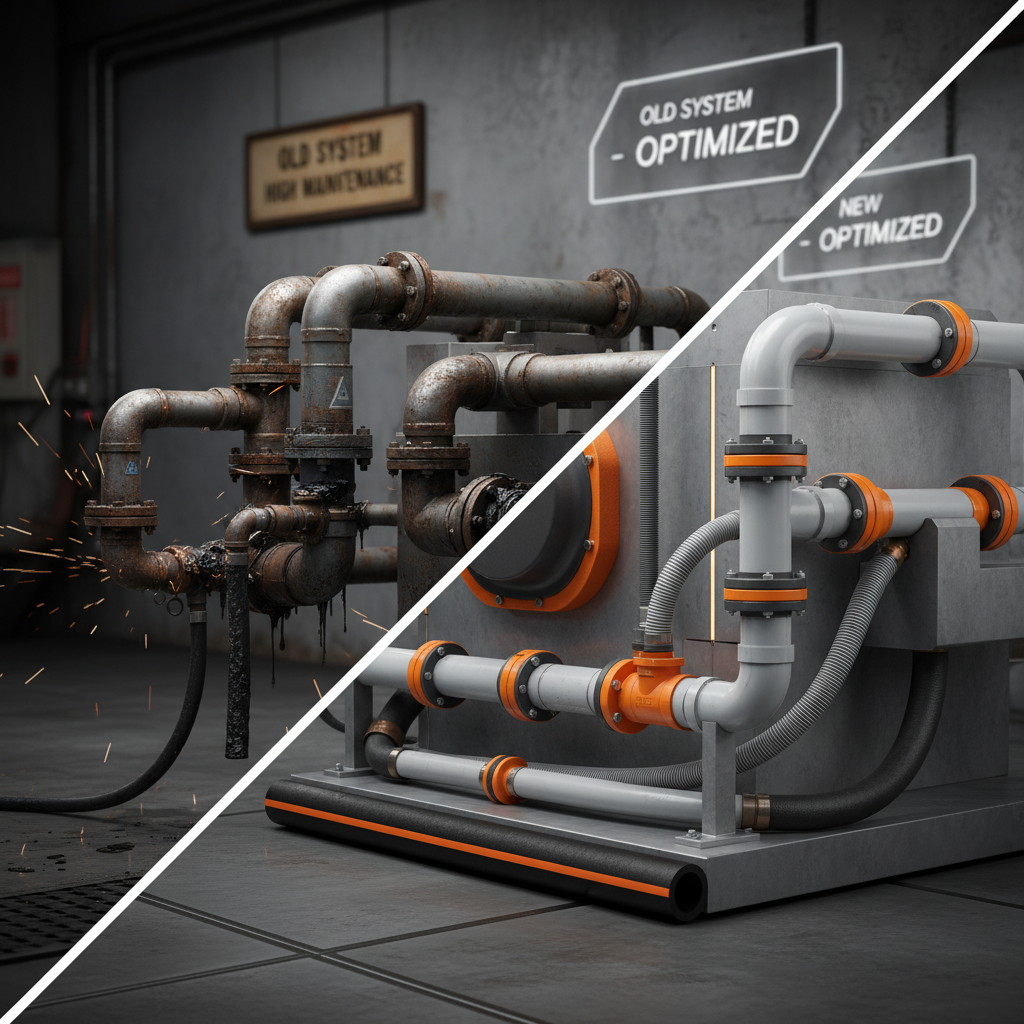
The connection between hdpe fittings and pipes is critical. Methods like butt fusion and electrofusion create a homogenous weld, effectively bonding the fitting and pipe together, resulting in a joint as strong as, or stronger than, the pipe material itself. This contrasts sharply with mechanical connections that can be prone to loosening or corrosion over time.
Their significance extends beyond mere conveyance. They’re integral to delivering potable water to communities, transporting natural gas, managing industrial waste, and irrigating agricultural lands – all vital functions that underpin modern society. They are particularly well suited for trenchless technologies, such as horizontal directional drilling, minimizing disruption and environmental impact during installation.
Core Attributes of hdpe Fittings
One of the most significant characteristics of hdpe fittings is their exceptional durability. The inherent strength of hdpe, combined with robust manufacturing processes, results in fittings that can withstand high pressures, temperatures, and harsh environmental conditions. This is especially important in applications where the pipeline is buried underground or exposed to corrosive substances.
Another key advantage is their resistance to chemical corrosion. Unlike metal fittings, hdpe fittings are unaffected by most acids, alkalis, and solvents, ensuring long-term reliability even in aggressive chemical environments. This makes them ideal for use in the chemical processing, mining, and wastewater treatment industries.
The flexibility of hdpe fittings also plays a crucial role in their performance. They can accommodate some degree of ground movement or thermal expansion without compromising the integrity of the pipeline. This reduces the risk of stress cracking and leaks, contributing to a longer service life and lower maintenance costs. Furthermore, their smooth interior surfaces minimize friction loss, resulting in improved flow rates.
Diverse Applications of hdpe Fittings
hdpe fittings are utilized extensively in water distribution networks, offering a reliable and leak-free solution for delivering potable water to residential, commercial, and industrial customers. Their resistance to corrosion and biological growth ensures water quality is maintained throughout the distribution system, reducing the need for frequent cleaning and disinfection.
In the oil and gas industry, hdpe fittings play a critical role in transporting natural gas and crude oil. Their ability to withstand high pressures and resist corrosion makes them a safe and efficient choice for pipeline construction. Their use minimizes the risk of leaks and spills, protecting the environment and ensuring the uninterrupted flow of energy resources.
hdpe Fittings Application Areas
Advantages and Long-Term Value
The most immediate benefit of utilizing hdpe fittings is cost-effectiveness. While the initial investment may be comparable to traditional materials, the extended lifespan, reduced maintenance requirements, and lower installation costs translate into significant long-term savings. This is especially true in remote locations where repair costs can be substantial.
From a sustainability standpoint, hdpe fittings offer a compelling advantage. Their durability reduces the need for frequent replacements, conserving resources and minimizing waste. Furthermore, hdpe is a recyclable material, contributing to a circular economy and reducing the environmental impact of infrastructure projects. hdpe fittings contribute to sustainable practices.
Future Trends in hdpe Fittings
Innovation in hdpe fitting technology is focusing on smart fittings equipped with sensors for leak detection and real-time monitoring of pipeline conditions. These ‘intelligent’ fittings will provide valuable data for proactive maintenance, reducing downtime and improving operational efficiency. Integration with IoT (Internet of Things) platforms is expected to become increasingly common.
The development of advanced hdpe materials with enhanced strength and temperature resistance is also underway. These new materials will expand the range of applications for hdpe fittings, enabling their use in even more demanding environments. Additionally, research is focused on developing more sustainable and bio-based hdpe materials, further reducing the environmental footprint of this crucial infrastructure component.
The industry is also seeing a trend towards prefabrication of hdpe piping systems, which involves assembling fittings and pipes off-site and then transporting them to the installation location. This approach reduces on-site installation time and labor costs, improving project efficiency.
Challenges and Innovative Solutions
One common challenge is ensuring proper installation techniques, particularly when using butt fusion or electrofusion welding. Incorrect welding parameters can compromise the integrity of the joint, leading to leaks or failures. Training and certification programs for installers are crucial to mitigate this risk.
Another challenge is dealing with large diameter hdpe pipes, which can be difficult to handle and maneuver. Innovative lifting and positioning equipment is being developed to streamline the installation process and reduce the risk of damage to the pipe or fittings. Automation in the welding process is also a growing trend.
Finally, concerns about the long-term performance of hdpe fittings in extremely harsh environments (e.g., high UV exposure, extreme temperatures) are being addressed through the development of specialized coatings and additives that enhance their resistance to degradation.
Summary of Solutions to Common Challenges with hdpe Fittings
| Challenge |
Root Cause |
Solution |
Implementation Cost (1-10) |
| Improper Welding |
Lack of trained personnel |
Certified installer programs |
6 |
| Difficult Handling of Large Pipes |
Heavy weight and awkward dimensions |
Specialized lifting equipment |
8 |
| UV Degradation |
Prolonged sun exposure |
UV-resistant coatings |
4 |
| Temperature Sensitivity |
Expansion/Contraction issues |
Flexible joint designs |
5 |
| Corrosion in Specific Environments |
Exposure to aggressive chemicals |
Specialized hdpe formulations |
7 |
| Leak Detection |
Difficult to identify without inspection |
Smart fittings with sensors |
9 |
FAQS
hdpe fittings offer several advantages over metal counterparts, including superior corrosion resistance, lower weight, greater flexibility, and reduced installation costs. They don't rust or corrode, even in harsh environments, leading to longer service life and reduced maintenance. Their flexibility minimizes the risk of cracking due to ground movement or thermal expansion. They also require less specialized equipment for installation compared to welding metal pipes.
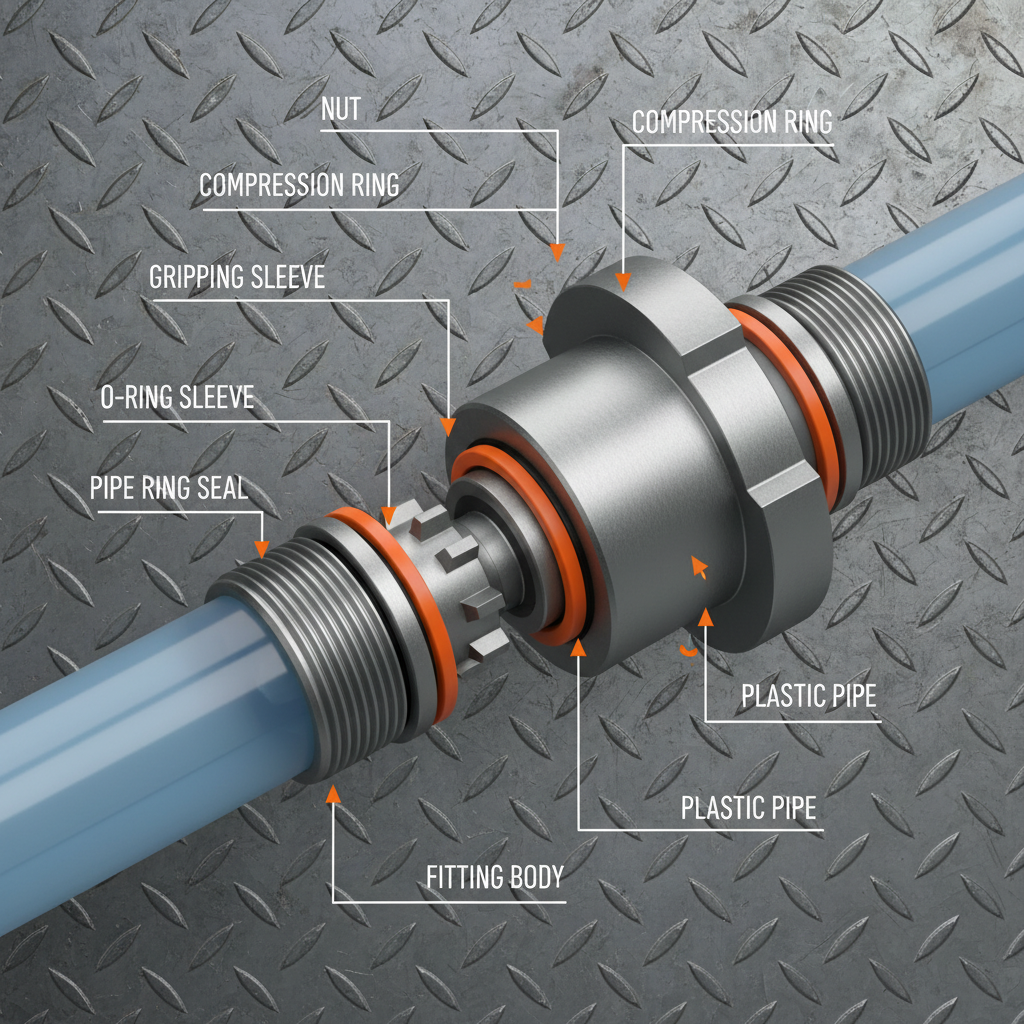
The most common connection methods for hdpe fittings include butt fusion, electrofusion, socket fusion, and compression fittings. Butt fusion and electrofusion create a homogenous weld, effectively bonding the fitting and pipe together. Socket fusion involves heating both the fitting and pipe before joining them. Compression fittings use mechanical force to create a watertight seal and are often used for smaller diameter pipes and repair work.
An hdpe piping system with properly installed hdpe fittings can have a lifespan of 50 years or more. Their resistance to corrosion and degradation, coupled with their flexibility and durability, contribute to their long service life. However, factors such as soil conditions, operating pressure, and exposure to UV radiation can influence the actual lifespan. Regular inspection and maintenance are recommended to ensure optimal performance.
Yes, hdpe fittings are widely used in potable water applications. hdpe is a non-toxic material that doesn't leach harmful chemicals into the water supply. They meet stringent standards set by organizations like the NSF International, ensuring the safety and quality of the water. Their smooth interior surfaces also minimize the risk of biofilm buildup, further contributing to water quality.
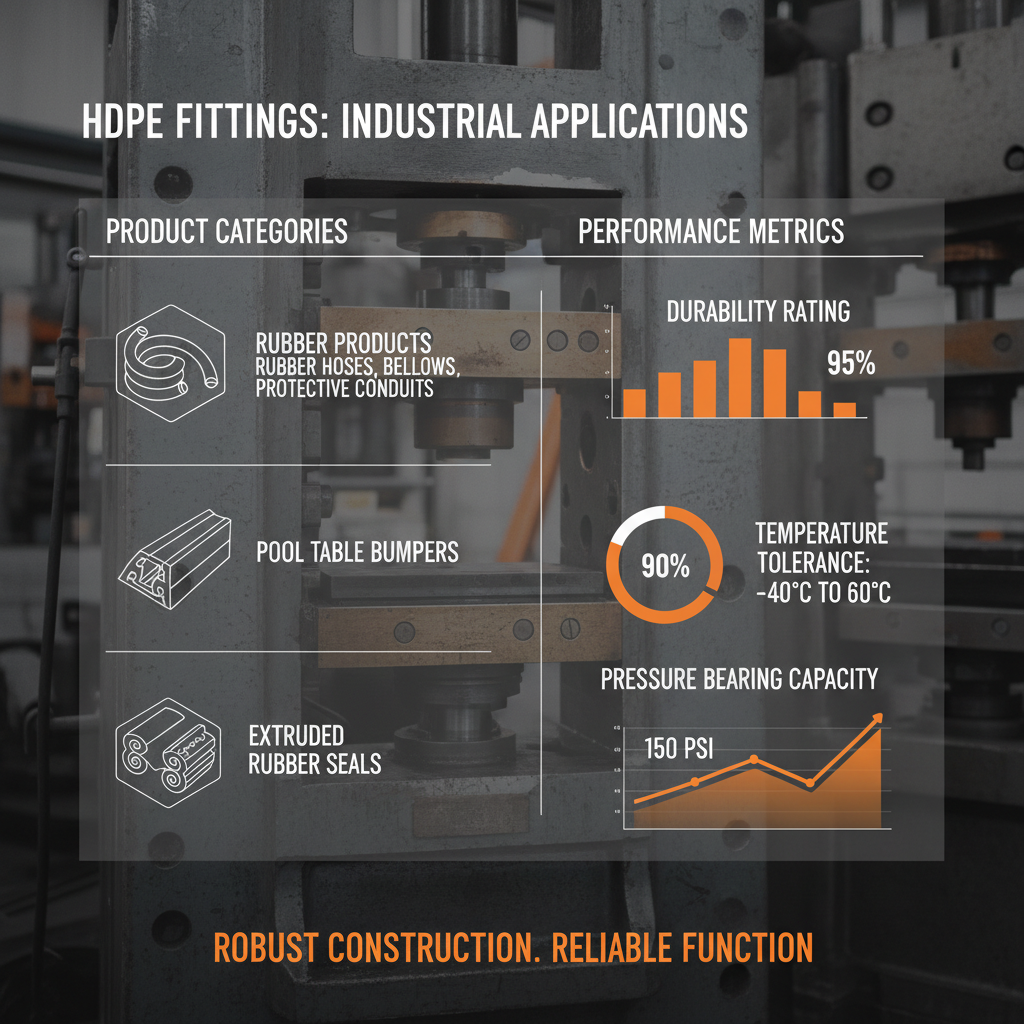
The temperature limitations for hdpe fittings depend on the specific material and application. Generally, hdpe piping systems can operate effectively in temperatures ranging from -40°C to 60°C (-40°F to 140°F). However, prolonged exposure to extreme temperatures can affect their performance. Specialized hdpe formulations are available for applications requiring higher temperature resistance.
Proper installation is crucial for the long-term reliability of hdpe piping systems. It's essential to follow the manufacturer's instructions carefully and use qualified and certified installers. Proper surface preparation, correct welding parameters (for fusion connections), and adequate support for the pipeline are all critical factors. Regular inspection and testing of the completed installation are also recommended.
Conclusion
hdpe fittings represent a significant advancement in piping technology, offering a compelling combination of durability, cost-effectiveness, and sustainability. Their versatility allows them to be deployed in a wide range of applications, from water distribution and gas transportation to industrial processing and agricultural irrigation. The inherent properties of hdpe, coupled with innovative connection methods, ensure long-term reliability and minimize environmental impact.
Looking ahead, continued innovation in hdpe materials and fitting designs will further enhance their performance and expand their applications. Embracing smart technologies and sustainable manufacturing practices will be key to unlocking the full potential of hdpe fittings and contributing to a more resilient and efficient infrastructure. For reliable hdpe fittings and solutions, visit our website: www.fygasketfactory.com.