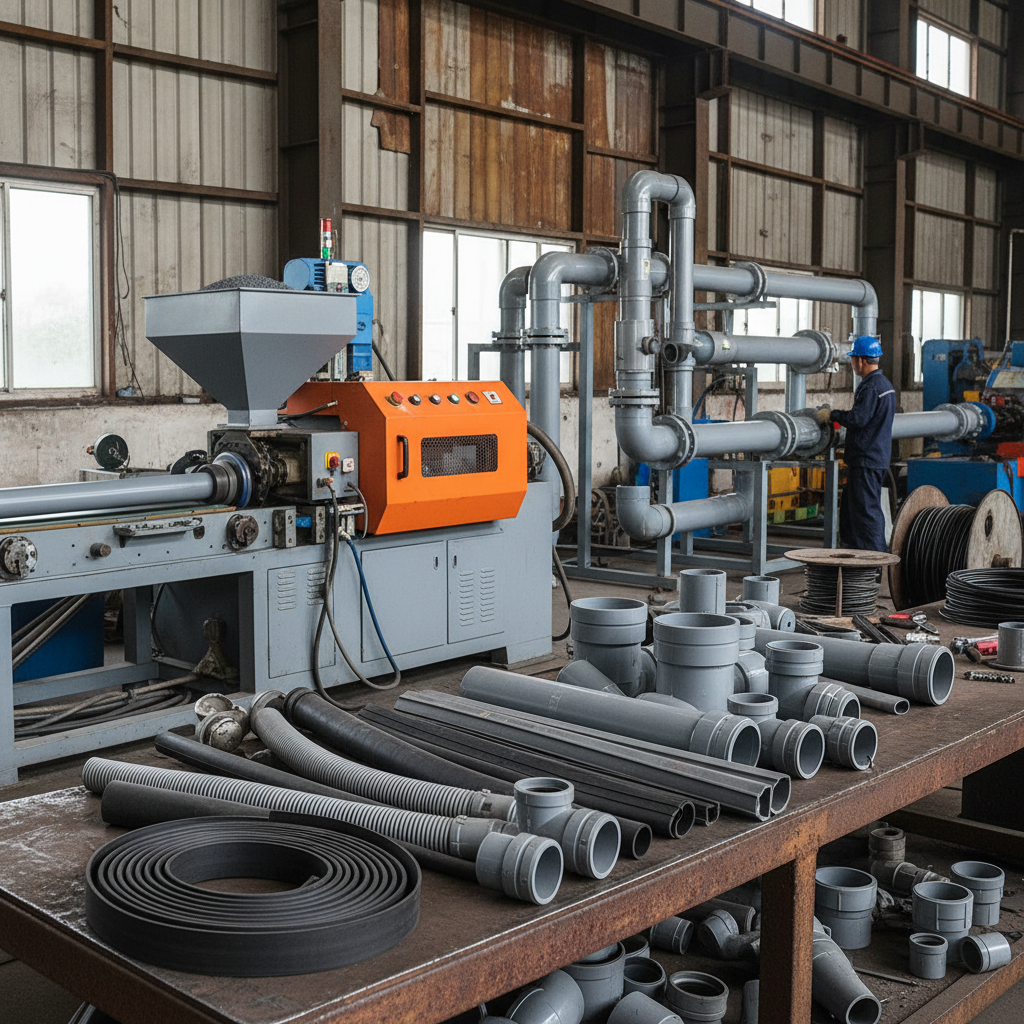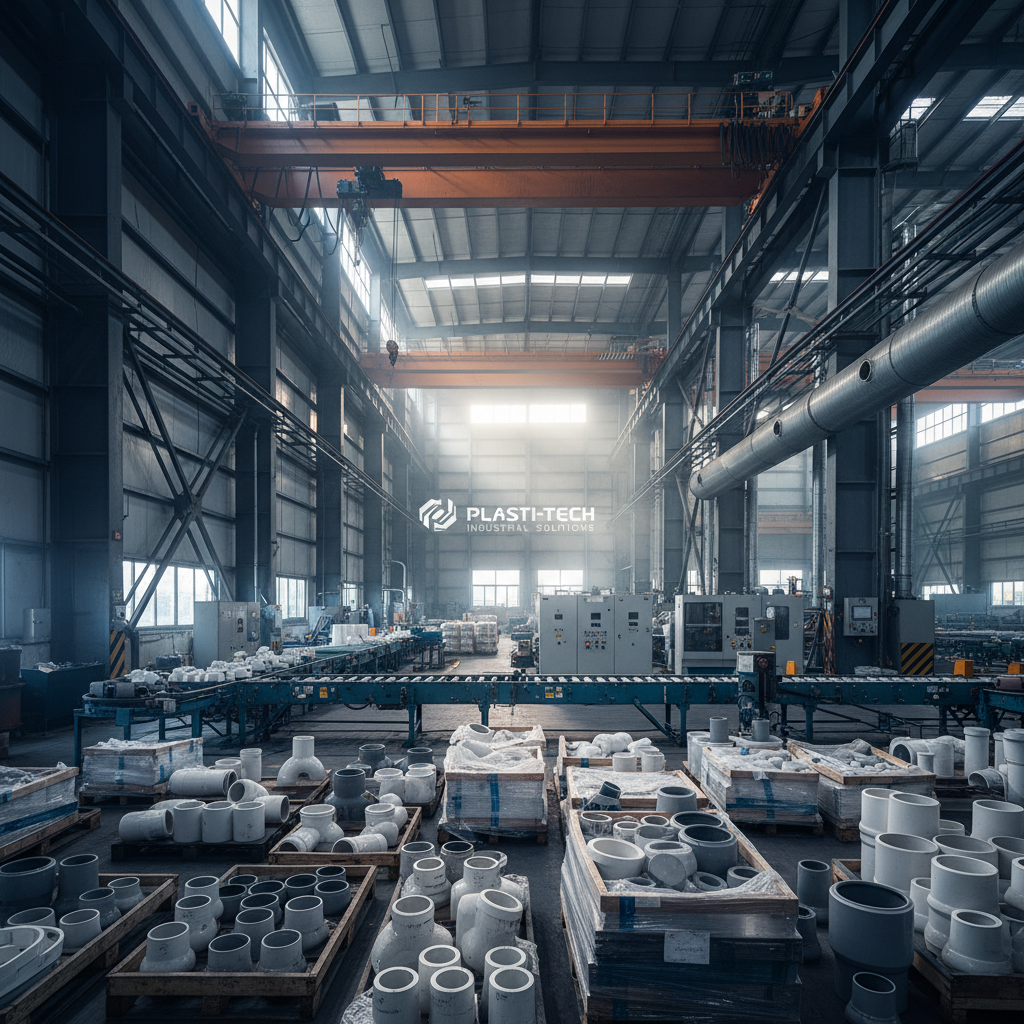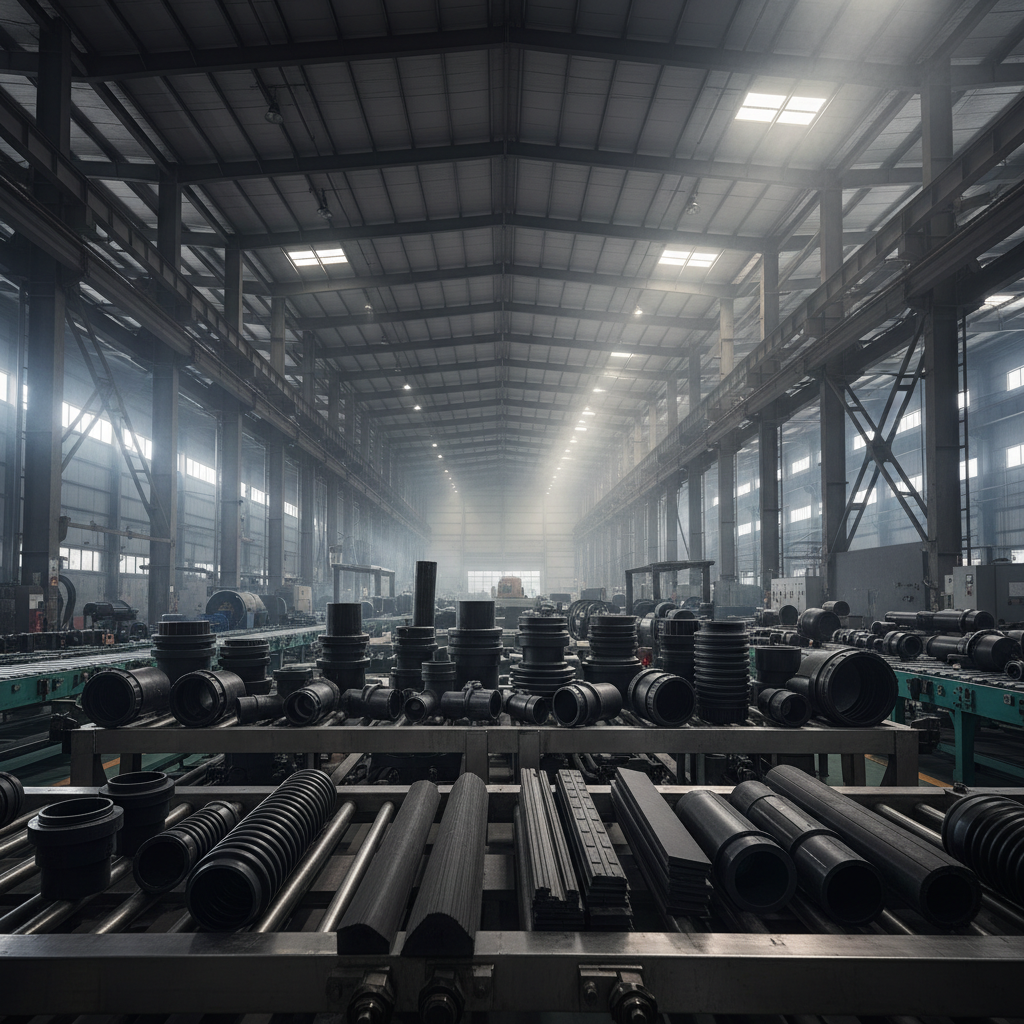
PVC conduit fittings are essential components in modern electrical infrastructure, playing a critical role in protecting and routing electrical wiring. These fittings, typically made from Polyvinyl Chloride (PVC), offer a robust and cost-effective solution for a wide range of applications, from residential construction to large-scale industrial projects. Their increasing adoption globally stems from their inherent properties – lightweight, corrosion resistance, and ease of installation – making them a preferred choice over traditional metallic conduits in many scenarios.
The global demand for pvc conduit fittings is driven by rapid urbanization, infrastructure development in emerging economies, and stringent safety regulations. According to industry reports, the global PVC conduit market is projected to reach billions of dollars in the coming years, reflecting a consistent growth trajectory. This growth is particularly pronounced in regions undergoing significant construction booms, such as Asia-Pacific and Latin America. Addressing the need for secure and reliable electrical systems is paramount in this evolving landscape.
Understanding the nuances of pvc conduit fittings – their types, applications, and proper installation techniques – is vital for electricians, contractors, and anyone involved in electrical work. Proper utilization of these fittings not only ensures the safe transmission of electricity but also contributes to the longevity and reliability of electrical systems. This knowledge is increasingly important as electrical demands continue to grow and safety standards become more rigorous.
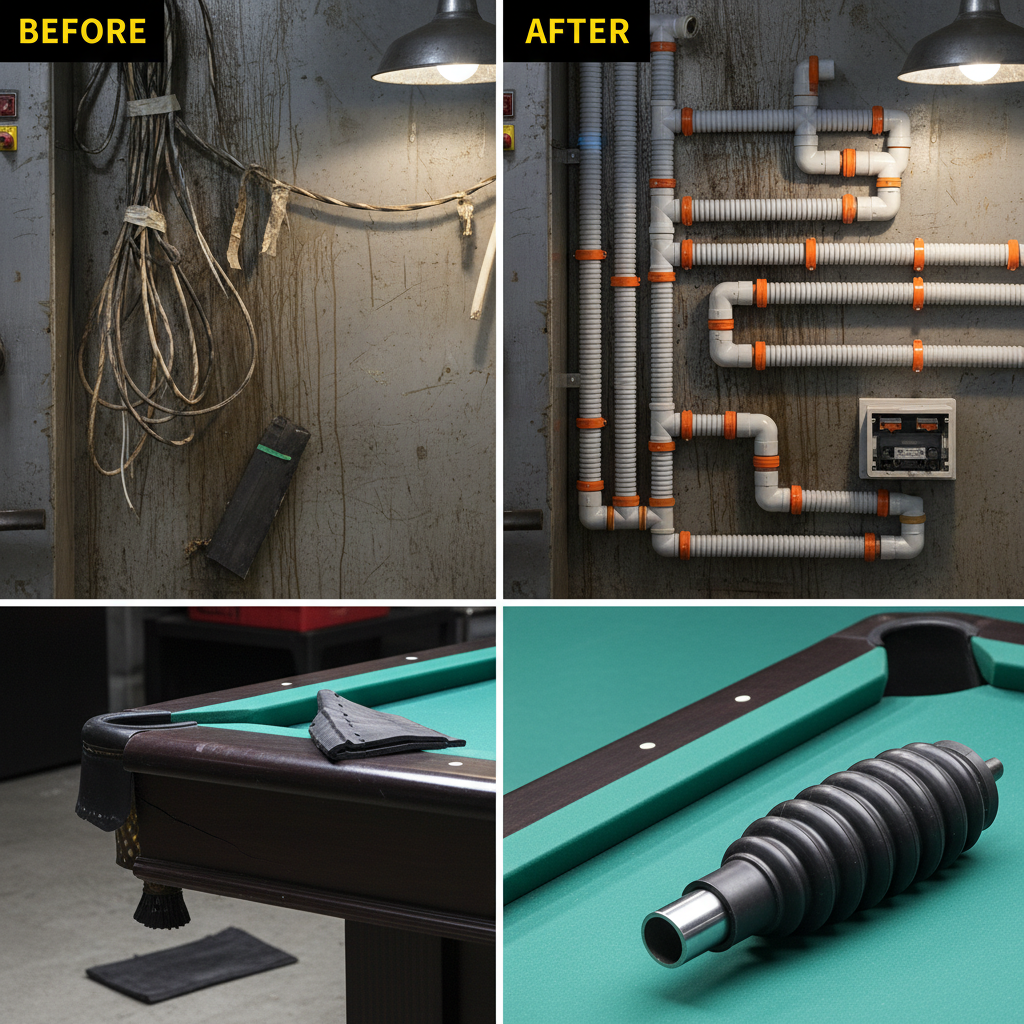
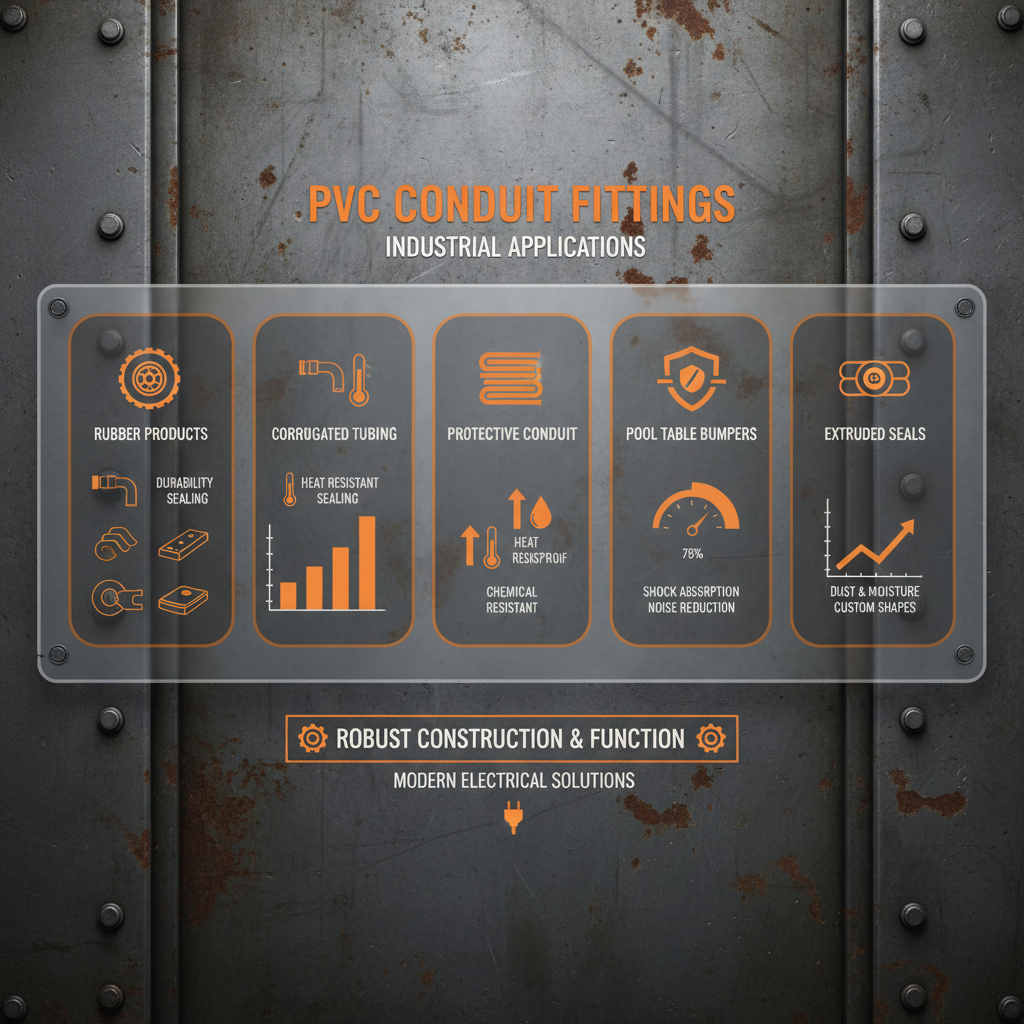
PVC conduit fittings are more than just connectors; they represent a foundational element in ensuring safe and reliable electrical installations. They provide a protective pathway for wires, shielding them from physical damage, moisture, and corrosive elements. Without these fittings, the integrity of an electrical system would be significantly compromised, leading to potential hazards and costly repairs.
Their impact extends beyond mere safety. Effective use of pvc conduit fittings contributes to system longevity, reducing the need for frequent maintenance and replacements. This translates to long-term cost savings for building owners and operators, making them a financially prudent choice as well. The inherent properties of PVC, such as its resistance to degradation, contribute to the overall durability of the electrical infrastructure.
PVC conduit fittings offer several key advantages over metal conduits, including being lightweight, corrosion-resistant, and non-conductive. They are also generally more cost-effective and easier to install, requiring less specialized tools and expertise. While metal conduits provide greater physical protection in extreme environments, PVC excels in applications where corrosion is a concern, such as damp or chemically exposed areas.
Determining the correct size involves considering the number and gauge of conductors to be run through the conduit. Electrical codes (like the NEC in the US) specify fill capacity limits to prevent overheating and ensure safe operation. You’ll need to calculate the cross-sectional area of the conductors and select a conduit size that allows for adequate space. Consult with a qualified electrician or refer to relevant electrical codes for guidance.
Some PVC conduit fittings are specifically designed and rated for direct burial, while others are not. Direct burial fittings are typically thicker-walled and feature markings indicating their suitability. It’s crucial to use fittings specifically labeled for direct burial to ensure they can withstand soil pressure, moisture, and potential damage. Always check local electrical codes and manufacturer specifications before direct burial installation.
PVC conduit fittings generally have a recommended operating temperature range of -40°C to +60°C (-40°F to 140°F). Exposing them to temperatures outside this range can cause them to become brittle or deform, compromising their structural integrity. For applications involving extreme temperatures, specialized high-temperature PVC formulations or alternative conduit materials may be necessary.
While PVC itself is non-conductive, it's essential to properly bond and ground a PVC conduit system to ensure electrical safety. This is typically achieved by using metal bonding bushings at conduit connections and connecting them to a grounding conductor. The grounding conductor provides a low-resistance path for fault currents, protecting against electrical shock hazards. Always follow local electrical code requirements for bonding and grounding.
PVC conduit fittings typically require minimal maintenance. Regular visual inspections can help identify any signs of damage, such as cracks or deformations. Avoid exposing them to excessive physical stress or harsh chemicals. In outdoor applications, periodic cleaning may be necessary to remove dirt and debris. Proper installation and selection of appropriate fittings for the environment are the most crucial aspects of long-term maintenance.
In conclusion, pvc conduit fittings are indispensable components of modern electrical infrastructure, providing a safe, reliable, and cost-effective solution for protecting and routing electrical wiring. Their inherent properties – durability, corrosion resistance, and ease of installation – make them a preferred choice for a wide range of applications, from residential construction to industrial facilities. Understanding the nuances of these fittings and their proper application is crucial for ensuring the integrity and longevity of electrical systems.
Looking ahead, advancements in materials science and manufacturing technologies will continue to enhance the performance and sustainability of pvc conduit fittings. Embracing these innovations and adhering to best practices in installation and maintenance will be key to maximizing their benefits and ensuring the safety and efficiency of electrical infrastructure for years to come. For high-quality pvc conduit fittings and expert guidance, visit our website: www.fygasketfactory.com.