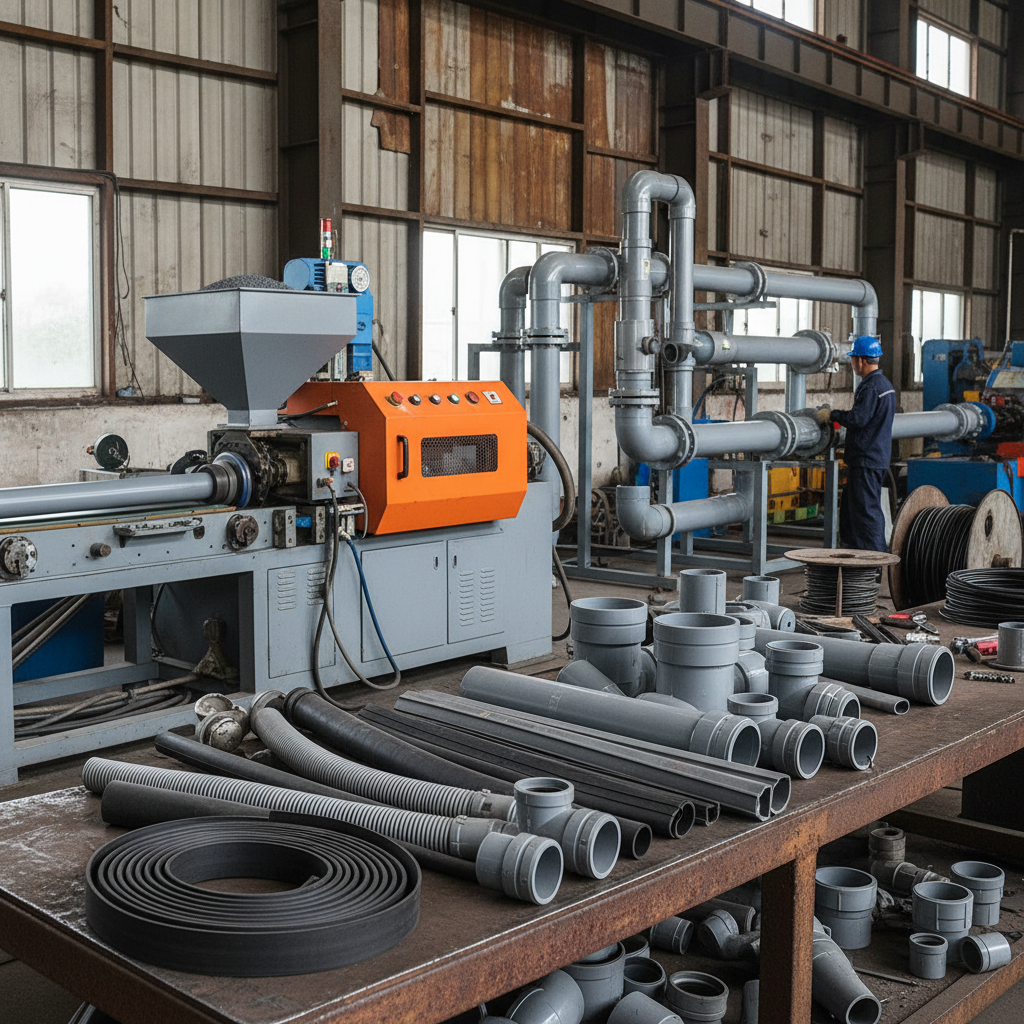
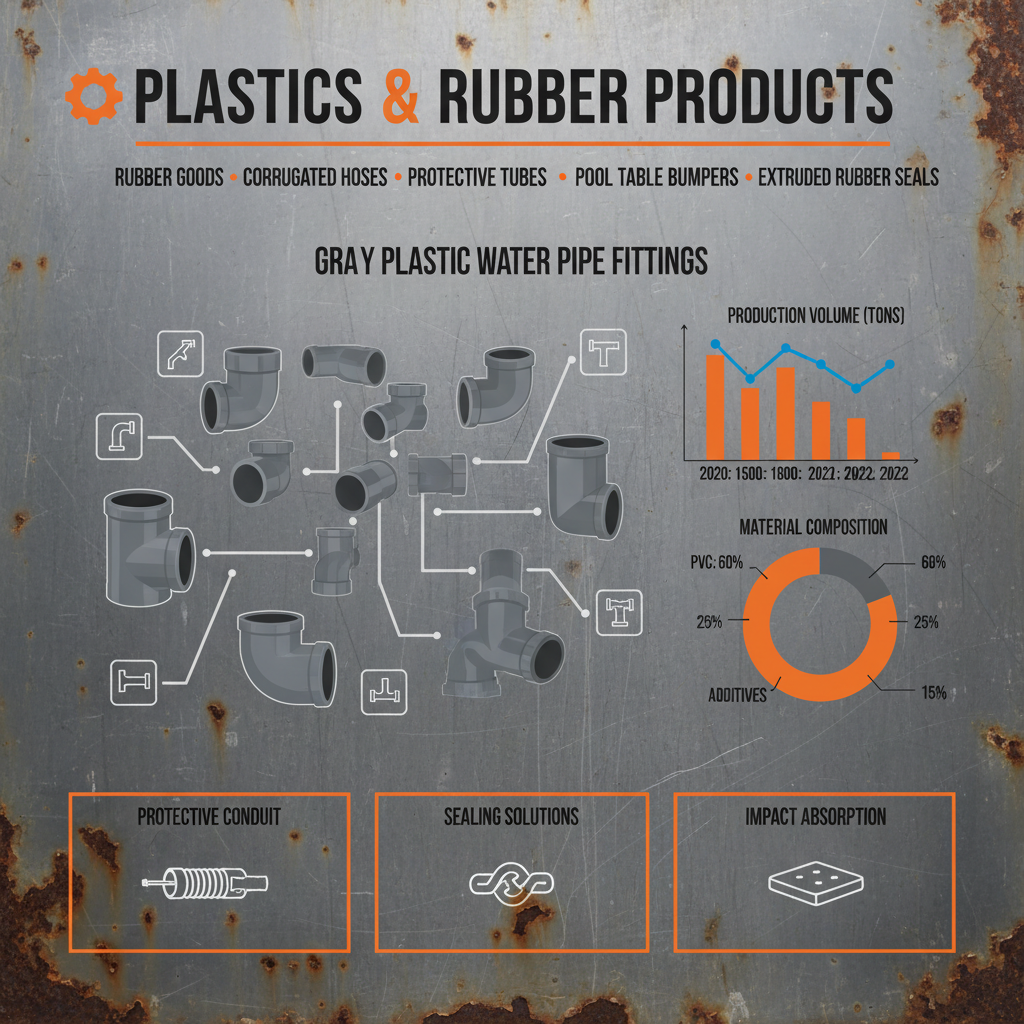
In the modern landscape of fluid management, gray plastic water pipe fittings have emerged as a cornerstone for infrastructure durability and efficiency. These specialized components are engineered to ensure seamless transitions, secure connections, and leak-proof systems across a variety of demanding environments, from residential plumbing to heavy industrial processing.
The global shift toward sustainable materials has pushed the demand for high-performance polymers, making gray plastic water pipe fittings a preferred choice over traditional metallic alternatives. Their resistance to corrosion and ease of installation significantly reduce long-term maintenance costs and minimize system downtime in critical water transport networks.
Understanding the technical nuances of these fittings—including material composition, pressure ratings, and jointing methods—is essential for engineers and procurement specialists. By optimizing the selection of these components, industries can ensure a lifespan that spans decades while maintaining strict adherence to environmental and safety standards.
Global Relevance of Gray Plastic Water Pipe Fittings
On a global scale, the management of water resources is increasingly reliant on the stability of conveyance systems. According to standards aligned with ISO and various international building codes, the adoption of gray plastic water pipe fittings has surged due to their ability to withstand diverse soil chemistries and temperature fluctuations that would typically degrade galvanized steel or copper.
The primary challenge addressed by these components is the pervasive issue of internal scaling and external corrosion. By implementing polymer-based solutions, municipalities and industrial plants can drastically reduce the frequency of pipe bursts and leaks, which the World Bank identifies as a significant cause of "non-revenue water" loss in developing urban centers.
Defining Gray Plastic Water Pipe Fittings in Modern Industry
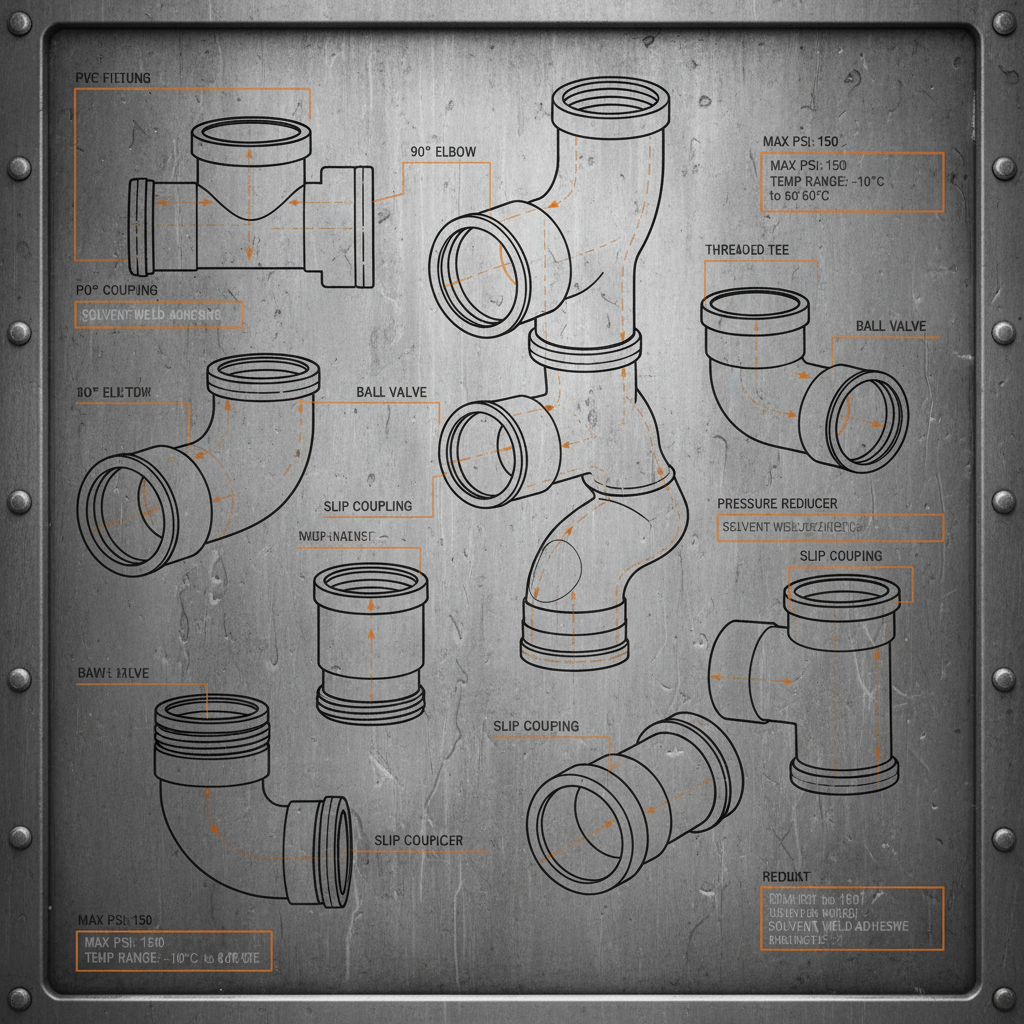
Simply put, gray plastic water pipe fittings are precision-molded connectors—such as elbows, tees, couplings, and adapters—typically manufactured from high-grade PVC, CPVC, or HDPE, and colored gray for easy identification of industrial or potable water grade. These components are the "joints" of a piping system, allowing for complex routing and secure transitions between different pipe diameters.
In the context of modern industry, these fittings represent a shift toward modularity and rapid deployment. Whether used in the fabrication of gray plastic water pipe fittings for a chemical processing plant or a residential irrigation system, they provide a standardized interface that ensures compatibility and structural integrity.
From a humanitarian perspective, the lightweight nature and cost-effectiveness of these plastic fittings make them indispensable for rapid-response water infrastructure in disaster-stricken areas. They allow NGOs to establish clean water distribution networks quickly, providing essential hygiene and hydration to vulnerable populations without the need for heavy welding equipment.
Key Performance Factors of Plastic Fittings
Durability is the foremost metric for any gray plastic water pipe fittings installation. The chemical inertness of the materials ensures that the fittings do not react with the transported fluid, preventing contamination and ensuring that the structural walls of the connector do not thin over time due to oxidation.
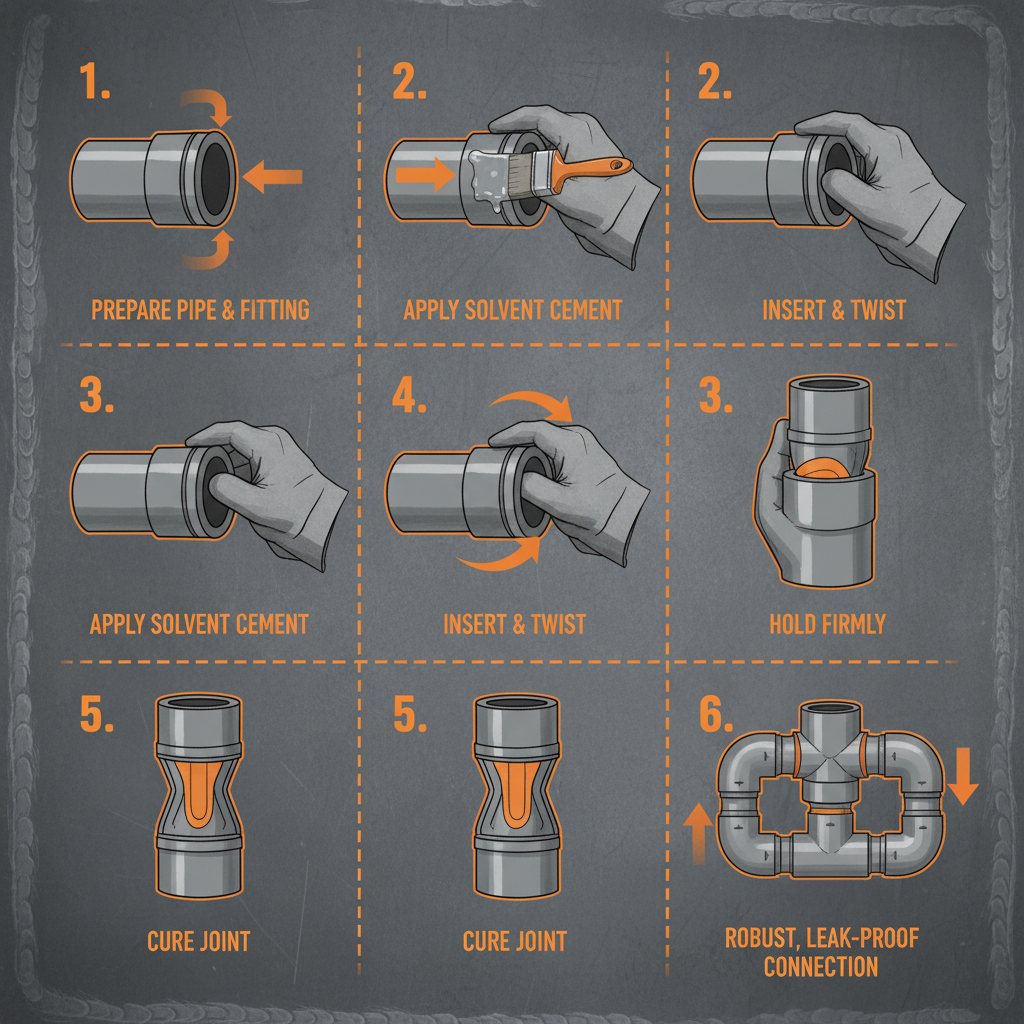
Cost Efficiency is realized not only in the initial purchase price but in the installation phase. Because these fittings can be joined using solvent welding or heat fusion, the labor hours required for setup are significantly lower than those for threaded metal pipes, making the total cost of ownership for gray plastic water pipe fittings highly attractive.
Scalability and versatility allow these components to be adapted for various pressure classes. From low-pressure drainage to high-pressure industrial lines, the ability to select specific wall thicknesses and reinforcement grades ensures that the fittings can scale according to the mechanical demands of the project.
Global Applications and Use Cases
In real-world contexts, gray plastic water pipe fittings are utilized across a vast spectrum of environments. In remote industrial zones, such as mining sites in Australia or oil fields in the Middle East, these fittings are used to create temporary yet robust water lines that can be dismantled and moved as the project site evolves.
Agricultural sectors in Southeast Asia rely heavily on these components for drip irrigation systems. The UV-stabilized gray polymers prevent degradation under intense sunlight, ensuring that water reaches the crops efficiently without the risk of joint failure or clogging from rust particles.
Efficiency Comparison of Gray Plastic Water Pipe Fittings Methods
Long-Term Value and Sustainability Advantages
The long-term value of investing in high-quality gray plastic water pipe fittings extends beyond mere financial savings. From a sustainability angle, plastic polymers have a lower carbon footprint during production and transportation compared to heavy cast iron or steel. Furthermore, the absence of corrosion means that water purity is maintained, eliminating the need for chemical additives to prevent pipe scaling.
Logically, the reliability of these fittings provides peace of mind to facility managers. Knowing that a system is built with leak-proof, chemically resistant components reduces the risk of catastrophic failure and environmental contamination. This builds a foundation of trust and safety, ensuring that essential water services are delivered without interruption.
Future Innovations in Polymer Piping Technology
Looking ahead, the evolution of gray plastic water pipe fittings is being driven by the integration of "smart" materials. Researchers are developing polymers embedded with sensors that can detect pressure drops or microscopic leaks in real-time, sending alerts to a central monitoring system before a failure occurs.
Sustainability is also pushing the industry toward bio-based plastics. The next generation of fittings may be derived from recycled ocean plastics or plant-based polymers, significantly reducing the reliance on petroleum-based feedstocks while maintaining the same mechanical strength and durability.
Automation in manufacturing, specifically 3D printing of custom fitting geometries, is allowing for the creation of complex manifolds that were previously impossible to mold. This enables highly optimized fluid dynamics within the system, reducing turbulence and energy loss in large-scale industrial water networks.
Overcoming Implementation Challenges
Despite their advantages, the implementation of gray plastic water pipe fittings is not without challenges. One common limitation is the vulnerability of certain plastics to extreme UV exposure or high-temperature spikes, which can lead to brittleness or deformation if the wrong grade of material is selected.
To overcome this, expert consultants recommend a rigorous material compatibility analysis. By matching the specific polymer (such as CPVC for hot water) to the environmental conditions, the risk of premature failure is eliminated. Additionally, adopting standardized training for installers ensures that solvent welding and heat fusion are performed correctly, preventing the most common source of leaks: human error.
Another hurdle is the perception of "plastic" as being inferior to "metal." However, data-driven case studies and long-term performance records now prove that when engineered correctly, plastic systems often outlast metal ones in corrosive environments. Education and transparent specification sheets are the primary tools for shifting this industry mindset.
Technical Analysis and Selection Matrix for Gray Plastic Water Pipe Fittings
| Material Grade |
Max Temp Resistance |
Corrosion Rating (1-10) |
Ideal Application |
| Standard PVC (Gray) |
60°C |
9 |
Cold water distribution |
| CPVC (High-Temp Gray) |
93°C |
8 |
Industrial hot water |
| HDPE (Industrial Gray) |
80°C |
10 |
Underground mining lines |
| uPVC (Rigid Gray) |
65°C |
9 |
Chemical drainage |
| Reinforced Composite |
110°C |
7 |
High-pressure steam lines |
| Bio-Polymer Gray |
50°C |
8 |
Eco-friendly irrigation |
FAQS
The primary advantages are corrosion resistance and cost. Unlike metal, these fittings do not rust or scale, which maintains water quality and prevents leaks over decades. Additionally, they are significantly lighter, reducing shipping costs and installation time, while offering similar or superior pressure ratings for most standard applications.
When installed according to industry standards (such as proper bedding and backfilling), high-quality polymer fittings can last 50 to 100 years. Their resistance to soil acidity and alkalinity prevents the external degradation that typically plagues concrete or iron pipes, making them ideal for long-term infrastructure projects.
Yes, provided they are certified to relevant health standards (such as NSF/ANSI 61). Most gray plastic water pipe fittings used for potable water are made from non-toxic, food-grade polymers that do not leach chemicals into the water supply, ensuring a safe and clean delivery system.
Leak prevention depends on the joining method. For solvent welding, ensure the pipe and fitting are properly primed and the cement is applied evenly. For heat fusion, precise temperature control is critical. Regular inspection and using the correct fitting size to avoid over-stretching the joint are also essential practices.
It depends on the material. Standard PVC is limited to lower temperatures (around 60°C). However, CPVC (Chlorinated Polyvinyl Chloride) is specifically designed for hot water applications and can handle significantly higher temperatures without losing structural integrity or warping.
When importing, ensure the supplier provides full material certifications and compliance documents (ISO, ASTM, or DIN). Working with an experienced manufacturer like FYGasket ensures that the products are packed for international transit to prevent damage and that all customs documentation is accurately handled for seamless delivery.
Conclusion
In summary, gray plastic water pipe fittings represent a critical evolution in fluid transport technology. By combining durability, cost-effectiveness, and an impressive resistance to environmental degradation, these components solve the age-old problems of corrosion and leakage that plagued earlier piping generations. From the technical precision of their manufacture to their wide-ranging applications in agriculture, industry, and humanitarian aid, they provide a reliable foundation for global water infrastructure.
As we move toward a more sustainable and digitally integrated future, the continued innovation in polymer science will only enhance the capabilities of these fittings. We suggest that engineers and project managers prioritize material compatibility and certified installation methods to maximize the lifespan of their systems. For those seeking high-performance, reliable solutions for their next project, visit our website: www.fygasketfactory.com