Plastic pipe fittings are fundamental components in a vast array of infrastructure projects globally, enabling the safe and efficient transport of fluids and gases. Their versatility, coupled with advancements in polymer science, has led to widespread adoption across diverse sectors, from potable water systems to industrial processing plants. Understanding the characteristics and applications of these fittings is crucial for engineers, contractors, and policymakers alike, ensuring reliable and sustainable infrastructure development.
The increasing global demand for clean water, sanitation, and efficient resource management is driving innovation in plastic pipe fitting technologies. These materials offer a compelling alternative to traditional materials like metal, boasting benefits such as corrosion resistance, lighter weight, and lower installation costs. As populations grow and urbanization intensifies, the role of plastic pipe fittings in addressing these challenges will only become more prominent.
Moreover, advancements in plastic recycling and the development of bio-based polymers are paving the way for more environmentally friendly solutions. This shift towards sustainability is not merely a trend but a necessity for a future where resource conservation and environmental protection are paramount. The proper selection and application of plastic pipe fittings are therefore critical to achieving these goals.
The Global Significance of Plastic Pipe Fittings
The global plastic pipe fittings market is experiencing substantial growth, driven by increasing infrastructure development in emerging economies and the need for efficient water management systems worldwide. According to a report by the United Nations, over 2 billion people lack access to safely managed drinking water services. Plastic pipe fittings play a crucial role in delivering safe and reliable water infrastructure to these populations.
The ISO standards organization plays a significant role in regulating the quality and performance of plastic pipe fittings, ensuring they meet stringent safety and durability requirements. Furthermore, the World Bank invests heavily in water and sanitation projects in developing countries, often relying on plastic pipe fittings for their cost-effectiveness and ease of installation. The proliferation of plastic pipe fittings isn’t merely a commercial trend, but a necessity for global well-being.
Defining Plastic Pipe Fittings
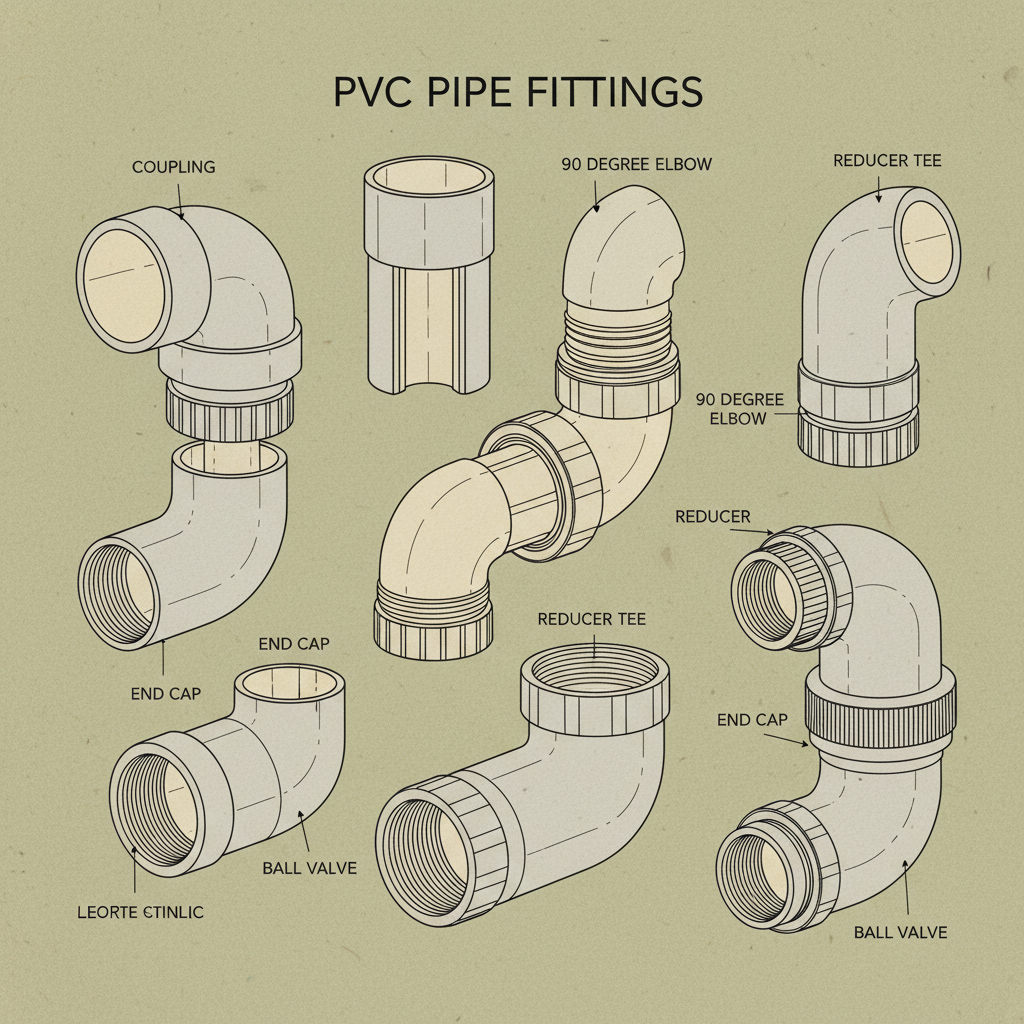
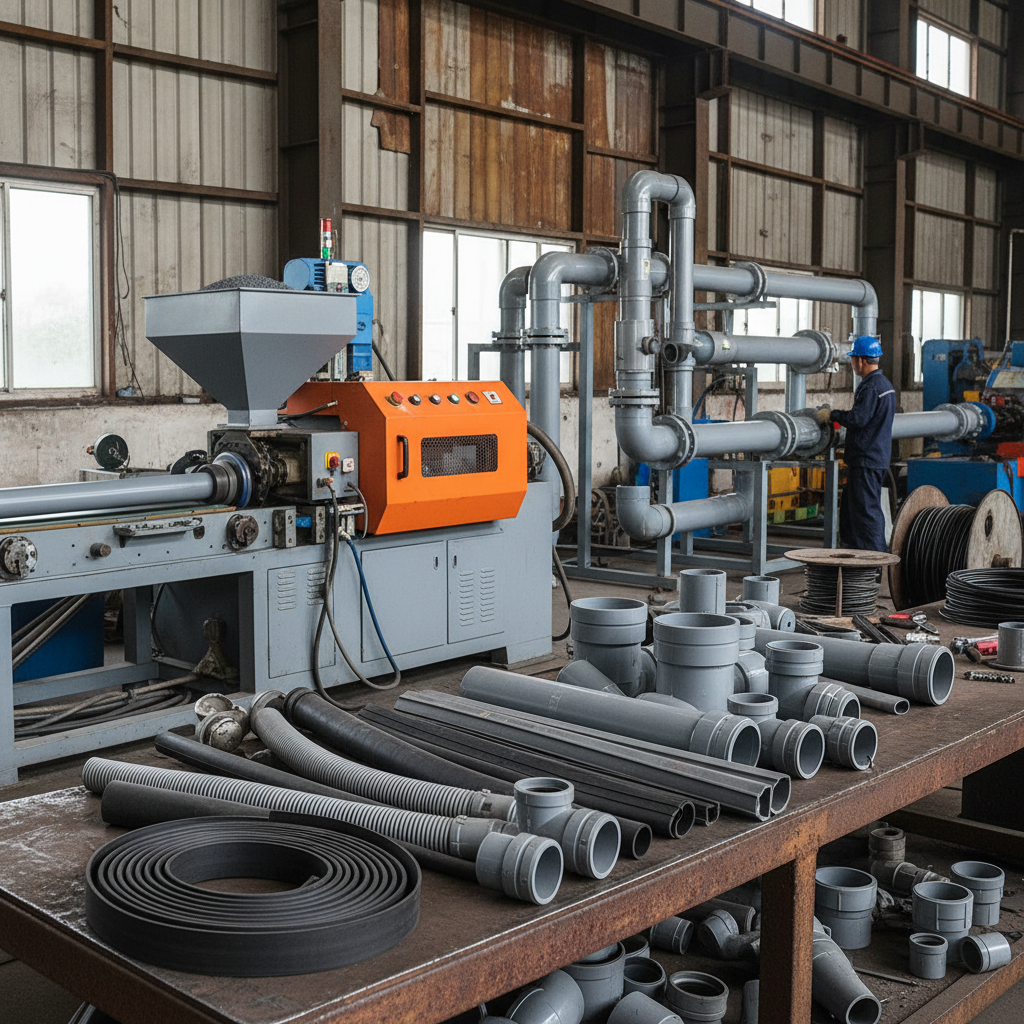
Plastic pipe fittings are components used to connect sections of plastic piping in a fluid or gas conveyance system. They come in a wide variety of shapes, sizes, and materials, each designed for specific applications and pressure ratings. These fittings facilitate changes in direction, branching, and the connection of different pipe diameters.
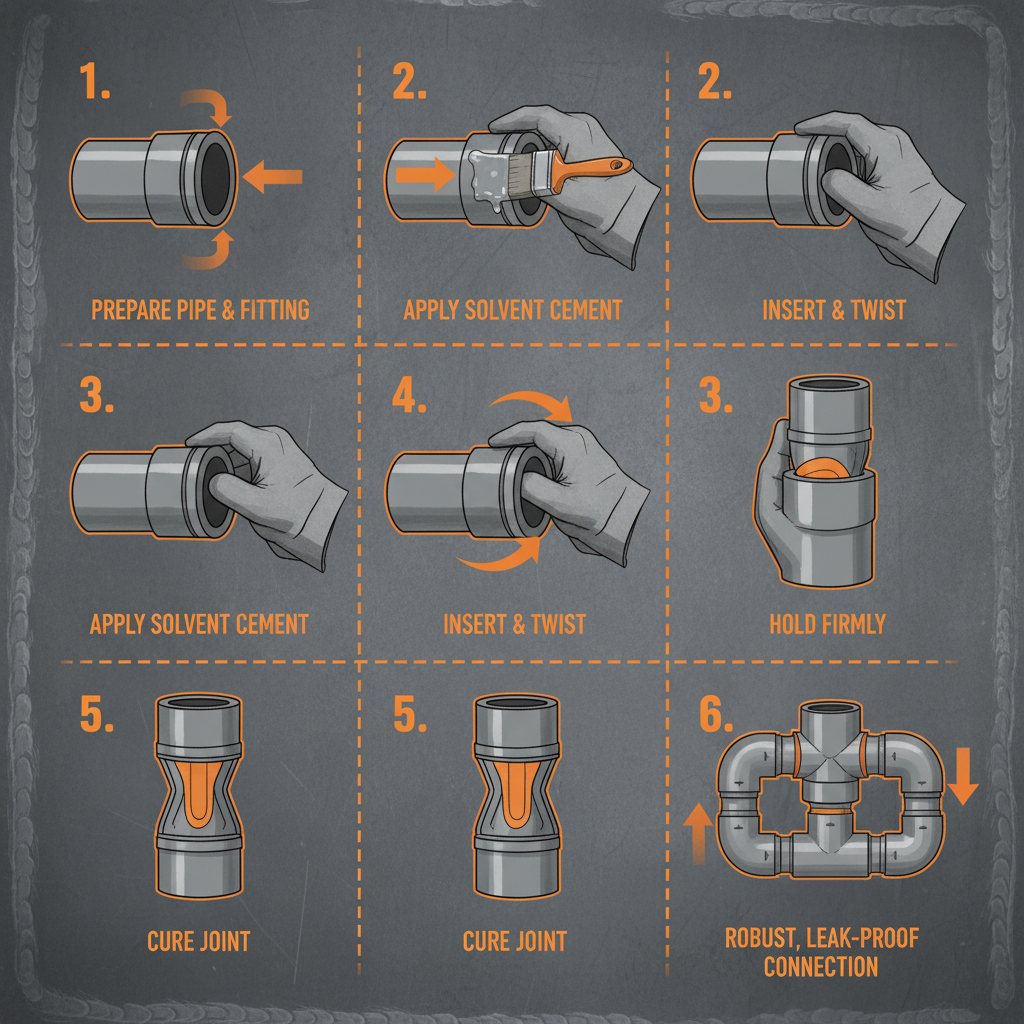
The connection between these fittings and the plastic piping is crucial for maintaining system integrity. Methods include solvent welding, threading, flanging, and mechanical compression, each offering varying degrees of strength and leak resistance.
In modern industry, plastic pipe fittings are integral to maintaining the functionality of critical systems. They also contribute to humanitarian needs by providing clean water and sanitation solutions in areas lacking traditional infrastructure. They provide a lightweight, durable, and often more affordable alternative to traditional metal fittings.
Key Characteristics of Plastic Pipe Fittings
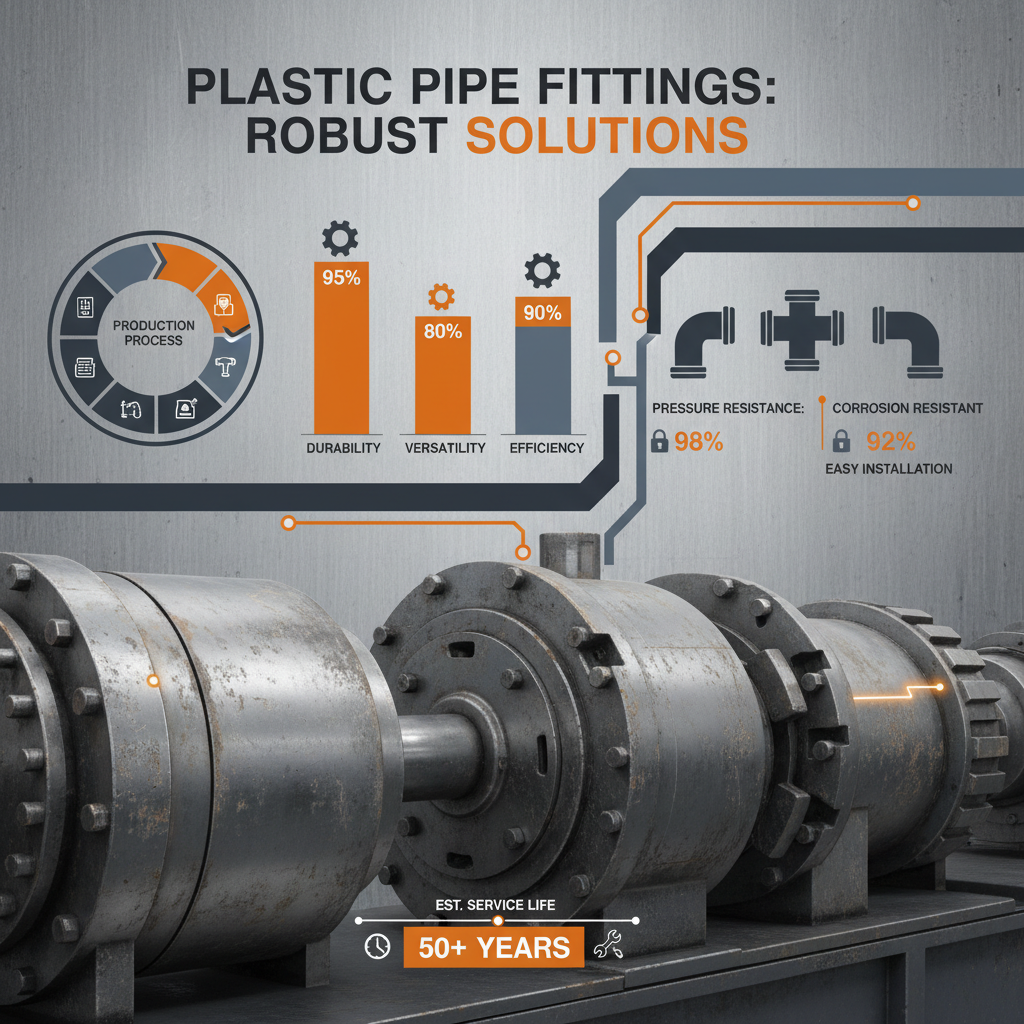
Durability is a primary characteristic of plastic pipe fittings. Unlike metal fittings, they are resistant to corrosion from a wide range of chemicals and environmental factors, extending their lifespan and reducing maintenance costs. This inherent resistance is particularly valuable in harsh environments.
Lightweight nature significantly reduces handling and installation costs. Plastic fittings are considerably lighter than their metal counterparts, making them easier to transport and maneuver on construction sites, reducing labor requirements and overall project timelines.
Cost-effectiveness is another key advantage. The materials and manufacturing processes for plastic pipe fittings are often less expensive than those for metal fittings, resulting in lower upfront costs for projects. This makes them a viable option for both large-scale infrastructure projects and smaller residential applications.
Core Components and Material Science
The performance of plastic pipe fittings is intricately linked to the materials they're made from. Polyvinyl Chloride (PVC) is a common choice due to its low cost and versatility, while Chlorinated Polyvinyl Chloride (CPVC) offers increased temperature resistance. Polypropylene (PP) is valued for its chemical resistance and flexibility.
Beyond the base polymer, additives play a critical role. UV stabilizers protect against degradation from sunlight, while impact modifiers enhance the fitting's ability to withstand physical stress. The careful selection of these additives determines the fitting's suitability for specific environments and applications.
Material Performance Comparison of plastic pipe fittings
Global Applications and Industry Impact
Plastic pipe fittings are ubiquitous in municipal water distribution systems, providing a reliable and corrosion-resistant solution for delivering potable water to homes and businesses. They are also extensively used in wastewater treatment plants for conveying effluent and managing sewage.
In the agricultural sector, plastic fittings are critical for irrigation systems, enabling efficient water delivery to crops. In post-disaster relief operations, their lightweight nature and ease of installation make them invaluable for quickly establishing temporary water and sanitation infrastructure.
Advantages and Long-Term Value Proposition
The initial cost savings associated with plastic pipe fittings are often offset by their extended lifespan and reduced maintenance requirements. The resistance to corrosion eliminates the need for frequent repairs or replacements, resulting in significant long-term cost benefits.
Environmentally, the reduced energy consumption during manufacturing and transportation contributes to a smaller carbon footprint. The potential for recycling plastic fittings further enhances their sustainability profile. They are also valued for contributing to safer systems, reducing the risk of leaks and contamination.
Reliability and trust are cornerstones of infrastructure. Using high-quality plastic pipe fittings helps build confidence in the long-term performance of systems, ensuring public safety and economic stability.
Future Trends and Technological Advancements
Research into bio-based plastics is gaining momentum, offering the potential to create plastic pipe fittings from renewable resources, further reducing their environmental impact. The development of smart fittings equipped with sensors to monitor pressure, flow, and temperature is also on the horizon, enabling proactive maintenance and leak detection.
Digital twins—virtual replicas of physical piping systems—are becoming increasingly common, utilizing data from sensors in plastic pipe fittings to optimize performance and predict potential failures. Automation in manufacturing processes is driving down costs and improving the consistency of plastic fitting production.
The integration of plastic pipe fitting technology with green energy initiatives, such as geothermal heating and cooling systems, represents a significant growth opportunity. These advancements solidify the role of plastic pipe fittings in a sustainable future.
Summary of Challenges and Solutions for Plastic Pipe Fittings
| Challenge |
Impact on plastic pipe fittings Performance |
Proposed Solution |
Implementation Cost (1-10) |
| UV Degradation |
Reduced lifespan, brittleness |
Use of UV stabilizers in material formulation |
3 |
| Temperature Sensitivity |
Deformation, cracking at extreme temperatures |
Selection of appropriate polymer (e.g., CPVC) |
5 |
| Chemical Compatibility |
Corrosion, swelling |
Material selection based on fluid composition |
4 |
| Joint Integrity |
Leakage, system failure |
Proper installation techniques, quality control |
6 |
| Recycling Challenges |
Low recycling rates, landfill waste |
Improved recycling infrastructure, design for recyclability |
7 |
| High Initial Costs |
Resistance to implementation, budget concerns |
Highlighting long-term cost savings |
2 |
FAQS
The most prevalent plastics include PVC (Polyvinyl Chloride), known for its affordability and versatility; CPVC (Chlorinated Polyvinyl Chloride), offering increased temperature resistance; PP (Polypropylene), valued for chemical resistance; and PEX (Cross-linked Polyethylene), favoured for flexibility and hot water applications. Each material is selected based on specific application requirements regarding pressure, temperature, and chemical exposure.
Accurately determining the size is crucial. You'll need to know the outer diameter (OD) and inner diameter (ID) of the pipe. Fittings are typically sized to match the pipe's OD. Consult pipe specifications or measure the pipe directly. Using the wrong size can lead to leaks and system failure.
Solvent welding creates a permanent, chemically bonded joint, offering superior strength and leak resistance. However, it requires proper ventilation and technique. Mechanical compression fittings are easier to install and disassemble, but may be more prone to leaks over time if not properly tightened. The choice depends on the application's requirements for permanence and ease of maintenance.
Resistance varies significantly with the type of plastic. PVC has a limited temperature range, while CPVC can handle higher temperatures. PEX is commonly used for hot water lines. Always check the manufacturer's specifications to ensure the fitting is suitable for the intended temperature range. Exposure beyond the recommended limits can lead to deformation or failure.
Yes, many plastic pipe fittings are specifically designed and certified for use in potable water systems. These fittings are manufactured from materials that meet stringent health and safety standards, ensuring they do not leach harmful chemicals into the water supply. Look for NSF/ANSI certifications to ensure compliance.
The lifespan depends on factors like material type, environmental conditions, and proper installation. Generally, PVC and CPVC fittings can last 50+ years, while PEX can last 25-40 years. Regular inspection and maintenance can extend the lifespan. UV exposure and extreme temperatures can accelerate degradation.
Conclusion
Plastic pipe fittings have become indispensable components in modern infrastructure, offering a compelling combination of durability, cost-effectiveness, and versatility. Their adaptability to diverse applications, from potable water systems to industrial processing, underscores their global significance. Furthermore, ongoing advancements in materials science and manufacturing techniques are driving further innovation and sustainability in this field.
Looking ahead, embracing bio-based plastics, investing in improved recycling infrastructure, and promoting the adoption of smart fitting technologies will be crucial for maximizing the long-term benefits of plastic pipe fittings. To explore the range of solutions available and find the right fittings for your needs, visit our website: www.fygasketfactory.com