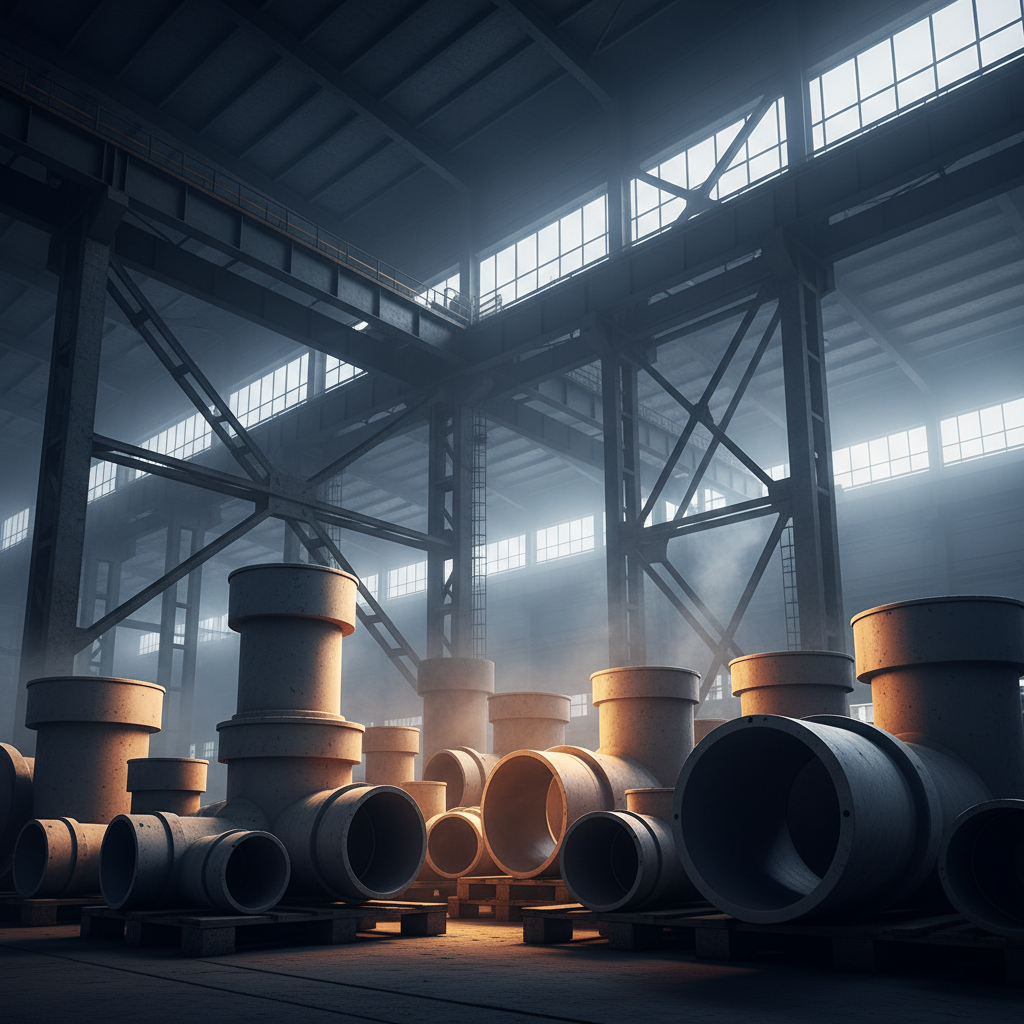
PVC pipe and accessories are fundamental components of modern infrastructure, quietly enabling the delivery of essential resources like water, gas, and waste management systems worldwide. Their versatility, durability, and cost-effectiveness have made them indispensable in construction, agriculture, and various industrial applications. Understanding the properties and applications of pvc pipe and accessories is crucial for professionals and anyone involved in building and maintaining sustainable systems.
Globally, the demand for pvc pipe and accessories continues to rise, driven by population growth, urbanization, and the need for improved sanitation and water management. From large-scale municipal projects to individual residential plumbing, these materials play a critical role in public health and economic development. Innovations in pvc formulations and manufacturing techniques are constantly enhancing performance and sustainability.
The widespread adoption of pvc pipe and accessories isn’t just about convenience; it’s about providing reliable, long-lasting solutions to complex challenges. As we face increasing environmental concerns and infrastructure demands, understanding the benefits of these materials becomes even more important for creating a resilient and sustainable future.
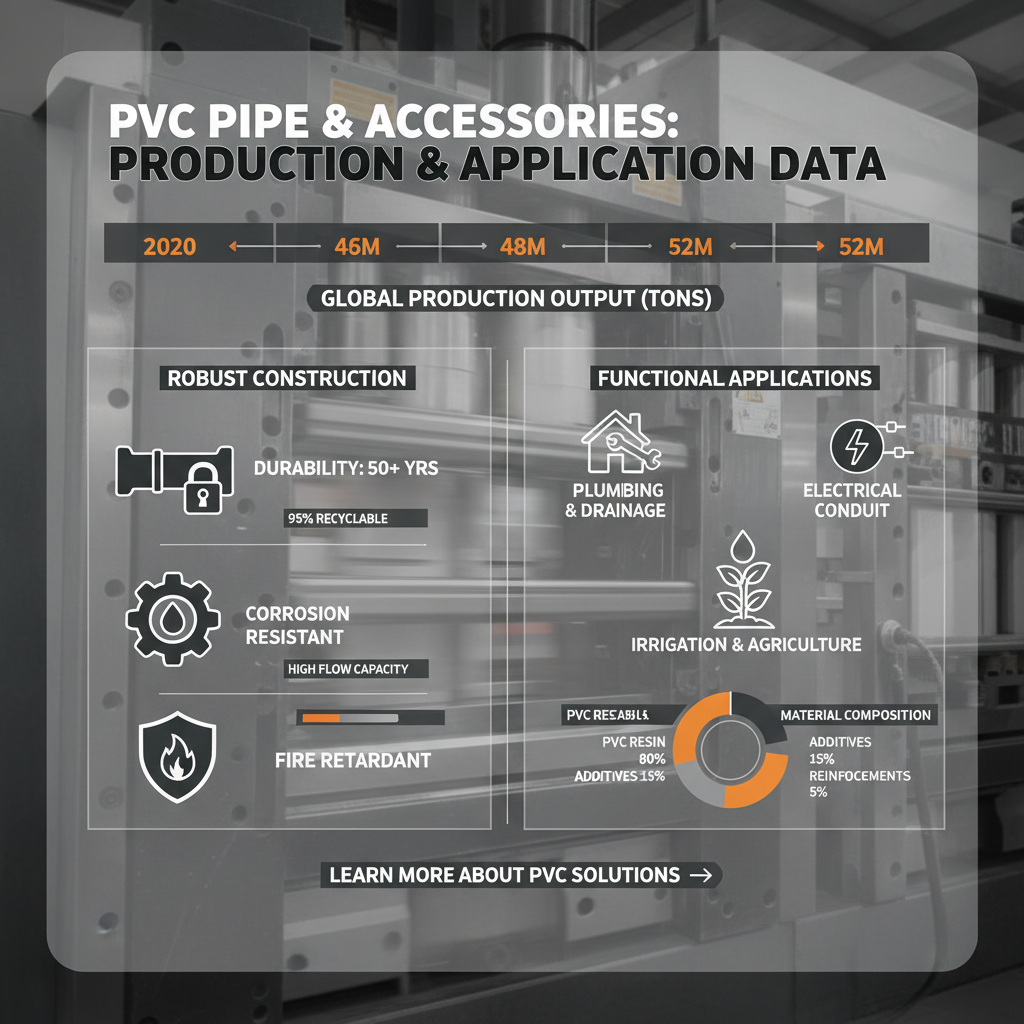
The significance of pvc pipe and accessories extends far beyond simple plumbing. It’s a cornerstone of modern infrastructure, enabling efficient water distribution, wastewater management, and irrigation systems. The reliability and affordability of these components make them crucial for both developed and developing nations.
Furthermore, the development and refinement of pvc formulations have led to specialized applications, such as high-pressure industrial piping and chemical transfer systems. This adaptability demonstrates the material’s versatility and its continued relevance in a constantly evolving world.
PVC pipes come in a wide range of diameters, typically ranging from ½ inch to 12 inches or even larger for industrial applications. Schedules (e.g., Schedule 40, Schedule 80) indicate wall thickness and pressure ratings. Accessories are similarly available in corresponding sizes to ensure compatibility and a leak-proof connection. Choosing the right size depends on the flow rate and pressure requirements of your specific application.
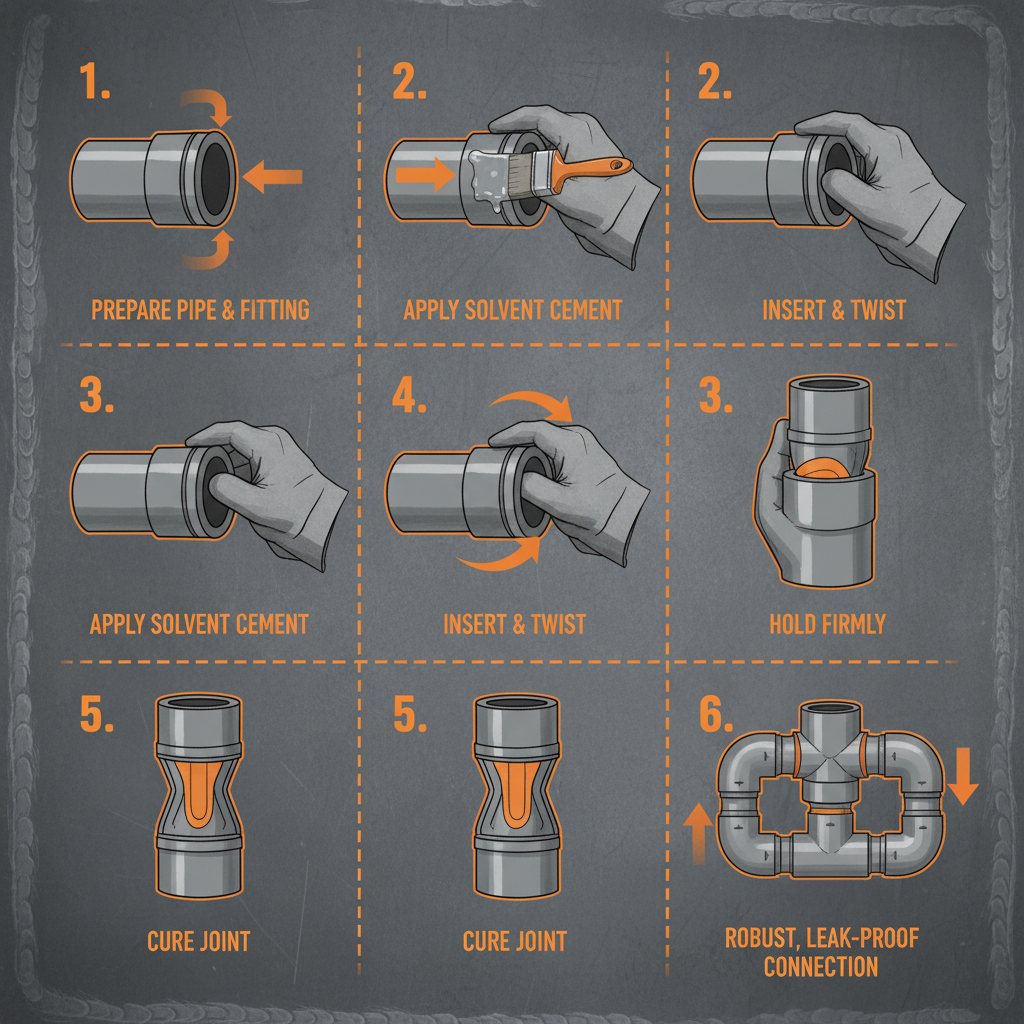
Proper gluing involves several steps. First, clean and deburr both surfaces. Next, apply a primer to soften the PVC and improve adhesion. Immediately follow with PVC cement, applying it evenly around the outside of the pipe and inside the fitting. Quickly insert the pipe fully into the fitting and hold it firmly for about 30 seconds to allow the cement to set. Ensure adequate ventilation during the process.
Standard PVC is not recommended for hot water applications exceeding 140°F (60°C). High temperatures can cause the PVC to soften and potentially fail. CPVC (Chlorinated Polyvinyl Chloride) is a modified form of PVC specifically designed for hot water systems. CPVC has a higher temperature resistance and is a suitable alternative for these applications. Always check the temperature rating of the specific material before use.
The schedule of a PVC pipe determines its wall thickness and pressure rating. Schedule 40 is commonly used for general-purpose applications with moderate pressure. Schedule 80 offers a thicker wall and higher pressure rating, making it suitable for industrial and demanding applications. Consult a plumbing professional or refer to pressure rating charts to determine the appropriate schedule for your specific needs.
PVC production can have environmental impacts. However, PVC is recyclable, and efforts are underway to develop bio-based PVC alternatives. Proper disposal is crucial. Many communities offer PVC recycling programs. Choosing durable, long-lasting PVC systems reduces the need for frequent replacements, minimizing waste and resource consumption.
Avoid dropping or subjecting PVC to impact. Store pipes in a shaded area to prevent UV degradation. When cutting PVC, use a specialized PVC cutter or a fine-tooth saw to ensure a clean, square cut. Always deburr the cut edges to remove any sharp edges that could compromise the seal. Proper handling and installation techniques are essential for a long-lasting, reliable system.
In conclusion, pvc pipe and accessories are indispensable components of modern infrastructure, offering a unique combination of durability, cost-effectiveness, and versatility. From supplying clean water to managing waste and enabling agricultural advancements, these materials play a vital role in improving the quality of life for communities worldwide. Understanding their properties, applications, and future trends is essential for professionals and anyone involved in building and maintaining sustainable systems.
Looking ahead, continued innovation in PVC formulations, manufacturing processes, and integration with smart technologies will further enhance the sustainability and performance of these materials. Embracing these advancements is crucial for addressing the challenges of a growing population and a changing climate, ensuring reliable and efficient infrastructure for generations to come. Visit our website at www.fygasketfactory.com to learn more about our comprehensive range of pvc pipe and accessories.