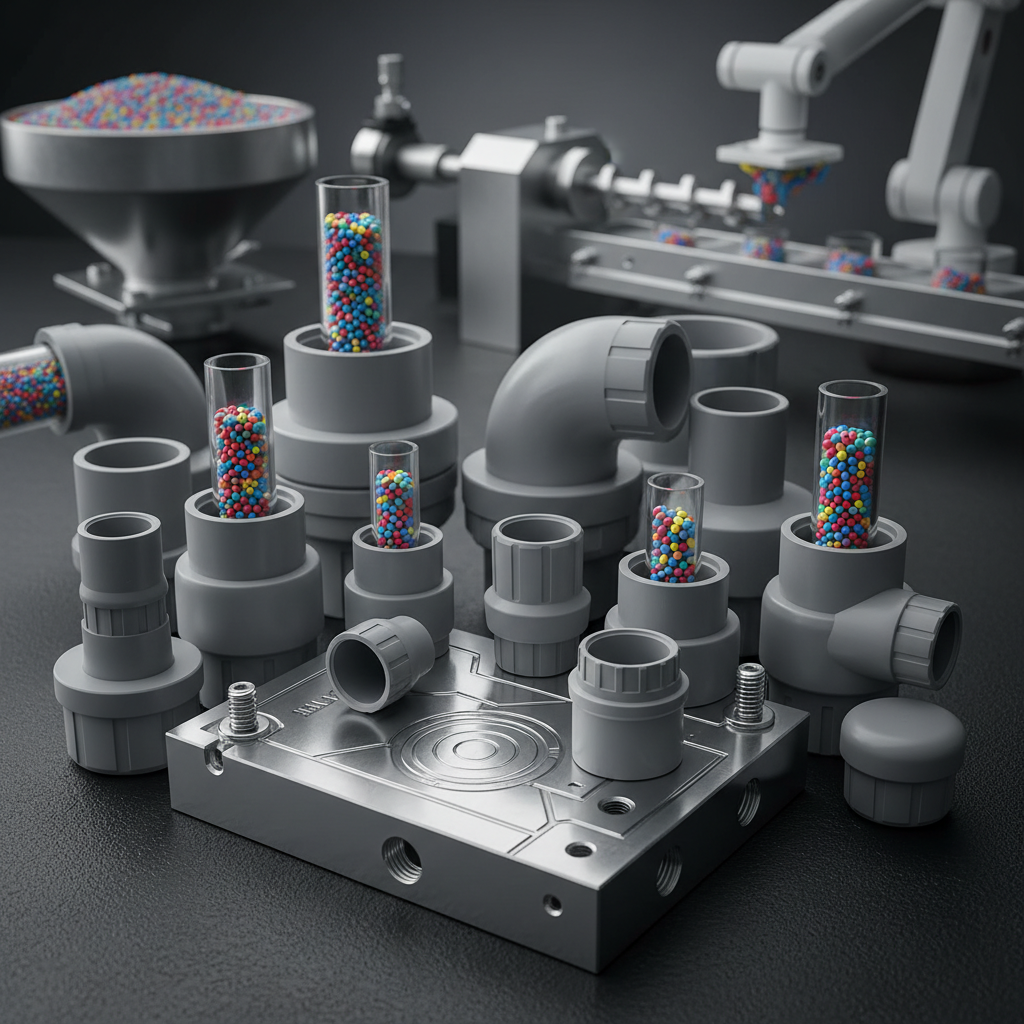
pvc fittings are ubiquitous in modern infrastructure, spanning residential plumbing to large-scale industrial applications. Their versatility and cost-effectiveness have made them a cornerstone of fluid management systems globally. Understanding their properties, applications, and future trends is vital for engineers, contractors, and anyone involved in building and maintaining essential services.
The global market for pvc fittings is substantial, driven by factors like rapid urbanization, increasing demand for clean water, and expanding agricultural needs. According to recent industry reports, the market is projected to continue its growth trajectory, with a significant portion of demand originating from developing economies. This growth underscores the critical role of pvc fittings in supporting sustainable development.
Essentially, pvc fittings facilitate the connection of pipes and tubing in various systems, ensuring the safe and efficient transport of liquids and gases. They address the fundamental need for reliable infrastructure, improving public health, enhancing agricultural productivity, and enabling industrial processes, solidifying their place in our modern world.
The Significance of pvc fittings
pvc fittings are fundamental components in a vast array of systems, quietly enabling the flow of essential resources. Their importance often goes unnoticed, yet they are critical for public health, industrial efficiency, and agricultural productivity. Without reliable pvc fittings, modern life as we know it would be significantly hampered.
The widespread adoption of pvc fittings isn’t accidental; it’s a testament to their unique combination of properties, including durability, corrosion resistance, and cost-effectiveness. These characteristics have made them a preferred choice over traditional materials like metal, particularly in applications where longevity and minimal maintenance are crucial.
Defining pvc fittings
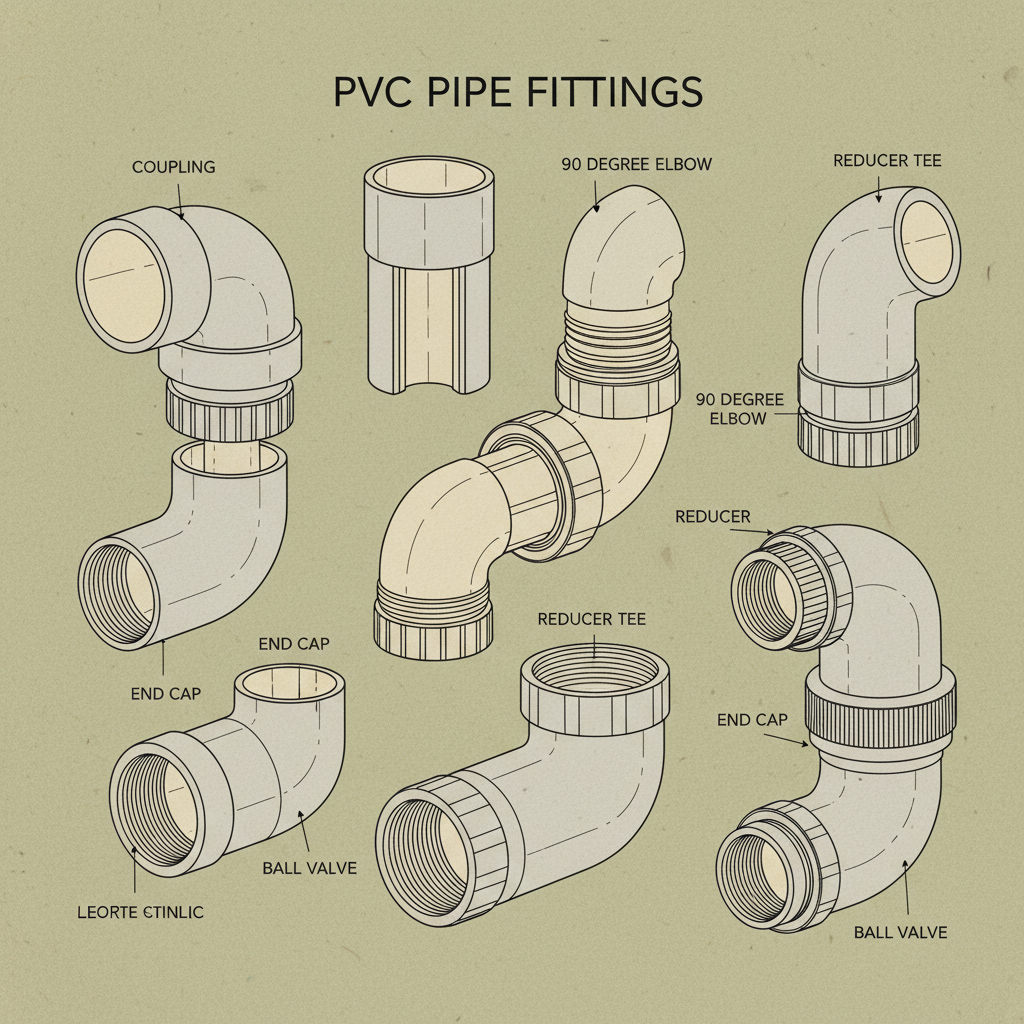
pvc fittings are components used to join sections of polyvinyl chloride (PVC) piping in a plumbing system. They come in a variety of shapes and sizes, each designed for a specific purpose, such as connecting straight pipe sections, changing direction, or branching off to multiple outlets. They are essential for creating leak-proof and durable piping networks.
Their connection to modern industry stems from the material's inherent qualities – PVC is lightweight, strong, and relatively inexpensive to produce. This makes pvc fittings ideal for large-scale infrastructure projects. The humanitarian aspect lies in their ability to deliver clean water and sanitation, vital for public health and well-being, particularly in developing regions.
Specifically, these fittings are engineered to create secure junctions in piping systems used for water distribution, irrigation, sewage disposal, and various industrial applications. Their standardized designs ensure compatibility across different pipe sizes and configurations, contributing to the overall efficiency and reliability of fluid handling systems.
Core Characteristics of pvc fittings
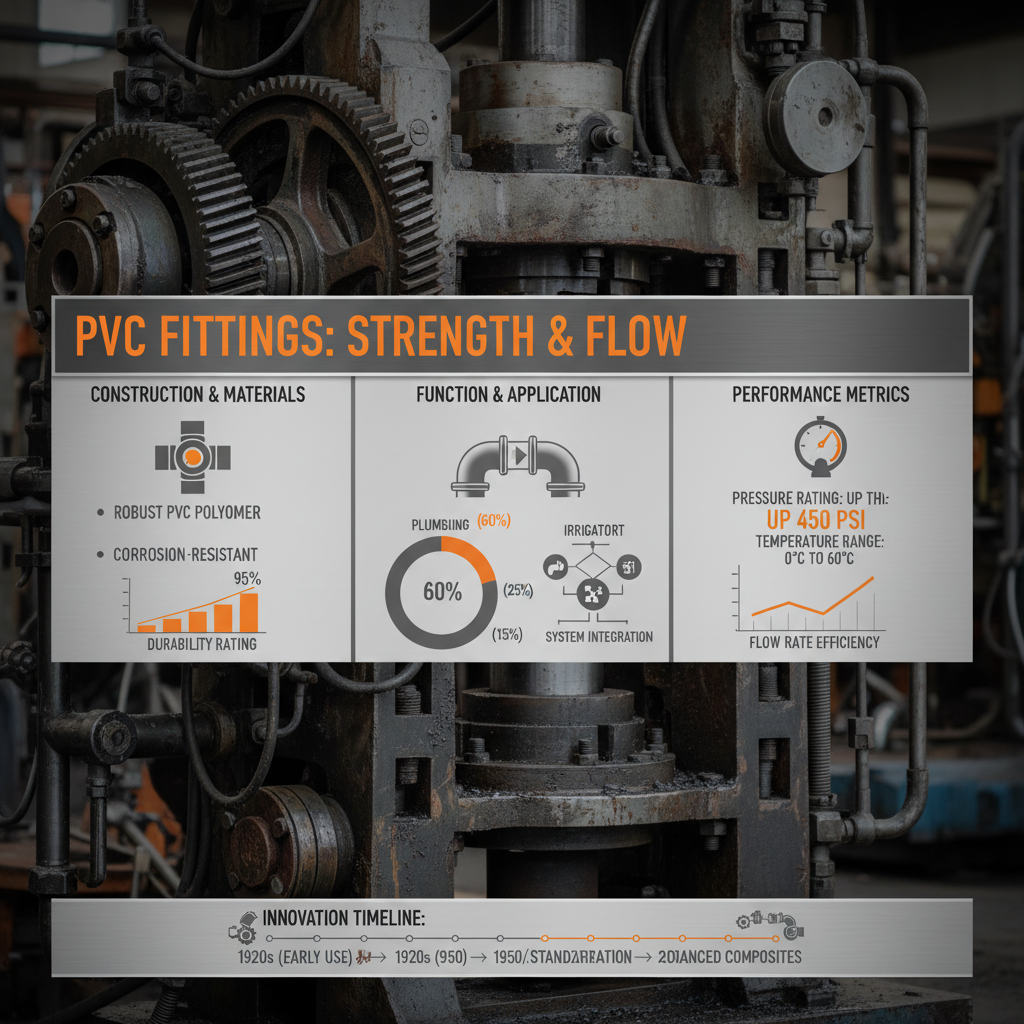
Durability is a hallmark of pvc fittings. They are resistant to corrosion, chemicals, and physical impact, ensuring a long service life with minimal maintenance. This is particularly valuable in harsh environments or applications involving aggressive substances.
Cost-efficiency is another key advantage. Compared to metal alternatives, pvc fittings are significantly less expensive, reducing overall project costs without compromising performance. This makes them accessible for a wider range of applications and budgets.
Lightweight nature makes handling and installation significantly easier, reducing labor costs and project timelines. This is especially beneficial in remote locations or projects with limited access. Furthermore, pvc fittings exhibit excellent electrical insulation properties, adding an extra layer of safety to installations.
Applications Across Industries
pvc fittings are extensively used in residential plumbing, providing reliable connections for water supply and drainage systems. Their ease of installation and cost-effectiveness make them a standard choice for new construction and renovations.
In agriculture, pvc fittings are crucial for irrigation systems, delivering water efficiently to crops and minimizing water waste. Their resistance to corrosion and chemicals ensures a long-lasting and reliable irrigation infrastructure.
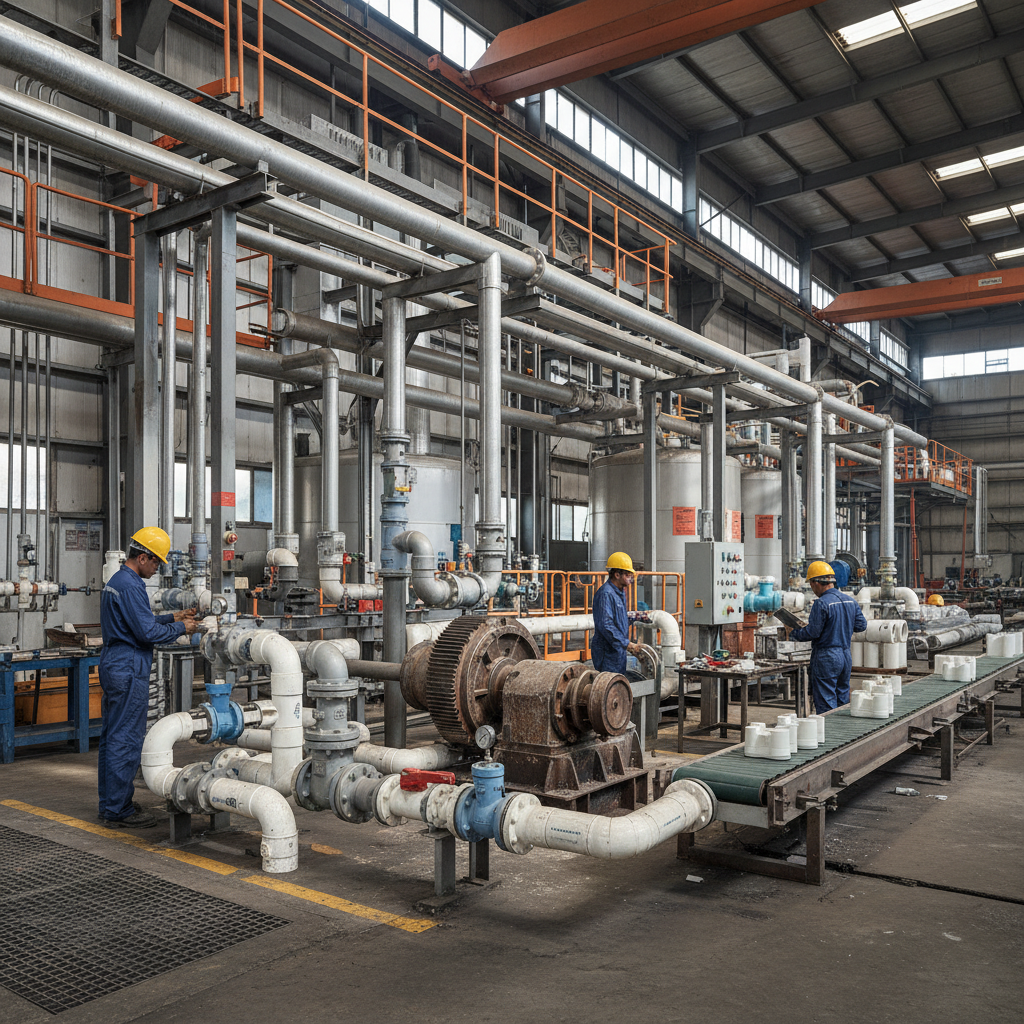
The industrial sector utilizes pvc fittings for chemical processing, wastewater treatment, and fluid transport in various manufacturing processes. Their ability to withstand harsh chemicals and high pressures makes them ideal for demanding industrial environments.
Usage Breakdown of Different pvc fittings Types
Advantages and Long-Term Value
The cost savings associated with pvc fittings are substantial, not only in material costs but also in reduced labor and maintenance expenses. Their ease of installation and long lifespan contribute to significant long-term financial benefits.
From a sustainability perspective, pvc fittings contribute to water conservation through leak-proof connections in irrigation and water distribution systems. This reduces water waste and promotes responsible resource management.
Future Innovations in pvc fittings
Ongoing research and development are focusing on enhancing the strength and durability of pvc fittings through the incorporation of advanced polymers and additives. These innovations aim to extend their lifespan and expand their application range.
Smart pvc fittings, equipped with sensors and communication capabilities, are emerging as a potential future trend. These fittings could monitor flow rates, pressure, and leak detection, enabling proactive maintenance and optimized system performance.
Furthermore, the development of bio-based PVC alternatives is gaining momentum, offering a more sustainable and environmentally friendly option for pvc fittings production.
Challenges and Sustainable Solutions
One challenge associated with pvc fittings is their susceptibility to temperature fluctuations, which can cause expansion and contraction. Proper installation techniques and the use of expansion joints can mitigate this issue.
The environmental impact of PVC production and disposal is another concern. Promoting recycling initiatives and developing biodegradable PVC alternatives are crucial steps towards addressing this challenge. Responsible waste management and circular economy principles are essential.
Improving the traceability of pvc fittings throughout the supply chain is also critical to ensuring quality and preventing the use of substandard materials. Implementing stricter quality control standards and certification programs can enhance product reliability and safety.
Summary of Challenges and Sustainable Solutions for pvc fittings
| Challenge |
Impact Severity (1-10) |
Potential Solution |
Implementation Cost (1-10) |
| Thermal Expansion/Contraction |
6 |
Utilize Expansion Joints & Proper Installation |
2 |
| PVC Production Environmental Impact |
8 |
Develop Bio-Based PVC Alternatives & Recycling Programs |
7 |
| Material Degradation over Time |
5 |
Utilize UV Stabilizers & High-Quality PVC Compounds |
4 |
| Substandard Material Quality |
7 |
Implement Stricter Quality Control & Certification Standards |
6 |
| Leakage at Joint Connections |
6 |
Proper Solvent Cement Application & Joint Preparation |
1 |
| Disposal & End-of-Life Management |
7 |
Establish Robust Recycling Infrastructure & Extended Producer Responsibility |
5 |
FAQS
Schedule 40 and Schedule 80 pvc fittings differ primarily in wall thickness. Schedule 80 fittings have thicker walls, offering greater pressure resistance and durability. Schedule 40 is sufficient for many residential and light commercial applications, while Schedule 80 is preferred for high-pressure systems, industrial applications, or where enhanced safety is critical. Choosing the correct schedule depends on the specific application's pressure requirements and safety considerations.
Directly connecting pvc fittings to copper pipes isn't recommended due to differing thermal expansion rates and potential corrosion issues. However, transition fittings are available that allow for a secure and reliable connection between the two materials. These fittings typically incorporate dielectric unions or adapters to prevent galvanic corrosion and accommodate thermal movement. Proper installation with the correct transition fittings is crucial for a long-lasting connection.
Selecting the right solvent cement depends on the specific application and the type of pvc fittings being used. Generally, a primer and cement combination specifically formulated for PVC is recommended. Ensure the cement is compatible with the PVC pipe and fittings, and follow the manufacturer's instructions carefully. Different cements are available for various temperatures and pressures, so choose accordingly.
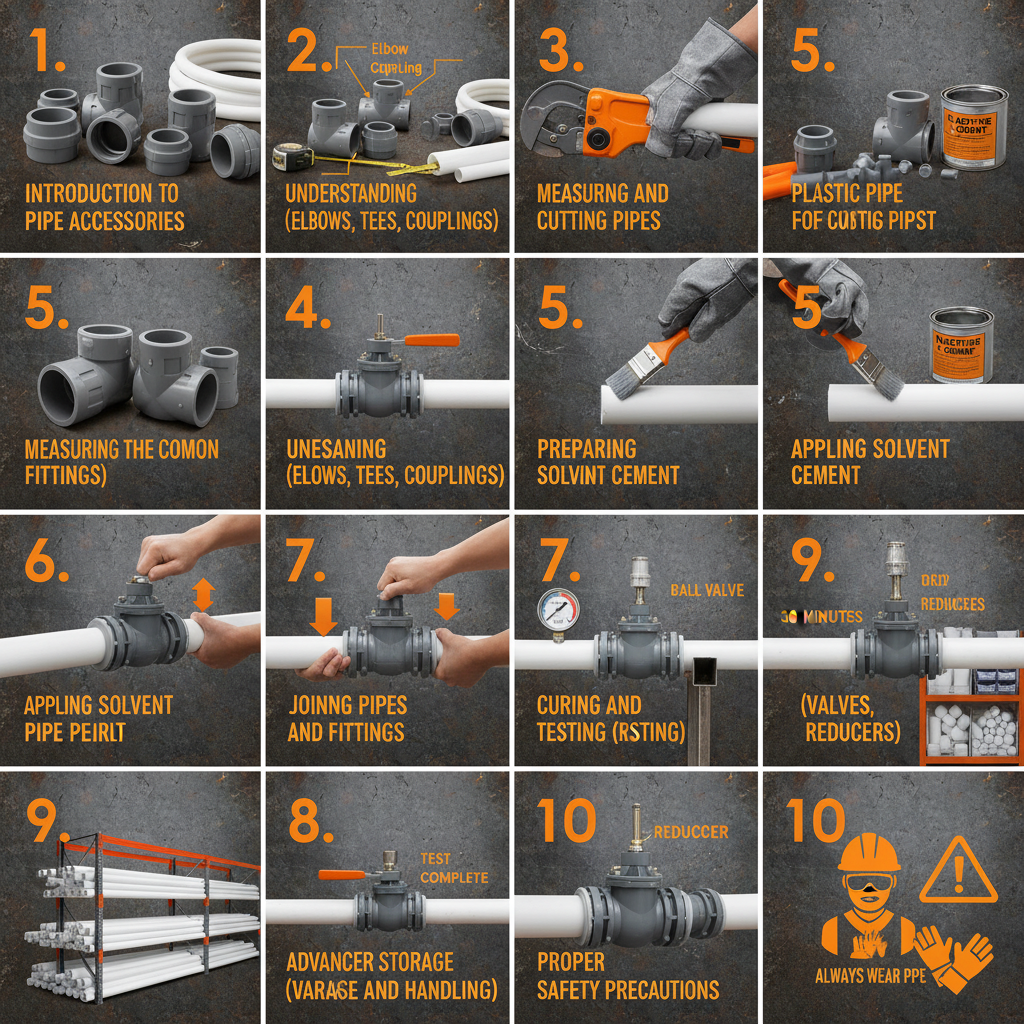
Proper preparation is vital for a strong, leak-proof joint. First, cut the pipe cleanly and deburr the edges. Then, apply PVC primer to both the pipe and the inside of the fitting. The primer softens the PVC, preparing it for bonding. Immediately after priming, apply solvent cement evenly around the pipe and inside the fitting. Insert the pipe fully into the fitting and twist slightly to ensure even cement distribution. Hold firmly for a few seconds until the joint sets.
Yes, pvc fittings specifically formulated for potable water systems are safe for delivering drinking water. These fittings are manufactured from materials that meet stringent health and safety standards, ensuring they don't leach harmful chemicals into the water supply. Always verify that the fittings are labeled as suitable for potable water applications before using them in such systems.
A properly installed pvc piping system can have a lifespan of 50 years or more. Factors influencing longevity include the quality of the materials, proper installation techniques, and environmental conditions. Regular inspections and maintenance can help identify and address potential issues early on, maximizing the lifespan of the system. Protecting the piping from direct sunlight and extreme temperatures is also crucial.
Conclusion
In conclusion, pvc fittings represent a foundational element of modern infrastructure, offering a compelling combination of durability, cost-effectiveness, and versatility. Their wide-ranging applications, from residential plumbing to large-scale industrial systems, highlight their importance in supporting essential services and enhancing quality of life. Understanding their properties and proper installation techniques is crucial for engineers, contractors, and anyone involved in fluid management.
Looking ahead, ongoing innovations in materials science and sustainable practices will continue to shape the future of pvc fittings. The development of bio-based alternatives, smart fittings, and enhanced recycling programs will address environmental concerns and further expand their application potential. Visit our website at www.fygasketfactory.com to learn more about our comprehensive range of pvc fittings and solutions.