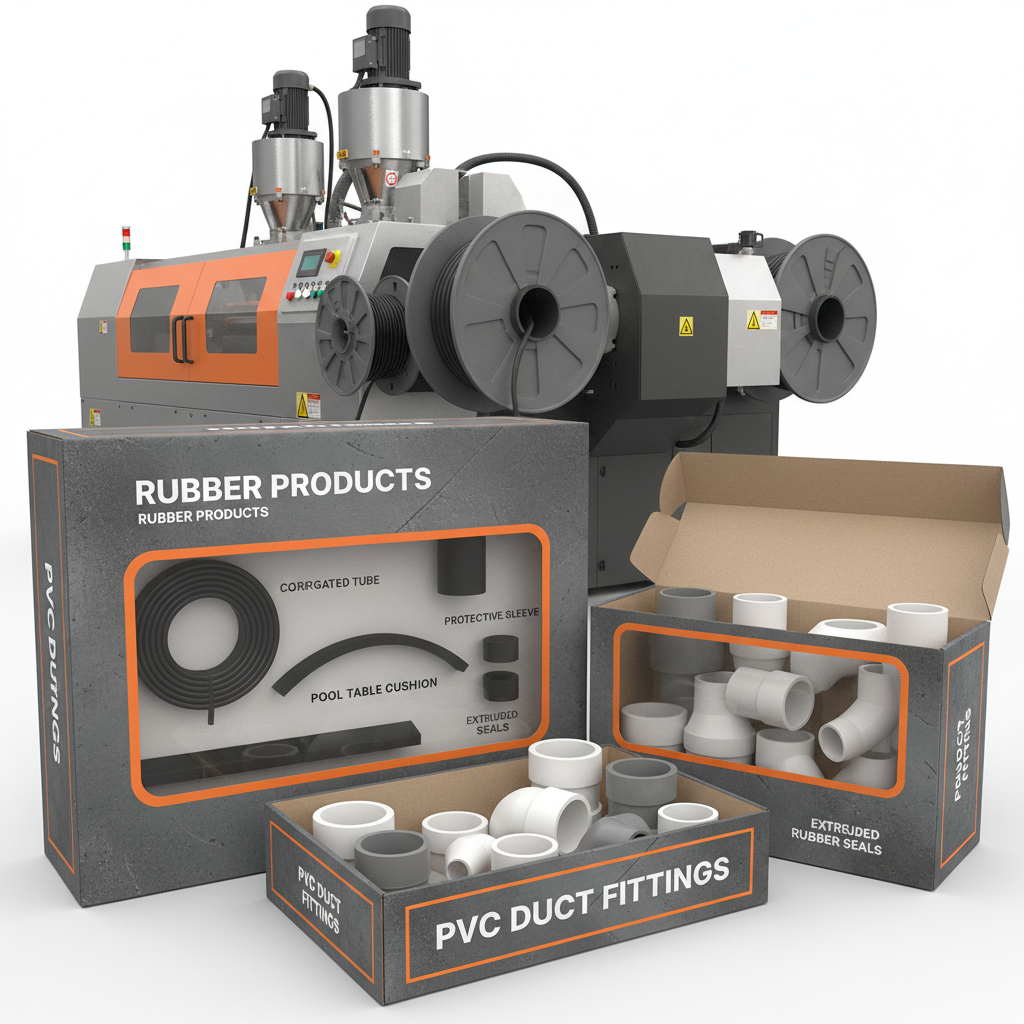
pvc pipe fittings are foundational components in modern infrastructure, spanning diverse applications from potable water distribution to complex industrial processes. Their versatility, durability, and cost-effectiveness have cemented their position as a preferred material across the globe. Understanding the nuances of pvc pipe fittings – their types, applications, and evolving standards – is crucial for engineers, construction professionals, and anyone involved in the planning and maintenance of fluid conveyance systems.
The global market for pvc pipe fittings is experiencing consistent growth, driven by urbanization, infrastructure development in emerging economies, and increasing demand for efficient water management solutions. According to reports from UN-Habitat, access to safe and reliable water sources remains a significant challenge for billions worldwide, highlighting the critical role of robust piping systems. The simplicity of installation and long-term reliability of these fittings contribute to reduced lifecycle costs, making them a financially sound choice for large-scale projects.
However, this growth also presents challenges, including the need for sustainable manufacturing practices, responsible disposal of pvc materials, and ongoing research into innovative formulations that enhance performance and minimize environmental impact. Addressing these concerns is vital for ensuring the long-term viability of pvc pipe fittings as a cornerstone of modern infrastructure.
Introduction to pvc pipe fittings
pvc pipe fittings, encompassing a diverse range of connectors, elbows, tees, and valves, are indispensable for creating leak-proof and efficient piping systems. Their role extends far beyond simple plumbing; they are critical components in irrigation systems, chemical processing plants, and even medical gas delivery networks. The inherent properties of polyvinyl chloride (pvc) – its resistance to corrosion, chemical reactivity, and mechanical stress – make these fittings highly reliable in challenging environments.
The adoption of pvc pipe fittings has significantly reduced infrastructure maintenance costs and improved public health by minimizing water contamination risks. Furthermore, the lightweight nature of pvc simplifies installation, reducing labor costs and project timelines. Continued innovation in pvc formulations promises even greater durability and sustainability, solidifying the future of these versatile components.
Defining pvc Pipe Fittings
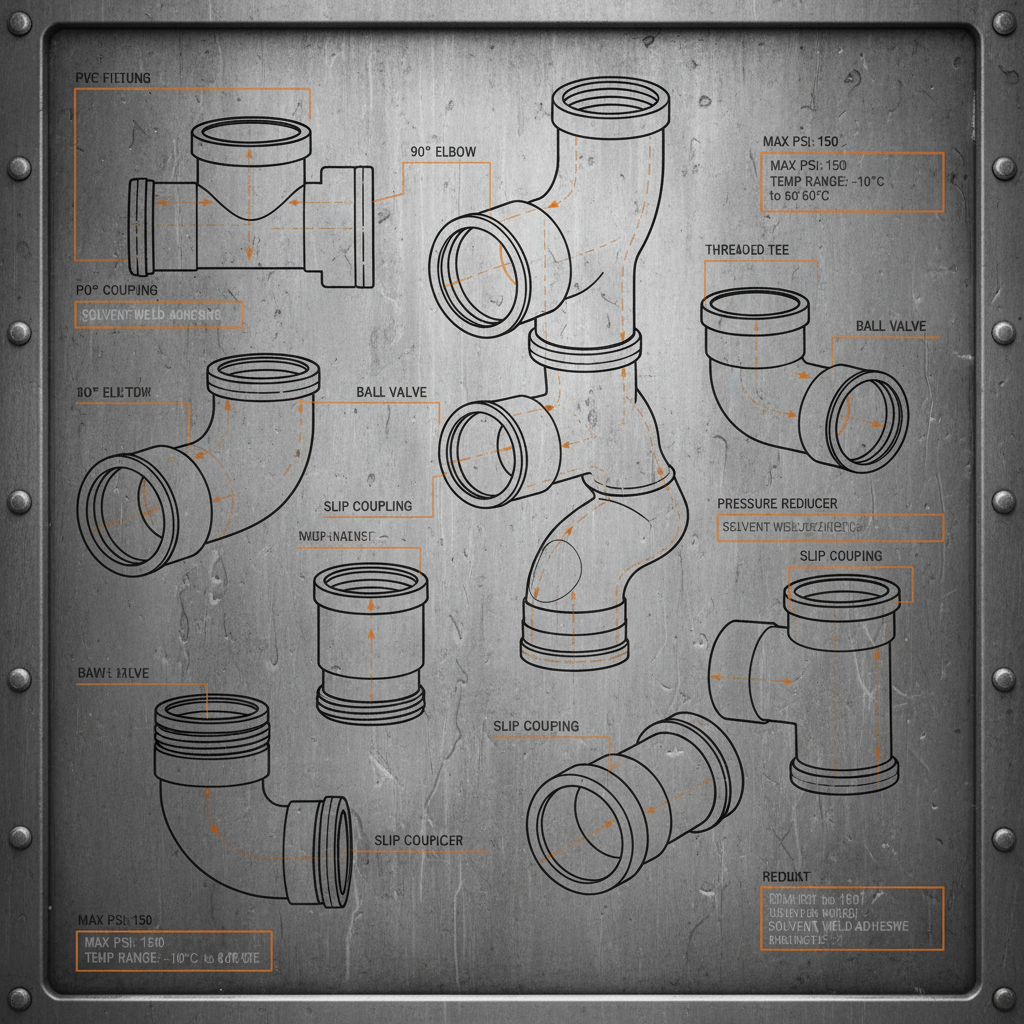
pvc pipe fittings are components used to join, terminate, change direction, or regulate flow within pvc pipe systems. They are typically molded from rigid or flexible pvc compounds and come in a vast array of shapes and sizes to accommodate various piping configurations. Common types include elbows for changing direction, tees for branching lines, couplings for joining pipes, and valves for controlling flow.
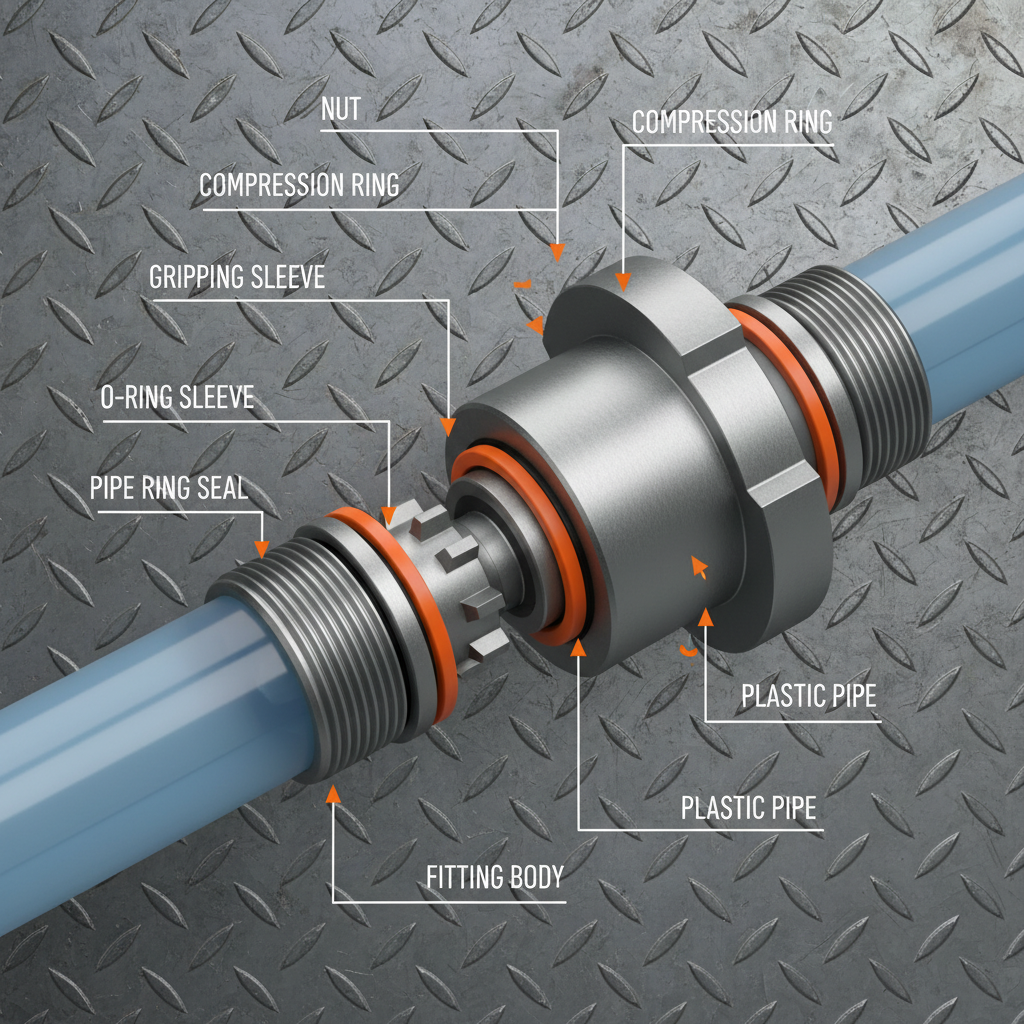
The connection between pvc pipe and fittings is usually achieved through solvent welding (chemical bonding), threaded connections, or mechanical compression fittings. Solvent welding provides a particularly strong and leak-proof joint, ideal for high-pressure applications. These fittings are essential for delivering safe and efficient fluid transport, contributing significantly to public health, industrial processes, and agricultural productivity.
Understanding the specific application is crucial when selecting the appropriate pvc pipe fitting. Factors such as pressure requirements, temperature, and the type of fluid being conveyed all influence the choice of material and connection method.
Core Characteristics of pvc Pipe Fittings
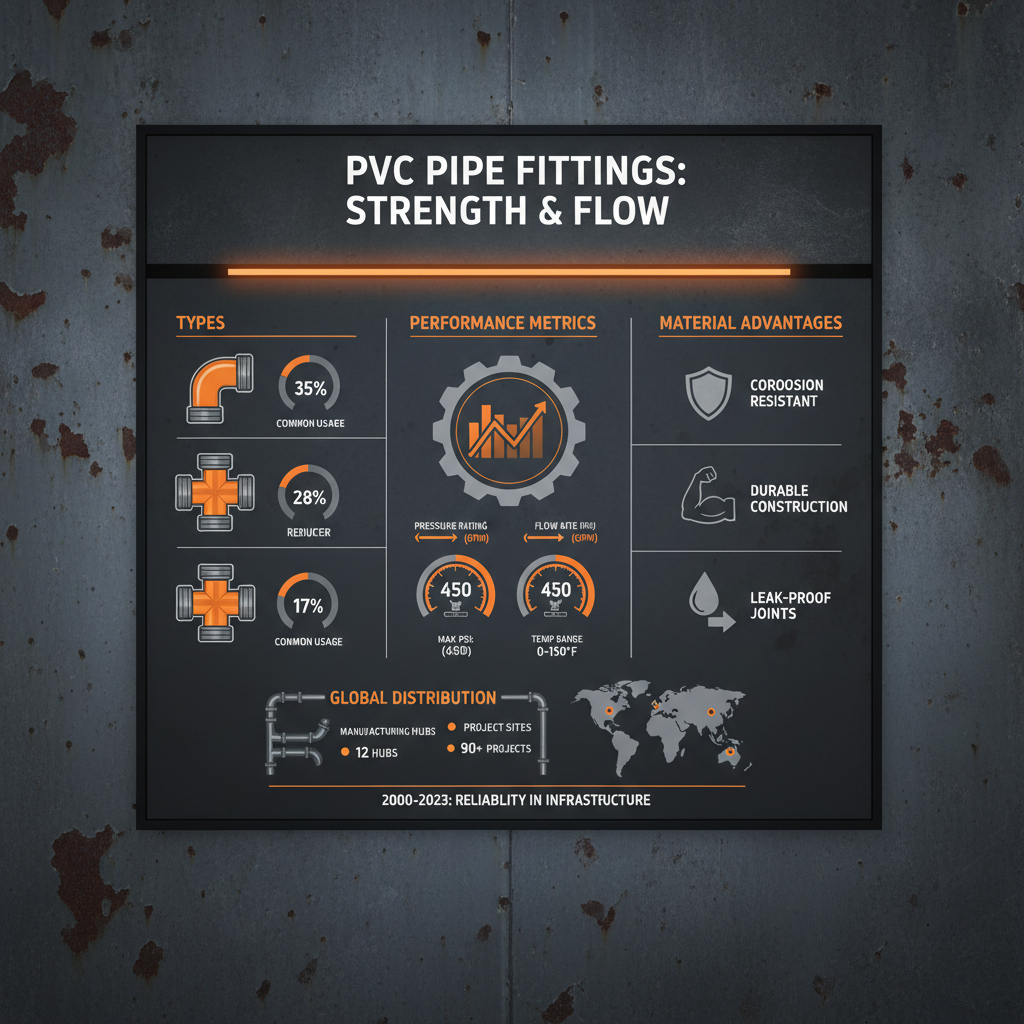
Durability is a hallmark of pvc pipe fittings. pvc is inherently resistant to corrosion, rust, and many chemicals, ensuring a long service life even in harsh environments. This resistance minimizes maintenance and replacement costs, making pvc fittings a cost-effective solution over the long term.
Cost-efficiency is another significant advantage. pvc is a relatively inexpensive material compared to metal alternatives like copper or stainless steel. Combined with the ease of installation, this translates to lower project costs and quicker returns on investment. This accessibility makes reliable piping systems achievable even in budget-constrained projects.
Lightweight nature greatly simplifies handling and installation. pvc fittings are significantly lighter than their metal counterparts, reducing labor requirements and making projects faster to complete. This benefit is particularly pronounced in large-scale infrastructure projects.
Global Applications of pvc Pipe Fittings
pvc pipe fittings find widespread application across numerous industries and regions. In the agricultural sector, they are critical for irrigation systems, delivering water efficiently to crops and maximizing yields. In municipal water distribution networks, they provide a reliable and hygienic means of transporting potable water to homes and businesses.
Industrial applications are equally diverse, ranging from chemical processing plants to wastewater treatment facilities. pvc’s resistance to corrosive chemicals makes it ideal for handling a wide range of fluids. In post-disaster relief operations, the lightweight and ease of assembly of pvc piping systems make them invaluable for establishing temporary water supplies and sanitation facilities.
Specifically, in Southeast Asia, expanding infrastructure projects rely heavily on pvc pipe fittings for water management. Similarly, in remote industrial zones of Australia, pvc provides a durable and cost-effective solution for transporting resources. Furthermore, the construction boom in Africa is driving increased demand for reliable and affordable piping systems based on pvc.
Application Suitability of Different pvc Pipe Fittings
Advantages and Long-Term Value
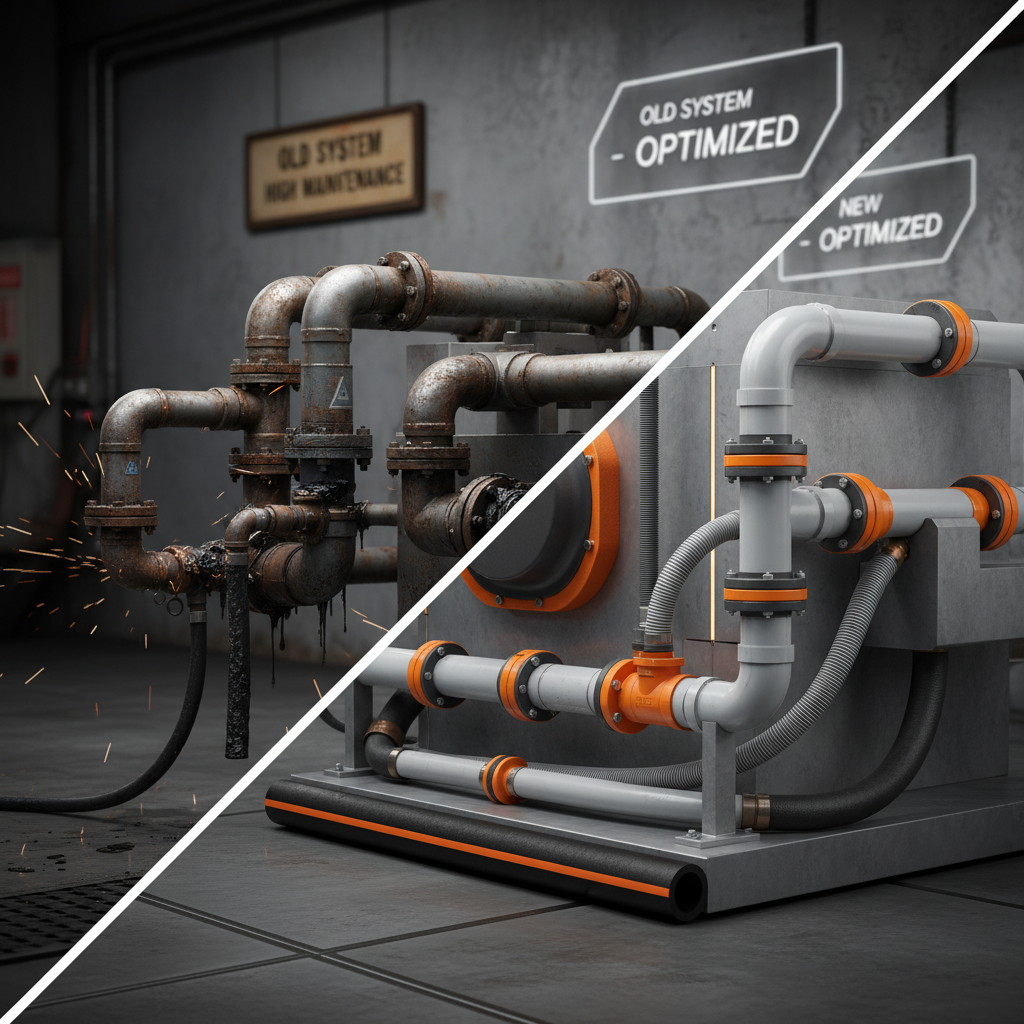
The most immediate advantage of pvc pipe fittings is their cost-effectiveness. Lower material and installation costs translate to significant savings on infrastructure projects. Beyond the initial investment, the longevity and minimal maintenance requirements further enhance the long-term value.
From a sustainability perspective, pvc pipe fittings contribute to water conservation by minimizing leaks and reducing water waste. Their durability also translates to less frequent replacements, reducing the environmental footprint associated with manufacturing and disposal. This reliability contributes to peace of mind, ensuring the uninterrupted flow of essential fluids.
Future Trends in pvc Pipe Fittings
Ongoing research is focused on developing more sustainable pvc formulations, incorporating recycled materials and bio-based additives. This aims to reduce the reliance on fossil fuels and minimize the environmental impact of pvc production. Furthermore, advancements in manufacturing techniques are leading to the creation of thinner-walled yet equally durable fittings, reducing material usage.
Digitalization is also playing a role, with the integration of sensors and monitoring systems into pvc piping networks. This allows for real-time detection of leaks, pressure fluctuations, and other anomalies, enabling proactive maintenance and preventing costly failures. Smart pvc pipe fittings, connected to the Internet of Things (IoT), will revolutionize water management and infrastructure monitoring.
The drive towards automation in manufacturing processes will further reduce production costs and improve quality control, making pvc pipe fittings even more competitive in the global market.
Challenges and Innovative Solutions
A primary challenge associated with pvc is its susceptibility to degradation from prolonged exposure to ultraviolet (UV) radiation. This can lead to embrittlement and cracking over time. However, innovative solutions such as UV stabilizers and protective coatings are effectively mitigating this issue, extending the lifespan of pvc fittings in outdoor applications.
Another concern is the potential for leaching of additives from pvc into the conveyed fluid. The industry is responding by developing formulations with lower concentrations of potentially harmful additives and exploring alternative plasticizers that are more environmentally benign.
Furthermore, improving the recyclability of pvc remains a key priority. Investment in advanced recycling technologies and the development of closed-loop systems are crucial for minimizing waste and promoting a circular economy.
Summary of Innovative Solutions for pvc Pipe Fitting Challenges
| Challenge |
Solution Type |
Implementation Level |
Effectiveness Score (1-10) |
| UV Degradation |
Material Additives |
Widespread |
8 |
| Additive Leaching |
Formulation Modification |
Growing |
7 |
| Low Recyclability |
Recycling Technology |
Developing |
6 |
| Limited Bio-Content |
Bio-Based Additives |
Emerging |
5 |
| Brittle Failure at Low Temperatures |
Impact Modifiers |
Established |
9 |
| Joint Weakness |
Advanced Bonding Techniques |
Increasing |
7 |
FAQS
pvc pipe fittings offer several advantages over metal alternatives, including significantly lower cost, lighter weight for easier installation, and superior corrosion resistance, especially in harsh environments. Unlike metal, pvc doesn’t rust or corrode, reducing maintenance and extending the lifespan of the piping system. This translates to long-term cost savings and reduced downtime. They also require less specialized tools for installation, further lowering labor expenses.
Proper solvent welding is crucial for creating leak-proof joints. First, ensure both the pipe and fitting surfaces are clean and dry. Apply a thin, even layer of pvc primer to both surfaces, then immediately apply pvc cement. Quickly insert the pipe into the fitting with a slight twisting motion to ensure even distribution of the cement. Hold the joint firmly for 30 seconds to allow the cement to set. Always work in a well-ventilated area and follow the manufacturer's instructions.
Standard pvc pipe fittings generally operate safely within a temperature range of -40°F to 140°F (-40°C to 60°C). Exposing them to temperatures outside this range can cause them to become brittle or deform. For applications requiring higher temperatures, specialized formulations of pvc (like CPVC) are available, offering increased heat resistance. Always consult the manufacturer's specifications for the specific fitting you are using.
Historically, concerns have been raised regarding the environmental impact of pvc, particularly related to the use of phthalates as plasticizers and the difficulty of recycling. However, the industry is actively addressing these concerns. Many manufacturers now offer phthalate-free pvc formulations, and advancements in recycling technology are improving the recyclability of pvc. Choosing recycled pvc fittings is one way to minimize environmental impact.
Schedule 40 and Schedule 80 refer to the wall thickness of the pvc pipe and fittings. Schedule 80 fittings have thicker walls than Schedule 40, making them more durable and capable of withstanding higher pressures. Schedule 80 is typically used in industrial applications and situations where increased strength and safety are paramount, while Schedule 40 is commonly used for residential and irrigation systems.
pvc pipe fittings should be stored in a cool, dry, and well-ventilated area, away from direct sunlight and extreme temperatures. Avoid stacking heavy objects on top of the fittings, as this can cause deformation. Store fittings in their original packaging whenever possible to protect them from dust and damage. Proper storage ensures the integrity of the fittings and their optimal performance when installed.
Conclusion
In conclusion, pvc pipe fittings remain a cornerstone of modern infrastructure, offering a compelling combination of durability, cost-effectiveness, and ease of installation. Their widespread adoption across diverse industries is a testament to their versatility and reliability. Continued innovation in materials, manufacturing processes, and recycling technologies will further enhance their sustainability and long-term value.
Looking ahead, the integration of smart technologies and a commitment to responsible environmental practices will be crucial for ensuring that pvc pipe fittings continue to meet the evolving needs of a growing global population. For dependable, high-quality pvc pipe fittings, visit our website today: www.fygasketfactory.com.