Polypropylene pipe fittings are essential components in modern plumbing, industrial processes, and a growing number of specialized applications. Their widespread use is driven by a unique combination of properties – chemical resistance, durability, and cost-effectiveness – making them a vital part of infrastructure globally. Understanding the nuances of these fittings is crucial for engineers, contractors, and anyone involved in the design, installation, and maintenance of fluid transfer systems.
The global demand for polypropylene pipe fittings is substantial and continues to grow, fueled by urbanization, industrial expansion, and increasing infrastructure investments, particularly in developing nations. According to the United Nations, global urbanization is projected to reach 68% by 2050, driving a significant need for robust and reliable water and waste management systems. This, coupled with the ISO standards for pipe systems, highlights the importance of high-quality polypropylene solutions.
The significance of polypropylene pipe fittings extends beyond mere convenience. They contribute to public health by ensuring safe water delivery, support economic development by enabling efficient industrial processes, and promote sustainability through their long lifespan and recyclability. Addressing the challenges of aging infrastructure and resource scarcity requires innovative materials like polypropylene, making its continued study and improvement critical.
Introduction to Polypropylene Pipe Fittings
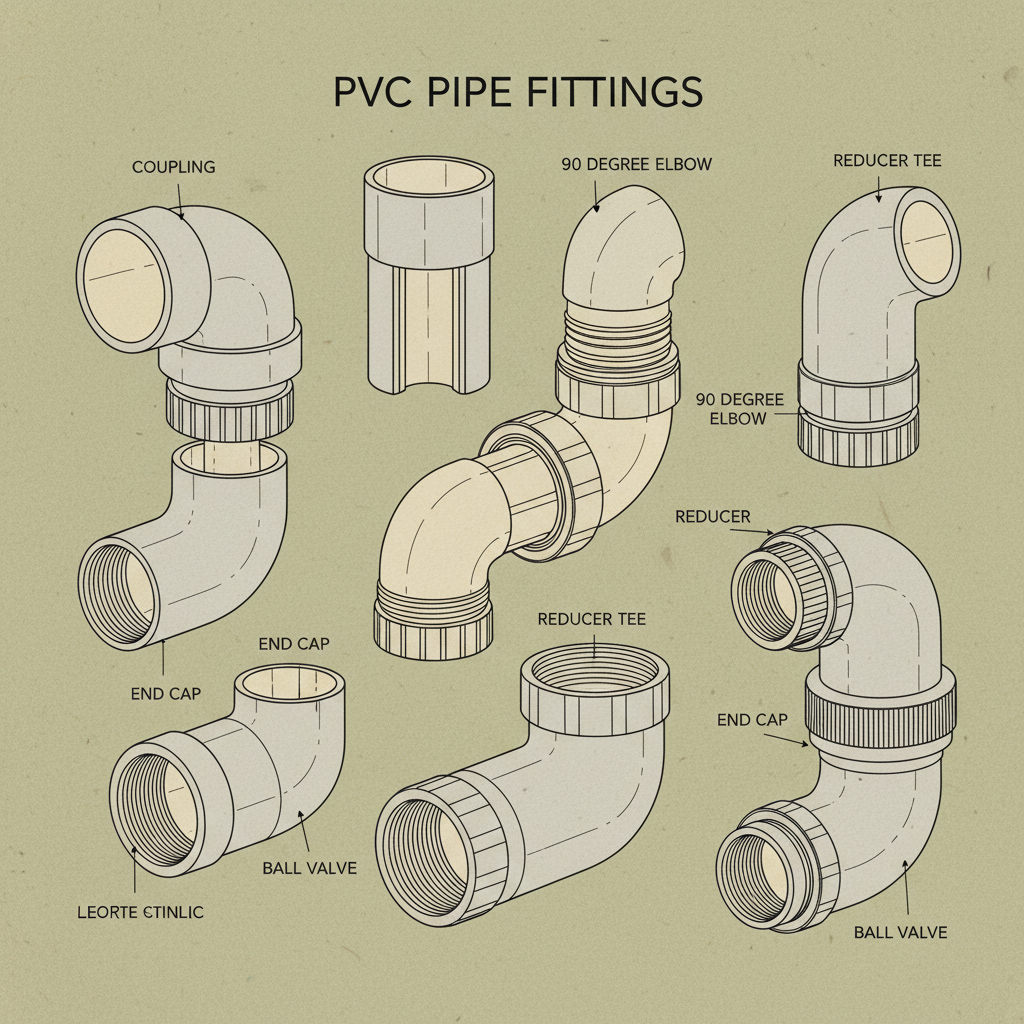
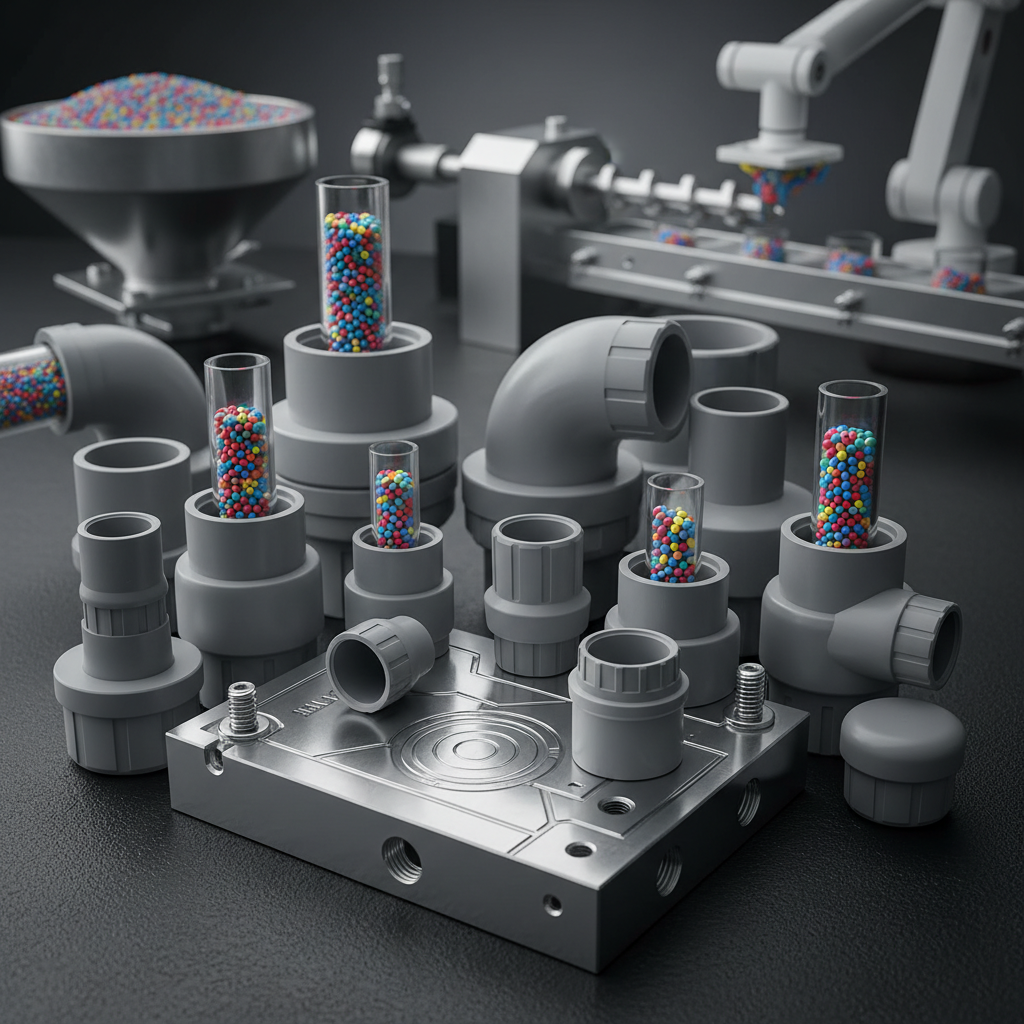
Polypropylene pipe fittings are connecting components used in piping systems constructed from polypropylene (PP) material. These fittings come in various shapes and sizes—including elbows, tees, couplings, and valves—and are designed to create leak-proof joints for transporting fluids and gases. Their versatility makes them ideal for a wide range of applications.
The increasing reliance on polypropylene pipe fittings stems from their ability to address pressing modern needs. In areas lacking robust infrastructure, they provide a cost-effective solution for clean water delivery and sanitation. Simultaneously, in advanced industrial settings, their chemical resistance ensures the safe handling of corrosive materials, improving operational efficiency and safety. polypropylene pipe fittings are therefore indispensable.
Defining Polypropylene Pipe Fittings
Polypropylene pipe fittings are essentially the connectors that allow polypropylene pipes to be joined together to create a fluid conveyance system. They are manufactured from polypropylene, a thermoplastic polymer known for its excellent chemical resistance, high strength-to-weight ratio, and relative low cost. These fittings are not pipes themselves, but essential accessories enabling the creation of complex piping networks.
The connection between polypropylene pipe fittings and modern industry is profound. Industries like chemical processing, food and beverage, and pharmaceutical manufacturing rely heavily on their resistance to corrosion and contamination. Humanitarian needs are also addressed, as these fittings facilitate the delivery of potable water and sanitation solutions in developing regions and disaster relief scenarios.
Essentially, polypropylene pipe fittings serve as the crucial link in ensuring the safe and efficient transport of fluids. Their precise engineering and material properties contribute significantly to the overall reliability and longevity of the systems they form. They represent a foundational element of modern infrastructure and industrial operations.
Core Properties of Polypropylene Pipe Fittings
Polypropylene pipe fittings possess several key properties that contribute to their widespread adoption. Firstly, their excellent chemical resistance allows them to handle a broad spectrum of corrosive fluids without degradation, making them suitable for use in chemical plants and wastewater treatment facilities. Secondly, they exhibit a relatively high tensile strength and impact resistance, ensuring durability and longevity.
Another significant property is their low coefficient of friction, which minimizes flow resistance and reduces energy consumption in fluid transfer applications. Furthermore, polypropylene is a relatively lightweight material, making fittings easier to handle and install, reducing labor costs. Importantly, polypropylene is also recyclable, offering a degree of environmental sustainability.
Finally, polypropylene pipe fittings have excellent temperature resistance, capable of withstanding a range of temperatures without significant deformation or loss of structural integrity. This makes them suitable for both hot and cold fluid transfer applications, expanding their usability across diverse industrial and commercial sectors.
Key Advantages: Cost, Durability, and Performance
The advantages of using polypropylene pipe fittings are multifaceted. Cost-effectiveness is a major factor; polypropylene is generally less expensive than metals like stainless steel or copper, making it an attractive option for large-scale projects and budget-conscious applications. This lower material cost doesn't compromise on functionality.
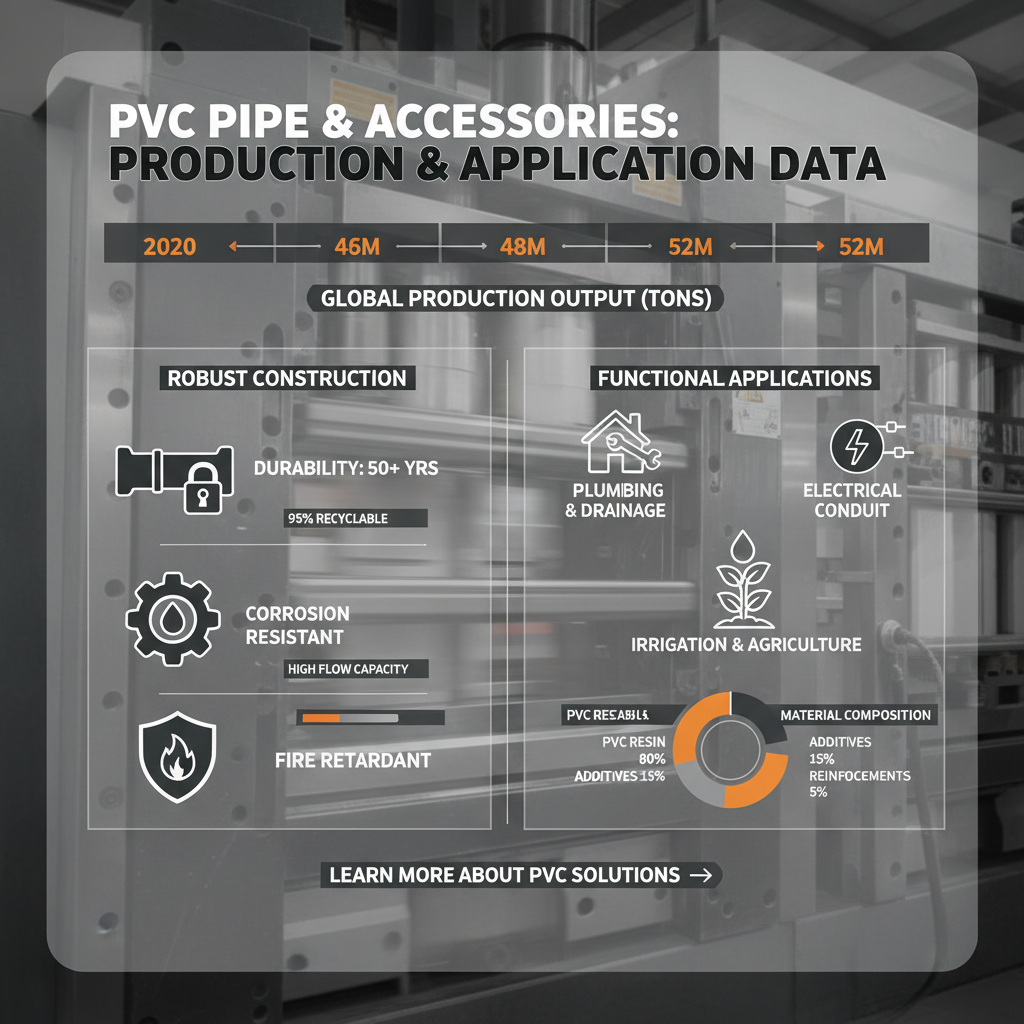
Durability is another key benefit. Polypropylene’s resistance to corrosion, scaling, and freezing provides a long service life, reducing the need for frequent replacements. This longevity translates to lower life-cycle costs and minimized downtime for maintenance. These factors combine to deliver superior performance over time.
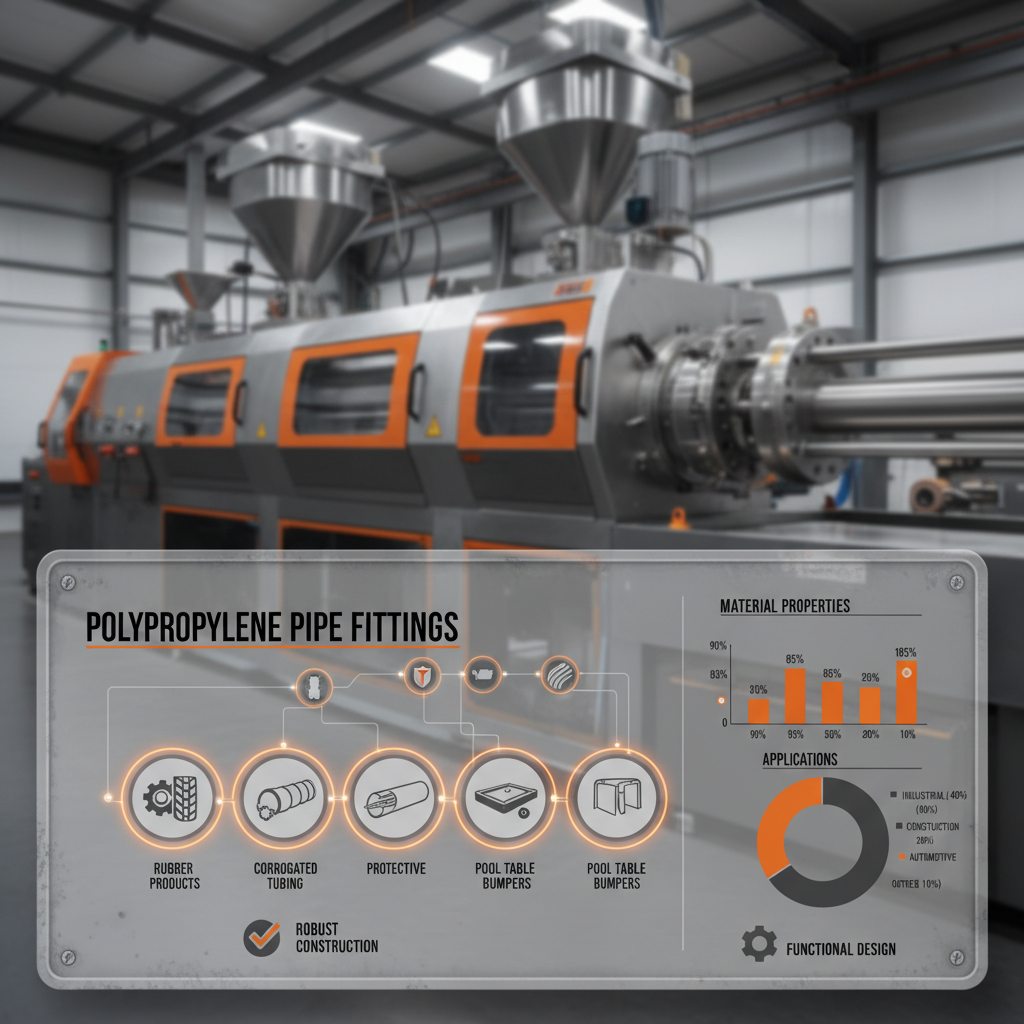
Performance Metrics of Polypropylene Pipe Fitting Methods
Global Applications and Diverse Use Cases
Polypropylene pipe fittings are utilized across a vast spectrum of industries and applications worldwide. In the chemical processing industry, their exceptional chemical resistance is paramount for safely transporting aggressive substances. They are also commonly found in wastewater treatment plants, where they handle corrosive effluent without degradation. polypropylene pipe fittings are critical for water management.
The food and beverage industry benefits from their sanitary properties and ability to maintain fluid purity. Agricultural applications utilize them for irrigation systems, while the pharmaceutical sector relies on their compliance with stringent hygiene standards. In post-disaster relief operations, lightweight and easily deployable polypropylene piping systems provide vital access to clean water.
Furthermore, in remote industrial zones where material transport is challenging, the lightweight nature of polypropylene fittings offers logistical advantages. They are becoming increasingly prevalent in aquaculture systems, ensuring water quality and minimizing environmental impact. This adaptability underscores their global importance.
Long-Term Value and Sustainability
The long-term value of polypropylene pipe fittings extends beyond immediate cost savings. Their durability translates to reduced maintenance and replacement expenses over the system's lifespan, lowering the total cost of ownership. This reliability contributes to increased operational efficiency and minimized downtime.
From a sustainability perspective, polypropylene is recyclable, albeit with specific processing requirements. The long lifespan of the fittings reduces material consumption compared to less durable alternatives. These fittings also contribute to water conservation by minimizing leaks and ensuring efficient fluid transport.
Future Trends and Innovations in Polypropylene Fittings
The future of polypropylene pipe fittings is marked by ongoing innovation and a growing focus on sustainability. Research is underway to develop enhanced polypropylene formulations with improved impact resistance and temperature tolerance. The integration of smart sensors into fittings for leak detection and performance monitoring is also gaining traction.
Furthermore, advancements in manufacturing techniques, such as 3D printing, are opening new possibilities for customized fitting designs and rapid prototyping. The development of biodegradable polypropylene alternatives, while still in its early stages, represents a significant step towards greater environmental responsibility. These innovations will solidify polypropylene's role in a more sustainable future.
The increasing adoption of digital twins for infrastructure management will also drive demand for data-enabled polypropylene fittings, providing real-time insights into system performance and facilitating predictive maintenance. This trend aligns with the broader industry shift toward digital transformation and optimized asset management.
FAQS
The lifespan of polypropylene pipe fittings in a residential plumbing system typically ranges from 50 to 70 years, provided they are installed correctly and subjected to normal operating conditions. Their resistance to corrosion and scaling contributes to this longevity, making them a durable and reliable choice for long-term plumbing solutions. However, factors like water quality and extreme temperature fluctuations can influence their actual lifespan.
Yes, polypropylene pipe fittings are generally considered safe for use with potable water, provided they meet relevant safety standards and are manufactured from food-grade materials. Polypropylene is non-toxic and does not leach harmful chemicals into the water supply, making it a suitable choice for drinking water distribution systems. Always verify compliance with local regulations and standards before installation.
Polypropylene (PP) and Polyvinyl Chloride (PVC) fittings differ in cost and performance. Generally, PP is slightly more expensive upfront than PVC, but PP offers superior temperature resistance and chemical compatibility, making it preferable for demanding applications. PVC can become brittle in colder temperatures, whereas PP remains more flexible. Long-term, the durability and reduced maintenance needs of PP can offset the initial cost difference.
The most common methods for joining polypropylene pipe fittings are socket welding, butt fusion welding, and threading (for certain fitting types). Socket welding involves heating both the pipe and fitting and joining them under pressure. Butt fusion welding is used for larger diameter pipes and requires specialized equipment. Threaded connections are suitable for smaller pipes and allow for easier disassembly.
Yes, polypropylene pipe fittings can be used outdoors in cold climates, as they exhibit good impact resistance even at low temperatures. However, it’s essential to protect the pipes from freezing temperatures to prevent potential damage due to water expansion within the system. Proper insulation and burial depth can mitigate these risks and ensure reliable performance in cold weather conditions.
When purchasing polypropylene pipe fittings, look for certifications like NSF International, ASTM International, and ISO standards. NSF certification ensures the fittings are safe for potable water applications. ASTM and ISO standards verify the material quality, dimensional accuracy, and performance characteristics of the fittings, guaranteeing they meet industry benchmarks.
Conclusion
In conclusion, polypropylene pipe fittings offer a compelling combination of cost-effectiveness, durability, and performance, making them an essential component in diverse applications worldwide. Their chemical resistance, lightweight nature, and ease of installation contribute to their widespread adoption across industries ranging from chemical processing to water distribution. The ongoing innovations in material science and manufacturing are poised to further enhance their capabilities and sustainability.
Looking ahead, continued research and development focused on enhancing recyclability and exploring biodegradable alternatives will be crucial. Embracing digital technologies, such as smart sensors and data analytics, will unlock new possibilities for optimizing system performance and extending service life. For reliable and efficient fluid transfer solutions, consider exploring the range of products available at www.fygasketfactory.com.