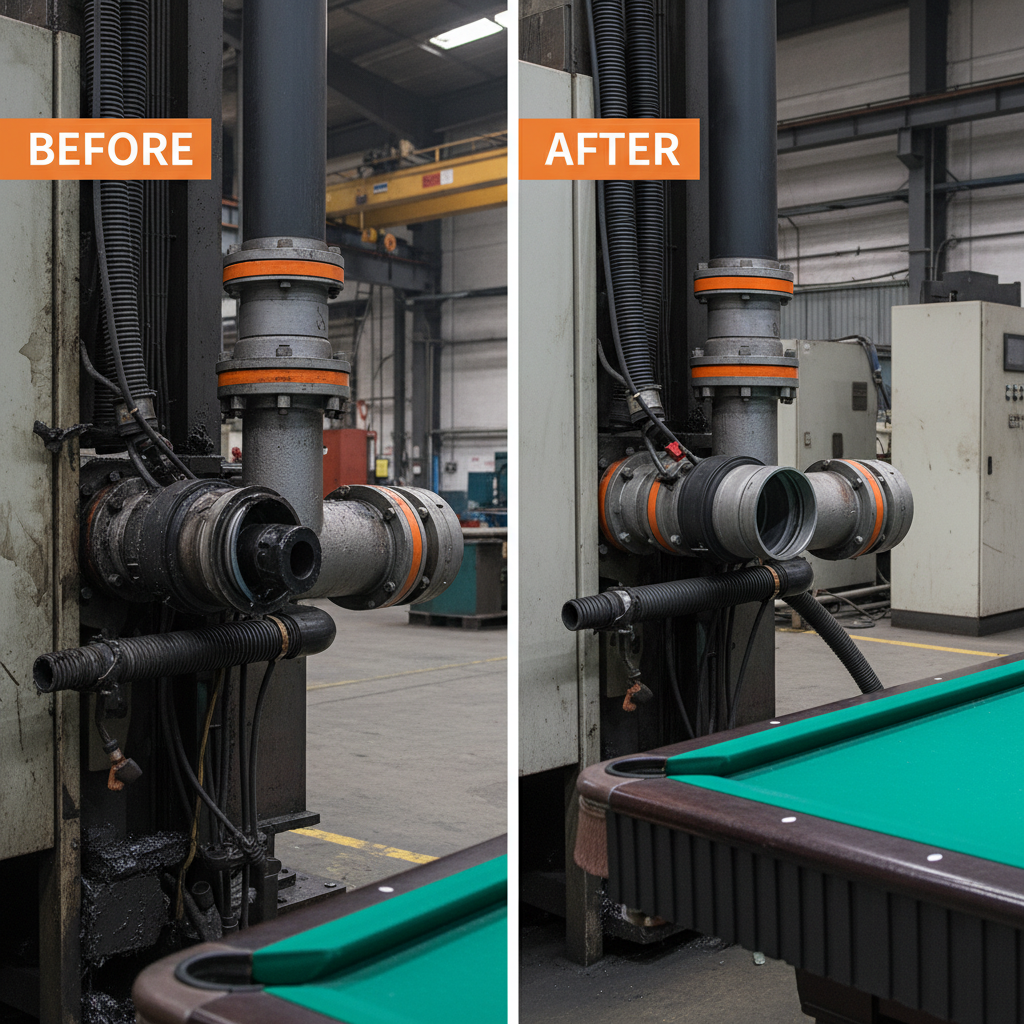
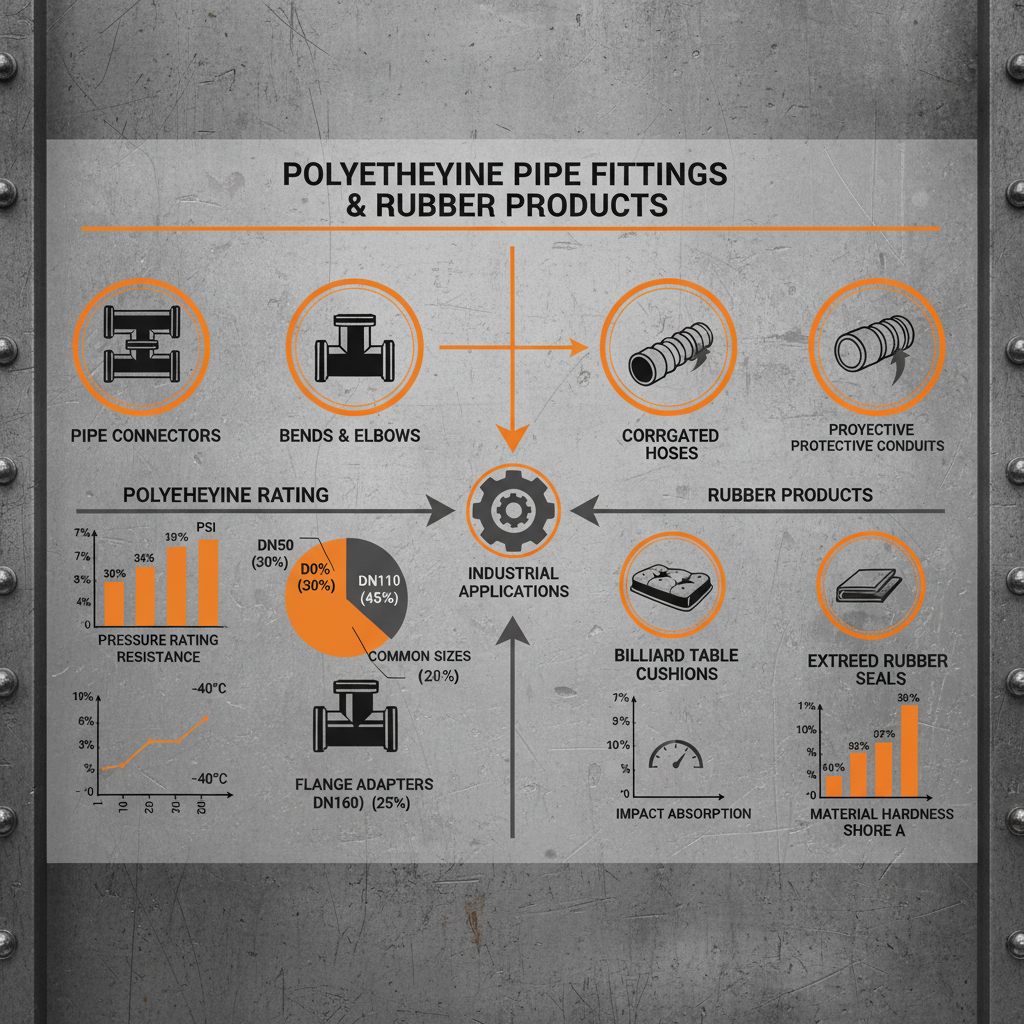
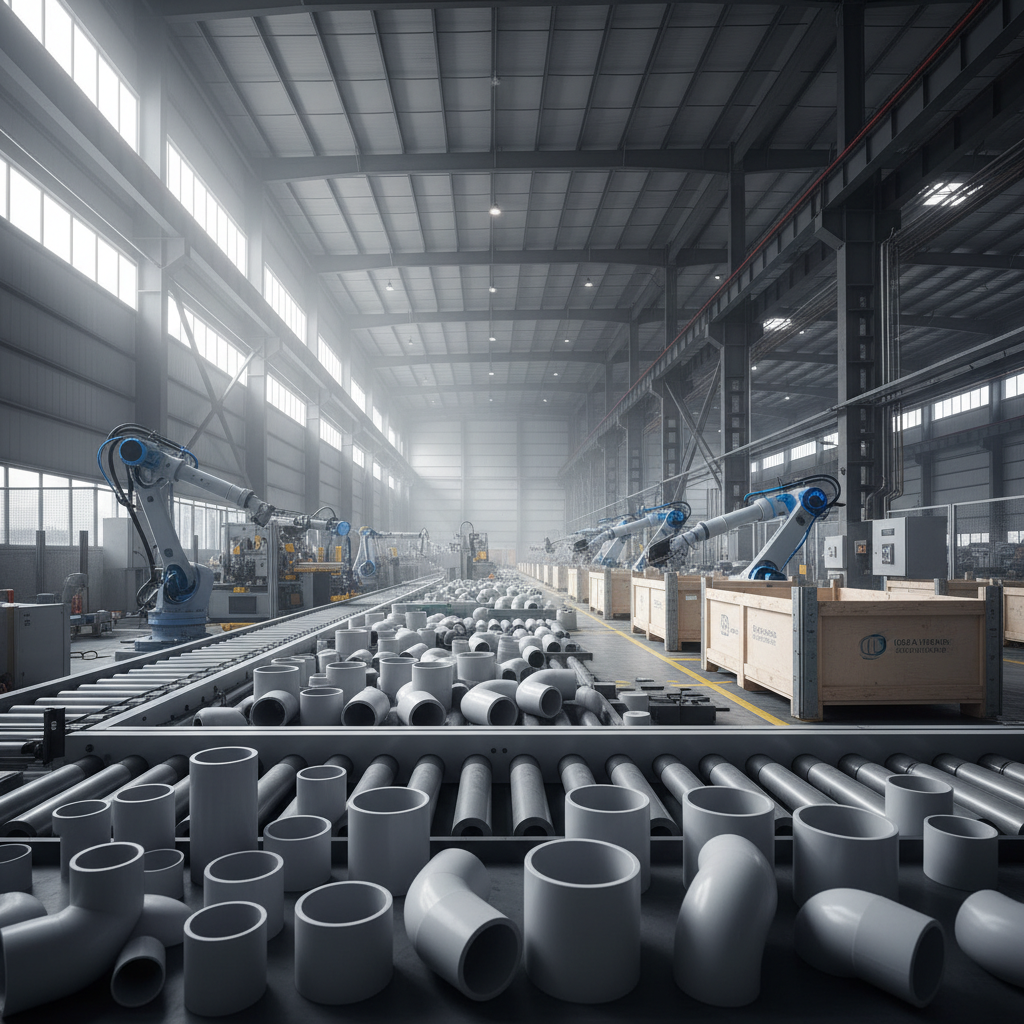
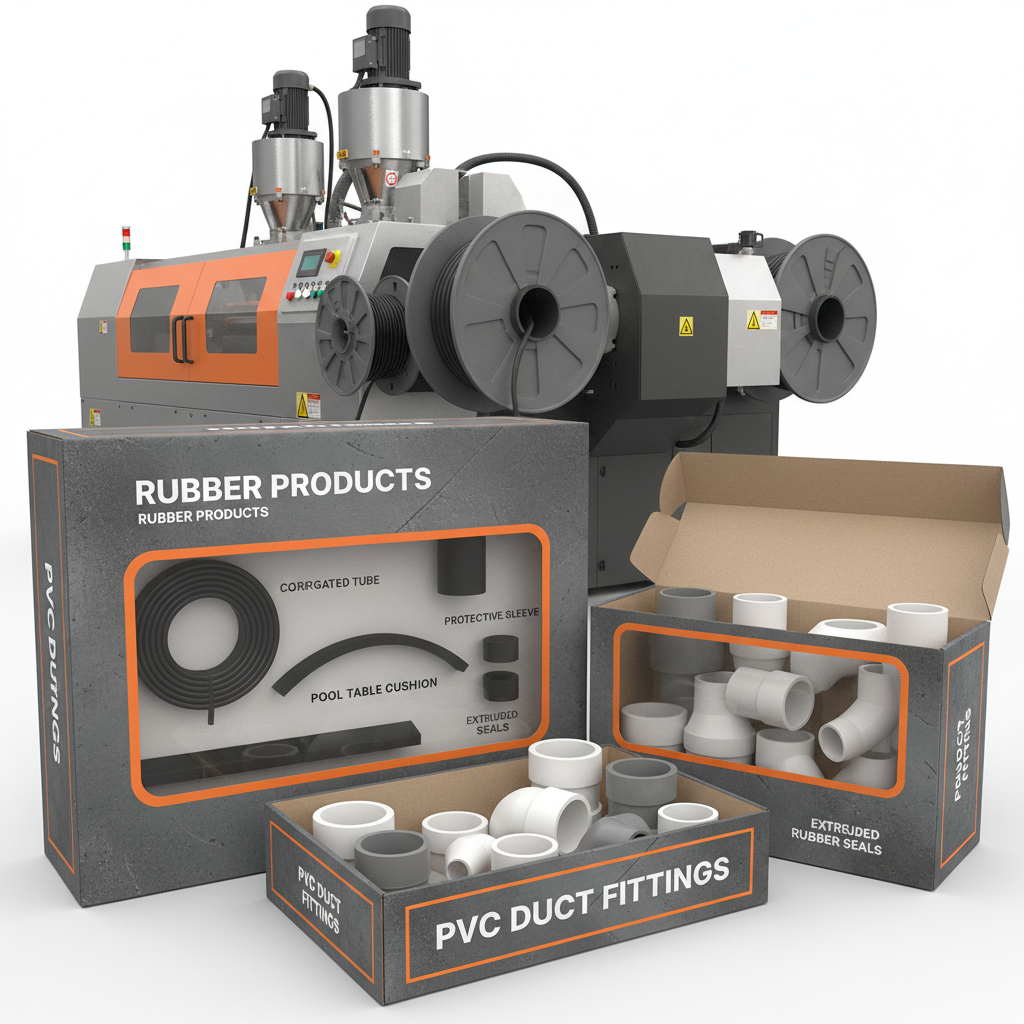
Polyethylene pipe fittings are increasingly vital components in modern infrastructure, offering a durable, cost-effective, and versatile solution for fluid and gas transport. From municipal water systems to agricultural irrigation and industrial processing, these fittings are foundational to a wide range of critical applications. Understanding their properties, applications, and future trends is paramount for engineers, contractors, and anyone involved in building and maintaining these essential systems.
Globally, the demand for reliable and efficient piping systems is growing, driven by population increases, urbanization, and the need for improved resource management. Polyethylene pipe fittings address key challenges related to corrosion, leakage, and installation complexity. Their lightweight nature and flexibility also contribute to reduced installation costs and enhanced project timelines, making them an attractive alternative to traditional materials like metal.
The widespread adoption of polyethylene pipe fittings is indicative of a global shift towards sustainable and resilient infrastructure. Their long lifespan, minimal maintenance requirements, and recyclability align with growing environmental concerns, further solidifying their position as a preferred choice for various industries and applications.
Introduction to Polyethylene Pipe Fittings
Polyethylene (PE) pipe fittings represent a significant advancement in piping technology. They offer a compelling combination of strength, flexibility, and chemical resistance, making them ideal for a diverse range of applications. The evolution of polyethylene materials has led to various grades – HDPE, LDPE, and XLPE – each tailored to specific performance requirements, further broadening their utility.
These fittings are integral to modern infrastructure projects, providing reliable connections for transporting water, gas, chemicals, and other fluids. Their ease of installation, coupled with long-term durability, translates into reduced lifecycle costs and enhanced operational efficiency for clients across numerous sectors.
Global Relevance and Market Trends
The global market for polyethylene pipe fittings is experiencing robust growth, fueled by expanding infrastructure development in emerging economies and a growing emphasis on sustainable solutions in developed nations. According to industry reports, the demand for PE piping systems is projected to increase substantially in the coming years, driven by factors such as urbanization, agricultural modernization, and the need for efficient water management.
International standards organizations like ISO and ASTM play a crucial role in ensuring the quality and performance of these fittings. Compliance with these standards is essential for manufacturers to access global markets and maintain consumer trust. Furthermore, increasing awareness of the environmental benefits of PE pipes – specifically their recyclability and resistance to corrosion – is driving their adoption in environmentally conscious projects.
The rising costs of traditional piping materials, coupled with the increasingly stringent regulations related to water quality and leakage prevention, are also contributing to the growing demand for polyethylene pipe fittings. They address the pressing need for a durable, reliable, and environmentally responsible solution for fluid transport worldwide.
Defining Polyethylene Pipe Fittings
Polyethylene pipe fittings are components used to connect sections of polyethylene (PE) pipes, forming a complete piping system. These fittings are manufactured from various types of polyethylene resin, each offering specific properties tailored to different applications. Commonly used materials include High-Density Polyethylene (HDPE), Low-Density Polyethylene (LDPE), and Cross-Linked Polyethylene (XLPE).
Unlike metal fittings, polyethylene fittings are inherently corrosion-resistant, eliminating the need for costly protective coatings. They are also lightweight and flexible, simplifying installation and reducing labor costs. The fusion welding process commonly used to join PE pipes and fittings creates a homogenous joint that is stronger than the pipe itself, minimizing the risk of leaks and failures.
The versatility of polyethylene pipe fittings makes them suitable for a broad spectrum of applications, ranging from potable water distribution and wastewater management to gas pipelines, irrigation systems, and industrial fluid handling. Their ability to withstand a wide range of temperatures and pressures further enhances their applicability across diverse industries and environments.
Key Characteristics of Polyethylene Fittings
The exceptional performance of polyethylene pipe fittings is rooted in a combination of key characteristics. Durability stands out as a primary advantage, with PE fittings resisting corrosion, abrasion, and impact damage, ensuring a long service life, often exceeding 50 years.
Another crucial factor is their flexibility, allowing them to accommodate ground movement and seismic activity without cracking or leaking. This resilience is particularly important in regions prone to earthquakes or unstable soil conditions.
Comparative Analysis of Polyethylene Pipe Fittings Methods
Diverse Applications Across Industries
Polyethylene pipe fittings find application across a remarkably broad range of industries. In the municipal sector, they are extensively used for potable water distribution, wastewater collection, and stormwater drainage systems. Their resistance to corrosion and ability to handle varying water pressures make them ideal for these critical infrastructure components.
The agricultural sector benefits significantly from polyethylene pipe fittings used in irrigation systems. Their flexibility allows for efficient water delivery to crops, minimizing water waste and maximizing yields. In industrial settings, these fittings are employed for transporting a wide range of fluids, including chemicals, solvents, and slurries, due to their chemical resistance and leak-proof connections.
Benefits and Long-Term Value Proposition
The advantages of using polyethylene pipe fittings extend beyond their immediate performance characteristics. Cost efficiency is a significant benefit, with lower material costs, reduced installation time, and minimal maintenance requirements contributing to substantial lifecycle cost savings. Furthermore, their lightweight nature reduces transportation costs and simplifies handling on-site.
From a sustainability perspective, polyethylene pipe fittings offer a compelling value proposition. Their long lifespan minimizes the need for frequent replacements, reducing material waste and environmental impact. Additionally, the recyclability of polyethylene contributes to a circular economy, promoting responsible resource management. The reliability and durability also lead to reduced water loss and increased operational safety.
Future Innovations and Industry Outlook
Ongoing research and development are driving continuous innovation in polyethylene pipe fitting technology. New materials with enhanced strength and temperature resistance are being developed, expanding their applicability to even more demanding environments. The integration of smart technologies, such as sensors and data analytics, is also gaining traction, enabling real-time monitoring of pipeline performance and proactive maintenance.
The growing focus on sustainable infrastructure is expected to further accelerate the adoption of polyethylene pipe fittings. Government regulations promoting water conservation and waste reduction will likely incentivize the use of these eco-friendly solutions. Furthermore, the advancements in fusion welding techniques are improving the efficiency and reliability of joint connections, enhancing the overall performance of PE piping systems.
Digitalization, including Building Information Modeling (BIM), is also impacting the industry, enabling more accurate design, installation, and management of PE piping systems. These advancements will contribute to a more resilient, efficient, and sustainable future for water and fluid transport infrastructure.
Summary of Key Characteristics of Polyethylene Pipe Fittings
| Material Grade |
Operating Pressure (PSI) |
Temperature Range (°C) |
Typical Applications |
| HDPE (High-Density Polyethylene) |
Up to 250 |
-40 to 60 |
Potable Water, Gas Pipelines |
| LDPE (Low-Density Polyethylene) |
Up to 100 |
-50 to 50 |
Irrigation, Chemical Drainage |
| XLPE (Cross-Linked Polyethylene) |
Up to 300 |
-70 to 90 |
Hot Water Systems, Industrial Processes |
| MDPE (Medium-Density Polyethylene) |
Up to 150 |
-20 to 50 |
Rural Water Distribution |
| RC-PE (Resistant to Crack - Polyethylene) |
Up to 200 |
-30 to 60 |
Underground Water Mains |
| PE-RT (Polyethylene Raised Temperature Resistance) |
Up to 225 |
-10 to 70 |
Underfloor Heating, Hot Water Distribution |
FAQS
Polyethylene pipe fittings offer several advantages over metal piping, including corrosion resistance, lighter weight, flexibility, and lower installation costs. Unlike metal pipes, PE fittings do not rust or corrode, eliminating the need for protective coatings and reducing maintenance expenses. Their flexibility simplifies installation, especially in challenging terrains, and their lighter weight reduces handling and transportation costs. The fusion welding process creates a leak-proof joint, enhancing system reliability.
Determining the correct size and pressure rating requires careful consideration of your specific application. Factors to consider include flow rate, fluid type, operating pressure, and temperature. Consult with a qualified engineer or piping specialist to ensure you select fittings that meet the required specifications and adhere to relevant industry standards. Incorrectly sized or rated fittings can lead to system failures and safety hazards.
A properly installed polyethylene piping system can have a lifespan exceeding 50 years. The inherent durability of polyethylene, coupled with its resistance to corrosion and chemical degradation, contributes to its long service life. Regular inspections and maintenance, such as leak detection and joint integrity checks, can further extend the system's lifespan. However, external factors like soil conditions and exposure to UV radiation can also affect longevity.
Yes, certain grades of polyethylene, specifically HDPE and PEX, are approved for use with potable water systems. These materials are non-toxic and do not leach harmful chemicals into the water supply. However, it's crucial to ensure that the fittings meet relevant drinking water standards, such as NSF/ANSI 61, and are installed according to manufacturer's recommendations to maintain water quality.
The most reliable method for joining polyethylene pipe fittings is through heat fusion welding, specifically butt fusion, socket fusion, and electrofusion. These techniques create a homogenous joint that is as strong as, or stronger than, the pipe itself. Mechanical fittings, such as compression fittings, are also available but may be less reliable and require more frequent maintenance. Always follow manufacturer's instructions for proper welding procedures.
To ensure long-term integrity, implement a regular inspection and maintenance program. This includes visual inspections for leaks or damage, pressure testing to identify potential weaknesses, and periodic cleaning to prevent sediment buildup. Protect exposed piping from UV radiation and physical damage. Proper installation by qualified personnel is also crucial for minimizing the risk of future problems.
Conclusion
In conclusion, polyethylene pipe fittings represent a significant advancement in fluid and gas transport technology. Their durability, flexibility, cost-effectiveness, and environmental benefits make them an increasingly preferred choice for a wide range of applications, from municipal infrastructure to agricultural irrigation and industrial processes. Understanding their key characteristics and proper installation techniques is crucial for maximizing their performance and ensuring long-term system reliability.
Looking ahead, continued innovation in materials science and fusion welding technology will further enhance the capabilities of polyethylene pipe fittings. Embracing these advancements and adopting best practices in design, installation, and maintenance will be essential for building resilient, sustainable, and efficient infrastructure for future generations. For all your polyethylene pipe fitting needs, visit our website: www.fygasketfactory.com.