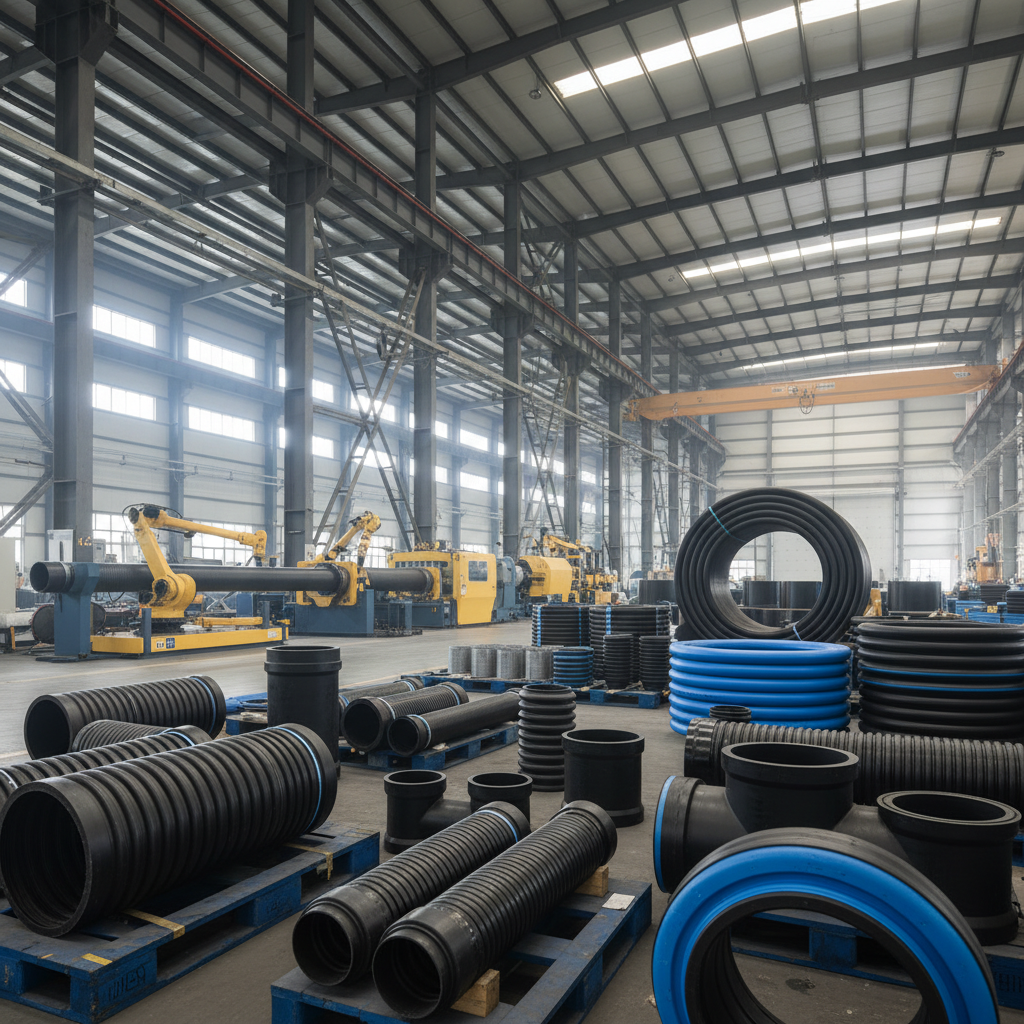
PVC pipe and fittings have become ubiquitous in modern infrastructure, playing a critical role in water distribution, irrigation, sewage systems, and a multitude of industrial applications. Globally, the demand for these materials is consistently rising, driven by population growth, urbanization, and the need for robust and cost-effective piping solutions. Understanding the characteristics, applications, and future trends surrounding pvc pipe and fittings is essential for engineers, contractors, policymakers, and anyone involved in building and maintaining the world’s infrastructure.
The increasing focus on sustainable development and efficient resource management further amplifies the importance of this field. PVC, while facing scrutiny regarding its environmental impact, offers advantages in terms of longevity and reduced leakage compared to traditional materials like cast iron. This translates to water conservation and reduced energy consumption for pumping. As global water scarcity becomes a pressing concern, the role of durable and reliable piping systems, like those built with pvc pipe and fittings, will only become more significant.
Ultimately, a comprehensive understanding of pvc pipe and fittings empowers informed decision-making, promoting the development of sustainable, resilient, and efficient infrastructure networks that benefit communities worldwide. The continued innovation in PVC formulations and installation techniques ensures that these materials will remain a cornerstone of modern construction and water management for years to come.
Introduction to pvc pipe and fittings
pvc pipe and fittings have revolutionized fluid conveyance systems across a wide spectrum of industries. Their versatility, coupled with a relatively low cost of production, has made them the material of choice for everything from residential plumbing to large-scale municipal water projects. The inherent properties of PVC – including its resistance to corrosion, chemical inertness, and ease of installation – contribute to its widespread acceptance and continual demand.
This broad application isn’t without ongoing development. Manufacturers are constantly refining PVC formulations to enhance their performance characteristics, address environmental concerns, and meet the evolving needs of the construction and infrastructure sectors. From increased pressure ratings to improved UV resistance, innovation in pvc pipe and fittings is a dynamic field.
Defining pvc pipe and fittings
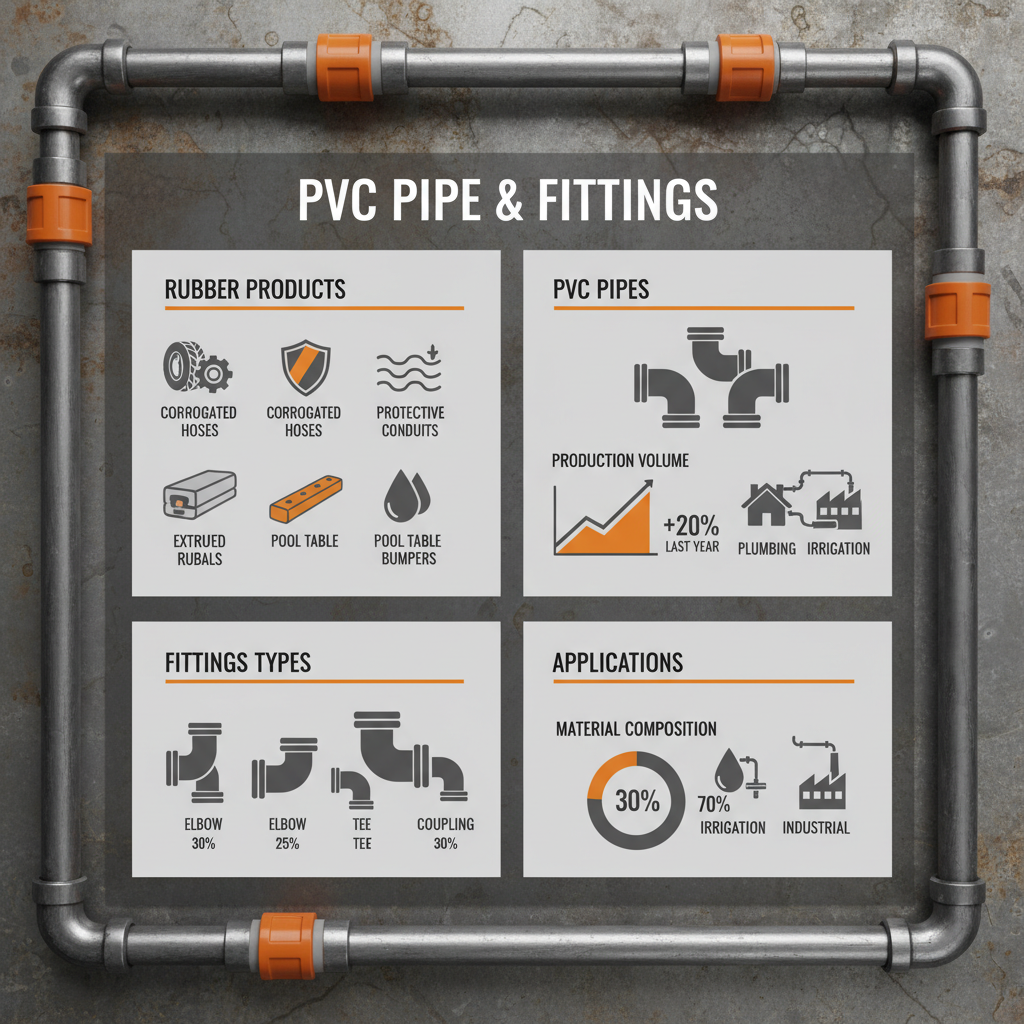
PVC, or Polyvinyl Chloride, is a synthetic plastic polymer widely utilized in construction and industrial applications. PVC pipe, in its simplest form, is a hollow cylindrical tube manufactured from this polymer. Fittings, conversely, are components designed to connect sections of PVC pipe, change flow direction, or regulate fluid flow. These fittings include elbows, tees, couplings, reducers, and valves, all crucial for creating functional and leak-proof piping systems.
The versatility of PVC lies in its ability to be molded and extruded into a vast array of shapes and sizes. This flexibility, combined with its affordability, makes it an attractive alternative to traditional materials like metal or concrete. pvc pipe and fittings aren't just about carrying water; they're integral to industries like agriculture, chemical processing, and even telecommunications (for conduit).
Understanding the different schedules (thicknesses) of PVC pipe is also important. Schedules 40, 80, and 120 denote increasing wall thickness and, consequently, greater pressure-bearing capacity. Choosing the appropriate schedule is vital for ensuring the long-term integrity and safety of the piping system, tailoring it to the specific demands of the application.
Core Characteristics of pvc pipe and fittings
One of the most significant characteristics of pvc pipe and fittings is its exceptional durability. PVC is highly resistant to corrosion from soil chemicals, saltwater, and many industrial compounds. This resistance extends its lifespan considerably, reducing the need for frequent replacements and minimizing long-term costs. Furthermore, PVC's smooth interior surface minimizes friction loss, enhancing flow efficiency and reducing energy consumption.
Another key characteristic is its lightweight nature. Compared to metal piping systems, PVC is significantly lighter, making it easier to handle, transport, and install. This reduced weight translates to lower labor costs and simplified construction processes. Moreover, PVC’s non-conductive properties eliminate the risk of electrolysis and stray current corrosion, further enhancing its reliability in diverse environments.
Finally, PVC offers excellent design flexibility. It can be easily cut, threaded, and joined using various methods, including solvent welding, flanging, and mechanical couplings. This adaptability allows for customized solutions tailored to specific project requirements. The availability of a wide range of fittings and accessories further enhances its versatility, facilitating complex piping configurations.
Key Advantages of Utilizing pvc pipe and fittings
The advantages of utilizing pvc pipe and fittings are numerous and contribute significantly to project cost-effectiveness and long-term performance. Perhaps the most prominent benefit is its cost-efficiency. The relatively low material cost, combined with reduced installation expenses, makes PVC a compelling economic choice compared to alternatives.
Furthermore, PVC requires minimal maintenance. Its resistance to corrosion and degradation reduces the need for frequent repairs and replacements, saving both time and money. This low-maintenance characteristic is particularly valuable in remote or difficult-to-access locations.
Comparative Advantages of Different pvc pipe and fittings Methods
Global Applications of pvc pipe and fittings
The applications of pvc pipe and fittings are globally diverse. In agriculture, they are extensively used for irrigation systems, providing a reliable and efficient means of delivering water to crops. In urban areas, they form the backbone of potable water distribution networks, ensuring safe and clean water access for millions.
Industrial facilities rely on PVC piping for the conveyance of various chemicals, wastewater, and process fluids. Its resistance to corrosion makes it an ideal material for handling aggressive substances. In post-disaster relief operations, lightweight and easily deployable PVC piping is often used for temporary water supply and sanitation systems, providing critical support to affected communities.
Long-Term Value and Sustainability of pvc pipe and fittings
While PVC's environmental footprint has been a subject of discussion, continuous advancements in production processes and recycling technologies are improving its sustainability profile. The longevity of pvc pipe and fittings significantly reduces the need for frequent replacements, minimizing waste generation.
Furthermore, the reduced leakage rates associated with PVC piping systems conserve precious water resources. The inherent durability of PVC also contributes to lower energy consumption, as less energy is required for pumping and maintaining the system. Embracing circular economy principles, such as PVC recycling and the development of bio-based PVC alternatives, will further enhance its long-term value and sustainability.
The economic benefits are also substantial. Lower installation costs, reduced maintenance requirements, and extended service life translate into significant cost savings over the lifetime of the piping system. This makes PVC a financially sound investment for both public and private sector projects.
Future Trends in pvc pipe and fittings Technology
The future of pvc pipe and fittings is marked by several key trends. Research into bio-based PVC formulations, utilizing renewable feedstocks, is gaining momentum, aiming to reduce reliance on fossil fuels. The integration of smart technologies, such as sensors and data analytics, into PVC piping systems will enable real-time monitoring of flow rates, pressure levels, and potential leaks.
Furthermore, advancements in additive manufacturing (3D printing) are opening up possibilities for customized PVC fittings and complex piping geometries. These innovations will allow for tailored solutions to meet specific project requirements and optimize system performance. The ongoing development of high-performance PVC compounds with enhanced UV resistance and mechanical properties will broaden the scope of applications.
Digital twins – virtual replicas of physical piping systems – will become increasingly prevalent, enabling predictive maintenance and proactive identification of potential issues. These technologies will transform the way pvc pipe and fittings are designed, installed, operated, and maintained, leading to greater efficiency, resilience, and sustainability.
Summary of Key Challenges and Solutions in pvc pipe and fittings
| Challenge |
Impact Area |
Proposed Solution |
Implementation Timeline |
| Environmental Concerns Related to PVC Production |
Sustainability & Public Perception |
Invest in bio-based PVC alternatives and enhance recycling infrastructure |
Short-term (2-5 years) – Research & Development; Long-term (5-10 years) – Market Adoption |
| Potential for Brittle Failure in Cold Climates |
System Reliability & Safety |
Utilize impact modifiers in PVC formulations and provide adequate insulation |
Immediate – Material Science Optimization; Ongoing – Installation Best Practices |
| Long-Term Degradation Due to UV Exposure |
Material Durability |
Incorporate UV stabilizers in PVC compounds and consider protective coatings |
Medium-term (3-7 years) – Formulation Development; Ongoing – Protective Measures |
| Ensuring Proper Solvent Welding Techniques |
Joint Integrity & Leak Prevention |
Implement rigorous training programs for installers and utilize automated welding equipment |
Short-term (1-3 years) – Training Initiatives; Medium-term (3-5 years) – Technology Adoption |
| Limited Transparency in Supply Chain |
Sustainability & Traceability |
Employ blockchain technology to track PVC origin and ensure ethical sourcing |
Medium-term (5-7 years) – Technology Integration; Long-term (7-10 years) – Industry Standardization |
| Challenges with Recycling Contaminated PVC |
Circular Economy & Waste Management |
Develop advanced sorting and purification technologies for contaminated PVC waste |
Long-term (5-10 years) – Technological Breakthroughs; Ongoing – Infrastructure Investment |
FAQS
Schedule 40 and Schedule 80 PVC pipes differ primarily in their wall thickness and pressure-bearing capacity. Schedule 80 has a thicker wall, providing greater strength and resistance to pressure. This makes Schedule 80 ideal for high-pressure applications and systems where durability is paramount. Schedule 40, being thinner-walled, is more cost-effective and suitable for lower-pressure applications such as irrigation or drainage systems. The appropriate schedule depends on the specific demands of the project and the fluid being conveyed.
Yes, PVC pipe is widely approved for potable water distribution, provided it meets specific standards and certifications, such as NSF/ANSI 61. These standards ensure that the pipe doesn't leach harmful contaminants into the water supply. It’s crucial to use PVC specifically formulated and certified for potable water applications. Regular testing and adherence to local regulations are essential to maintain water quality.
The most common method for joining PVC pipes and fittings is solvent welding, also known as gluing. This involves applying a PVC primer to both surfaces followed by PVC cement. It’s vital to ensure clean, dry surfaces and apply the cement quickly and evenly. Alternatively, mechanical couplings can be used for a demountable joint. Proper preparation and adherence to manufacturer’s instructions are crucial for a leak-proof connection.
A properly installed and maintained PVC piping system can have a lifespan of 50 years or more. Its resistance to corrosion and degradation contributes to its longevity. However, factors like soil conditions, temperature fluctuations, and UV exposure can affect its lifespan. Regular inspections and preventative maintenance can help maximize the service life of the system.
PVC pipe's performance can be affected by extreme temperatures. In very cold temperatures, it can become brittle and more susceptible to cracking. Conversely, high temperatures can cause it to soften and lose strength. It’s crucial to select the appropriate PVC formulation for the specific climate and application and consider protective measures like insulation to mitigate temperature-related issues.
Yes, PVC pipe is recyclable, although the recycling process can be complex. Recycling typically involves grinding the PVC into a powder, which is then used to create new PVC products or other plastic materials. Challenges include contamination and the need for specialized recycling facilities. Ongoing research is focused on improving PVC recycling technologies and increasing its recycling rate.
Conclusion
In conclusion, pvc pipe and fittings represent a cornerstone of modern infrastructure, offering a compelling combination of cost-effectiveness, durability, and versatility. From supplying clean water to supporting industrial processes, its applications are vast and continuously evolving. The ongoing advancements in materials science, coupled with a growing focus on sustainability, promise to further enhance its performance and minimize its environmental impact.
Looking ahead, continued investment in research, development, and recycling technologies is essential to unlock the full potential of PVC. By embracing innovative solutions and prioritizing responsible practices, we can ensure that pvc pipe and fittings continue to play a vital role in building a more resilient, sustainable, and equitable future for generations to come.