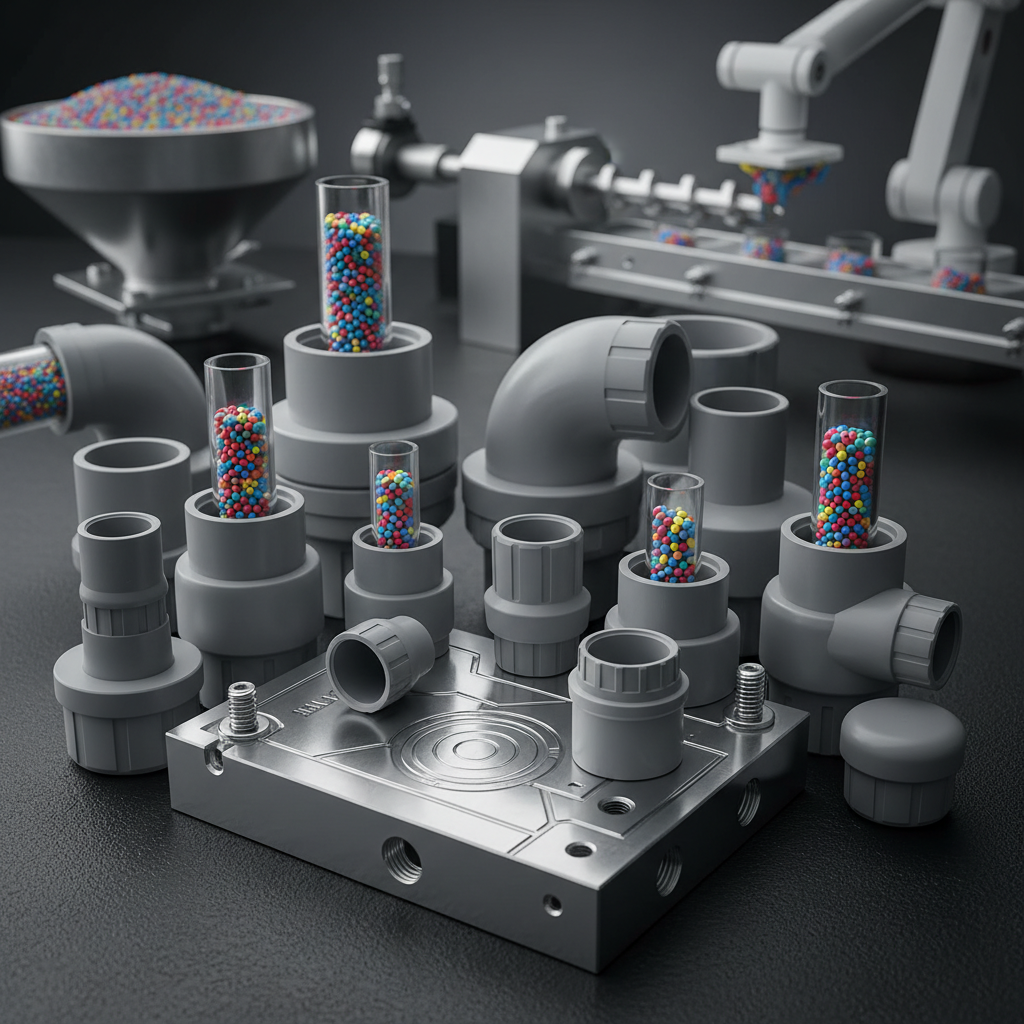
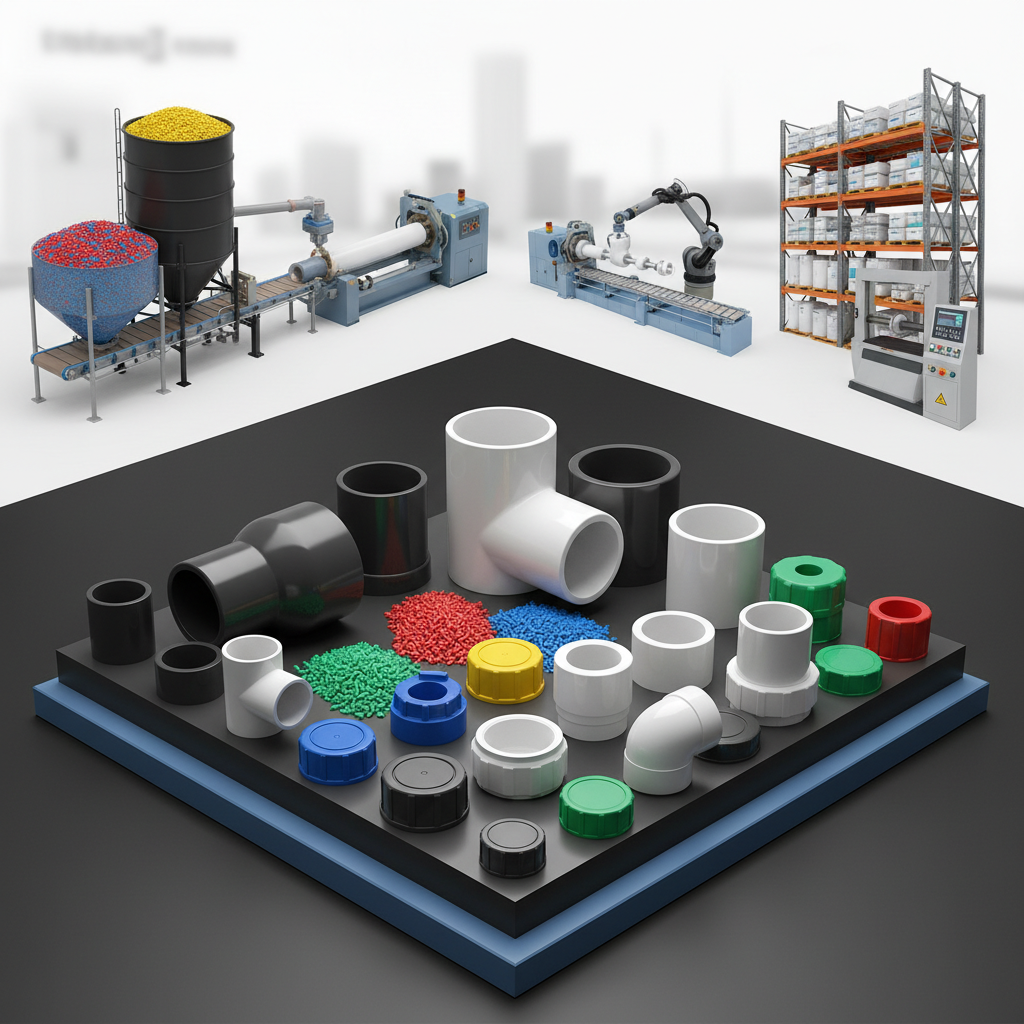
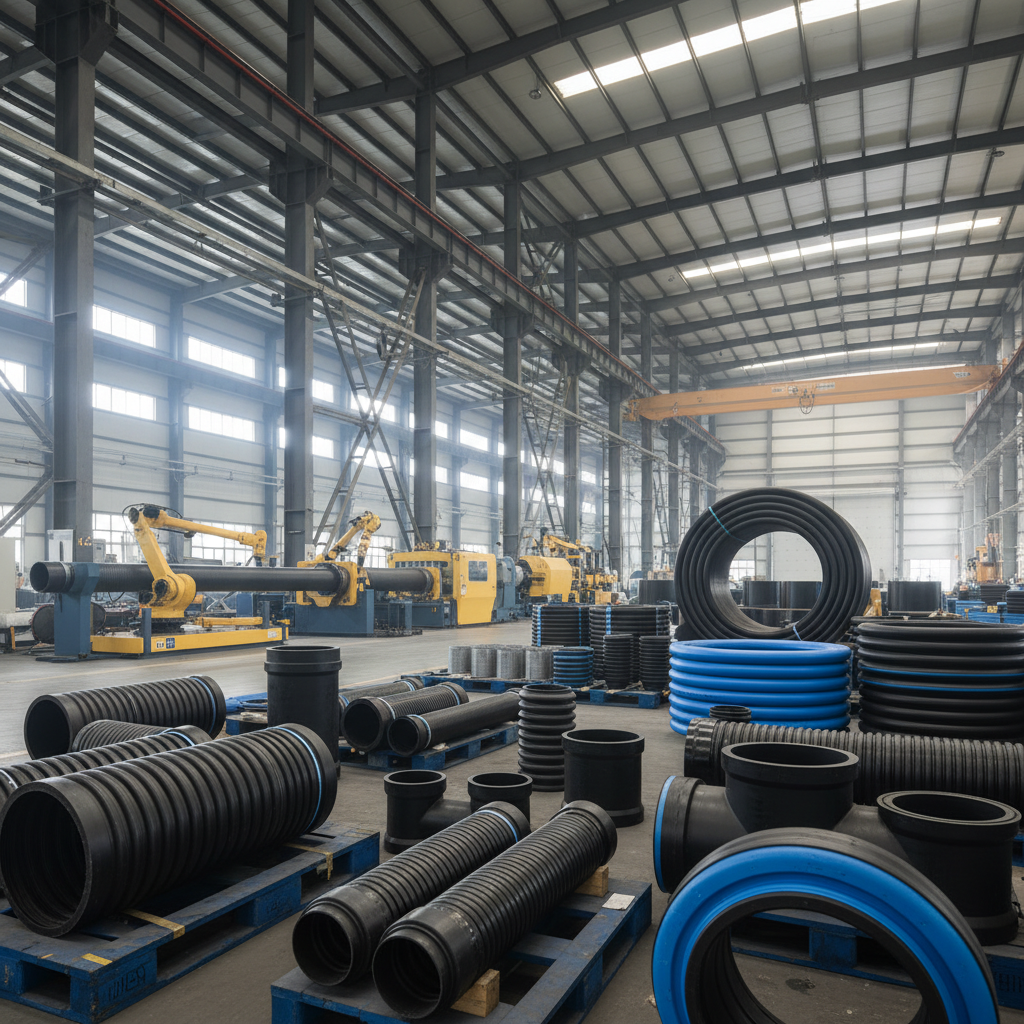
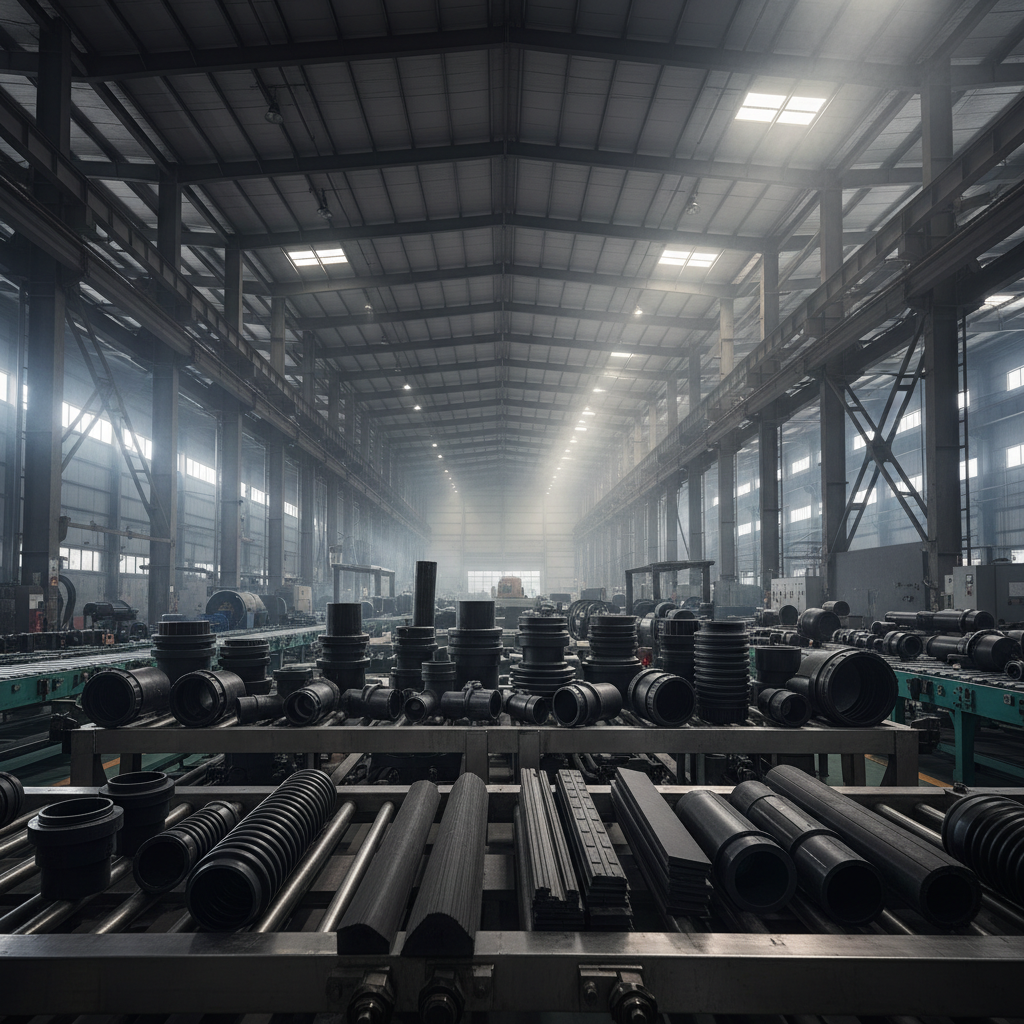
In the modern industrial landscape, the efficiency of fluid transport and structural assembly often hinges on the reliability of small but critical components. pvc tube fittings serve as the essential connectors that ensure leak-proof, durable, and cost-effective piping systems across various sectors. From chemical processing to simple irrigation, these components provide the necessary versatility to navigate complex architectural layouts.
The global demand for high-quality plastic connectors has surged as industries pivot away from heavy, corrosion-prone metals. By utilizing Polyvinyl Chloride (PVC), engineers can achieve a balance of lightweight handling and high structural integrity. Understanding the nuances of these fittings is not just about procurement; it is about optimizing the lifespan of an entire system and reducing maintenance overhead in the long run.
Whether you are managing a large-scale industrial plant or a specialized laboratory, selecting the right pvc tube fittings can mean the difference between seamless operation and costly downtime. This guide explores the technical foundations, global applications, and future innovations of PVC connectivity to help you make informed engineering decisions.
Global Industrial Relevance of PVC Connectivity
The global infrastructure for water management and chemical transport relies heavily on polymer science. According to international manufacturing trends, the shift toward thermoplastic components has reduced installation costs by nearly 30% in emerging markets. pvc tube fittings have become the gold standard for non-corrosive environments, solving the perennial problem of oxidation that plagued traditional galvanized steel pipes.
In regions with high salinity or acidic soil, the adoption of these fittings is not merely a preference but a necessity for survival. By adhering to ISO standards for pressure and tolerance, these components allow for the rapid deployment of critical utility lines in disaster-stricken areas or remote industrial zones, ensuring that clean water and essential fluids reach their destination without leakage.
Technical Definition and Material Composition
In simplest terms, pvc tube fittings are specialized connectors used to join sections of PVC tubing, change the direction of flow, or adapt the pipe size. They include a vast array of shapes such as elbows, tees, couplings, and caps, each engineered to maintain a hermetic seal under varying pressure conditions.
The "magic" of these components lies in the molecular structure of Polyvinyl Chloride. By blending the base resin with stabilizers and plasticizers, manufacturers can create fittings that are either rigid (uPVC) for structural support or flexible for dynamic environments. This material science ensures that the fittings can withstand UV exposure and chemical degradation over decades.
Modern industry views these fittings as the "sinews" of the plumbing and processing world. They bridge the gap between raw extrusion pipes and functional systems, enabling the creation of complex networks in hydroponics, medical devices, and industrial cooling systems with minimal effort and maximum reliability.
Core Engineering Factors for Durability
When evaluating the quality of pvc tube fittings, the first critical factor is Chemical Resistance. These components must remain inert when exposed to a wide range of solvents and acids, preventing the leaching of toxins into the fluid stream and ensuring the fitting does not become brittle over time.
Another pivotal aspect is Dimensional Precision. In high-pressure systems, even a micron-level deviation in the fitting's inner diameter can lead to catastrophic failure. High-grade pvc tube fittings are produced using precision injection molding to ensure a perfect interference fit with the mating tube.
Finally, Thermal Stability plays a huge role. Depending on the application, fittings may be exposed to extreme temperature fluctuations. Engineering these parts to have a low coefficient of thermal expansion prevents the joints from cracking or loosening during seasonal temperature shifts, maintaining system integrity throughout the year.
Performance Analysis of Connection Methods
Selecting the appropriate joining method for pvc tube fittings is as important as the material itself. Solvent welding creates a chemical bond that effectively fuses two pieces of plastic into one, offering the highest leak resistance. Conversely, threaded connections provide the advantage of disassembly for maintenance, though they require more precise torque control.
Depending on the pressure requirements and the frequency of system modifications, engineers must weigh the trade-offs between permanent chemical bonds and mechanical fasteners. The following data illustrates the performance ratings of various installation methods based on industrial benchmarks.
Comparison of pvc tube fittings Installation Methods
Global Applications and Sector Use Cases
The versatility of pvc tube fittings allows them to penetrate almost every industrial sector. In the agricultural sector, specifically in hydroponics and automated irrigation in the Middle East and North America, these fittings enable precise nutrient delivery systems that minimize water waste. Their immunity to root-zone chemicals makes them superior to metal alternatives.
Beyond agriculture, the medical and pharmaceutical industries utilize specialized, medical-grade PVC fittings for fluid transfer in dialysis machines and laboratory equipment. In these contexts, the fittings must meet stringent biocompatibility standards and be capable of withstanding sterilization processes without degrading, ensuring patient safety and experimental accuracy.
Long-Term Value and Economic Advantages
From a logical perspective, the primary value of pvc tube fittings is the dramatic reduction in Total Cost of Ownership (TCO). While the initial cost of plastic is lower than stainless steel, the real savings emerge from the lack of required anti-corrosion coatings and the reduced labor time during installation.
Emotionally and ethically, the use of these materials contributes to a safer working environment. The lightweight nature of PVC reduces workplace injuries associated with heavy lifting during plant construction. Furthermore, the reliability of these joints provides peace of mind to plant managers who no longer fear the sudden "pinhole leaks" common in aged metal piping.
Sustainability is the final piece of the value proposition. Modern PVC fittings are increasingly recyclable, and their longevity means fewer replacements over a 50-year lifecycle. By choosing high-quality components, companies not only protect their bottom line but also reduce their environmental footprint by minimizing industrial waste.
Future Trends in Plastic Piping Innovations
The next generation of pvc tube fittings is moving toward "Smart Piping." We are seeing the integration of embedded sensors within the fitting walls that can detect pressure drops or chemical leaks in real-time, sending alerts to a centralized digital twin of the facility. This convergence of materials science and IoT is transforming passive pipes into active diagnostic tools.
Sustainability is also driving the development of bio-based PVC alternatives. Researchers are exploring polymers derived from renewable biomass that maintain the same structural rigidity and chemical resistance as traditional PVC but with a significantly lower carbon footprint. This aligns with the global push toward "Green Manufacturing" and circular economy principles.
Automation in production is further refining the quality of these parts. 3D printing (additive manufacturing) is beginning to allow for the creation of custom, complex-geometry pvc tube fittings that were previously impossible to mold. This allows for highly optimized flow dynamics and reduces the number of fittings needed in a single system.
Analysis of Future PVC Fitting Technologies and Impact
| Innovation Type |
Primary Benefit |
Adoption Rate |
Industrial Impact |
| IoT Integrated Fittings |
Real-time leak detection |
Moderate |
High (Preventative) |
| Bio-based Polymers |
Carbon footprint reduction |
Low |
Medium (Regulatory) |
| 3D Printed Customs |
Optimized flow geometry |
Moderate |
High (Specialized) |
| UV-Enhanced Resin |
Extended outdoor lifespan |
High |
Medium (Durability) |
| Nano-composite PVC |
Ultra-high pressure resistance |
Low |
High (Safety) |
| Quick-Snap Connectors |
Rapid deployment speed |
High |
Medium (Efficiency) |
FAQS
The choice depends on your need for permanence. Solvent welding creates a chemical bond that is virtually leak-proof and permanent, making it ideal for high-pressure or underground installations. Threaded fittings are better if the system requires periodic disassembly for cleaning, maintenance, or part replacement, although they may require sealant tape to ensure a complete seal.
Standard PVC has temperature limits (typically up to 60°C or 140°F). If your application involves higher temperatures, you should look for CPVC (Chlorinated Polyvinyl Chloride) fittings, which are engineered to handle significantly higher heat without softening or losing structural integrity. Always check the specific rating of the component before installation.
Yes, provided you use fittings certified by recognized health organizations (such as NSF/ANSI). Food-grade and potable-water-grade PVC is formulated to ensure that no harmful chemicals leach into the water. Always verify that the fittings are labeled as "potable water safe" for residential or commercial drinking systems.
The most common cause is UV degradation; prolonged exposure to sunlight breaks down the polymer chains, making the plastic brittle. Other causes include "water hammer" (sudden pressure surges) or the use of incompatible chemical solvents that attack the PVC structure. Using UV-stabilized fittings and installing pressure-relief valves can mitigate these risks.
Proper preparation is key. First, deburr the edges of the tube and the fitting to ensure a clean mating surface. Second, use a PVC primer to soften the surface. Third, apply a consistent layer of solvent cement to both the tube and the fitting, push them together quickly, and give a quarter-turn to distribute the glue. Hold for 30 seconds before releasing.
They cannot be solvent-welded together because the chemical compositions are different. To join PVC with HDPE or PP, you must use mechanical transitions, such as compression fittings or flanged adapters. Attempting to glue different plastics will result in a failed joint and likely lead to leaks under pressure.
Conclusion
In summary, pvc tube fittings represent a critical intersection of material science and practical engineering. By offering a combination of chemical resistance, cost-efficiency, and ease of installation, they have revolutionized how we manage fluid transport across global industries. From the precision required in medical laboratories to the ruggedness needed in agricultural irrigation, the right fitting ensures system longevity and operational safety.
Looking ahead, the integration of smart sensors and bio-based materials will only enhance the value proposition of these components. For businesses seeking to optimize their infrastructure, investing in high-quality, certified PVC connectivity is a strategic move toward sustainability and reliability. We encourage you to evaluate your current systems and upgrade to modern, high-performance solutions. Visit our website: www.fygasketfactory.com