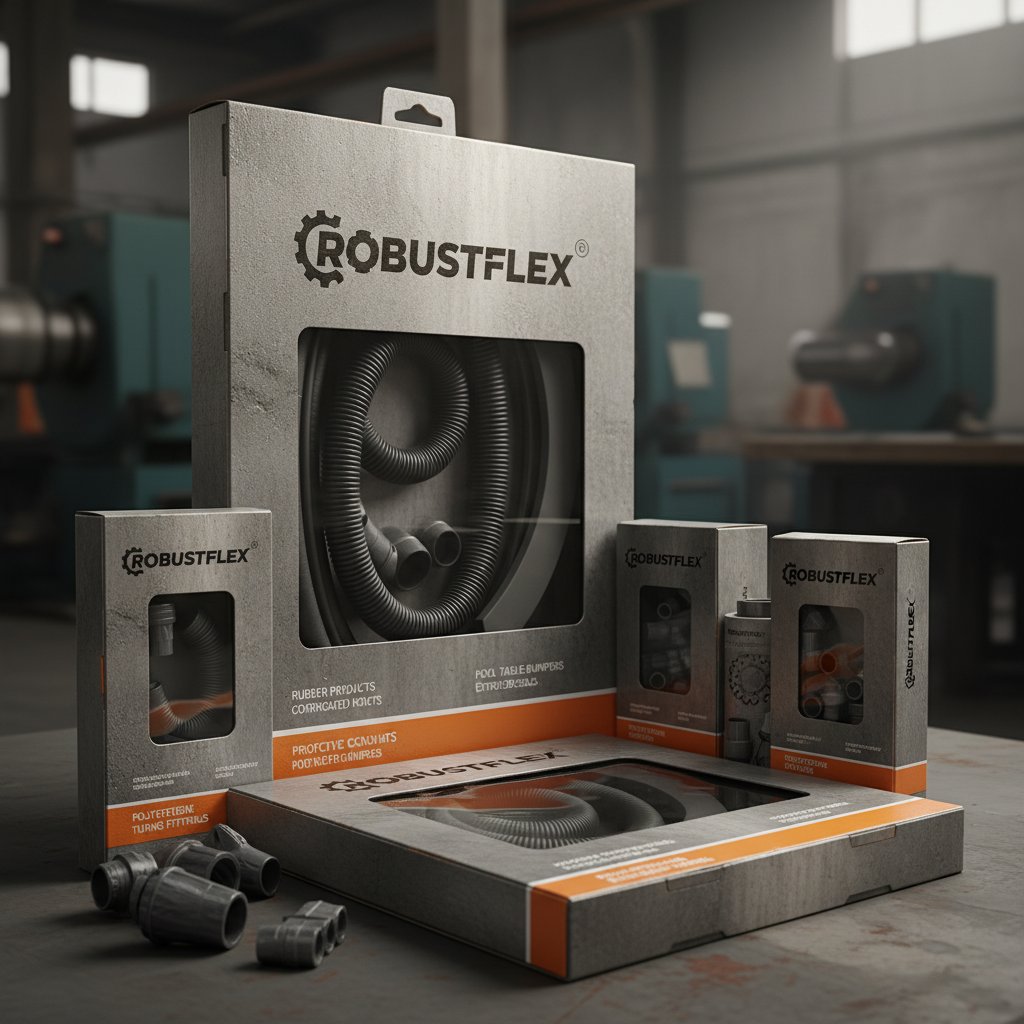
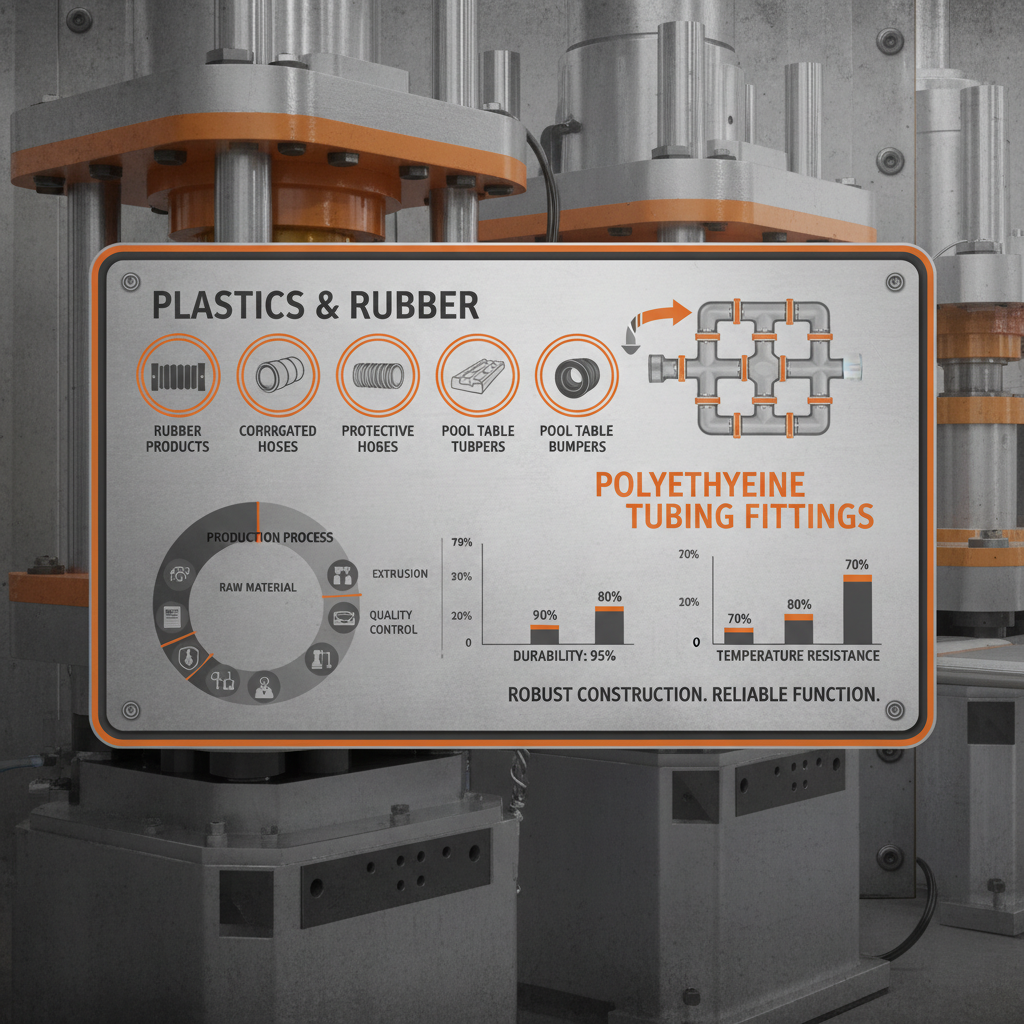
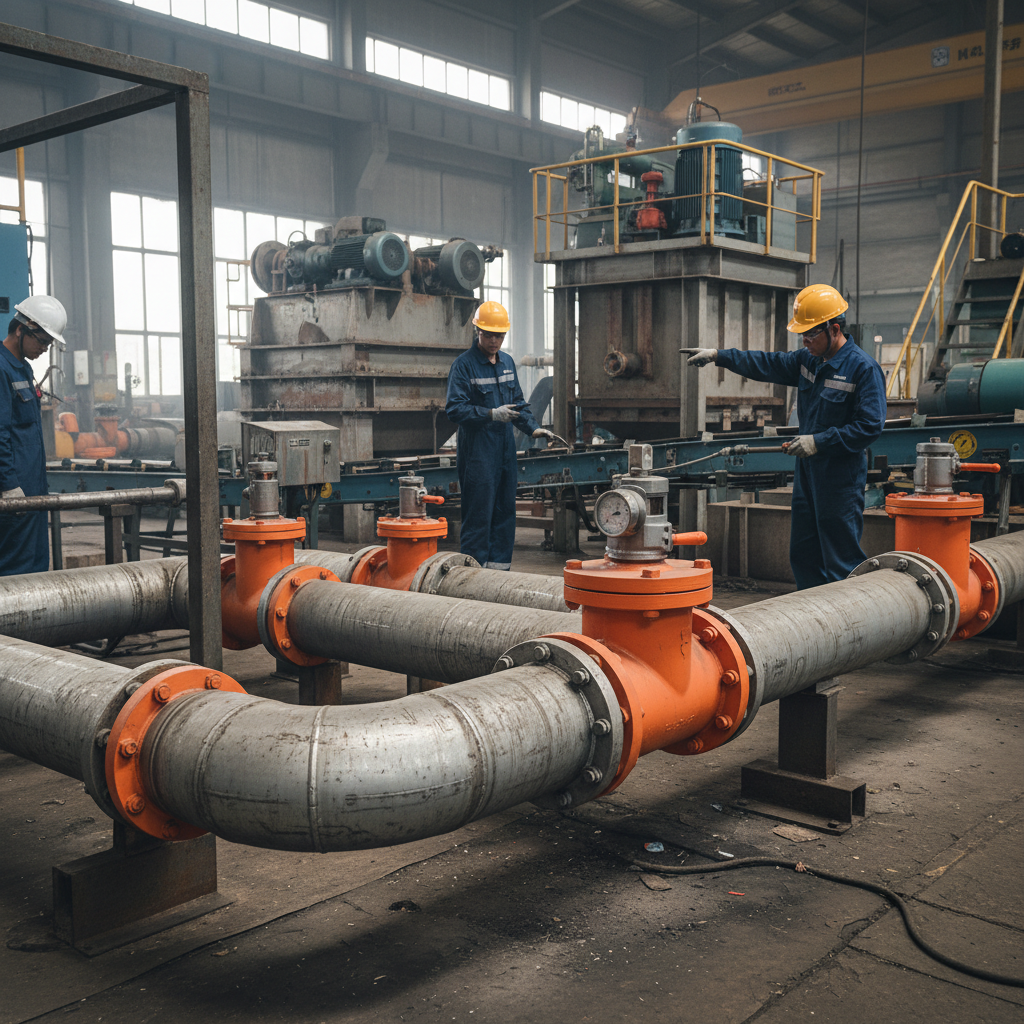
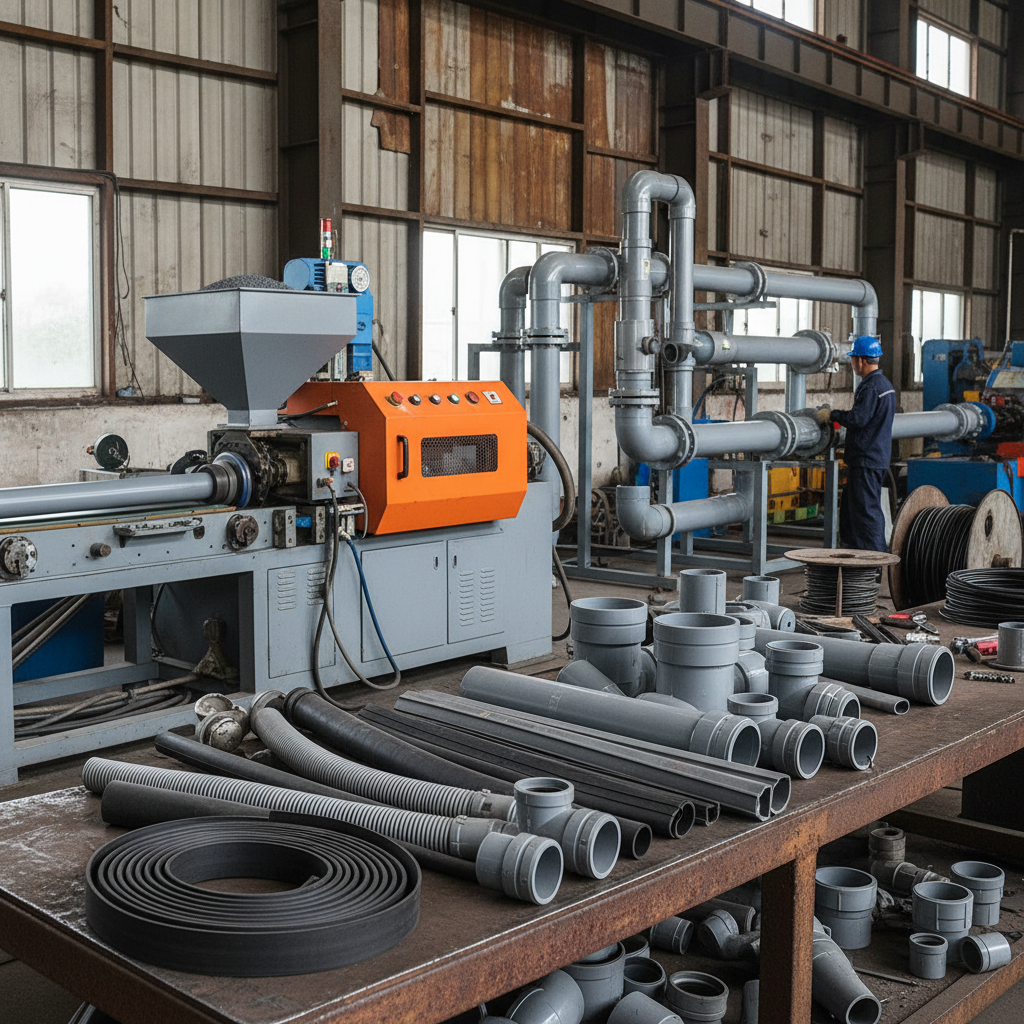
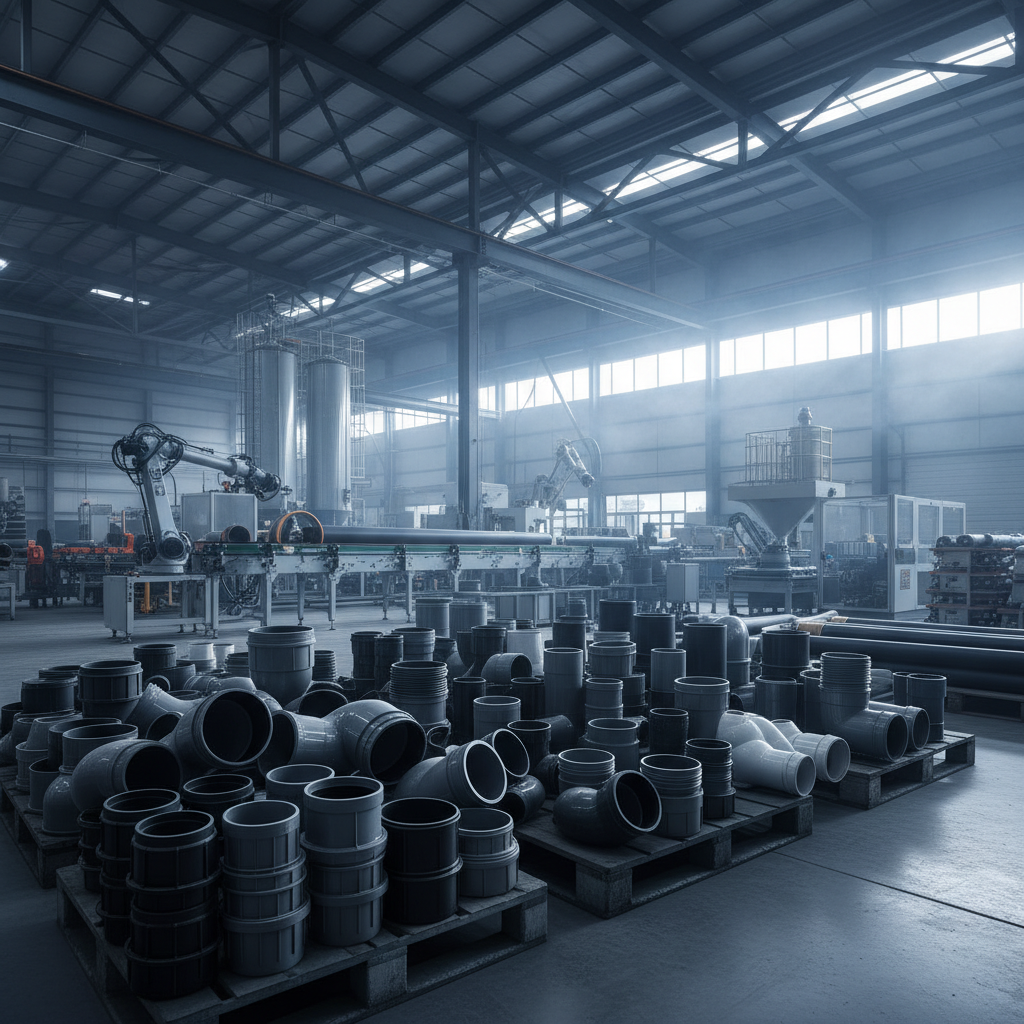
In the complex landscape of industrial fluid handling, polyethylene tubing fittings serve as the critical junctions that ensure system integrity and operational efficiency. These components are more than just connectors; they are engineered solutions designed to manage flow, pressure, and chemical compatibility across a diverse array of sectors, from water treatment to pneumatic control.
As global industries shift toward materials that offer a superior balance of weight, cost, and corrosion resistance, the adoption of high-density and linear low-density polyethylene components has surged. Understanding the nuances of these fittings—including their mechanical properties and installation methodologies—is essential for engineers looking to reduce downtime and prevent costly leaks in high-pressure environments.
By integrating precision-engineered polyethylene tubing fittings into their infrastructure, companies can achieve a higher degree of scalability and sustainability. This comprehensive guide explores the technical foundations, global applications, and future innovations of these essential plastic components to help you optimize your fluid transport systems.
Global Relevance and Industry Context
On a global scale, the demand for reliable fluid conveyance has led to a significant transition from traditional metallic piping to thermoplastic solutions. According to ISO standards and industrial market reports, the use of polyethylene tubing fittings has grown exponentially due to the increasing need for non-corrosive materials in chemical processing and municipal water distribution.
The primary challenge facing the industry has been the struggle to maintain leak-proof connections under fluctuating thermal conditions. In many developing regions, outdated infrastructure leads to significant water loss; however, the implementation of modern polyethylene fittings provides a durable, flexible, and cost-effective alternative that resists soil chemistry and environmental stress cracking.
Definition and Technical Meaning
In simple technical terms, polyethylene tubing fittings are specialized connectors used to join lengths of polyethylene (PE) tubing, adapt tube sizes, or connect tubing to other components like valves and pumps. They are typically manufactured through injection molding or precision machining and are designed to create a mechanical seal that prevents fluid or gas leakage.
These fittings are categorized based on their connection method, including push-to-connect, compression, and heat-fusion types. Each variety serves a specific industrial need, ensuring that the flexible nature of the PE tubing is balanced with the rigid stability of the fitting to maintain a consistent flow rate and structural integrity.
Beyond mere connectivity, these components address critical humanitarian and industrial needs. For instance, in rapid-deployment water systems for disaster relief, the ease of installation associated with these fittings allows for the quick establishment of potable water lines, demonstrating how a simple plastic component can have a profound impact on public health and safety.
Core Factors for Performance Optimization
Durability is the foremost factor when evaluating polyethylene tubing fittings. Because they are often exposed to harsh chemicals, UV radiation, and extreme temperature swings, the molecular density of the polymer determines the fitting's resistance to degradation. High-grade fittings prevent oxidative induction, ensuring the system remains operational for decades without failure.
Chemical Compatibility is equally vital, especially in the plastics and rubber manufacturing sectors. Polyethylene's inherent inertness allows these fittings to transport a wide range of acids and bases without reacting. This versatility makes them indispensable in laboratory settings and industrial waste management where metallic fittings would corrode rapidly.
Cost Efficiency and Scalability allow enterprises to deploy massive networks of tubing without the prohibitive costs of welding or heavy machinery. The lightweight nature of polyethylene tubing fittings reduces shipping costs and labor time, making it possible to scale irrigation or pneumatic systems across vast industrial zones with minimal overhead.
Global Applications and Use Cases
The practical application of polyethylene tubing fittings spans across multiple continents and sectors. In North America and Europe, they are heavily utilized in advanced hydroponics and automated greenhouse systems, where precise nutrient delivery is required. The flexibility of these fittings allows them to navigate complex architectural layouts without compromising flow efficiency.
In remote industrial zones, such as mining operations in Australia or oil fields in the Middle East, these components are used for temporary fluid transport lines. Their ability to be installed quickly and disassembled for relocation makes them ideal for dynamic environments where permanent infrastructure is not feasible or cost-effective.
Comparative Performance Analysis of Fitting Types
Long-Term Value and Strategic Advantages
The long-term value of utilizing polyethylene tubing fittings lies in the drastic reduction of lifecycle maintenance costs. Unlike metal fittings that require periodic painting or coating to prevent rust, PE fittings are naturally immune to oxidation. This translates to a "set-and-forget" reliability that provides peace of mind to facility managers and plant operators.
Beyond the logical financial gains, there is a significant emotional and ethical advantage: safety and trust. In medical-grade tubing or food-and-beverage processing, using certified non-toxic PE fittings ensures that no harmful contaminants leach into the fluid stream. This commitment to purity and safety fosters trust between the manufacturer and the end-user, ultimately enhancing the brand's reputation for quality.
Future Trends and Material Innovations
The future of polyethylene tubing fittings is being shaped by the drive toward "Green Chemistry" and a circular economy. We are seeing the emergence of bio-based polyethylene, derived from sugarcane or recycled ocean plastics, which maintains the same mechanical properties while significantly reducing the carbon footprint of the manufacturing process.
Digital transformation is also infiltrating the fittings industry. Smart fittings equipped with embedded sensors are being developed to monitor pressure drops and leakages in real-time. These IoT-enabled components can alert operators to a potential failure before it occurs, moving the industry from reactive maintenance to a predictive, data-driven model.
Furthermore, advances in additive manufacturing (3D printing) are allowing for the creation of custom-geometry fittings. This means that instead of relying on standard off-the-shelf sizes, engineers can design polyethylene tubing fittings tailored to the exact spatial constraints of a specific machine, reducing the number of joints needed and further lowering the risk of leaks.
Common Challenges and Engineering Solutions
One of the most persistent challenges with polyethylene tubing fittings is "creep"—the tendency of the plastic to slowly deform under constant mechanical stress. This can lead to loose connections over time, particularly in systems with high vibration or thermal cycling. To combat this, engineers are implementing reinforced inserts and hybrid metal-plastic compression rings.
Another common issue is the improper installation of push-fit connectors, where the tubing is not fully seated, leading to "blow-outs" under pressure. The solution lies in educational training and the adoption of standardized marking tools that indicate exactly where the tube should stop, ensuring a consistent and secure seal across all installation points.
Finally, managing UV degradation in outdoor installations remains a hurdle. While carbon black additives are commonly used to protect the material, the latest innovation involves the application of co-extruded UV-resistant layers. This ensures that polyethylene tubing fittings maintain their structural elasticity even after years of exposure to direct sunlight.
Technical Analysis of Polyethylene Fitting Solutions and Performance
|
Fitting Type
|
Pressure Rating
|
Chemical Resistance
|
Life Expectancy
|
|
Push-to-Connect
|
Medium (4-8 Bar)
|
High
|
10-15 Years
|
|
Compression
|
High (10-20 Bar)
|
Excellent
|
20+ Years
|
|
Heat Fusion
|
Ultra-High (25+ Bar)
|
Excellent
|
50 Years
|
|
Threaded PE
|
Medium (5-12 Bar)
|
High
|
15-20 Years
|
|
Barb/Clamp
|
Low (2-5 Bar)
|
Medium
|
5-10 Years
|
|
Hybrid Metal-PE
|
High (15-30 Bar)
|
High
|
25+ Years
|
FAQS
The most effective way to prevent leaks is to ensure a square cut of the tubing before insertion. Using a dedicated tube cutter avoids burrs or slanted edges that can compromise the O-ring seal. For high-pressure systems, compression fittings are generally more reliable than push-fit versions, as they provide a more robust mechanical grip on the tube wall.
Polyethylene has a limited thermal range compared to metals. While standard PE fittings work well up to approximately 60°C (140°F), exceeding this can lead to softening and potential failure. If your application requires higher temperatures, we recommend cross-linked polyethylene (PEX) fittings or hybrid components specifically rated for thermal stability.
While PE is exceptionally resistant to many acids, bases, and salts, it can be degraded by strong oxidizing agents or certain organic solvents (like aromatic hydrocarbons). Always consult a chemical compatibility chart for your specific medium to ensure the polymer grade of the fitting will not swell or degrade over time.
Choose push-to-connect for applications requiring fast installation, frequent reconfiguration, or low-to-medium pressure. Choose compression fittings for permanent installations, higher pressure requirements, or environments with significant vibration where a more secure, locked connection is critical for safety.
Push-fit connectors can often be reused if the internal O-ring remains intact and clean. However, compression fittings often deform the tubing slightly during installation; for maximum security, it is highly recommended to trim the end of the tube and use a new fitting to ensure a perfect, leak-proof seal.
Sourcing should focus on manufacturers who adhere to ISO 9001 and ASTM standards. It is essential to verify the resin grade used (e.g., HDPE vs LDPE) and request pressure test certifications. Partnering with experienced suppliers who provide technical support for system design ensures that the fittings chosen are appropriate for the local environmental conditions.
Conclusion
In summary, polyethylene tubing fittings represent a vital intersection of material science and practical engineering. From their exceptional corrosion resistance and cost-effectiveness to their versatility in global applications, these components provide the reliability necessary for modern industrial fluid transport. By focusing on key factors such as chemical compatibility and proper installation techniques, operators can significantly extend the lifespan of their infrastructure and reduce operational risks.
Looking ahead, the integration of sustainable bio-polymers and IoT-driven monitoring will further revolutionize how we manage fluid networks. We encourage engineers and procurement specialists to move beyond generic components and invest in precision-engineered fittings that offer long-term value and environmental sustainability. For high-quality solutions tailored to your specific industrial needs, visit our website: www.fygasketfactory.com.