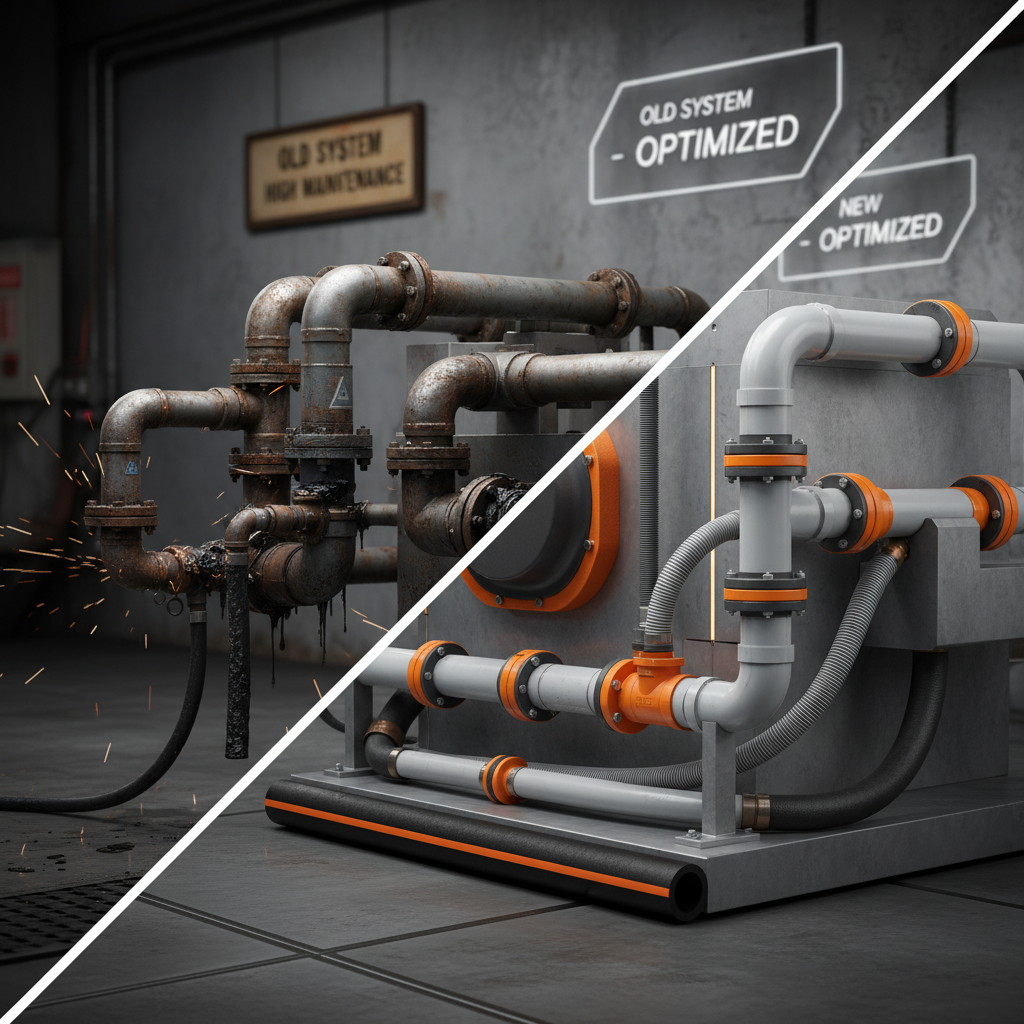
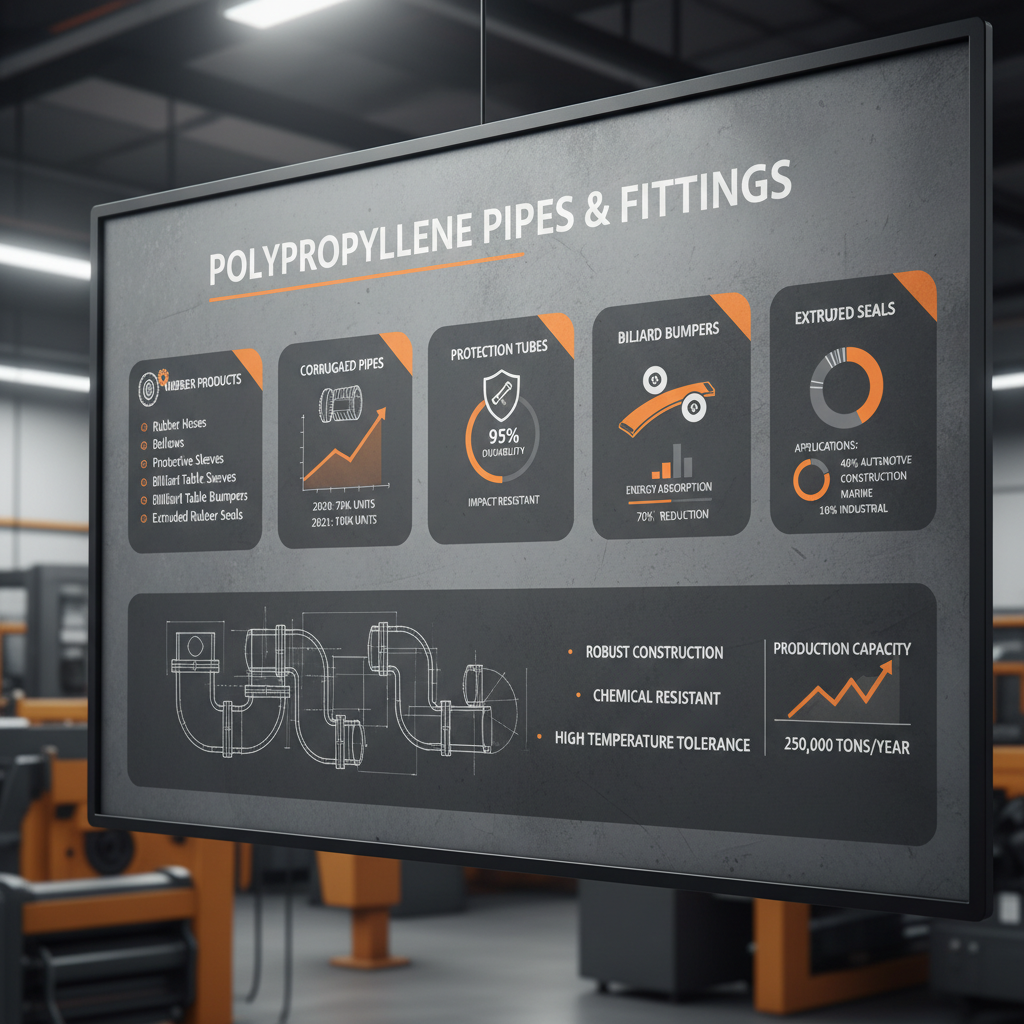
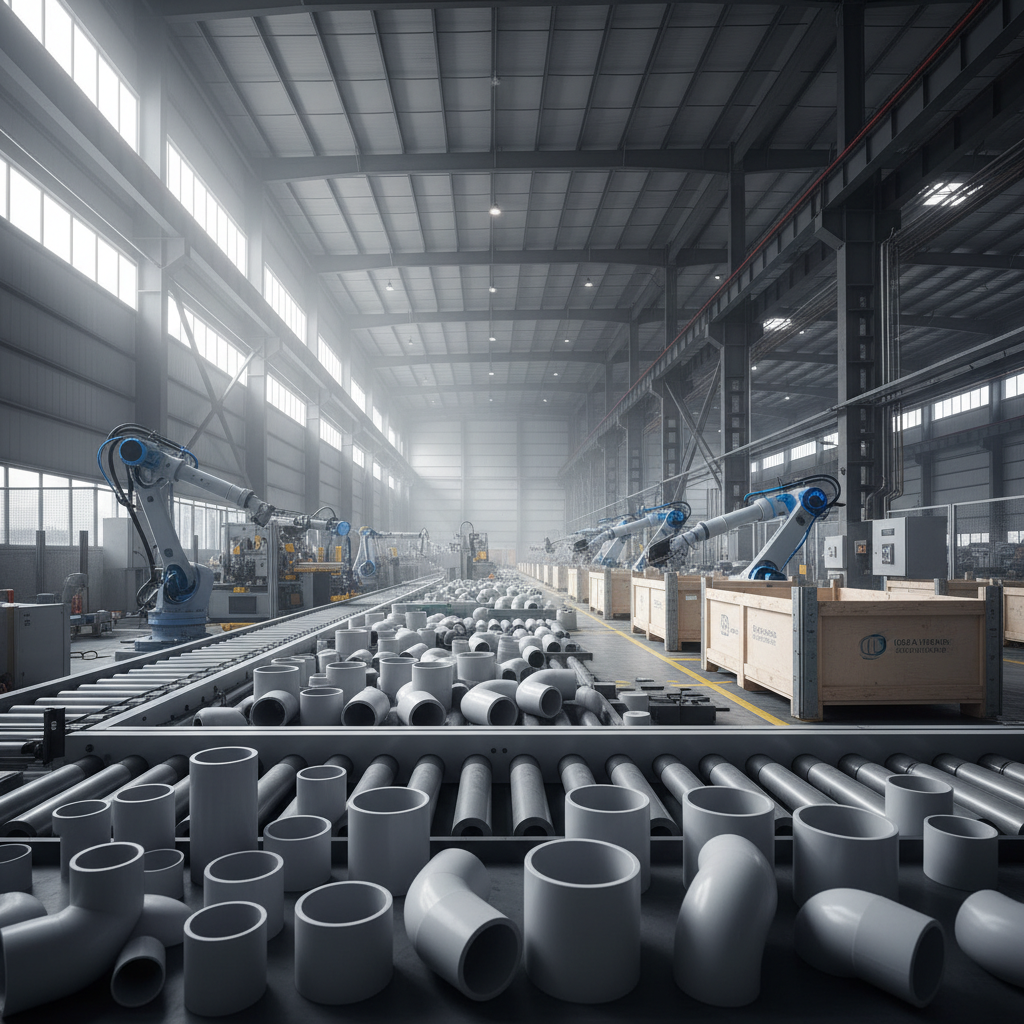
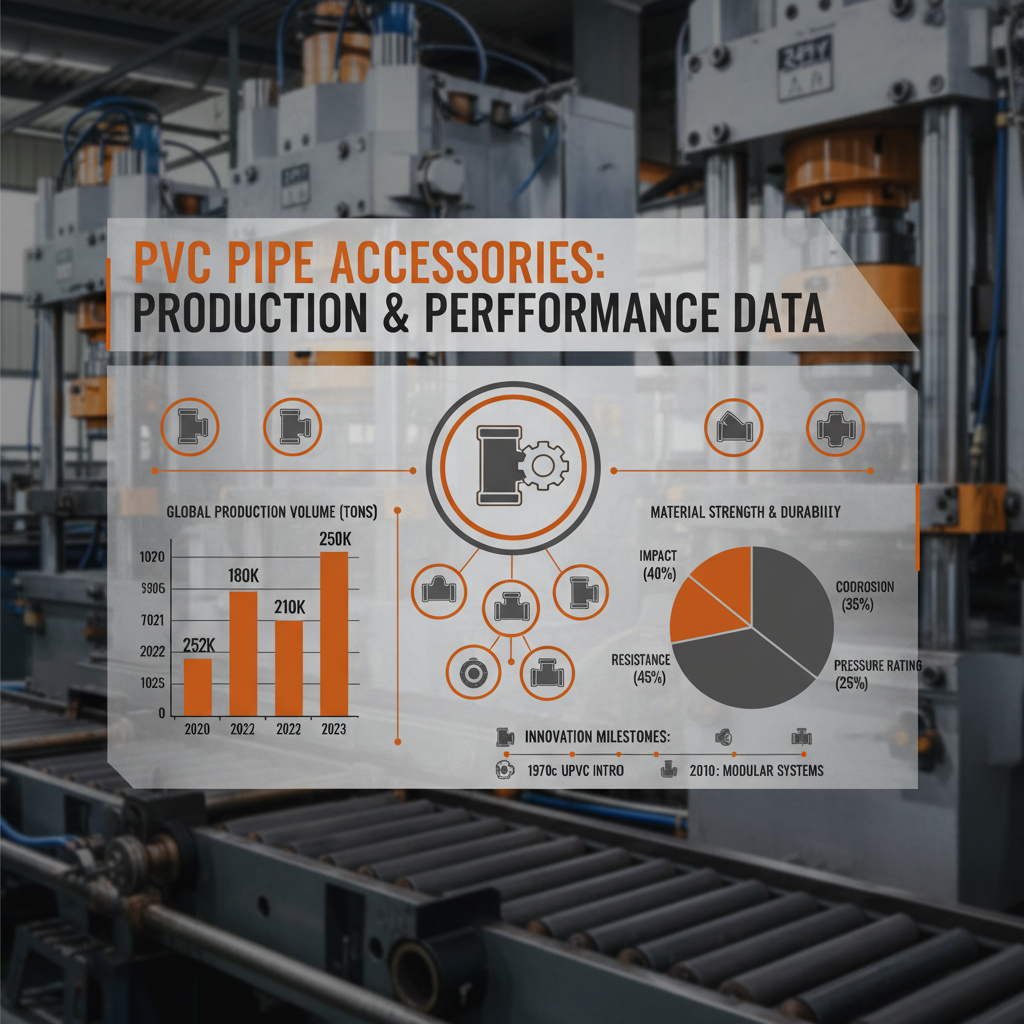
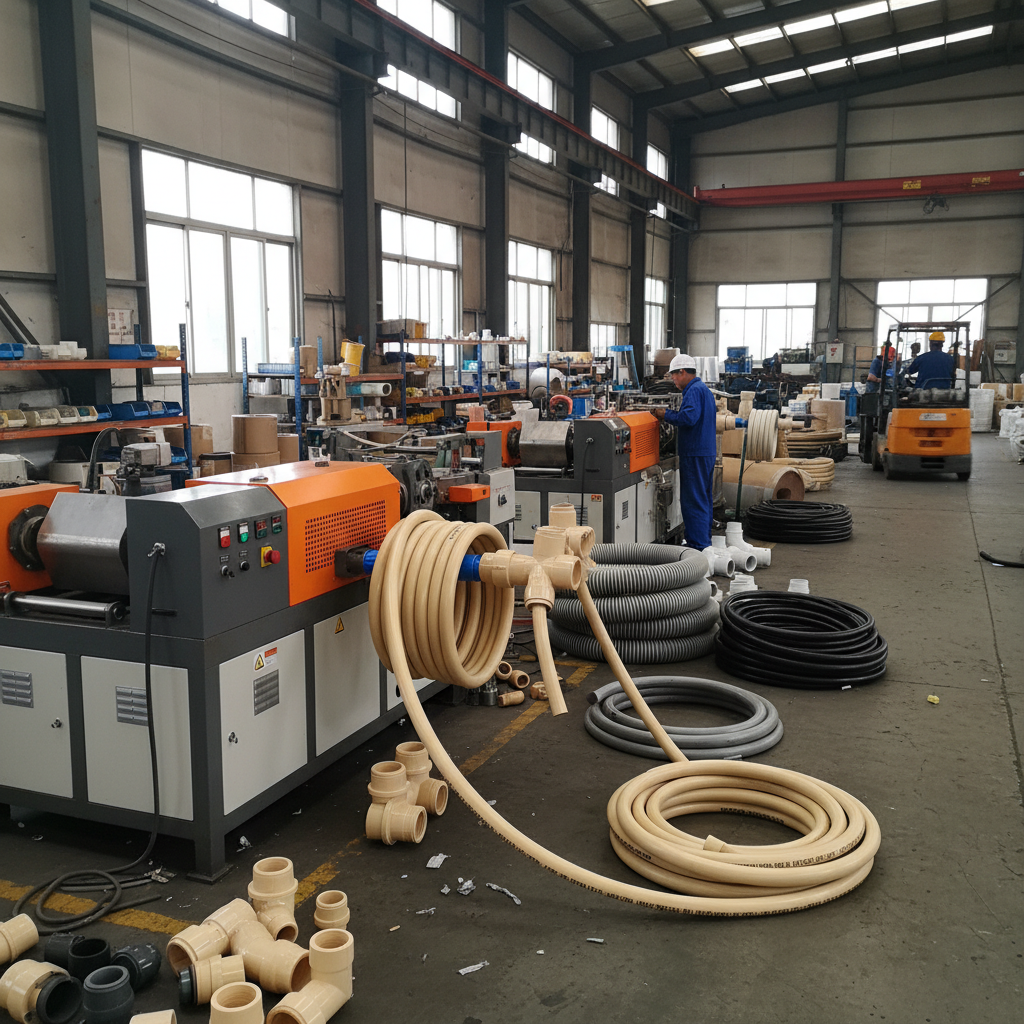
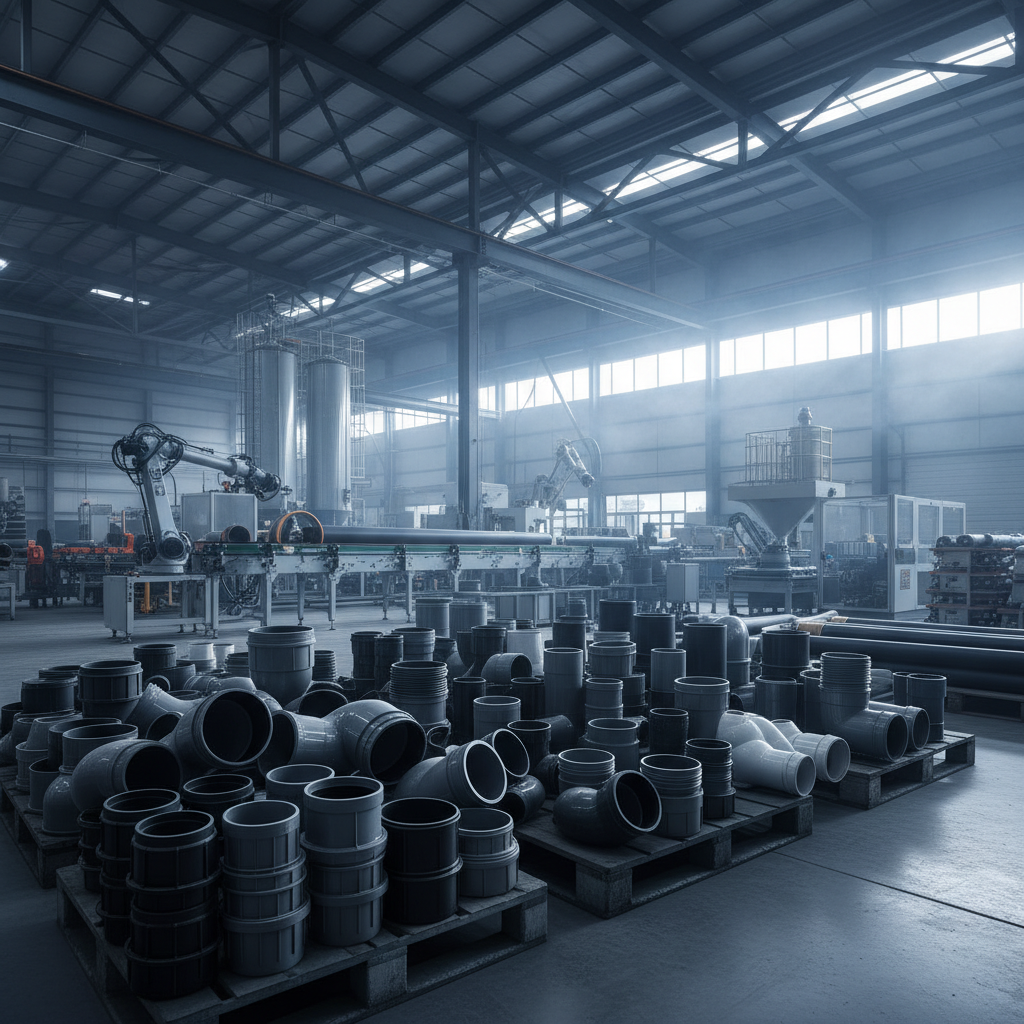
The global industrial landscape is witnessing a significant shift toward high-performance thermoplastic solutions, with polypropylene pipes and fittings emerging as a cornerstone for fluid transport and chemical handling. As industries strive for a balance between operational efficiency and material longevity, these components provide a versatile alternative to traditional metal piping, offering unmatched resistance to corrosion and a lightweight profile that simplifies installation.
From municipal water management to complex chemical processing plants, the adoption of these polymeric systems is driven by the need for materials that can withstand aggressive environments without degrading. The integration of precision-engineered polypropylene pipes and fittings ensures leak-proof joints and consistent flow rates, reducing the long-term maintenance overhead that typically plagues industrial infrastructure.
Understanding the technical nuances of these materials—ranging from their thermal stability to their mechanical strength—is essential for engineers and procurement specialists. By leveraging the unique properties of polypropylene, organizations can implement sustainable, cost-effective piping networks that align with modern environmental standards and rigorous safety protocols.
Global Relevance of Polypropylene Piping Systems
On a global scale, the demand for resilient infrastructure has propelled the use of polypropylene pipes and fittings into the mainstream. According to ISO standards for thermoplastic piping, the ability to maintain structural integrity under varying thermal pressures makes PP an ideal candidate for worldwide deployment, especially in regions where soil salinity and groundwater acidity would rapidly corrode steel or iron alternatives.
The challenge facing many developing industrial zones is the rapid degradation of water and waste conduits. By transitioning to advanced polymer systems, these regions can mitigate the risk of contamination and resource loss, ensuring that critical fluid transport remains uninterrupted. This shift not only enhances operational reliability but also aligns with global goals for sustainable urban development and industrialization.
Defining Polypropylene Pipes and Fittings
In simple technical terms, polypropylene pipes and fittings are specialized conduit systems manufactured from a linear isothermal polymer. Unlike standard plastics, these are engineered to possess high tensile strength and an exceptional resistance to chemical solvents, making them indispensable for transporting corrosive acids, alkalis, and high-temperature fluids in a closed-loop system.
The "fittings" aspect—including elbows, tees, reducers, and valves—is what transforms a simple pipe into a complex network. These components are typically joined through heat fusion or butt-welding, creating a monolithic structure where the joint is as strong as the pipe itself. This eliminates the common failure points found in threaded or glued connections.
Beyond industrial utility, these systems serve a broader humanitarian need by enabling the rapid deployment of clean water networks in remote areas. Because the material is lightweight and resistant to environmental stress cracking, it can be transported and installed in challenging terrains where traditional heavy machinery would be impractical.
Core Components of Material Excellence
The durability of polypropylene pipes and fittings is primarily rooted in their semi-crystalline structure. This molecular arrangement allows the material to absorb impact and resist fatigue, ensuring that the piping system does not become brittle over time, even when exposed to fluctuating temperature cycles in outdoor environments.
Chemical inertness is perhaps the most critical factor for industrial users. Polypropylene is naturally resistant to a wide array of chemical agents, meaning that polypropylene pipes and fittings do not react with the media they transport. This prevents the leaching of contaminants into the fluid and protects the pipe walls from thinning due to chemical erosion.
Scalability and ease of installation further define the value of these systems. Whether designing a small-scale laboratory drainage system or a massive industrial effluent line, the modular nature of these fittings allows for rapid configuration. The lower coefficient of friction on the inner walls also reduces pressure drops, enhancing the energy efficiency of the pumping systems.
Practical Applications in Industrial Contexts
In the real world, polypropylene pipes and fittings are extensively used in the chemical processing and pharmaceutical industries. In these environments, where purity and corrosion resistance are non-negotiable, PP systems are used to transport raw reagents and processed liquids without the risk of metallic contamination.
Furthermore, in post-disaster relief operations and remote mining sites, these systems are deployed for temporary yet robust water supply lines. Their ability to be quickly welded on-site allows NGOs and industrial contractors to establish critical infrastructure in hours rather than weeks, providing safety and dignity to affected populations.
Performance Comparison of Polypropylene Piping Methods
Long-Term Value and Sustainability Benefits
The transition to polypropylene pipes and fittings offers a compelling logical and emotional value proposition. Logically, the reduction in lifecycle costs is staggering; the absence of rust and scaling means that the inner diameter remains constant, maintaining flow efficiency for decades. This translates to lower energy consumption for pumps and a drastic reduction in emergency repair costs.
From a sustainability perspective, polypropylene is a recyclable thermoplastic. By utilizing materials that have a longer service life and can be repurposed at the end of their utility, industries reduce their overall carbon footprint. This commitment to innovation builds trust with stakeholders and ensures that the infrastructure of today does not become the environmental burden of tomorrow.
Emerging Trends in Polymer Piping Technology
The future of polypropylene pipes and fittings is being shaped by the integration of smart materials. We are seeing the rise of "intelligent piping" where conductive layers are embedded within the polymer wall to detect leaks or wall-thinning in real-time via electrical impedance tomography, effectively digitizing the fluid transport network.
Additionally, the move toward "Green Chemistry" is influencing the production of these pipes. New catalysts are being developed to create polypropylene with higher purity and lower volatile organic compound (VOC) emissions, making them even safer for use in high-purity water and medical applications.
Automation in manufacturing, particularly the use of robotic precision welding, is also eliminating human error in the installation process. This ensures that every joint in a polypropylene pipes and fittings system meets the strictest pressure-test requirements, further enhancing the safety of high-pressure industrial operations.
Overcoming Implementation Challenges
Despite their advantages, implementing polypropylene pipes and fittings is not without challenges. One common limitation is the material's thermal expansion coefficient, which is higher than that of metals. If not properly accounted for during design, this can lead to stress on the joints during extreme temperature swings.
The solution lies in the strategic use of expansion loops and flexible couplings. Expert engineers now utilize advanced CAD simulation software to predict the exact movement of the piping network, allowing for the installation of supports that accommodate movement without compromising the integrity of the weld.
Another hurdle is the requirement for specialized welding equipment and certified technicians. To overcome this, many manufacturers are providing comprehensive training and "plug-and-play" modular components that reduce the reliance on complex on-site welding, making high-quality polymer systems accessible to smaller firms.
Comparative Analysis of Polypropylene Implementation Factors
| Factor |
Traditional Steel |
Standard PP |
Reinforced PP |
| Corrosion Resistance |
Low |
High |
Very High |
| Installation Speed |
Slow |
Fast |
Medium |
| Lifecycle Cost |
High (Maintenance) |
Low |
Very Low |
| Weight Factor |
Heavy |
Light |
Medium |
| Chemical Range |
Limited |
Broad |
Broad |
| Environmental Impact |
Medium |
Low (Recyclable) |
Low |
FAQS
Polypropylene generally offers superior thermal stability and resistance to a wider range of aggressive chemicals and higher temperatures compared to PVC. While PVC is excellent for cold-water applications, PP is the preferred choice for industrial processes involving hot acids or alkalis, as it remains ductile and strong at temperatures where PVC might soften or deform.
When installed according to industry standards, polypropylene pipes and fittings can easily last 50 years or more. Because they are immune to electrochemical corrosion and rust, they do not suffer from the wall-thinning that affects metal pipes. The primary factor influencing longevity is the correct execution of the heat-fusion welds during installation.
Yes, provided they are manufactured from food-grade, virgin polypropylene resins that comply with international health standards (such as FDA or NSF). Polypropylene is non-toxic and does not leach harmful chemicals into the water, making it a safe and hygienic choice for both industrial and municipal drinking water systems.
The most common method is butt-fusion or socket-fusion welding. This involves heating the ends of the pipe and the fitting to a precise melting point and then pressing them together. This creates a molecular bond, effectively turning the two pieces into one continuous piece of plastic, which ensures a leak-proof joint under high pressure.
Polypropylene is capable of handling significant pressures, but the limit depends on the pipe's wall thickness (SDR rating) and the operating temperature. For extremely high-pressure needs, reinforced polypropylene (glass-fiber reinforced) is used to increase the hoop strength and prevent deformation, allowing it to compete with metal systems in heavy-duty roles.
Yes. Because PP is a thermoplastic, it can be repaired using electro-fusion couplings or by cutting out the damaged section and welding in a new piece of pipe and two couplings. This makes the maintenance of polypropylene pipes and fittings far more flexible than concrete or cast-iron systems.
Conclusion
In summary, polypropylene pipes and fittings represent a critical evolution in material science, providing an optimal blend of chemical resilience, structural durability, and cost-effectiveness. By addressing the inherent weaknesses of traditional metallic piping—namely corrosion and high maintenance—these polymer systems ensure a more reliable and sustainable infrastructure for global industries.
Looking forward, the integration of smart monitoring and eco-friendly manufacturing will further cement the role of PP in the industrial landscape. For organizations seeking to future-proof their operations, investing in high-quality thermoplastic piping is not merely a technical upgrade, but a strategic move toward operational excellence and environmental responsibility. Visit our website: www.fygasketfactory.com