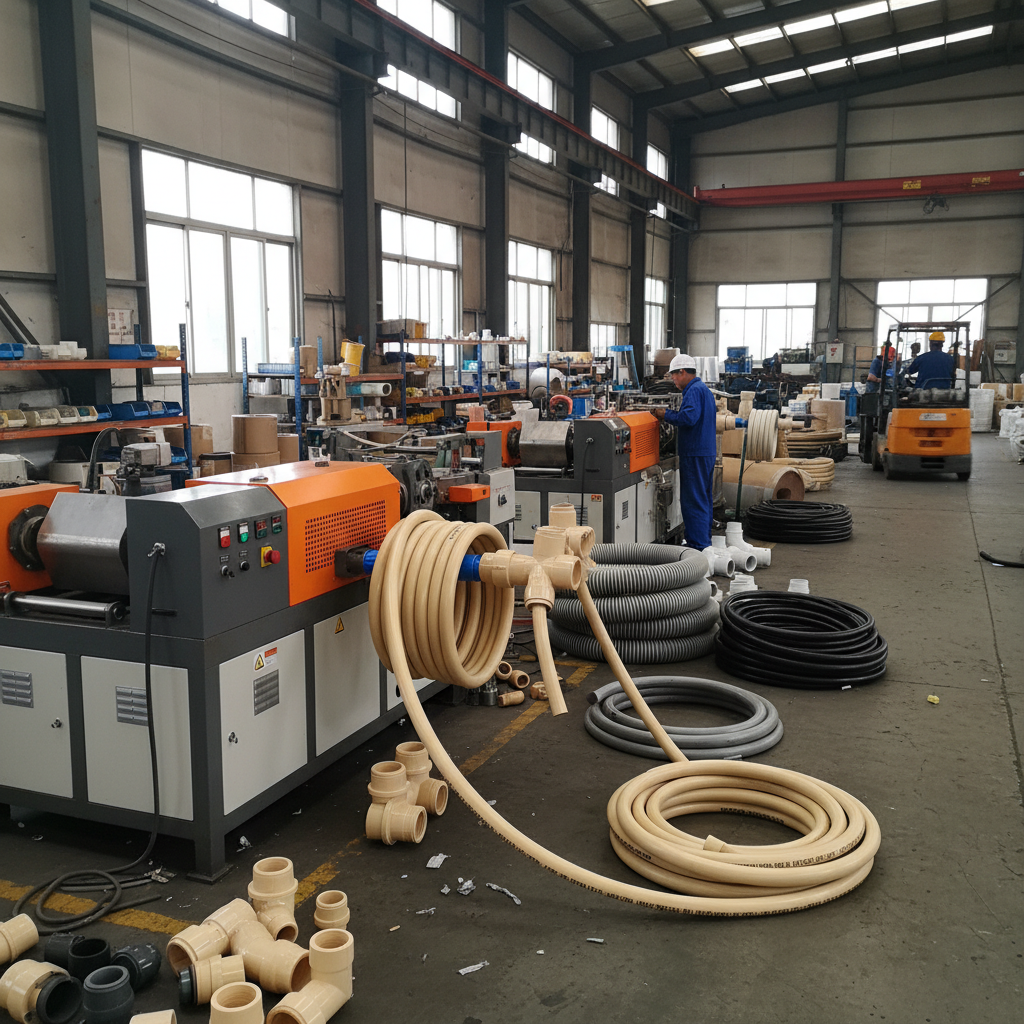
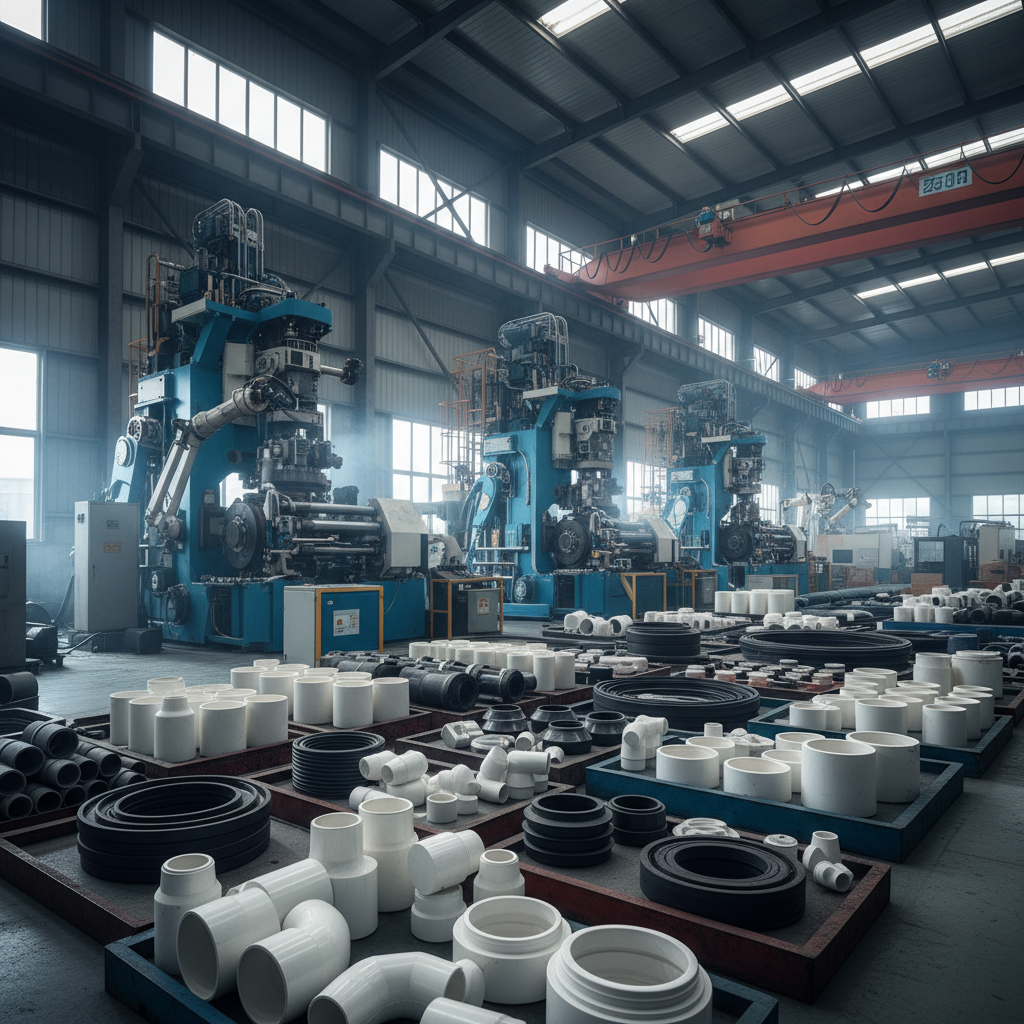
In the realm of modern agricultural infrastructure, pvc irrigation pipe fittings serve as the critical junctions that ensure the efficient delivery of water to crops. These components are not merely connectors but are engineered solutions that prevent leaks, manage water pressure, and allow for the complex routing required in diverse terrains. By optimizing the flow of water, these fittings directly impact crop yield and resource conservation on a global scale.
The global shift toward precision agriculture has highlighted the indispensable role of high-quality pvc irrigation pipe fittings in reducing water waste. As water scarcity becomes a pressing issue highlighted by organizations like the World Bank, the demand for durable, corrosion-resistant plumbing solutions has surged. Transitioning from traditional metal piping to advanced polymer fittings has allowed farmers to build more resilient systems that withstand harsh environmental conditions.
Understanding the nuances of these components—from material grade to connection methods—is essential for any operation looking to scale its irrigation capacity. Whether it is for a small-scale greenhouse or a massive commercial plantation, the right choice of pvc irrigation pipe fittings ensures long-term structural integrity and operational cost-efficiency. This guide explores the technical advantages, global applications, and future innovations driving this industry forward.
Global Relevance of PVC Irrigation Pipe Fittings
The global agricultural landscape is currently facing a dual crisis: increasing food demand and dwindling freshwater reserves. In this context, pvc irrigation pipe fittings have become a cornerstone of sustainable water management. By providing leak-proof connections, these fittings enable the implementation of drip and sprinkler systems that deliver water directly to the root zone, significantly reducing evaporative loss.
From the expansive vineyards of California to the emerging agricultural hubs in Sub-Saharan Africa, the adoption of PVC-based systems has democratized access to efficient irrigation. The lightweight nature of these components allows for rapid deployment in remote areas, ensuring that food security can be bolstered even in regions with limited heavy machinery or technical infrastructure.
Technical Definition and Industrial Meaning
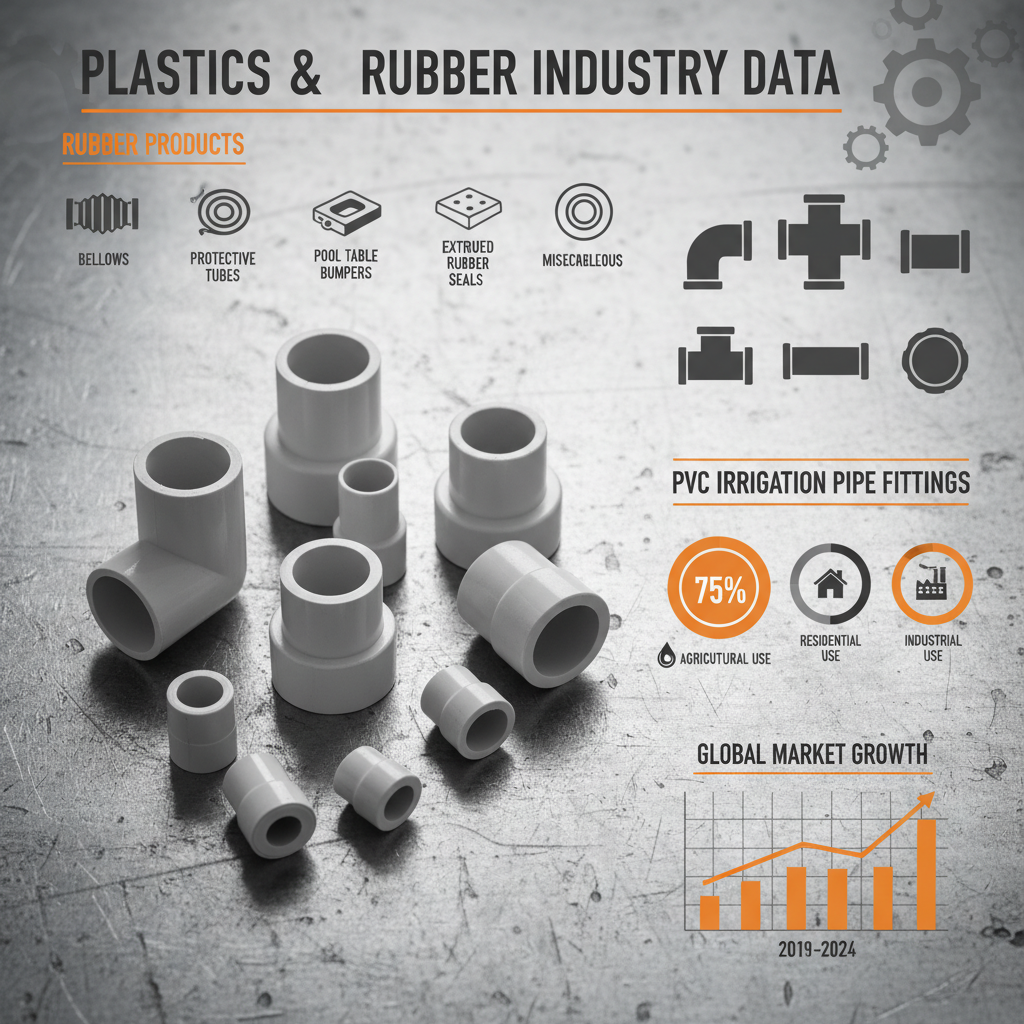
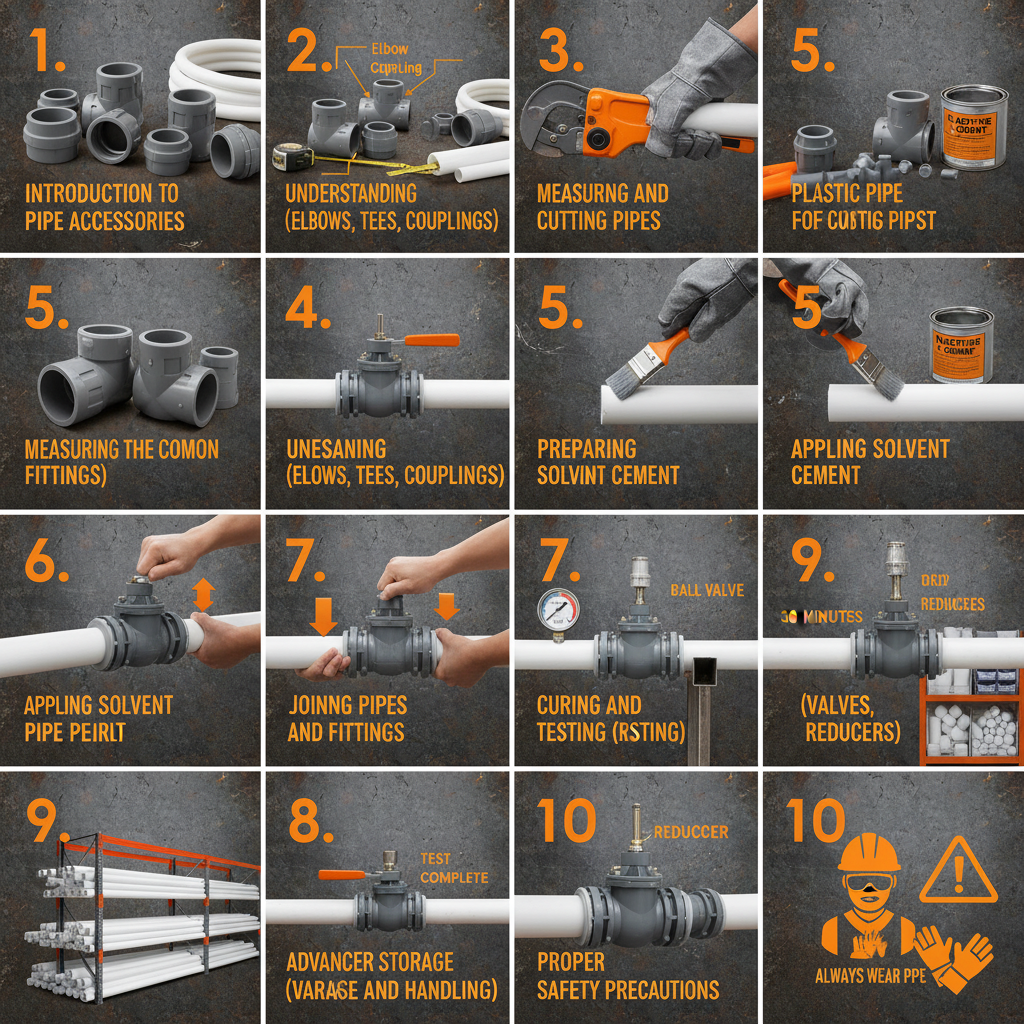
In simple technical terms, pvc irrigation pipe fittings are specialized components made from Polyvinyl Chloride that are used to join pipe sections, change the direction of flow, or adapt pipe sizes within an irrigation network. These include elbows, tees, couplings, and adapters, each engineered to maintain a watertight seal under varying pressure levels.
Beyond the physical definition, these fittings represent a shift toward "industrialized farming." By utilizing standardized dimensions and high-tolerance manufacturing, they allow for the modular expansion of irrigation networks. This means a farmer can scale their operation from a few acres to hundreds without needing to redesign the entire hydraulic architecture of their land.
From a humanitarian perspective, the affordability and ease of installation of these PVC components have made them essential for NGO-led water projects. In disaster-recovery zones, the ability to quickly assemble clean water distribution lines using these fittings can be the difference between a health crisis and a stable recovery.
Core Factors Driving Performance and Durability
The primary driver of quality in pvc irrigation pipe fittings is chemical stability. Unlike metal fittings, PVC does not rust or corrode when exposed to fertilizers, acidic soils, or saline water, making it the ideal choice for long-term underground burial.
UV resistance is another critical factor. High-grade pvc irrigation pipe fittings are often treated with stabilizers to prevent the material from becoming brittle when exposed to intense sunlight, ensuring that surface-level piping remains flexible and crack-resistant over decades.
Finally, the precision of the socket fit determines the overall reliability of the system. A perfectly engineered fitting ensures that the solvent weld or threaded connection creates a monolithic bond, eliminating the risk of pressure drops that could jeopardize the uniformity of water distribution across a field.
Global Applications and Use Cases
The versatility of pvc irrigation pipe fittings allows them to be utilized across a vast array of environments. In large-scale commercial agriculture, they are used to build main-line headers and sub-main distribution networks that feed thousands of drip emitters. In these settings, the ability to withstand high surge pressures is paramount.
In urban landscaping and hydroponic vertical farms, these fittings are used to create intricate nutrient-delivery systems. The smooth interior walls of the PVC material prevent the buildup of algae and mineral deposits, ensuring that nutrient-rich water reaches the plants without obstruction.
Efficiency Ratings of Various PVC Irrigation Pipe Fittings Methods
Long-Term Value and Sustainability Advantages
Investing in high-quality pvc irrigation pipe fittings provides an immediate reduction in operational overhead. Because they are lightweight, transportation costs are significantly lower than those for ductile iron or steel alternatives. Furthermore, the ease of installation reduces the labor hours required for setup and subsequent maintenance.
From a sustainability standpoint, the longevity of PVC reduces the frequency of replacement, thereby lowering the total volume of plastic waste entering the environment over the system's lifecycle. When paired with smart irrigation controllers, these fittings enable a level of water precision that can reduce total agricultural water consumption by up to 40%, protecting precious aquifers for future generations.
Future Trends and Material Innovations
The future of pvc irrigation pipe fittings is leaning heavily toward "smart materials." We are seeing the development of PVC blends that incorporate antimicrobial agents to prevent biofilm buildup inside the pipes, which is a common cause of emitter clogging in drip irrigation systems.
Additionally, the industry is moving toward a circular economy. New chemical recycling processes are being developed that allow old PVC fittings to be broken down to their monomer state and reformed into new, high-pressure components without losing structural integrity. This transforms the product from a consumable into a sustainable asset.
Digital transformation is also playing a role, with some manufacturers experimenting with RFID tags embedded in fittings. This allows farm managers to map their entire underground network digitally, making it possible to locate leaks or malfunctions using ground-penetrating radar and digital twins.
Challenges and Expert Solutions in Installation
One of the most common challenges with pvc irrigation pipe fittings is improper solvent welding. If the pipe is not properly primed or if the glue is applied unevenly, the joint becomes the weakest point of the system, often failing during the first high-pressure seasonal startup.
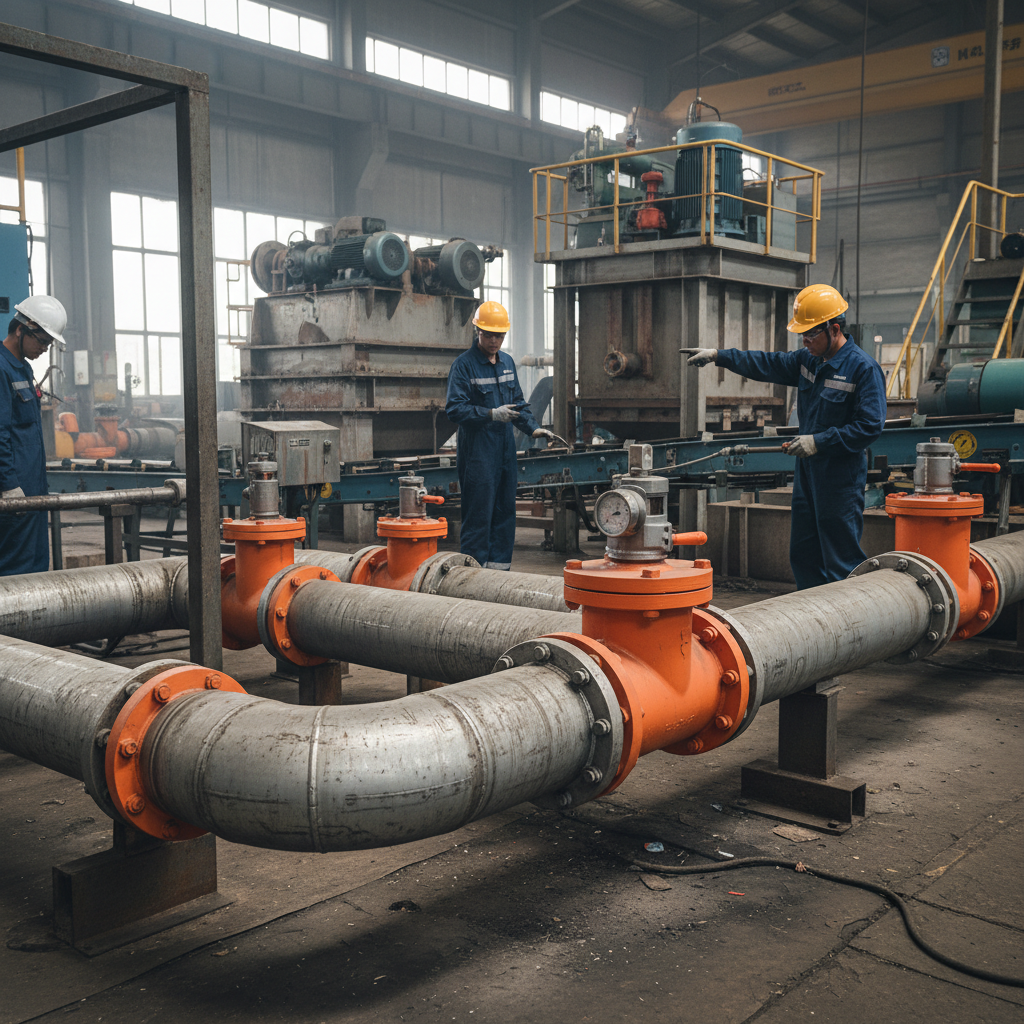
Another hurdle is "water hammer"—the pressure surge that occurs when a valve is closed too quickly. This can cause sudden stress on the fittings, leading to catastrophic bursts. Expert installers mitigate this by incorporating air release valves and gradual-close actuators to stabilize the internal hydraulics.
Thermal expansion is also a factor in extreme climates. To prevent fittings from pulling apart during temperature swings, professional designs include expansion loops and flexible couplings. These allow the system to "breathe" without stressing the rigid PVC joints.
Comparative Analysis of PVC Fitting Installation Specifications
| Fitting Type |
Join Method |
Pressure Rating |
Difficulty Level |
| Standard Elbow |
Solvent Weld |
High (160 PSI) |
Low |
| Reducing Tee |
Solvent Weld |
High (160 PSI) |
Medium |
| Female Adapter |
Threaded |
Medium (100 PSI) |
Low |
| Ball Valve Fitting |
Slip/Threaded |
Medium (120 PSI) |
Medium |
| Coupling |
Compression |
Medium (110 PSI) |
Low |
| Custom Manifold |
Hybrid |
Variable |
High |
FAQS
Choosing the right size depends on the flow rate requirements of your crop. You must match the fitting's nominal diameter to the outer diameter (OD) of your piping. We recommend using a piping calculator to determine the required gallons per minute (GPM) and selecting fittings that minimize pressure drop across the system.
Standard PVC fittings are generally not recommended for hot water as they can soften and lose structural integrity at high temperatures. If your irrigation system involves heated water or hydrothermal energy, you should look into CPVC (Chlorinated Polyvinyl Chloride) fittings, which are specifically designed for higher thermal thresholds.
Solvent welding uses a chemical reaction to fuse the two pieces of PVC into one solid piece, creating a permanent, leak-proof bond ideal for underground lines. Threading allows for the fittings to be disassembled for maintenance or seasonal removal. Solvent welding is generally stronger and more resistant to leaks under high pressure.
When installed correctly and made from high-quality virgin PVC resin, these fittings can last 50 years or more. Their resistance to soil chemicals and moisture prevents the decay seen in metal pipes. The primary risk to longevity is external mechanical damage or extreme seismic shifting in the soil.
While PVC is a synthetic polymer, its environmental value comes from its efficiency. By enabling precision irrigation, it drastically reduces water waste. Additionally, the emerging trend of PVC recycling means that these components can be repurposed, reducing the overall environmental footprint compared to energy-intensive metal production.
For solvent-welded joints, you cannot simply "re-glue" a leak; the joint must be cut out and replaced with a new coupling. For threaded or compression fittings, check the seal tape or O-ring. We recommend performing a pressure test on all new installations before burying the pipes to identify and fix these issues early.
Conclusion
In summary, pvc irrigation pipe fittings are far more than simple plastic connectors; they are the vital infrastructure that enables modern, sustainable, and scalable water management. From their inherent resistance to corrosion and UV degradation to their ability to facilitate precision drip systems, these components ensure that every drop of water is used effectively. By balancing technical precision with cost-efficiency, they provide the reliability needed to sustain global food production in an era of climatic uncertainty.
Looking forward, the integration of smart materials and circular recycling will further enhance the value proposition of PVC systems. For farmers, engineers, and NGOs, the priority should be investing in high-grade, certified fittings that guarantee long-term performance. As we move toward a future of "intelligent agriculture," the foundation will always be a leak-proof, durable network of fittings. To explore professional-grade solutions for your next project, visit our website: www.fygasketfactory.com