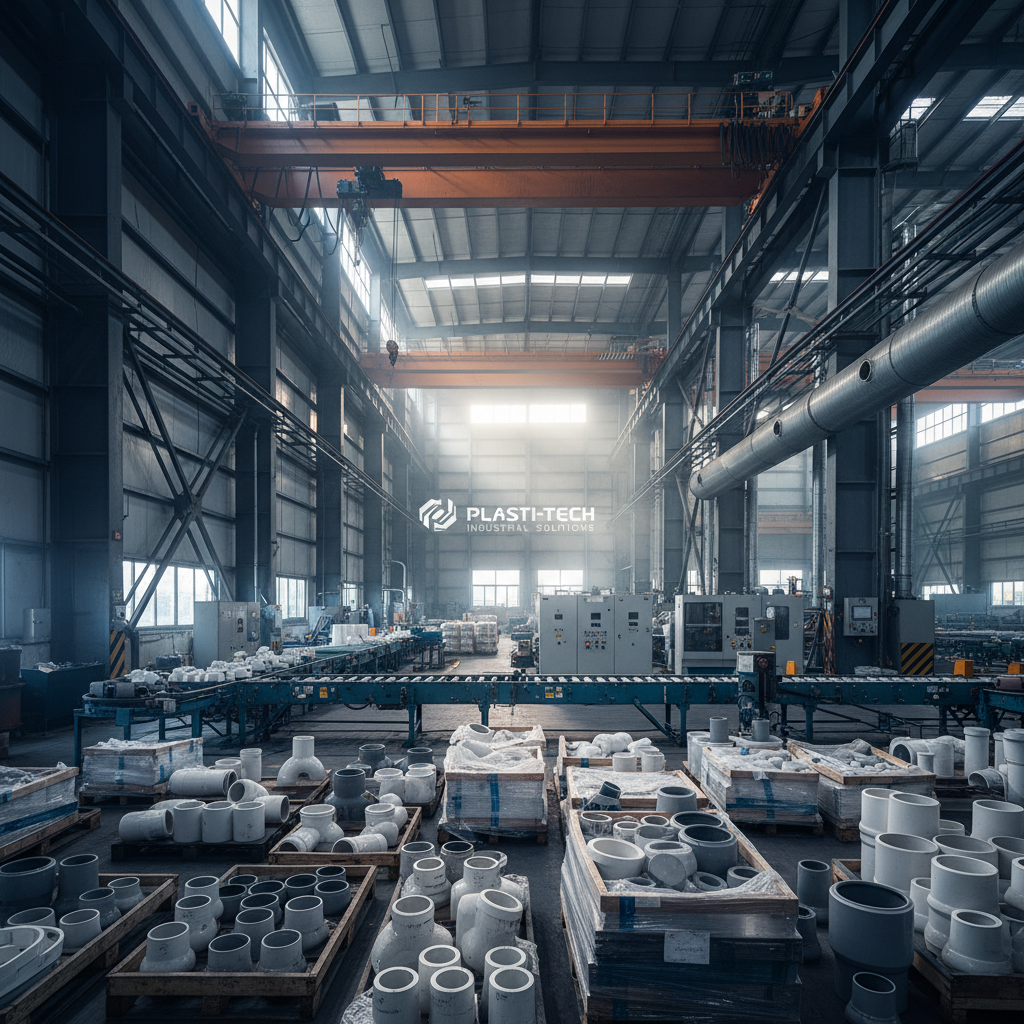
The global infrastructure for clean water distribution relies heavily on the integrity of its connections. In the modern era of civil engineering, black plastic mains water pipe fittings have emerged as the gold standard for ensuring leak-proof, durable, and efficient water transport systems. By replacing traditional metallic components, these advanced polymer solutions address the critical need for corrosion-resistant materials in diverse soil conditions.
Understanding the technical nuances of these fittings is not merely a matter of procurement but a necessity for long-term urban sustainability. The shift toward high-density polyethylene (HDPE) and other reinforced plastics has drastically reduced water loss through leakage, which the World Bank identifies as a primary challenge in developing urban centers. Proper selection and installation of these components ensure that municipal water grids remain operational for decades with minimal maintenance.
From an industrial perspective, the adoption of black plastic mains water pipe fittings represents a fusion of material science and hydraulic engineering. This guide provides an exhaustive exploration of their global relevance, technical specifications, and the innovative trends shaping the future of water management, offering a comprehensive resource for engineers, contractors, and municipal planners.
Global Relevance of Black Plastic Mains Water Pipe Fittings
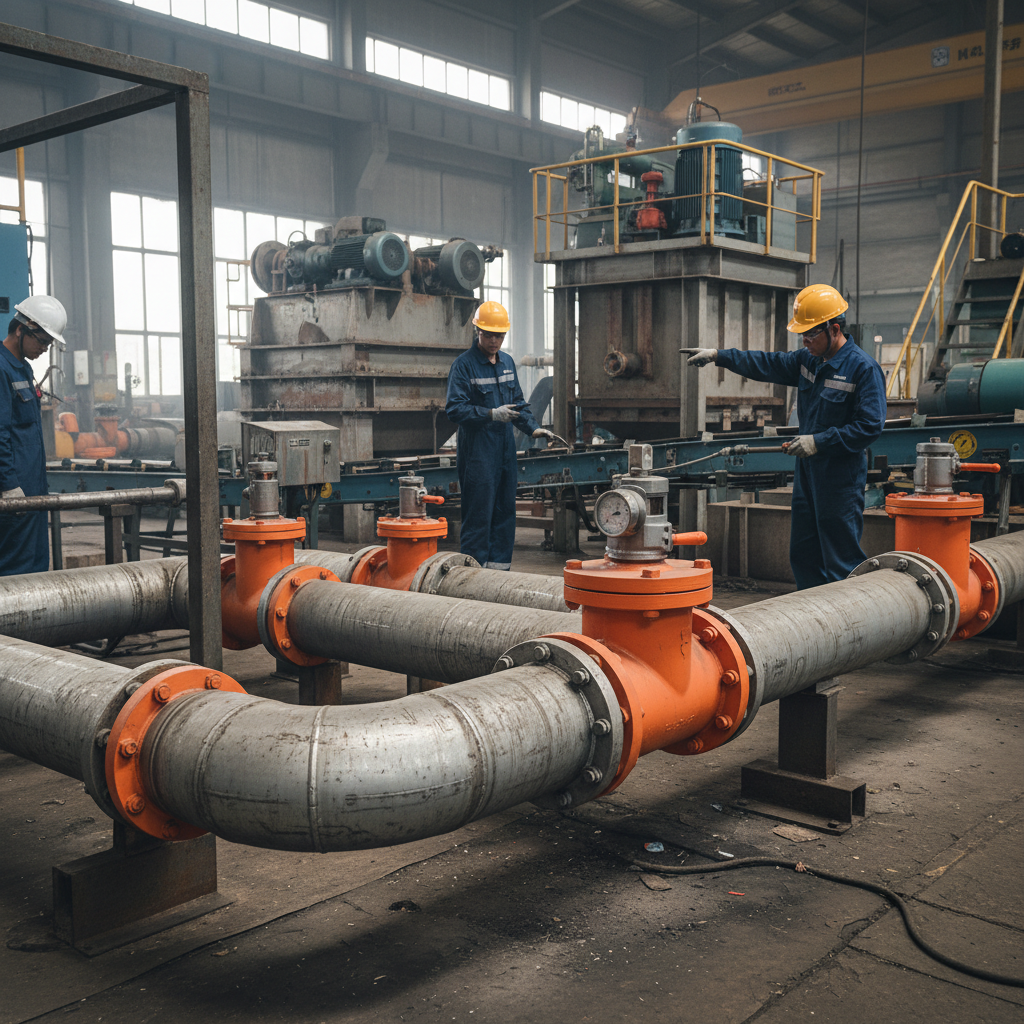
On a global scale, the demand for black plastic mains water pipe fittings is driven by the urgent need to modernize aging water networks. In many developed nations, cast iron and steel pipes from the mid-20th century are failing, leading to massive "non-revenue water" losses. The transition to plastic fittings allows for a more flexible, lightweight, and corrosion-proof infrastructure that can withstand the shifting pressures of modern urban expansion.
Moreover, in developing regions, these fittings facilitate the rapid deployment of clean water access. Because they are easier to transport and install than traditional metal piping, they allow NGOs and governments to implement water grids in remote or rugged terrains more efficiently. This global shift is supported by ISO standards that ensure the safety and longevity of plastic materials used in potable water systems.
Technical Definition and Material Composition
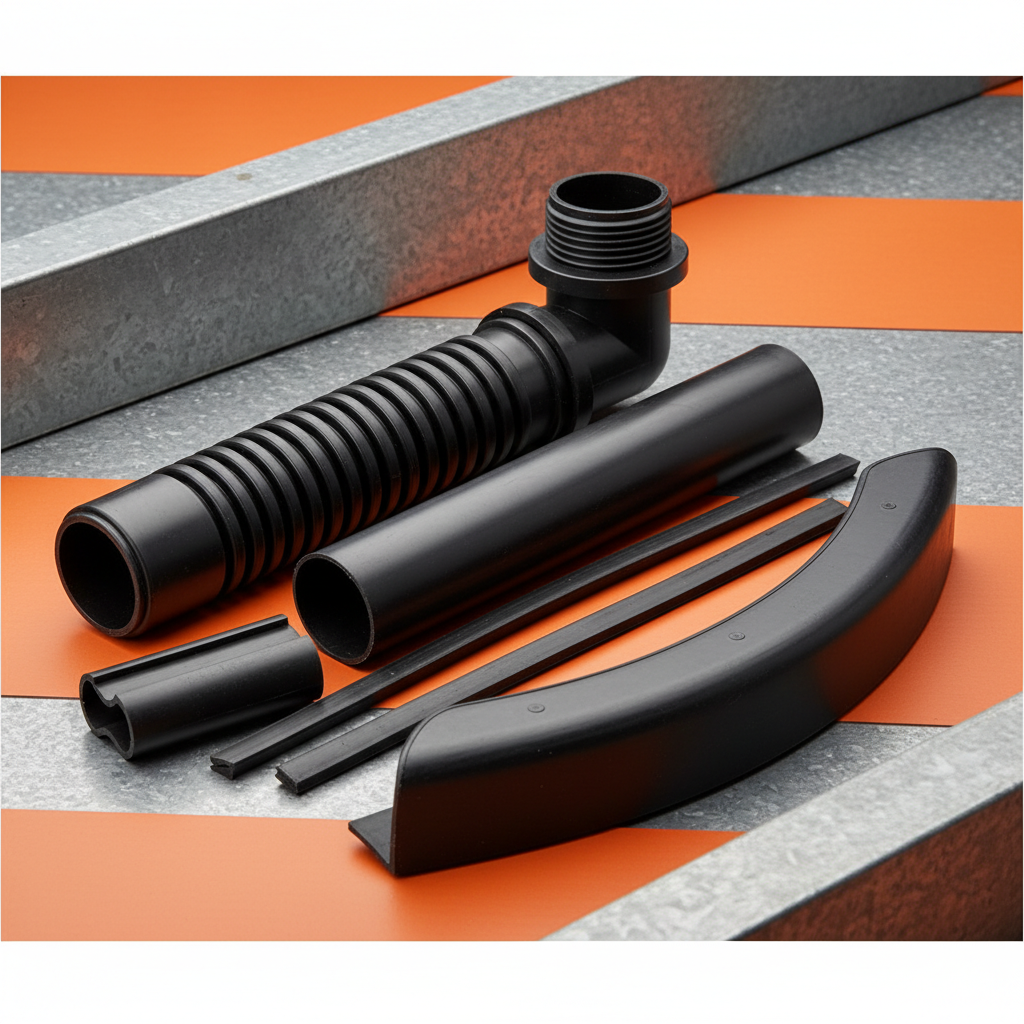
In technical terms, black plastic mains water pipe fittings are specialized components used to join pipe sections, change flow direction, or adapt pipe sizes within a primary water distribution network. They are typically manufactured from High-Density Polyethylene (HDPE) or Polyvinyl Chloride (PVC), with the black coloration resulting from the addition of carbon black. This is not an aesthetic choice but a functional requirement to provide UV protection, preventing the plastic from degrading when exposed to sunlight during storage or installation.
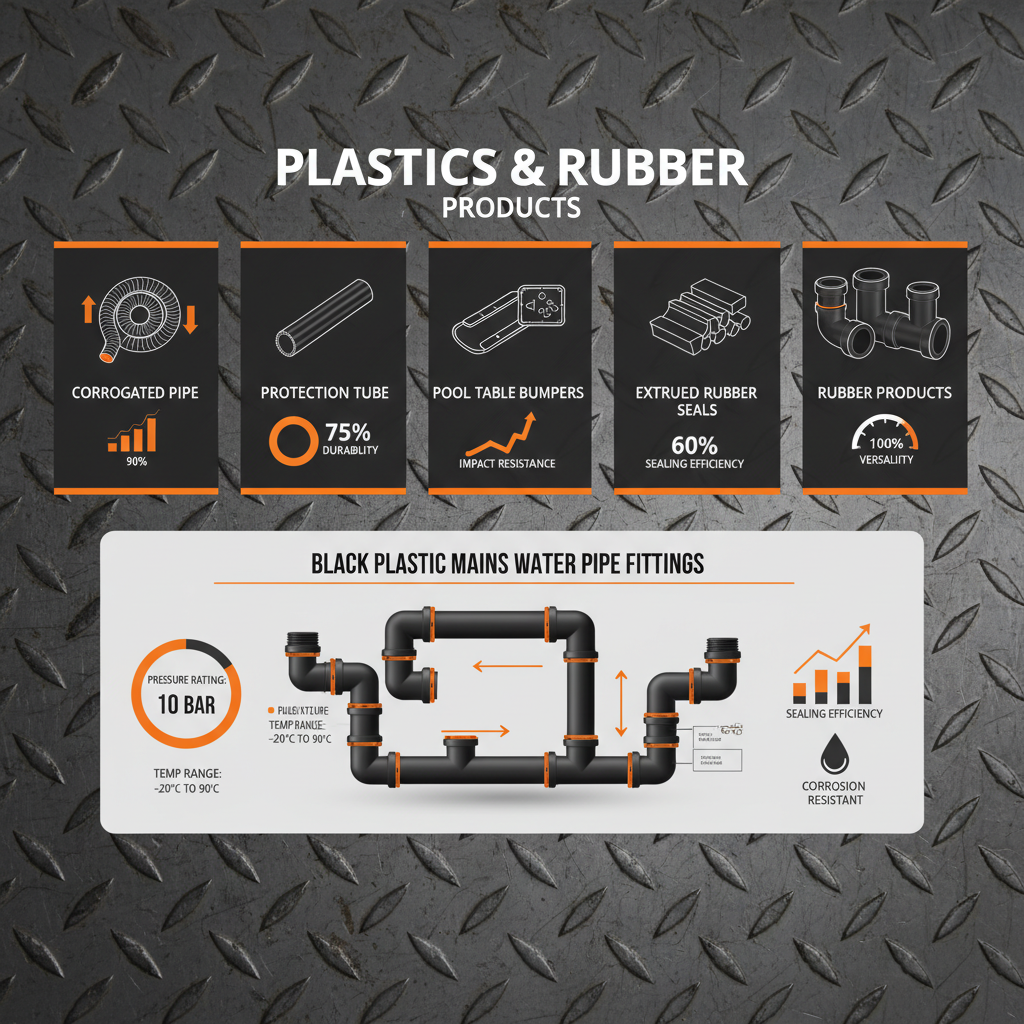
The "mains" designation refers to their capacity to handle higher pressures compared to domestic plumbing. These fittings are engineered to manage the surge and ebb of city-wide water pressure while maintaining a watertight seal. Whether they are compression fittings or butt-fusion welded components, their primary purpose is to create a monolithic system that behaves as a single continuous pipe, eliminating the weak points traditionally found at joints.
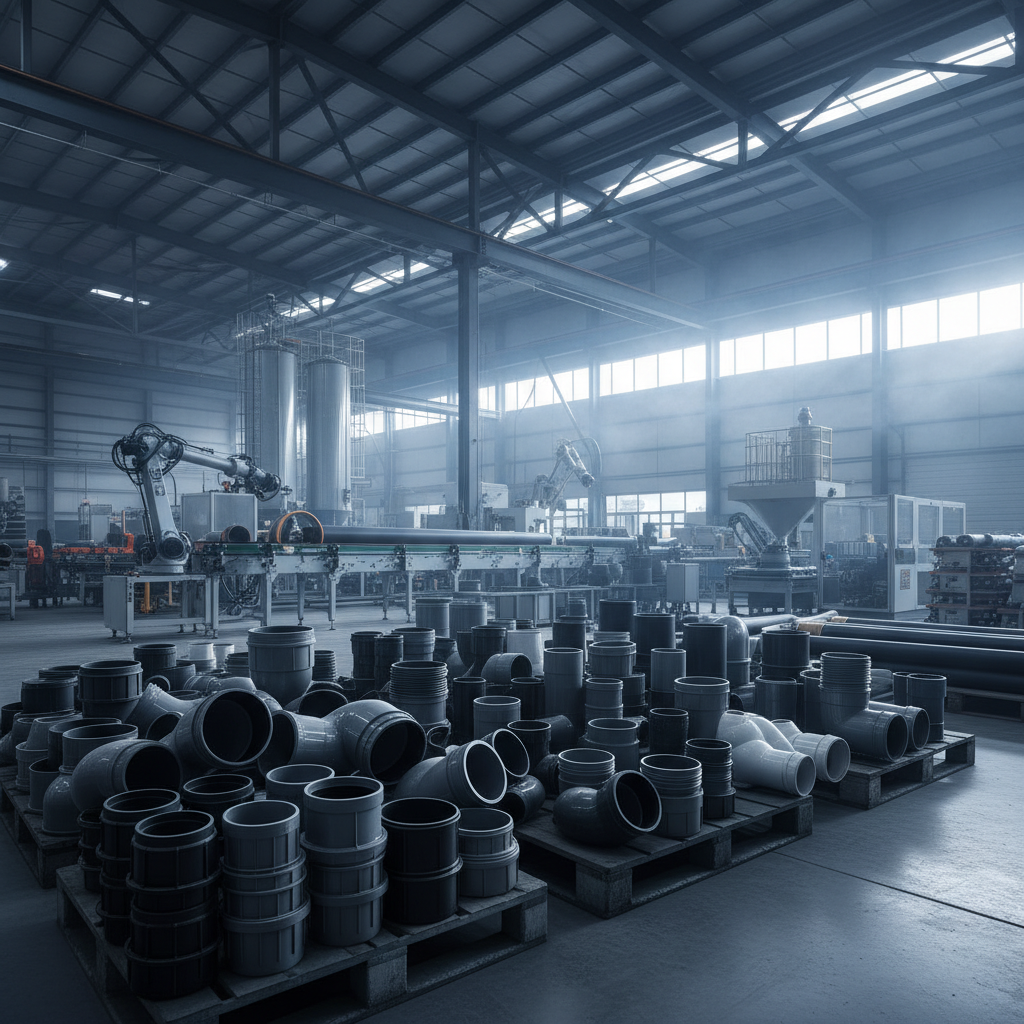
From a humanitarian and industrial standpoint, the composition of these fittings ensures that no metallic contaminants leach into the water supply. This chemical inertness makes them ideal for transporting drinking water, as they do not rust or scale over time. By utilizing advanced extrusion and injection molding processes, manufacturers can ensure that each fitting meets rigorous tolerances, reducing the risk of catastrophic bursts in critical municipal zones.
Core Factors Driving Fitting Performance
The reliability of black plastic mains water pipe fittings is predicated on several core engineering factors. First is Chemical Resistance; unlike metal, plastic does not react with acidic or alkaline soils, which prevents the external pitting that often leads to pipe failure. This ensures that the infrastructure remains intact regardless of the soil chemistry of the installation site.
Another critical factor is Mechanical Flexibility. These fittings allow the pipeline to absorb ground movement and thermal expansion without cracking. In seismically active regions or areas with significant freeze-thaw cycles, the ability of black plastic mains water pipe fittings to flex slightly under stress is what prevents the systemic failures common in rigid iron pipes.
Finally, Installation Efficiency plays a massive role in cost-effectiveness. With the use of heat-fusion welding, joints become stronger than the pipe itself. This eliminates the need for expensive gaskets or mechanical couplings that are prone to wear, resulting in a lower Total Cost of Ownership (TCO) over the 50-to-100-year lifespan of the water main.
Comparative Efficiency in Water Infrastructure
When analyzing the efficiency of modern water grids, the transition to black plastic mains water pipe fittings reveals significant gains in both operational uptime and resource conservation. The reduction in friction loss—thanks to the smooth internal bore of plastic—allows for lower pumping energy requirements, directly reducing the carbon footprint of municipal water works.
Furthermore, the speed of deployment is vastly improved. While metal fittings require heavy machinery and skilled welding of steel, plastic components can be fused quickly using portable equipment, reducing road closure times and community disruption during urban upgrades.
Performance Rating of Water Fitting Materials
Global Applications and Regional Use Cases
The application of black plastic mains water pipe fittings spans diverse environments. In the arid regions of the Middle East and North Africa, these fittings are used for massive desalination transport lines, where salt-heavy soil would corrode metal pipes in a matter of years. Their ability to withstand high salinity and thermal fluctuations makes them indispensable for desert water security.
Conversely, in densely populated European cities, these fittings are utilized for "trenchless" pipe replacement. By using HDPE fittings and pipes, engineers can slide new lines into old casings, minimizing the need to dig up historic streets. This application showcases the versatility of the material in both expansive rural projects and restrictive urban environments.
Long-Term Value and Sustainability Benefits
The long-term value of investing in black plastic mains water pipe fittings extends beyond simple cost savings. From a sustainability perspective, the longevity of these materials means fewer replacement cycles over a century, reducing the energy expenditure associated with manufacturing and installation. Furthermore, many of these plastic components are now being produced using a percentage of recycled polymers, aligning water infrastructure with circular economy goals.
From a social angle, the reliability of these fittings directly impacts public health and dignity. By eliminating the frequent pipe bursts and subsequent water outages common in old metal systems, cities can guarantee a consistent supply of clean water. This stability is critical for hospitals, schools, and residential areas, fostering trust between the citizenry and municipal utility providers.
Economically, the reduction in "leakage loss" provides a direct financial return to the city. When black plastic mains water pipe fittings are installed correctly, the joint efficiency is nearly 100%, ensuring that the water treated at the plant actually reaches the consumer rather than seeping into the ground.
Future Trends and Material Innovations
The future of black plastic mains water pipe fittings is being shaped by the integration of "Smart Water" technologies. We are seeing the development of composite fittings with embedded sensors that can detect pressure drops or chemical changes in real-time. This digital transformation allows utility companies to locate leaks pinpoint-accurately, moving from reactive repair to predictive maintenance.
Material science is also evolving toward "bio-based" plastics that maintain the strength of HDPE but are derived from renewable sources rather than petroleum. These innovations aim to reduce the carbon footprint of the manufacturing process while maintaining the rigorous pressure ratings required for municipal mains.
Additionally, the adoption of automated robotic fusion welding is reducing human error in the field. By using precision-controlled heat and pressure, these systems ensure that every joint in a black plastic mains water pipe fittings network is identical in strength, virtually eliminating the "weakest link" phenomenon in water distribution.
Comparative Analysis of Plastic Fitting Technologies
| Fitting Type |
Installation Method |
Pressure Rating |
Relative Lifespan |
| HDPE Butt-Fusion |
Thermal Welding |
Very High |
50+ Years |
| Electrofusion Fittings |
Electrical Heating |
Excellent |
60+ Years |
| Compression Fittings |
Mechanical Torque |
Medium |
20-30 Years |
| PVC Solvent Weld |
Chemical Bonding |
High |
40+ Years |
| Reinforced Plastic |
Hybrid Welding |
Extreme |
70+ Years |
| Standard PE-100 |
Thermal Fusion |
High |
50 Years |
FAQS
The black color is achieved by adding carbon black to the polymer mix. This serves as a critical UV stabilizer, protecting the black plastic mains water pipe fittings from ultraviolet radiation. Without this, sunlight would cause the plastic to become brittle and crack over time, especially during the storage phase before the pipes are buried underground.
In many scenarios, yes. While iron has higher absolute tensile strength, HDPE fittings offer superior fatigue resistance and flexibility. They can handle pressure surges (water hammer) much better than rigid iron, which is prone to cracking. When rated to the same PN (Pressure Nominal) class, plastic fittings provide comparable safety with far better corrosion resistance.
The most reliable method is thermal fusion—either butt-fusion or electrofusion. These processes melt the interface of the fitting and the pipe, creating a single, continuous piece of plastic. For smaller diameters or temporary lines, high-quality compression fittings are effective, provided they are tightened to the manufacturer's specified torque settings.
Yes, HDPE black plastic mains water pipe fittings are chemically inert and suitable for both. However, it is critical to use a color-coding system or internal marking to distinguish between potable water lines and sewage lines to prevent cross-contamination during future maintenance or repairs.
Under standard burial conditions and correct installation, these fittings are designed to last between 50 and 100 years. Their lack of susceptibility to rust and corrosion means they do not degrade at the same rate as metal, making them a much more sustainable long-term investment for municipal infrastructure.
They are significantly more eco-friendly than the alternatives when considering the full lifecycle. They require less energy to transport and install, reduce water waste through superior leak prevention, and are increasingly recyclable. The reduction in "non-revenue water" saves millions of gallons of treated water daily.
Conclusion
The adoption of black plastic mains water pipe fittings marks a pivotal shift in how we approach urban and rural water management. By prioritizing materials that offer a combination of chemical inertness, mechanical flexibility, and installation efficiency, we are building water grids that are not only more durable but also more sustainable. The transition from rigid, corrosion-prone metals to advanced polymers has effectively solved many of the systemic failures that plagued 20th-century infrastructure.
Looking forward, the integration of smart sensors and bio-based polymers will further refine the efficiency of water distribution. For municipal planners and engineers, the recommendation is clear: investing in high-quality plastic fittings today prevents the costly failures of tomorrow. To ensure your project utilizes the highest industry standards in polymer extrusion and fitting precision, we invite you to explore our professional solutions. Visit our website: www.fygasketfactory.com