0%

Table of Contents

Plastic part manufacturing is a cornerstone of modern industry, impacting virtually every sector from automotive and aerospace to healthcare and consumer goods. Its global relevance stems from the versatility, cost-effectiveness, and scalability of plastics as materials. Understanding the nuances of this process – from material selection and molding techniques to quality control and post-processing – is crucial for innovation, efficiency, and sustainability.

The demand for plastic parts continues to surge, driven by factors like lightweighting in transportation, increasing medical device complexity, and the ever-growing need for durable and affordable consumer products. This growth presents both opportunities and challenges, including the need for advanced manufacturing technologies, responsible material sourcing, and effective recycling strategies. plastic part manufacturing is therefore critical for supporting global economic development.

Ultimately, mastering plastic part manufacturing provides businesses with a competitive edge, enables the creation of innovative solutions, and contributes to a more sustainable future. Its importance extends beyond simply creating components; it's about driving progress across countless applications and improving quality of life worldwide.
Advanced Plastic Part Manufacturing Techniques for Modern Industry Applications

The Importance of Plastic Part Manufacturing

Advanced Plastic Part Manufacturing Techniques for Modern Industry Applications

Plastic part manufacturing isn’t merely about shaping polymers; it’s about enabling innovation across a vast spectrum of industries. From the intricate components in medical devices to the durable casings protecting electronic equipment, plastic parts are integral to modern life. The processes involved are continually evolving to meet increasingly complex demands for precision, efficiency, and sustainability.

The global scale of plastic part manufacturing is immense. Billions of components are produced annually, making it a significant driver of economic activity worldwide. However, this scale also necessitates a focused commitment to responsible manufacturing practices – minimizing waste, optimizing energy consumption, and embracing circular economy principles.

Defining Plastic Part Manufacturing

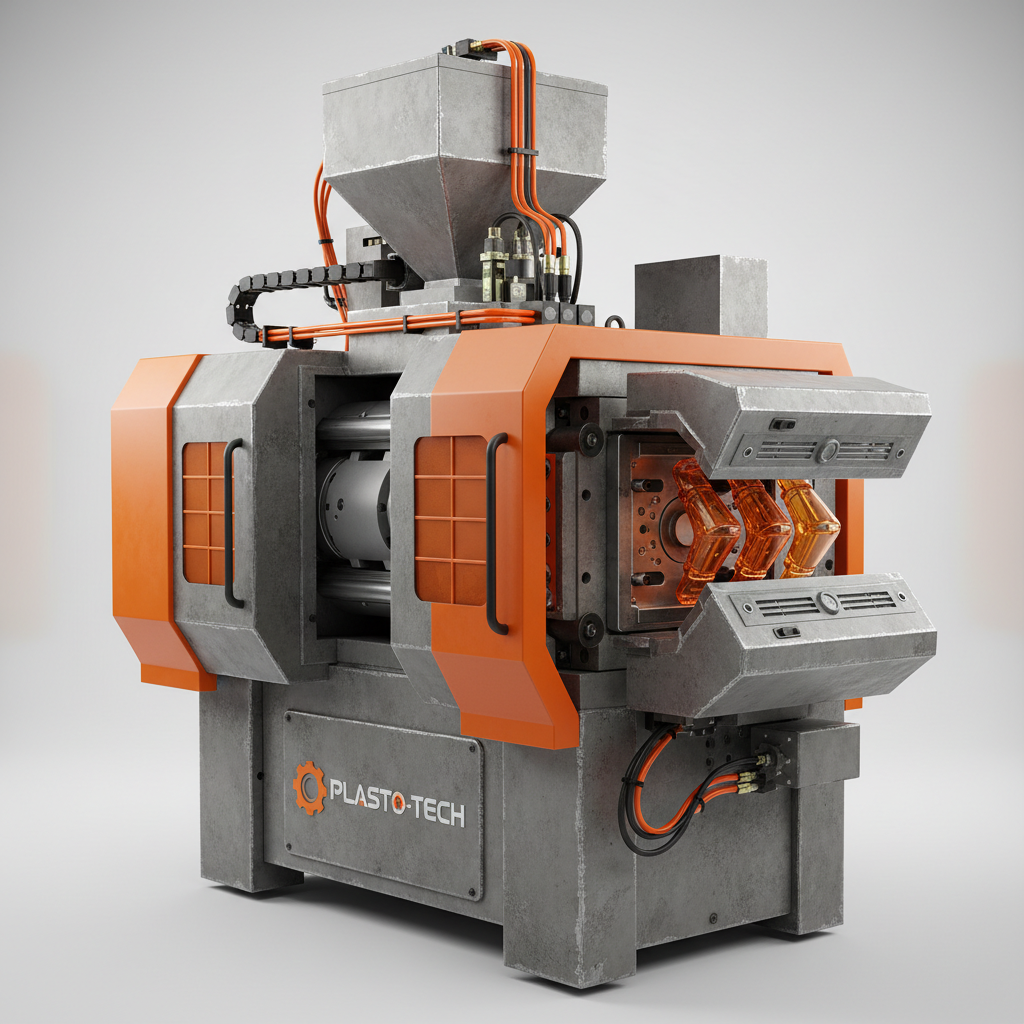
Plastic part manufacturing encompasses all the processes involved in converting raw plastic materials into finished products. This starts with material selection – considering factors like strength, flexibility, temperature resistance, and chemical compatibility – and extends through various forming techniques such as injection molding, extrusion, blow molding, and thermoforming.

It’s a field deeply intertwined with modern industry and increasingly, humanitarian needs. Consider the rapid deployment of temporary shelters after natural disasters; many rely on lightweight, durable plastic components for structural integrity and ease of transport. Effective plastic part manufacturing is essential for addressing critical challenges around the world.

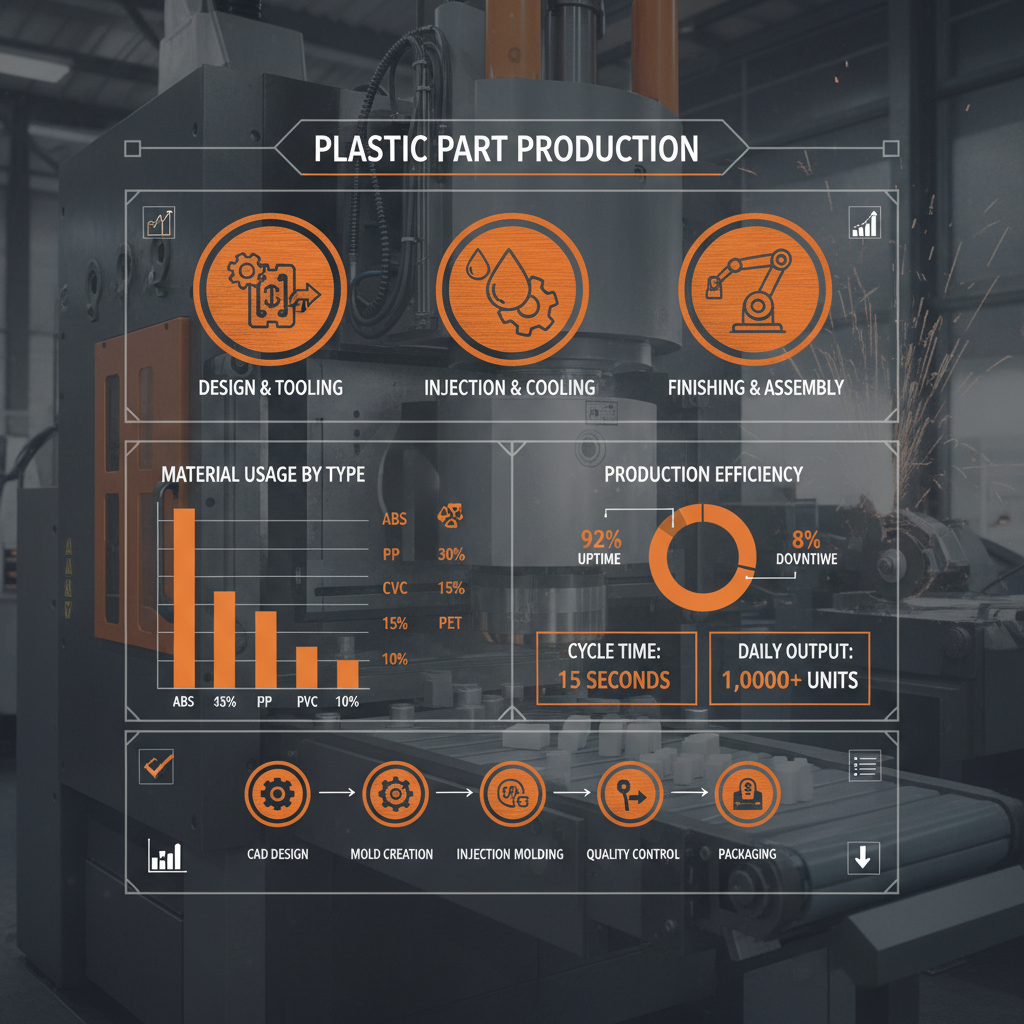
The process also includes secondary operations like machining, painting, assembly, and quality control, all aimed at ensuring the final product meets stringent specifications and performance standards. Technological advancements, like 3D printing, are continually expanding the possibilities within plastic part manufacturing.

Core Components of Effective Manufacturing

Effective plastic part manufacturing relies on a holistic approach that integrates several core components. First, a robust understanding of material science is essential – knowing the properties of different polymers and how they behave under various conditions. This knowledge informs material selection and process optimization.

Second, precise tooling and mold design are critical. The quality of the mold directly impacts the dimensional accuracy, surface finish, and overall quality of the finished part. Investing in high-quality tooling and employing skilled mold makers is paramount.

Third, process control is fundamental. Maintaining consistent temperature, pressure, and cycle times during the molding process is essential for producing parts that meet specifications. Automated process monitoring and control systems play a vital role in achieving this consistency.

Key Benefits: Durability, Scalability, and Cost

Plastic parts offer a compelling combination of benefits, making them ideal for a wide range of applications. Durability is a key advantage; many plastics are resistant to corrosion, impact, and wear, ensuring long service life even in harsh environments.

Scalability is another significant benefit. Plastic part manufacturing processes, particularly injection molding, can be easily scaled to meet high-volume production demands. This allows manufacturers to respond quickly to market fluctuations and changing customer needs.

Plastic Part Manufacturing Method Comparison


Global Applications and Industry Impact

The applications of plastic part manufacturing are incredibly diverse. In the automotive industry, plastic components contribute to vehicle lightweighting, improving fuel efficiency and reducing emissions. In the medical field, plastics are used in everything from disposable syringes to complex surgical instruments.

Across the packaging industry, plastics play a vital role in preserving food and extending shelf life. And in the electronics sector, plastic housings protect sensitive components and provide electrical insulation. In post-disaster relief operations, quickly deployable shelters often incorporate plastic components, providing temporary housing solutions.

Advantages and Long-Term Value Proposition

The advantages of plastic part manufacturing extend beyond simple cost savings. The design flexibility offered by plastics allows for the creation of complex geometries and intricate features that would be difficult or impossible to achieve with other materials. This fosters innovation and enables the development of new products and applications.

From a sustainability perspective, advancements in bioplastics and recycling technologies are mitigating the environmental impact of plastic production and consumption. Investing in these technologies demonstrates a commitment to responsible manufacturing and a circular economy.

Future Trends and Innovations in the Field

The future of plastic part manufacturing is being shaped by several key trends. Automation and robotics are increasingly being adopted to improve efficiency, reduce labor costs, and enhance quality control. Digital transformation, including the use of data analytics and machine learning, is optimizing processes and predicting potential problems.

The development of new materials – such as high-performance polymers and biodegradable plastics – is expanding the range of applications for plastic parts. Furthermore, the integration of 3D printing with traditional manufacturing methods is creating new opportunities for rapid prototyping and customized production.

Sustainability will continue to be a major driver of innovation, with a growing focus on closed-loop recycling systems and the development of bio-based plastics. These advancements will contribute to a more sustainable and responsible future for plastic part manufacturing.

FAQS

What are the primary advantages of injection molding over other plastic forming processes?

Injection molding excels in producing high volumes of complex parts with excellent dimensional accuracy and surface finish. Compared to processes like extrusion or blow molding, it offers greater design flexibility and is particularly well-suited for intricate geometries. While initial tooling costs are higher, the per-part cost decreases significantly with volume, making it highly cost-effective for large-scale production runs.

How do material selection choices impact the lifespan and performance of plastic parts?

Material selection is crucial. Factors like UV resistance, chemical exposure, temperature range, and mechanical stress all dictate the appropriate plastic type. For example, polypropylene is suitable for applications requiring high chemical resistance, while polycarbonate offers exceptional impact strength. Improper material selection can lead to premature failure, discoloration, or compromised performance.

What role does mold design play in the quality of the final plastic part?

Mold design is paramount. A well-designed mold ensures proper material flow, uniform cooling, and minimal warpage. Features like gate location, venting, and cooling channels directly impact part quality. Poor mold design can result in defects like sink marks, voids, and dimensional inaccuracies, leading to rejected parts and increased production costs.

How are quality control measures implemented during plastic part manufacturing?

Quality control begins with raw material inspection and continues throughout the entire process. Statistical process control (SPC) monitors key parameters like temperature and pressure, identifying potential issues before they become major problems. Dimensional inspections, visual checks, and functional testing are performed on finished parts to ensure they meet specifications. Advanced techniques like CMM (Coordinate Measuring Machine) provide high-precision measurements.

What is the role of 3D printing in the plastic part manufacturing landscape?

3D printing (additive manufacturing) is revolutionizing prototyping and low-volume production. It allows for rapid iteration of designs and the creation of customized parts without the need for expensive tooling. While not yet suitable for mass production in many cases, 3D printing is increasingly used to create jigs, fixtures, and even end-use parts with complex geometries.

How are sustainability considerations being addressed in plastic part manufacturing?

Sustainability is a growing focus. This includes using recycled plastic materials, developing bio-based plastics, and implementing closed-loop recycling systems. Manufacturers are also optimizing processes to reduce waste, conserve energy, and minimize their environmental footprint. Design for disassembly is another key strategy, making it easier to recover and recycle plastic parts at the end of their life cycle.

Conclusion

Plastic part manufacturing remains a vital force in the modern world, enabling innovation and driving economic growth across diverse industries. Its ability to deliver durable, scalable, and cost-effective solutions makes it indispensable for countless applications, from automotive and aerospace to healthcare and consumer products. Embracing advancements in materials, automation, and sustainability is crucial for ensuring its continued relevance and positive impact.

Looking ahead, a commitment to responsible manufacturing practices – including material sourcing, waste reduction, and circular economy principles – will be paramount. By prioritizing innovation, sustainability, and quality, the plastic part manufacturing industry can continue to provide essential components and contribute to a more sustainable and prosperous future. Visit our website for more information: www.fygasketfactory.com

Robert Johnson

Robert Johnson

Robert Johnson is the Production Manager at GaoBeiDianShi Fengye Rubber Seals Co., Ltd. He oversees all aspects of the manufacturing process, from raw material intake to final product delivery. With a background in industrial engineering and a strong emphasis on lean manufacturing principles, Robert has been instrumental in optimizing our
Previous The Growing Importance of High Precision Machined Plastic Parts in Modern Industries
Next Essential PVC Pipe Spare Parts for Infrastructure and Industrial Applications