Machined plastic parts are integral components in a vast array of industries, from aerospace and automotive to medical devices and consumer electronics. Their precision, versatility, and cost-effectiveness have driven significant growth in their demand globally. Understanding the capabilities and limitations of these parts is crucial for engineers, designers, and manufacturers seeking innovative and efficient solutions. The increasing focus on lightweighting and material optimization further fuels the adoption of machined plastic parts, offering a compelling alternative to traditional materials like metals.
The global market for machined plastic parts is experiencing substantial expansion, driven by factors such as increasing automation, technological advancements in machining processes, and the rising demand for customized solutions. According to recent reports, the market is projected to reach significant values in the coming years, with North America and Asia-Pacific being key regions driving this growth. This surge in demand presents both opportunities and challenges for manufacturers, requiring investments in advanced machinery and skilled labor.
The availability of diverse plastic materials, coupled with advanced machining techniques, enables the creation of complex geometries and tight tolerances, making machined plastic parts an ideal choice for a wide range of applications. This adaptability translates to improved product performance, reduced manufacturing costs, and faster time-to-market. Furthermore, the inherent properties of plastics, such as corrosion resistance and electrical insulation, add further value in demanding environments.
Introduction to Machined Plastic Parts
The demand for high-precision components is steadily increasing across various sectors, and machined plastic parts offer a compelling solution. These parts are created by removing material from a plastic workpiece using processes like milling, turning, and drilling, resulting in components with intricate designs and tight tolerances. The ability to work with a wide range of thermoplastic and thermoset materials makes them incredibly versatile.
The appeal of machined plastic parts lies in their ability to provide a cost-effective alternative to metal components, without sacrificing performance. They are also significantly lighter, which is a critical factor in applications where weight reduction is paramount. This makes them especially valuable in industries like aerospace and automotive, where improved fuel efficiency is a constant goal.
Defining Machined Plastic Parts
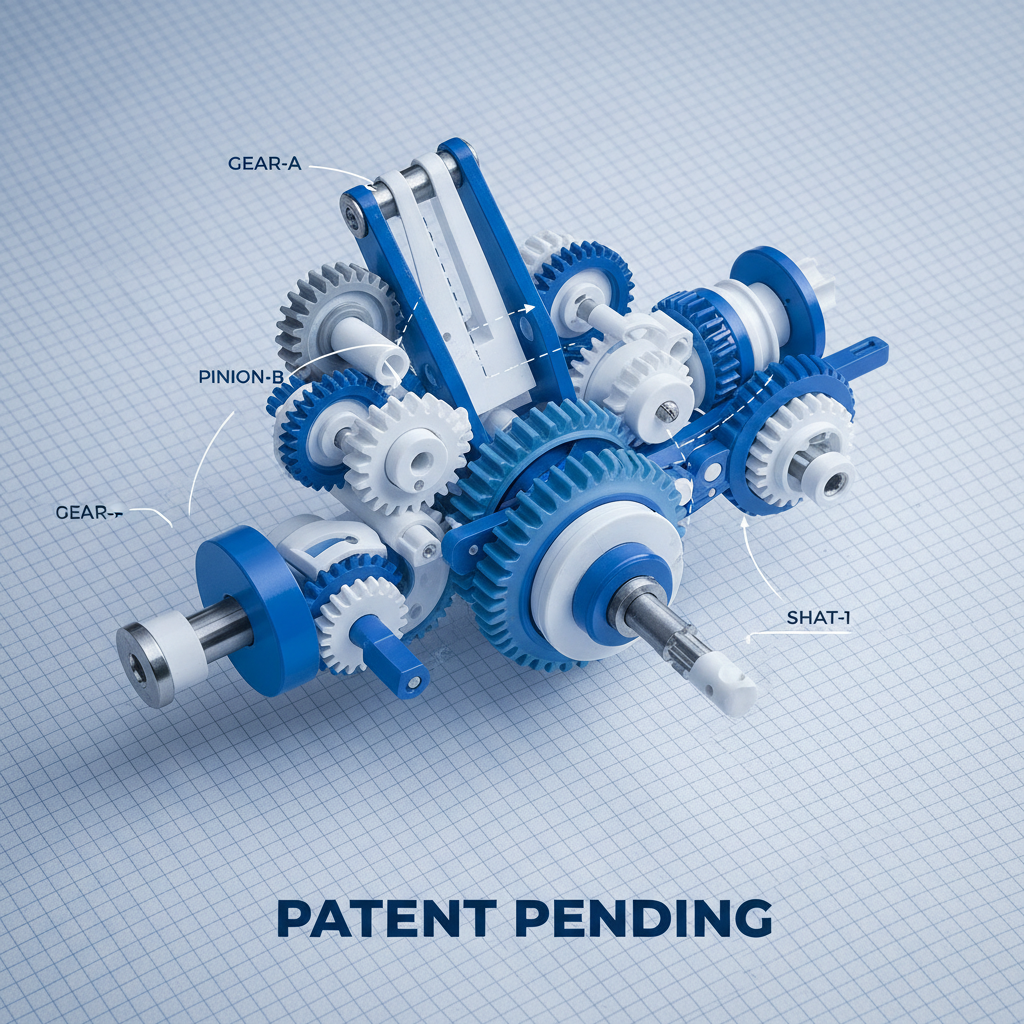
Machined plastic parts are components created from plastic materials through subtractive manufacturing processes. Unlike injection molding, which forms parts by injecting molten plastic into a mold, machining starts with a solid block or shape of plastic and removes material to achieve the desired form. Common machining operations include milling, turning, drilling, tapping, and reaming.
The key distinction of machined plastic parts is their ability to produce low-volume, highly customized components quickly and efficiently. This makes them ideal for prototyping, short-run production, and specialized applications where the economies of scale for injection molding are not achievable. The process offers a high degree of design freedom and allows for intricate features and complex geometries.
This manufacturing approach directly addresses the need for rapid iteration and customized solutions in modern industries. From creating specialized housings for electronic devices to producing precise components for medical equipment, machined plastic parts bridge the gap between design intent and functional reality.
Core Advantages of Machined Plastic Parts
One of the most significant advantages of machined plastic parts is their exceptional design flexibility. Unlike many other manufacturing processes, machining allows for the creation of incredibly complex geometries and intricate details with relative ease. This is crucial for applications requiring unique shapes or features that cannot be easily achieved through other methods.
Cost efficiency is another major benefit. While the initial cost of materials might be comparable to metals, the reduced machining time and material waste often translate to lower overall production costs, especially for smaller production runs. This makes machined plastic parts a financially attractive option for a wide range of applications.
Furthermore, machined plastic parts exhibit excellent chemical resistance, making them suitable for use in harsh environments where metals might corrode or degrade. This inherent resistance extends the lifespan of components and reduces the need for frequent replacements, leading to long-term cost savings and improved reliability.
Diverse Applications Across Industries
The applications of machined plastic parts are incredibly diverse, spanning numerous industries. In the aerospace sector, they are used for creating lightweight interior components, brackets, and housings, contributing to improved fuel efficiency. The automotive industry leverages their use in producing dashboard components, interior trim, and functional parts requiring high precision.
The medical device industry relies heavily on machined plastic parts due to their biocompatibility, sterilizability, and ability to meet stringent regulatory requirements. From surgical instruments to diagnostic equipment housings, these parts play a critical role in improving patient care. Additionally, the electronics industry utilizes them for creating enclosures, connectors, and insulators, capitalizing on their electrical properties.
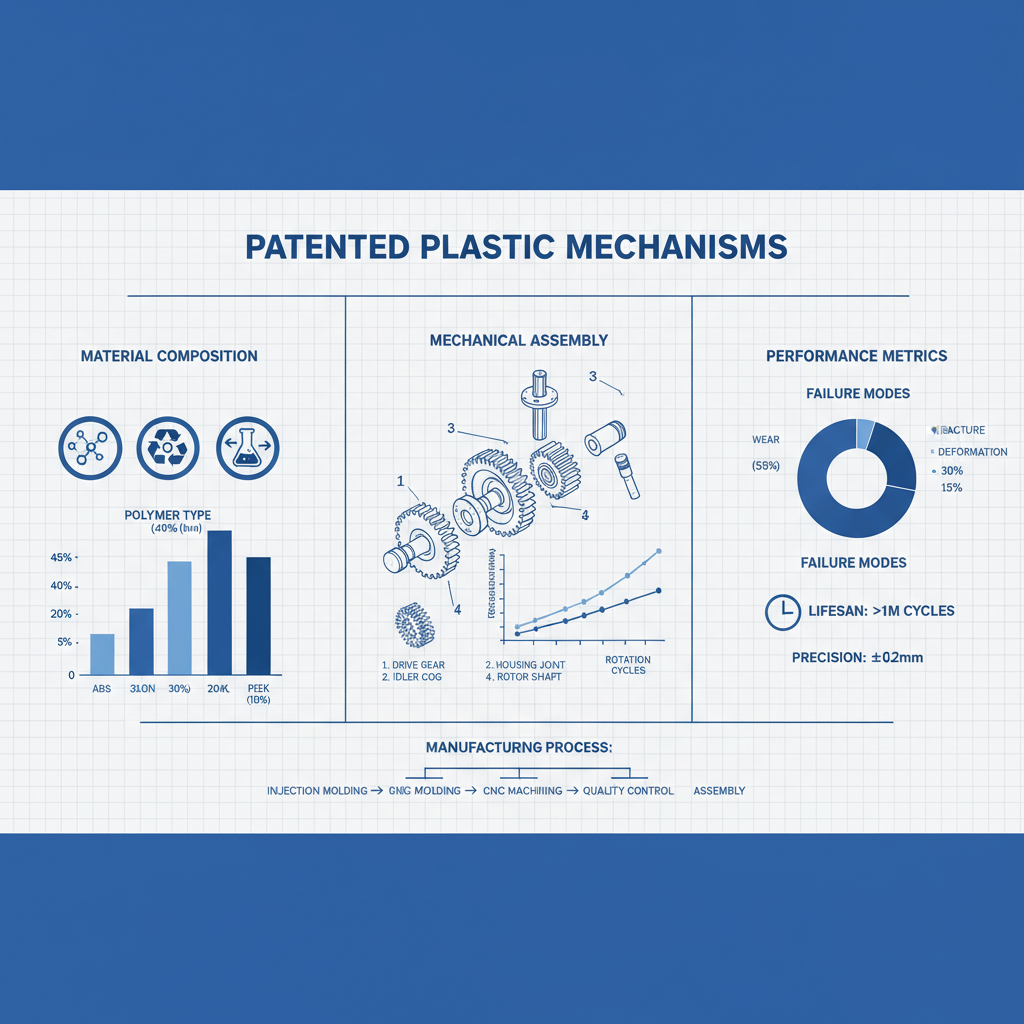
Machined Plastic Parts Application Breakdown by Industry
Long-Term Value and Sustainability
Investing in machined plastic parts offers substantial long-term value beyond initial cost savings. Their durability and resistance to wear and tear translate to reduced maintenance requirements and a longer product lifespan. This contributes to lower total cost of ownership and increased customer satisfaction.
From a sustainability perspective, many plastics can be recycled, reducing the environmental impact of manufacturing and end-of-life disposal. Furthermore, the lightweight nature of these parts contributes to fuel efficiency in transportation applications, minimizing carbon emissions.
Emerging Trends and Innovations
The field of machined plastic parts is continuously evolving with advancements in materials science and manufacturing technologies. The development of new high-performance polymers, such as PEEK and Ultem, is expanding the range of applications where these parts can excel.
Automation and robotics are playing an increasingly important role in machining processes, improving efficiency, precision, and reducing labor costs. Furthermore, the integration of artificial intelligence and machine learning is enabling predictive maintenance and optimized machining parameters, resulting in higher quality parts and reduced downtime.
Additive manufacturing (3D printing) is beginning to complement traditional machining, enabling the creation of complex geometries and customized designs that were previously impossible. This hybrid approach combines the strengths of both technologies to offer unparalleled design flexibility and manufacturing efficiency.
Addressing Challenges in Machined Plastic Parts Production
Despite their numerous advantages, producing machined plastic parts is not without its challenges. One common issue is managing heat buildup during machining, which can lead to deformation or damage to the workpiece. Proper cooling techniques and the selection of appropriate cutting tools are essential to mitigate this risk.
Another challenge is achieving tight tolerances and surface finishes, particularly with certain types of plastics. This requires skilled machinists, precise equipment, and careful process control. The choice of machining parameters, such as cutting speed and feed rate, is crucial to achieving the desired results.
Finally, material selection is critical. Different plastics have varying machinability characteristics, and choosing the right material for a specific application is essential to ensure optimal performance and manufacturability. Considerations include strength, stiffness, chemical resistance, and thermal properties.
Summary of Challenges and Solutions in Machined Plastic Parts Production
| Challenge |
Root Cause |
Potential Solution |
Implementation Difficulty (1-10) |
| Heat Buildup |
Friction during machining |
Optimized coolant application & cutting parameters |
4 |
| Tight Tolerance Achievement |
Machine rigidity & tool wear |
High-precision machining centers & regular tool changes |
7 |
| Surface Finish Quality |
Cutting tool geometry & feed rate |
Polishing techniques & optimized cutting parameters |
5 |
| Material Selection |
Inadequate understanding of plastic properties |
Material testing & consulting with material experts |
6 |
| Chip Evacuation |
Plastic chip stickiness & inadequate coolant flow |
High-pressure coolant systems & optimized tool geometry |
3 |
| Tool Wear |
Abrasive nature of some plastics |
Coated cutting tools & regular tool inspection |
5 |
FAQS
The most frequently used plastics include Acrylonitrile Butadiene Styrene (ABS), Polycarbonate (PC), Polypropylene (PP), Polyether Ether Ketone (PEEK), Delrin (Acetal), and Nylon. The selection depends on the application’s requirements, such as strength, temperature resistance, and chemical compatibility. Each material offers a unique set of properties, making the choice critical for optimal performance of the machined plastic parts.
Achievable tolerances depend on the plastic material, machining equipment, and operator skill. Generally, tolerances of ±0.005 inches (0.127 mm) are readily attainable, and tighter tolerances of ±0.001 inches (0.025 mm) can be achieved in some cases. Factors like material shrinkage and thermal expansion need to be considered when designing for precision machined plastic parts.
Machining can introduce some changes to the mechanical properties of plastic, such as residual stresses and surface imperfections. However, these effects are generally minimal with proper machining practices. Choosing appropriate cutting tools, speeds, and feeds can minimize these changes and maintain the integrity of the material. Post-machining processes like annealing can also relieve stresses.
Machining is typically more cost-effective for low-volume production runs due to the absence of tooling costs associated with injection molding. Injection molding becomes more economical for high-volume production. However, machining allows for greater design flexibility and faster turnaround times, making it a viable option even for moderate production quantities. The overall cost is influenced by material, complexity, and precision requirements.
Common post-processing options include deburring, polishing, painting, plating, and assembly. Deburring removes sharp edges and burrs, while polishing improves surface finish. Painting and plating can enhance aesthetics and provide corrosion resistance. Assembly services are also available for creating complete, functional products from machined plastic parts.
Yes, most machine shops require CAD models (e.g., .STL, .STEP, .IGES) for accurate quoting and manufacturing. Providing a detailed CAD model ensures that the machined plastic parts meet your exact specifications and minimizes the risk of errors. Clear dimensional tolerances and material specifications should also be included in the CAD model or accompanying documentation.
Conclusion
Machined plastic parts represent a versatile and cost-effective solution for a wide range of engineering and manufacturing challenges. Their design flexibility, lightweight properties, and resistance to corrosion make them an increasingly popular alternative to traditional materials. As technology continues to advance, the capabilities of machining plastic will only expand, opening up new possibilities for innovation.
Looking ahead, the future of machined plastic parts lies in embracing automation, advanced materials, and sustainable manufacturing practices. Continued research and development in these areas will further enhance the performance, efficiency, and environmental friendliness of these critical components. To explore how machined plastic parts can benefit your projects, visit our website today.