



Comprehensive Guide to 30 Inch Corrugated Plastic Pipe – Uses, Specs & Benefits
Understanding 30 Inch Corrugated Plastic Pipe: A Versatile Solution for Modern Infrastructure
The 30 inch corrugated plastic pipe might sound like a mouthful of industrial jargon, but it’s actually a key player in countless infrastructure projects around the world. From managing stormwater in sprawling cities to reinforcing irrigation systems in arid regions, these pipes offer remarkable benefits — including durability, cost-effectiveness, and adaptability. In a world facing climate change, urban growth, and resource scarcity, understanding this product is more relevant than ever.
Global Significance: Why 30 Inch Corrugated Plastic Pipe Matters
Globally, infrastructure demands are skyrocketing. The United Nations reports nearly 55% of the world’s population lives in urban areas, and this is expected to grow to 68% by 2050 (source: UN DESA, 2019). Adequate drainage and water management become essential—enter the humble corrugated plastic pipe. Its large diameter of 30 inches allows for significant water flow, easing flooding risks in urban and rural settings alike. Industries from agriculture to construction rely heavily on such pipes to tackle environmental challenges and ensure reliable utility services.
However, managing bulk water runoff isn't straightforward. Traditional metal or concrete pipes can be heavy, prone to corrosion, or expensive. The 30 inch corrugated plastic pipe stands out as a practical response to these challenges.
Mini takeaway: Addressing urbanization and climate resilience starts with smart infrastructure components like large-diameter plastic pipes.
What Exactly Is a 30 Inch Corrugated Plastic Pipe?
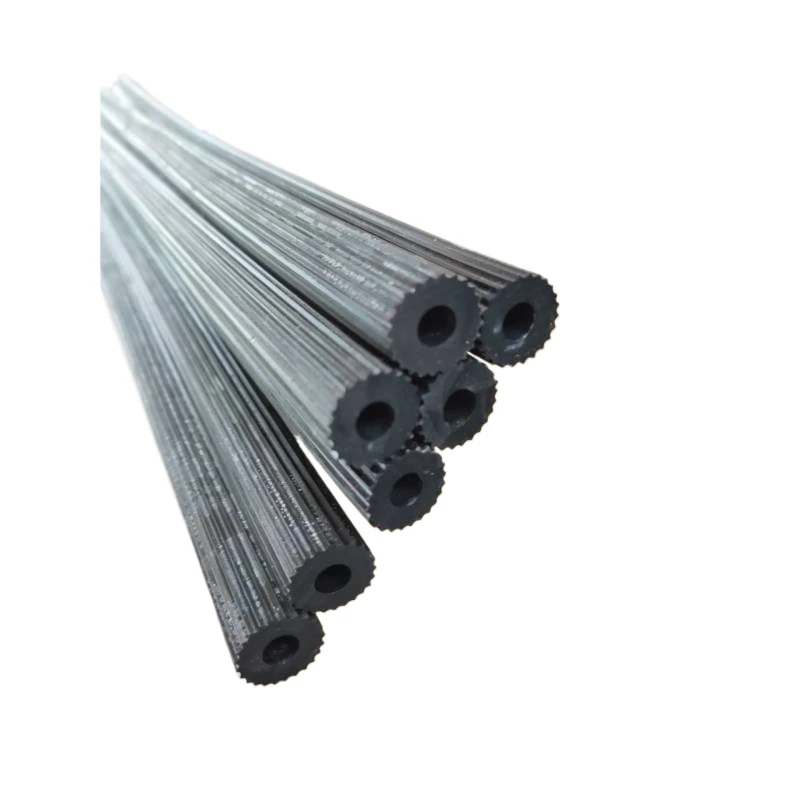
In simplest terms, it’s a flexible, hollow tube made from high-density polyethylene (HDPE) or polypropylene, designed with ridges (corrugations) along its length. These ridges give the pipe structural strength while keeping it lightweight.
Its 30-inch diameter means it’s ideal for high-volume drainage and pipe systems. Often used in stormwater management, sewer systems, and agricultural drainage, these pipes combine ease of installation with superior chemical and abrasion resistance.
Mini takeaway: A 30 inch corrugated plastic pipe balances strength, size, and flexibility, making it indispensable for modern fluid management solutions.
Core Features of 30 Inch Corrugated Plastic Pipes
1. Durability
Unlike metal, these pipes resist corrosion, rust, and chemical degradation, which means they last decades—even in harsh environments like saltwater exposure or acidic soils.
2. Lightweight and Easy Installation
The plastic construction slashes transport and labor costs. Engineers often mention how this influences project timelines—less heavy machinery, faster handling.
3. Flexibility and Structural Strength
Corrugations improve strength without adding bulk. This means the pipe can flex slightly with soil movement or traffic loads without cracking—a must-have for underground piping.
4. Hydraulic Efficiency
Smooth inner surfaces reduce friction and improve flow compared to older corrugated metal pipes, optimizing system performance.
| Specification | Details |
|---|---|
| Material | High-Density Polyethylene (HDPE) |
| Diameter | 30 inches (762 mm) |
| Standard Lengths | 20 ft, 30 ft, 40 ft sections |
| Corrugation Profile | Annular, Dual Profile Options |
| Maximum Load Rating | Up to 40,000 lbs (traffic rated) |
Where Are These Pipes Used? Practical Global Applications
You’ll find 30 inch corrugated plastic pipes beneath city streets, agricultural fields, and sometimes even in disaster zones.
- Urban Stormwater Management: Cities like New York and Singapore use these pipes extensively to handle heavy rain events, mitigating flood risks.
- Agricultural Irrigation and Drainage: In places like the Central Valley of California or the Pampas plains in Argentina, they help control water flow and improve soil health.
- Post-Disaster Infrastructure: After floods or hurricanes, rapid deployment of durable pipes restores drainage networks, preventing disease and further damage.
- Industrial Zones and Mining: Heavy-duty variants line facilities that handle corrosive fluids or abrasive materials.
Mini takeaway: Their widespread application underscores the plastic pipes’ adaptability—from affluent megacities to remote rural landscapes.
Why Pick 30 Inch Corrugated Plastic Pipe? Advantages and Lasting Value
Frankly, the benefits are numerous—but four stand out. First, the low cost of installation and maintenance means public budgets stretch further. Next, environmental sustainability: HDPE pipes are recyclable and last a long time, reducing landfill waste. Third, their flexibility improves safety—less cracking means fewer water leaks and lower contamination risk, protecting communities. Lastly, innovation drives continuous improvements, fostering trust among engineers and planners worldwide.
Where Is the Industry Headed? Future Trends and Innovations
The pipeline business, pun intended, is evolving toward greener and smarter solutions. Bioplastics and recycled-content pipes are gaining traction as environmental policies tighten. Digital tools like ultrasonic flow monitoring and AI-based installation planning improve performance and predictive maintenance. Plus, automation in manufacturing is pushing quality control to new heights—meaning fewer surprises for contractors.
Common Challenges and Expert Solutions
Of course, nothing’s perfect. Sometimes, installation in rocky or unstable soils requires special bedding or reinforcement. UV exposure can degrade plastic over years if pipes are stored outdoors before installation. However, experts recommend proper site preparation, protective coatings, and adherence to installation standards (AASHTO, ASTM) to mitigate these issues effectively.
| Vendor | Material Quality | Range of Sizes | Price per Foot | Delivery Time |
|---|---|---|---|---|
| FYGasket | Premium HDPE, ASTM compliant | 20” to 48” diameters | $25 | 2 weeks |
| PipeCorp | Standard HDPE | 24” to 36” diameters | $22 | 3-4 weeks |
| EcoPipe | Recycled HDPE blend | 30” only | $20 | 1 week |
FAQs: Common Queries About 30 Inch Corrugated Plastic Pipes
- How long does a 30 inch corrugated plastic pipe typically last underground?
- Installed correctly and maintained, HDPE pipes can last 50 to 100 years due to their resistance to corrosion and abrasion. Soil conditions and load factors may influence actual lifespan.
- Can these pipes handle heavy traffic loads?
- Yes, 30 inch corrugated plastic pipes are designed to support heavy loads, especially when buried at recommended depths and with proper bedding material. Many meet AASHTO H-20 traffic loading standards.
- Are the pipes recyclable at end-of-life?
- Absolutely. HDPE pipes are recyclable, and many manufacturers have take-back programs. This reduces environmental impact and aligns with circular economy principles.
- Do these pipes require special tools for installation?
- Not really. Common excavation and pipe joining tools suffice. The lightweight nature simplifies handling and lowers labor costs too.
Wrapping It Up: Why the 30 Inch Corrugated Plastic Pipe Is a Smart Investment
To sum it all up, the 30 inch corrugated plastic pipe is more than just a piece of infrastructure—it’s a vital component that shapes resilient, sustainable, and efficient water management worldwide. Whether you’re managing city storm drains or agricultural fields, this pipe’s combination of durability, flexibility, and cost-effectiveness makes it a dependable choice.
Curious to learn more or ready to source your pipes? Visit our site: 30 inch corrugated plastic pipe for specifications, pricing, and expert advice.
And by the way, every job — from decade-long urban systems to remote farm irrigation — benefits from choosing your pipe wisely.
References
-
Guide to Choosing a High Quality Stainless Steel Pipe CapNewsApr.16,2026
-
Premium Durable Aluminum Post Caps 4x4 for Outdoor StructuresNewsApr.09,2026
-
Comprehensive Guide to Choosing the Right Sheet Metal Chimney Cap for Your HomeNewsApr.07,2026
-
Comprehensive Guide to Metal Pipe Caps Types Materials and ApplicationsNewsApr.04,2026
-
Comprehensive Guide to Metal Tube Caps for Industrial ApplicationsNewsMar.31,2026
-
Comprehensive Guide to Durable Galvanised Steel Capping SolutionsNewsMar.28,2026
-
Comprehensive Guide to Selecting the Right End Caps for Metal Tubing ApplicationsNewsMar.26,2026


- Mob: +86 0312-2911666/+86 0312-2911318
- Fax: 0312-2911511
- Email: rubber@hbfengye.com/
- Add: No. 228 North Street, Gaobeidian City, Hebei Province


