


Comprehensive Guide to 30 Corrugated Plastic Pipe: Uses, Benefits & Global Impact
Understanding 30 Corrugated Plastic Pipe: Global Relevance and Practical Benefits
If you’ve ever worked around infrastructure, drainage, or industrial piping, you’ve likely come across the humble 30 corrugated plastic pipe. But beyond just being a flexible conduit, these pipes matter globally, especially as urbanization and environmental challenges press infrastructure systems. So, why are these pipes so relevant? Frankly, understanding their design, use, and benefits unlocks solutions that are cost-effective, resilient, and sustainable—crucial for many industries as well as humanitarian aid projects worldwide.
Introduction: The Global Importance of 30 Corrugated Plastic Pipe
The demand for flexible, durable drainage and conduit systems isn’t just an industrial concern — it’s a global issue. According to the United Nations report on Sustainable Infrastructure, 70% of the world’s population will live in urban areas by 2050, which means drainage systems must cope with immense volumes of stormwater runoff and waste. Corrugated plastic pipes sized at 30 inches (hence the term 30 corrugated plastic pipe) are often preferred, especially in flood-prone or rapidly urbanizing areas, for their adaptability and longevity. Yet, challenges such as material sustainability and installation complexity persist in some developing regions.
Sprinkling in some figures from industry sources: the global plastic piping market is expected to grow at a CAGR of 5.75% between 2023 and 2030, with corrugated variants playing a pivotal role due to their lightweight and corrosion resistance. This pipe type addresses challenges related to soil conditions, installation time, and maintenance, all of which are essential to modern infrastructure projects worldwide.
What is a 30 Corrugated Plastic Pipe?
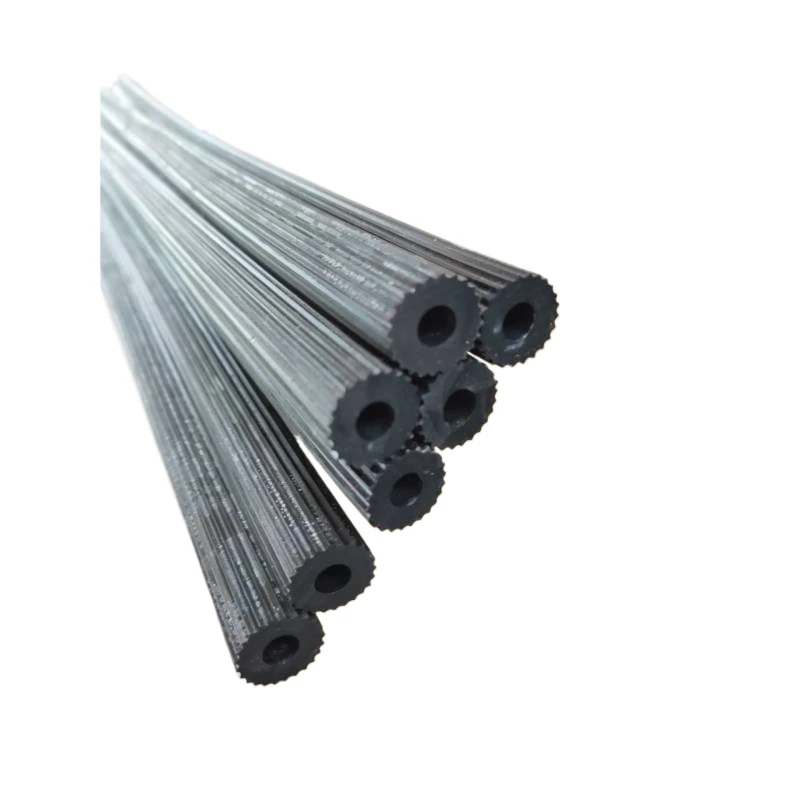
In simple terms, a 30 corrugated plastic pipe is a large-diameter pipe made from high-density polyethylene (HDPE) or polypropylene, featuring ridges and grooves—hence “corrugated”—on its exterior. The “30” relates to the internal diameter measured in inches (about 762mm). These pipes serve primarily in stormwater drainage, culverts under roads, and agricultural irrigation. Their corrugation boosts flexibility and crush resistance, crucial for underground installations where shifting soils and heavy loads are common.
Beyond industry, these pipes have humanitarian significance: quick drainage and water management are vital in disaster zones, refugee camps, and rural development projects, maintaining sanitation and environmental safety. Oddly enough, while they’re everywhere, they don’t always get the limelight they deserve.
Core Components & Key Factors of 30 Corrugated Plastic Pipes
1. Durability
These pipes are highly resistant to corrosion, abrasion, and chemical attack. Unlike metal pipes, plastic won’t rust, a huge advantage in aggressive soils or contaminated water settings.
2. Flexibility & Strength
The corrugated design offers excellent flexibility to adapt to uneven ground while maintaining structural integrity. The pipe’s “ring stiffness” is generally high enough to bear heavy loads like traffic above without deformation.
3. Cost Efficiency
Lightweight manufacturing and low installation labor translate into significant cost savings. Transport is easier compared to rigid concrete pipes. Plus, their longevity reduces replacement frequency – a big deal when budgets are tight.
4. Scalability and Customization
Available in various diameters and lengths, including modular segments for on-site joining. This scalability fits both small rural projects and large urban infrastructure.
5. Environmental Impact
While made from plastic, many manufacturers use recycled materials, plus these pipes help manage stormwater runoff, reducing flooding and soil erosion, which adds positive ecological value.
Product Specifications of a Typical 30 Corrugated Plastic Pipe
| Specification | Detail |
|---|---|
| Material | High-Density Polyethylene (HDPE) |
| Nominal Diameter | 30 inches (762 mm) |
| Length | Typically 20 feet (6 meters) |
| Ring Stiffness (Load Bearing) | ≥ 46 psi (3200 Pa) per ASTM F 2306 |
| Operating Temperature | -40°C to 60°C |
| Joint Type | Gasketed or Snap-fit |
Mini takeaway: The engineering behind 30 corrugated plastic pipe is straightforward yet sophisticated, offering a mix of flexibility, strength, and longevity that suits numerous needs.
Vendor Comparison for 30 Corrugated Plastic Pipes
| Feature | Vendor A (Global Brand) | Vendor B (Regional Supplier) | Vendor C (Eco-Friendly) |
|---|---|---|---|
| Material Quality | Premium HDPE, virgin resins | Standard HDPE | Recycled HDPE with additives |
| Price per Foot | $15.50 | $12.80 | $14.75 |
| Lead Time | 2–3 weeks | 1 week | 3–4 weeks |
| Eco Credentials | Certified ISO14001 | None | 100% Recyclable, LEED points |
| Warranty | 20 years | 10 years | 15 years |
Global Applications & Use Cases
You’ll find 30 corrugated plastic pipes in varied applications worldwide:
- Urban stormwater management: Large cities in the US, Europe, and Asia rely on these pipes under roads and sidewalks to control surface runoff and prevent flooding.
- Agriculture: In countries like Australia and Brazil, these pipes help efficiently drain large farming fields and support irrigation infrastructure.
- Post-disaster relief: NGOs use modular corrugated pipes in earthquake-hit Nepal and flood zones in West Africa to restore drainage rapidly, ensuring safe sanitation and water flow.
- Industrial sites: Mining and chemical industries employ these pipes due to their resistance to corrosive waste fluids and flexibility in difficult terrain.
Oddly enough, even though these pipes play a critical role, non-specialists rarely notice them — until the system fails.
Mini takeaway: The versatility of 30 corrugated plastic pipe extends across continents and industries, turning a simple technology into a linchpin for safety and efficiency.
Advantages & Long-Term Value
The benefits of choosing a 30 corrugated plastic pipe over alternatives are tangible and sometimes emotional. On the logical side, they’re cost-efficient over their lifespan thanks to durability and low maintenance. They require less heavy machinery, reducing environmental disturbance during installation. Emotionally, these pipes contribute to safer communities by preventing flooding and contamination — protecting people’s homes and health, thus restoring dignity.
Lastly, innovation in pipe materials means these products are getting better and greener every year — a long-term investment toward more sustainable infrastructure.
Future Trends & Innovations
We’re seeing several exciting developments in this space:
- Eco-friendly materials: Use of bio-based plastics or higher recycled content for reduced carbon footprint.
- Smart integration: Embedded sensors for flow monitoring and leak detection to optimize urban water management.
- Improved joint technology: Faster, more secure connections to reduce installation time and increase pipeline reliability.
Given global efforts toward sustainable development, the evolution of corrugated pipes is aligning with digital and green infrastructure initiatives.
Challenges & Expert Solutions
No product is perfect, and 30 corrugated plastic pipes have their quirks. Thermal expansion in hot climates can cause slight deformation — custom fittings or installation techniques can fix this. Also, in certain soil types, pipe anchoring can be tricky, requiring geotechnical surveys before deployment.
Many engineers advise combining these pipes with proper bedding materials and using joint lubricants to ensure longevity. International NGOs recommend training local installers to avoid common mistakes, especially in remote locations.
FAQ: Frequently Asked Questions About 30 Corrugated Plastic Pipe
1. How long does a 30-inch corrugated plastic pipe typically last underground?
Under optimal conditions, these pipes can last 50 years or more. Factors like soil type, installation quality, and load also affect lifespan.
2. Is installation difficult for 30-inch corrugated plastic piping compared to traditional concrete pipes?
Installation is often easier due to the lightweight nature and flexible joints, requiring less heavy equipment and shorter installation windows.
3. Can these pipes be used in extreme weather conditions?
Yes, HDPE pipes handle temperatures from -40°C to 60°C, making them suitable for most climates.
4. Are 30 corrugated plastic pipes recyclable?
Many manufacturers now produce pipes with recycled content, and HDPE is widely recyclable, but recycling depends on local facilities.
5. How do NGOs typically source these pipes for humanitarian projects?
NGOs often partner directly with regional manufacturers or global suppliers to purchase in bulk, factoring in lead times and shipping logistics.
Conclusion: Embracing the Long-Term Benefits
The 30 corrugated plastic pipe might not spark excitement at first glance, but its role in shaping resilient, sustainable infrastructure is undeniable. Whether it’s controlling urban floodwaters, supporting agriculture, or helping in disaster relief, these pipes stand as a quiet but essential backbone of modern life. If you want to explore high-quality options and technical support, 30 corrugated plastic pipe suppliers can offer a wealth of solutions tailored to your projects.
Takeaway: Small pipe, big impact — sometimes infrastructure innovation runs right under your feet.
References
-
Guide to Choosing a High Quality Stainless Steel Pipe CapNewsApr.16,2026
-
Premium Durable Aluminum Post Caps 4x4 for Outdoor StructuresNewsApr.09,2026
-
Comprehensive Guide to Choosing the Right Sheet Metal Chimney Cap for Your HomeNewsApr.07,2026
-
Comprehensive Guide to Metal Pipe Caps Types Materials and ApplicationsNewsApr.04,2026
-
Comprehensive Guide to Metal Tube Caps for Industrial ApplicationsNewsMar.31,2026
-
Comprehensive Guide to Durable Galvanised Steel Capping SolutionsNewsMar.28,2026
-
Comprehensive Guide to Selecting the Right End Caps for Metal Tubing ApplicationsNewsMar.26,2026


- Mob: +86 0312-2911666/+86 0312-2911318
- Fax: 0312-2911511
- Email: rubber@hbfengye.com/
- Add: No. 228 North Street, Gaobeidian City, Hebei Province


