


Comprehensive Guide to Selecting the Right End Caps for Metal Tubing Applications
Choosing the Right End Caps for Metal Tubing
Selecting the appropriate end caps for metal tubing is crucial for protecting open ends from damage, corrosion, and contamination. These seemingly small components play a significant role in maintaining the integrity and longevity of metal structures across various industries. This article will provide a comprehensive guide to understanding different types of end caps, materials, applications, and factors to consider when making a purchase. Proper selection ensures a secure fit and optimal performance.
Understanding the Different Types of End Caps
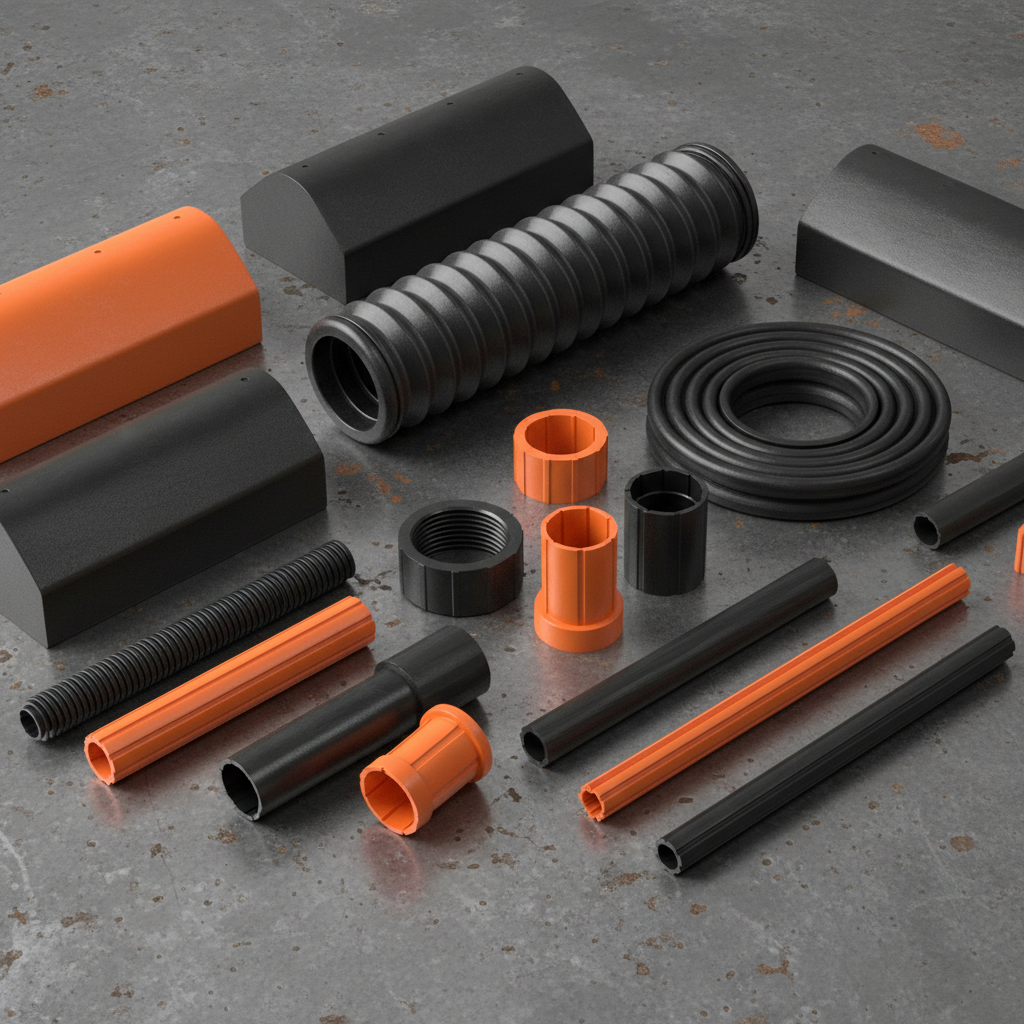
Metal tubing end caps come in various designs to suit specific needs. Welded end caps provide a permanent, highly secure seal, ideal for high-pressure applications. Crimp end caps are a cost-effective option for lighter duty uses, while press-fit end caps offer a quick and easy installation process. Threaded end caps allow for easy removal and re-installation, facilitating access for cleaning or inspection. Choosing the right type depends on the application’s requirements for permanence, pressure resistance, and accessibility.
Key Takeaway: The type of end cap chosen should align directly with the intended application’s demands regarding security, ease of installation, and long-term maintenance.
Material Selection: Key Considerations for Durability
The material of the end cap is a crucial factor in determining its durability and resistance to corrosion. Common materials include steel, stainless steel, aluminum, and plastic. Stainless steel offers excellent corrosion resistance, making it ideal for outdoor or marine applications. Aluminum is lightweight and corrosion-resistant, suitable for applications where weight is a concern. Steel provides high strength but may require protective coatings to prevent rust. Plastic end caps are cost-effective and offer good chemical resistance, but may not be suitable for high-temperature or high-pressure environments.
Material Comparison:
• Stainless Steel: Excellent corrosion resistance, high strength.
• Aluminum: Lightweight, good corrosion resistance.
• Steel: High strength, requires protective coating.
• Plastic: Cost-effective, good chemical resistance.
Selecting End Caps for Metal Tubing: A Comparative Analysis
Comparing different end cap options requires considering the specific application and its requirements. For example, a furniture manufacturer might opt for plastic end caps to protect flooring from scratches, while an automotive manufacturer would require high-strength steel or stainless steel end caps to withstand the demands of the engine compartment. Cost, ease of installation, and long-term maintenance needs also play a vital role in the decision-making process.
Applications Across Industries
The application of metal tubing end caps is incredibly diverse. In the automotive industry, they seal fuel lines and hydraulic systems. In furniture manufacturing, they provide a clean and safe finish to metal legs and frames. Construction utilizes them to protect scaffolding and structural supports. Medical equipment often employs specialized end caps for hygiene and safety. Ultimately, their function is to enhance product performance, safety, and lifespan.
Ensuring Proper Fit and Installation
Accurate measurement of the tubing's outer diameter is paramount for selecting the correct end cap size. A snug fit is crucial for preventing leaks and ensuring a secure seal. Installation methods vary depending on the end cap type. Welded end caps require skilled welding expertise, while crimp end caps necessitate the use of a crimping tool. Following the manufacturer’s instructions carefully is vital for achieving optimal results. FY Gasket offers a range of high-quality end caps and expert guidance for proper installation.
Conclusion: Protecting Your Investment with Quality End Caps
Investing in the right end caps for metal tubing is a proactive step towards protecting your metal structures and ensuring their long-term performance. By considering material, type, application, and proper installation, you can significantly reduce the risk of damage, corrosion, and costly repairs. Choose quality and reliability for lasting peace of mind.
Frequently Asked Questions (FAQs)
What is the best material for end caps in a marine environment?
For marine environments, stainless steel (specifically 316 grade) is the most recommended material. It offers exceptional resistance to saltwater corrosion, ensuring long-term durability and preventing rust. While aluminum also has corrosion resistance, it is not as robust as stainless steel in harsh marine conditions. Plastic may be suitable for some non-structural applications, but its lifespan will be significantly shorter compared to stainless steel.
How do I determine the correct size end cap?
Accurate measurement is key! Use a precise measuring tool (calipers are ideal) to determine the outer diameter (OD) of the metal tubing. The end cap’s inner diameter (ID) should match the tubing’s OD for a snug and secure fit. It's better to slightly undersize rather than oversize, as a loose fit can compromise the seal. Always refer to the manufacturer's sizing guide for specific recommendations.
Can end caps be reused after removal?
Reusability depends on the end cap type. Plastic end caps can often be reused if they are not damaged during removal. Crimp end caps are generally not reusable, as the crimping process deforms the material. Threaded end caps can be reused multiple times, provided the threads are not stripped or damaged. Welded end caps, of course, are not reusable. Inspect the end cap for damage before reuse.
What are the benefits of using stainless steel end caps?
Stainless steel end caps provide superior corrosion resistance, high strength, and durability. They are ideal for applications exposed to harsh environments, such as outdoor structures, marine equipment, and chemical processing plants. While they are generally more expensive than other materials, their longevity and reliability make them a cost-effective choice in the long run.
-
Guide to Choosing a High Quality Stainless Steel Pipe CapNewsApr.16,2026
-
Premium Durable Aluminum Post Caps 4x4 for Outdoor StructuresNewsApr.09,2026
-
Comprehensive Guide to Choosing the Right Sheet Metal Chimney Cap for Your HomeNewsApr.07,2026
-
Comprehensive Guide to Metal Pipe Caps Types Materials and ApplicationsNewsApr.04,2026
-
Comprehensive Guide to Metal Tube Caps for Industrial ApplicationsNewsMar.31,2026
-
Comprehensive Guide to Durable Galvanised Steel Capping SolutionsNewsMar.28,2026
-
Enhance Your Outdoor Space with Durable 2x2 Aluminum Post Cap LightsNewsMar.24,2026


- Mob: +86 0312-2911666/+86 0312-2911318
- Fax: 0312-2911511
- Email: rubber@hbfengye.com/
- Add: No. 228 North Street, Gaobeidian City, Hebei Province


