


Comprehensive Guide to Durable Galvanised Steel Capping Solutions
Galvanised Steel Capping: A Comprehensive Guide
Galvanised steel capping is a vital component in many construction and industrial applications, providing durable and weather-resistant protection. This article will explore the benefits, applications, different types, and factors to consider when choosing the right galvanised steel capping for your project. We’ll delve into what makes this material so effective and how it can contribute to the longevity of your structures. From protecting brickwork to enhancing the aesthetic of your buildings, understanding galvanised steel capping is key. For high-quality capping solutions, visit FY Gasket.
What is Galvanised Steel Capping?
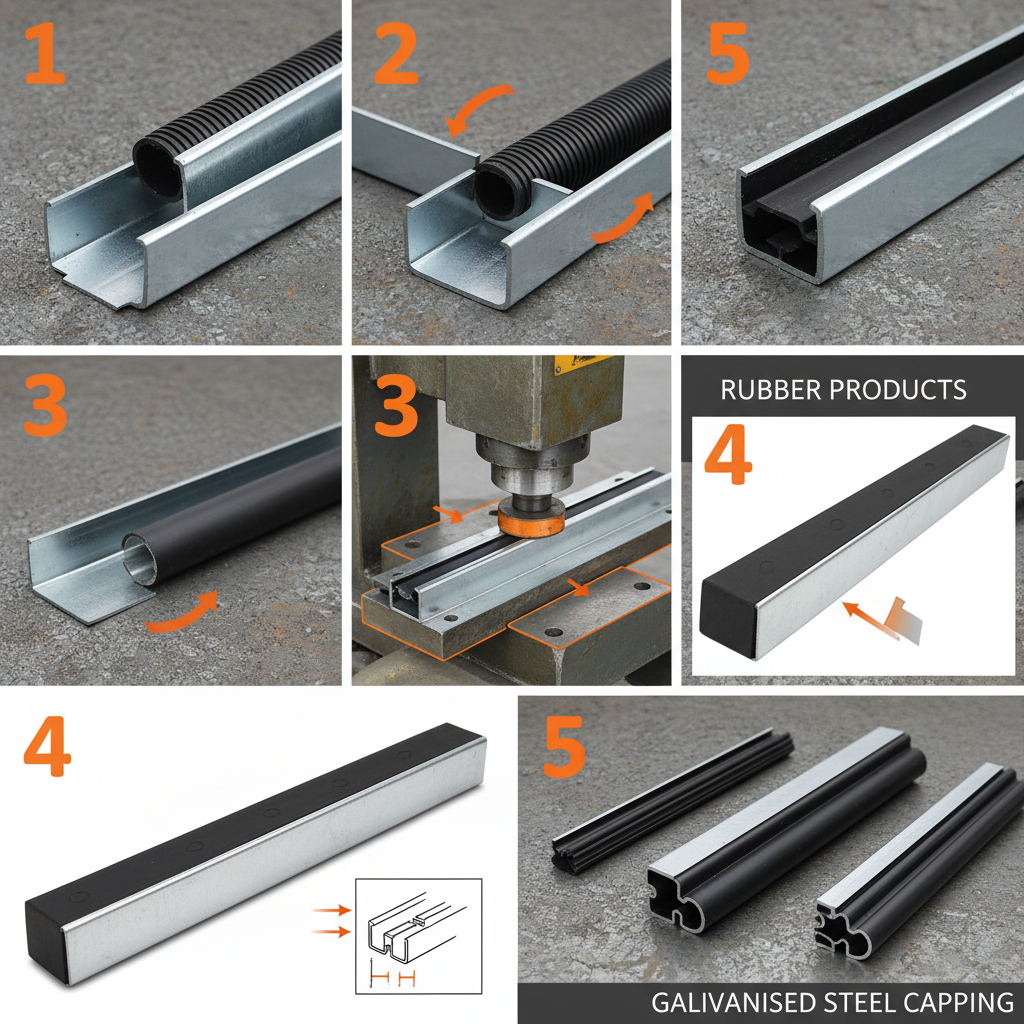
Galvanised steel capping refers to steel sheets or profiles coated with a layer of zinc. This galvanisation process protects the underlying steel from corrosion and rust, making it suitable for both indoor and outdoor environments. The zinc coating acts as a sacrificial anode, meaning it corrodes first, protecting the steel beneath. This makes galvanised steel capping a cost-effective and long-lasting solution for protecting vulnerable edges and surfaces. It's available in various profiles and thicknesses, catering to different requirements.
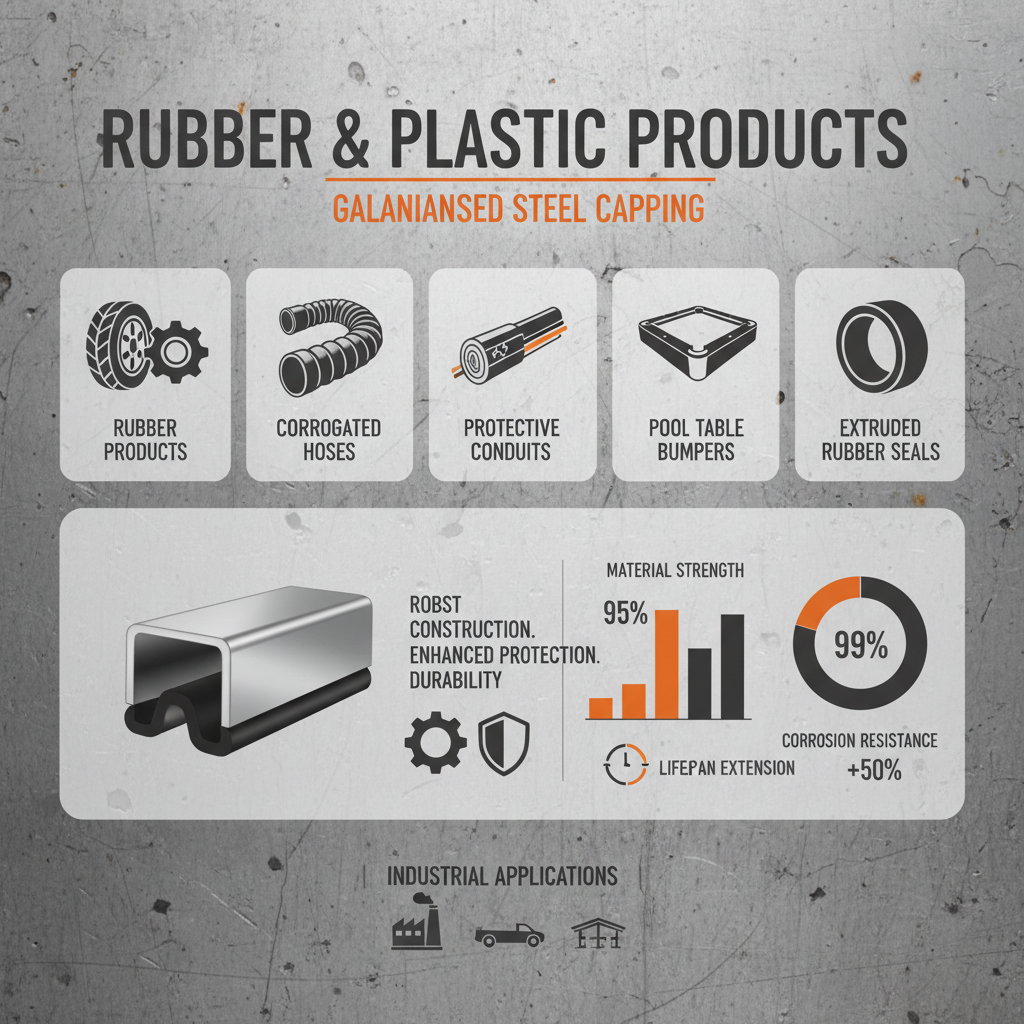
Key Benefit: Corrosion Resistance. Galvanising significantly extends the lifespan of steel structures, reducing maintenance costs and ensuring long-term durability.
Applications of Galvanised Steel Capping
The versatility of galvanised steel capping makes it ideal for numerous applications. Common uses include protecting the tops of brickwork, concrete walls, and parapet walls from water ingress and weathering. It's also widely used in agricultural buildings, warehouses, and industrial facilities. Furthermore, it provides a neat and professional finish to edges, enhancing the aesthetic appeal of structures. Other applications include capping for timber structures, providing a protective barrier against the elements. Consider FY Gasket for a comprehensive range of capping options.
Common Applications:
• Brickwork Protection
• Concrete Wall Protection
• Parapet Walls
• Agricultural Buildings
Types of Galvanised Steel Capping
Different types of galvanised steel capping are available to suit specific project needs. These include:
- Flat Capping: Offers a simple, clean line for a modern aesthetic.
- Angle Capping: Provides a more traditional look and is often used for brickwork.
- Radius Capping: Creates a rounded edge, ideal for softer designs.
- Concave & Convex Capping: Used for unique architectural designs.
The thickness of the steel also varies, with thicker gauges providing greater durability and protection. The choice of type depends on the structural requirements, aesthetic preferences, and budget considerations.
Factors to Consider When Choosing Galvanised Steel Capping
Selecting the right galvanised steel capping involves considering several factors. These include the thickness of the steel, the type of profile needed, the environment it will be exposed to, and the overall aesthetic requirements. Ensure the capping is compatible with the underlying material and properly installed to maximize its protective benefits. The gauge (thickness) of the steel is critical, with heavier gauges providing more durability. Furthermore, consider the type of galvanisation – hot-dip galvanising offers superior protection compared to electro-galvanising. Consult with a reputable supplier like FY Gasket for expert advice.
Installation and Maintenance
Proper installation is crucial for the effectiveness of galvanised steel capping. Ensure the capping is securely fixed using appropriate fixings, such as self-tapping screws or bolts. Regular inspections are recommended to identify any signs of damage or corrosion. While galvanised steel is highly resistant to corrosion, it’s not entirely immune, especially in harsh environments. Clean the capping periodically to remove dirt and debris, which can accelerate corrosion. A protective coating can also be applied to further enhance its lifespan.
Conclusion: Protecting Your Investment with Galvanised Steel Capping
Investing in high-quality galvanised steel capping is a proactive step towards protecting your structures and minimizing long-term maintenance costs. Its durability, corrosion resistance, and versatility make it an essential component in many building projects. Choose a reliable supplier like FY Gasket to ensure you receive superior products and expert guidance.
Frequently Asked Questions (FAQs)
What is the typical lifespan of galvanised steel capping?
The lifespan of galvanised steel capping can vary significantly depending on the environment and the quality of the galvanisation. However, with proper installation and maintenance, it can realistically last anywhere from 20 to 50 years, or even longer in less corrosive environments. Factors like salt spray exposure (coastal areas) or industrial pollution can reduce lifespan. Regular inspections and touch-up painting can extend the capping's protective life.
What is the difference between hot-dip galvanising and electro-galvanising?
Hot-dip galvanising involves immersing the steel in a bath of molten zinc, resulting in a thicker, more durable coating that provides superior corrosion protection. Electro-galvanising uses an electrical current to deposit a thin layer of zinc onto the steel. While more aesthetically pleasing, electro-galvanising offers less corrosion resistance than hot-dip galvanising. For applications requiring long-term protection, hot-dip galvanising is generally the preferred method.
How do I properly prepare the surface before installing galvanised steel capping?
Proper surface preparation is crucial for ensuring a secure and long-lasting installation. The surface should be clean, dry, and free of any loose paint, rust, or debris. If the surface is painted, it may need to be lightly sanded to provide a better key for the capping. Any existing corrosion should be treated with a rust converter before installing the capping. Following manufacturer's instructions and local building codes is recommended.
-
Guide to Choosing a High Quality Stainless Steel Pipe CapNewsApr.16,2026
-
Premium Durable Aluminum Post Caps 4x4 for Outdoor StructuresNewsApr.09,2026
-
Comprehensive Guide to Choosing the Right Sheet Metal Chimney Cap for Your HomeNewsApr.07,2026
-
Comprehensive Guide to Metal Pipe Caps Types Materials and ApplicationsNewsApr.04,2026
-
Comprehensive Guide to Metal Tube Caps for Industrial ApplicationsNewsMar.31,2026
-
Comprehensive Guide to Selecting the Right End Caps for Metal Tubing ApplicationsNewsMar.26,2026
-
Enhance Your Outdoor Space with Durable 2x2 Aluminum Post Cap LightsNewsMar.24,2026


- Mob: +86 0312-2911666/+86 0312-2911318
- Fax: 0312-2911511
- Email: rubber@hbfengye.com/
- Add: No. 228 North Street, Gaobeidian City, Hebei Province


