


3 Inch Corrugated Plastic Pipe: Durable, Flexible Drainage Solutions Worldwide
Understanding the 3 Inch Corrugated Plastic Pipe: A Versatile Solution in Modern Infrastructure
When it comes to contemporary infrastructure and drainage solutions, the 3 inch corrugated plastic pipe often plays a quiet but vital role. It’s a simple-sounding product but important worldwide — used everywhere from urban drainage to remote humanitarian relief. Understanding this specialized pipe not only sheds light on practical engineering but also reveals how sustainable, scalable, and cost-effective solutions help communities worldwide tackle water management challenges.
Global Context: Why 3 Inch Corrugated Plastic Pipe Matters
Globally, water management is a critical concern. According to the United Nations, over 80% of wastewater is released untreated into the environment — a staggering figure that underlines the need for better drainage infrastructure.1 That’s where pipes like the 3 inch corrugated plastic variety come in. Durable yet flexible, these pipes support everything from stormwater runoff in growing cities to drainage for agricultural fields across the globe.
Frankly, with urban populations rising and climate change increasing extreme weather events, flexible drainage systems that are easy to deploy and maintain are more relevant than ever. The 3 inch corrugated plastic pipe has emerged as a practical response to these challenges, offering resilience in diverse settings.
What Exactly is a 3 Inch Corrugated Plastic Pipe?
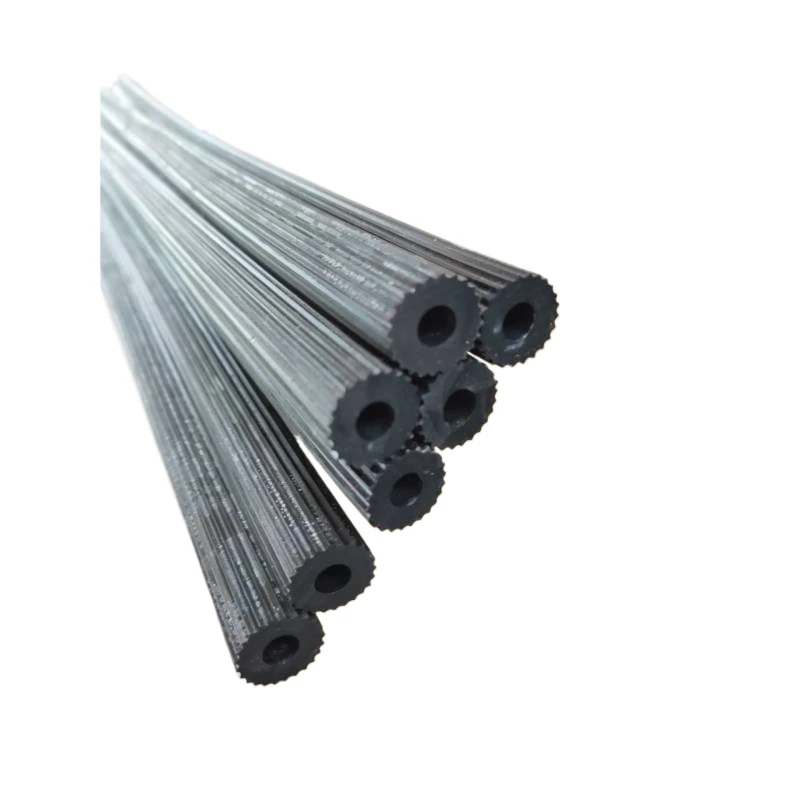
At its core, this is a lightweight, durable pipe with a diameter of about three inches, made from high-density polyethylene (HDPE) or similar plastics. The “corrugated” design refers to the ridged, wavy structure along its length — this shape enhances flexibility and resistance to external pressure while maintaining strength.
Industrially, these pipes are ubiquitous in drainage and conduit applications. They facilitate efficient water flow while handling loads from soil and vehicles. Oddly enough, their usage goes beyond traditional civil works: humanitarian agencies rely on them for rapid water management solutions in disaster zones, where quick drainage can be the difference between sanitation and disaster.
Core Components and Key Factors
1. Durability
The HDPE material resists chemicals, corrosion, and UV damage very well — wider temperature tolerances too, which means these pipes work from cold northern climates to hot, arid regions.
2. Flexibility
The corrugated structure isn’t just aesthetic — it allows bending around curves and obstacles without cracking, a must-have on uneven terrain or complex layouts.
3. Cost Efficiency
Compared to traditional rigid metal or concrete pipes, the plastic ones are lighter and cheaper to transport and install. This reduces project costs significantly, especially in remote locations.
4. Sustainability
Many manufacturers now offer recycled HDPE options, and the long lifespan of these pipes means less frequent replacement, saving materials and costs over time.
5. Scalability
Standardized sizes like 3 inch make it easy to scale drainage systems modularly, fitting a range of volume requirements — from small residential drainage to large industrial setups.
Mini Takeaway
In sum, the 3 inch corrugated plastic pipe blends durability, flexibility, and cost advantages, making it a flexible choice for many water management needs, particularly where adaptability matters.
Specifications of Typical 3 Inch Corrugated Plastic Pipes
| Specification | Detail |
|---|---|
| Diameter | 3 inches (approx. 75 mm) |
| Material | High-Density Polyethylene (HDPE) |
| Wall Type | Corrugated exterior with smooth interior |
| Standard Length | 20 feet (6 meters) typical |
| Operating Temperature | -40°C to 60°C (-40°F to 140°F) |
| Common Uses | Drainage, conduit, irrigation |
Global Applications & Use Cases
The adaptability of the 3 inch corrugated plastic pipe has led to its widespread use in various sectors:
- Urban Infrastructure: Stormwater drainage systems in North America and Europe often rely on these pipes for their cost-effectiveness and ease of maintenance.
- Agriculture: In low-income regions across Africa and Asia, they serve as accessible irrigation conduits, boosting water efficiency on farms.
- Disaster Relief: NGOs commonly use these pipes in flood-prone or post-disaster zones for rapid drainage, aiding sanitation efforts.
- Industrial Zones: Chemical plants and factories use HDPE corrugated pipes to safely transport fluids and resist corrosion.
In fact, I recently read about their use in remote mining communities where traditional pipe delivery is challenging; the light weight and flexibility mean installations get done quickly without heavy machinery.
For those curious about practical inventory, check out resources offering 3 inch corrugated plastic pipe tailored to these various needs.
Advantages & Long-Term Value
One of the enduring appeals of these pipes is their balance of tangible benefits and an almost emotional reassurance. You know that feeling when something just works reliably year after year? That’s partly it.
- Cost Savings: Lower transport and installation costs mean more budget for other critical project needs.
- Sustainability: Reduced environmental impact due to recyclable materials and long service life.
- Safety: Reliable drainage reduces flood risk and prevents water-borne diseases—protecting public health.
- Trust & Innovation: Their continued evolution, including blend materials and advanced connectors, keeps them cutting-edge.
Vendor Comparison Table
| Vendor | Material Quality | Price per foot | Availability | Special Features |
|---|---|---|---|---|
| FYGasket | High-Density Recycled HDPE | $1.95 | Worldwide Shipping | UV Resistant, Flexible Couplings |
| PolyPipe Inc. | Virgin HDPE | $2.10 | North America | Color-Coded Length Markers |
| DrainMaster | Mixed HDPE Blend | $1.80 | Asia & Europe | Anti-Collapse Corrugation |
Future Trends & Innovations
Looking ahead, there are some exciting developments. The plastic pipe manufacturing industry is increasingly focusing on sustainability, integrating recycled polymers without sacrificing strength. Digital transformation is also making its way in — sensor-embedded pipes to monitor flow and detect clogs, remotely operated robots for underground pipe inspections, the works.
Moreover, shifting environmental policies push for greener construction practices, encouraging pipeline systems that are not just effective but environmentally responsible. There’s a push for biodegradable pipe coatings and hybrid materials that combine plastic flexibility with added durability.
Challenges and How Experts Address Them
As much as we like the 3 inch corrugated plastic pipe, it’s not without challenges. For example, their lighter weight can sometimes mean lower load-bearing under extremely heavy traffic unless properly bedded or reinforced. Some chemistries in harsh industrial waste can degrade the pipe if the wrong material spec is chosen.
Experts often recommend:
- Careful site analysis to customize bedding and backfill.
- Material grade matching — using specialized HDPE blends or liners for aggressive substances.
- Regular inspection and maintenance plans, possibly using emerging tech like smart sensors.
FAQ: Frequently Asked Questions About 3 Inch Corrugated Plastic Pipe
Q1: What are common uses of 3 inch corrugated plastic pipe?
A1: They are mostly used for stormwater drainage, irrigation channels, conduit for cables, and wastewater management in residential or commercial sites. Their flexibility makes them ideal for uneven terrains or where curves are necessary.
Q2: Can 3 inch corrugated plastic pipes withstand heavy traffic loads?
A2: Yes, but this depends on proper installation with suitable bedding and backfill materials. For very heavy loads like highways, pipes with thicker walls or reinforced options might be needed.
Q3: Are these pipes recyclable and environmentally friendly?
A3: Most HDPE pipes are recyclable and increasingly made with recycled content. Their long service life reduces replacement frequency, which also lowers environmental impact.
Q4: How do I choose the best supplier for 3 inch corrugated plastic pipe?
A4: Consider material quality, certifications, price, availability, and support services. Vendors like FYGasket offer worldwide shipping and UV resistant options, which is crucial in outdoor installations.
Q5: How easy is installation for these pipes?
A5: One of the biggest advantages is ease of installation due to lightweight, flexibility, and compatibility with various fittings. This means less labor time and reduced equipment needs.
Conclusion: Embracing the Potential of 3 Inch Corrugated Plastic Pipe
There’s something quietly powerful about the 3 inch corrugated plastic pipe. It’s not glamorous equipment but a backbone component that keeps water flowing safely and infrastructure running smoothly. Their affordability, resilience, and adaptability mean they will remain essential worldwide, especially as environmental and infrastructure pressures mount.
If you’re considering solutions for drainage or conduit needs, explore what 3 inch corrugated plastic pipe can offer—it might just be the reliable, innovative answer you’re looking for.
Reflection
In writing this, I’m reminded that the smallest components often have outsized impacts. The unassuming 3 inch corrugated plastic pipe is a perfect example. It combines engineering, sustainability, and practicality — a humble hero in our quest to manage nature better.
References
-
Guide to Choosing a High Quality Stainless Steel Pipe CapNewsApr.16,2026
-
Premium Durable Aluminum Post Caps 4x4 for Outdoor StructuresNewsApr.09,2026
-
Comprehensive Guide to Choosing the Right Sheet Metal Chimney Cap for Your HomeNewsApr.07,2026
-
Comprehensive Guide to Metal Pipe Caps Types Materials and ApplicationsNewsApr.04,2026
-
Comprehensive Guide to Metal Tube Caps for Industrial ApplicationsNewsMar.31,2026
-
Comprehensive Guide to Durable Galvanised Steel Capping SolutionsNewsMar.28,2026
-
Comprehensive Guide to Selecting the Right End Caps for Metal Tubing ApplicationsNewsMar.26,2026


- Mob: +86 0312-2911666/+86 0312-2911318
- Fax: 0312-2911511
- Email: rubber@hbfengye.com/
- Add: No. 228 North Street, Gaobeidian City, Hebei Province


