



Comprehensive Guide to 36 Corrugated Plastic Pipe: Applications, Benefits & Suppliers
36 Corrugated Plastic Pipe: Durable Solutions for Modern Drainage Needs
When we hear “corrugated plastic pipe,” most of us probably imagine drainage systems under roads or garden landscaping. But the 36 corrugated plastic pipe specifically plays a surprisingly crucial role across industries worldwide—from infrastructure to humanitarian relief. Understanding its key benefits unlocks a clearer picture of how something so seemingly simple can be highly strategic in building resilient, flexible, and cost-effective water management systems.
Why 36 Corrugated Plastic Pipe Matters Globally
Let's face it: water management challenges affect billions globally, influencing agriculture, urban planning, and disaster resilience. The World Bank states that poor drainage infrastructure exacerbates flooding, costing cities billions annually. Here, the 36-inch diameter corrugated plastic pipe often serves as a backbone for large-volume drainage and stormwater management.
Its use is not just technical; it’s humanitarian. In flood-prone regions or post-disaster rebuilding efforts, fast to deploy and reliable pipe solutions like this are invaluable. They help prevent future damage and protect communities—making them a silent contributor to safety and sustainability.
Defining 36 Corrugated Plastic Pipe
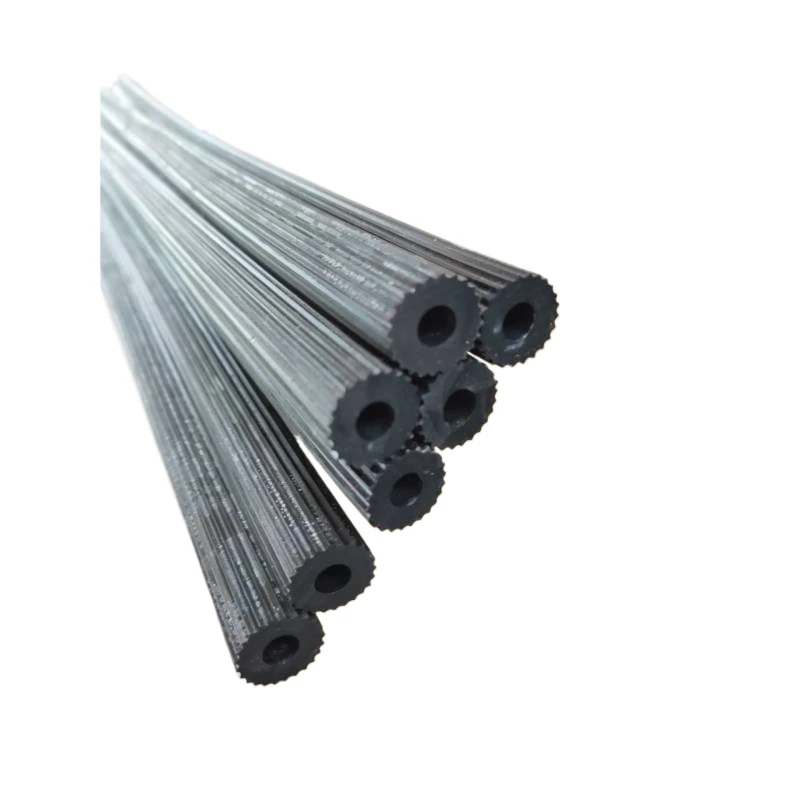
At its core, the term refers to a pipe of corrugated design—meaning it has ridges and grooves for flexibility and strength—made from durable plastic polymers, typically high-density polyethylene (HDPE). The numeric '36' generally indicates the pipe’s nominal diameter in inches, ideal for large-scale drainage projects.
Unlike solid-wall pipes, corrugated pipes balance structural resilience with light weight, making transportation and installation easier. It’s this blend of features that link the product directly to modern infrastructure demands and emergency response needs alike.
Key Features of 36 Corrugated Plastic Pipe
Durability
Designed to resist corrosion, chemical exposure, and UV degradation, HDPE pipes often last for 50+ years. They withstand both soil pressure and environmental stresses, a feature crucial in harsh or disaster-affected terrains.
Flexibility
Its corrugated shape allows for bendability along curves and uneven grades, reducing the need for connectors and cutting labor costs.
Cost Efficiency
Compared to concrete or metal variants, corrugated plastic pipes weigh less and install faster—saving time and money on large projects.
Hydraulic Performance
The smooth inner surface accelerates water flow and resists blockage, important for flood prevention and irrigation systems alike.
Environmental Sustainability
Many pipes incorporate recycled materials and offer recyclable end-of-life options, aligning with growing sustainability goals.
Specifications of a Typical 36 Corrugated Plastic Pipe
| Specification | Value |
|---|---|
| Nominal Diameter | 36 inches (914 mm) |
| Material | High-Density Polyethylene (HDPE) |
| Pipe Length | Typically 20 ft (custom lengths available) |
| Corrugation Profile | Dual-wall with smooth interior |
| Working Temperature | -40°F to 140°F (-40°C to 60°C) |
| Pressure Rating | Up to 65 psi depending on SDR |
Global Applications & Use Cases
Across continents, the 36 corrugated plastic pipe serves diverse needs:
- Urban Infrastructure: Cities like São Paulo and Mumbai use such pipes in stormwater drainage to prevent urban flooding and improve sanitation.
- Agriculture: Large-scale irrigation canals in parts of California and Australia leverage these pipes for efficient water delivery with minimal seepage.
- Post-Disaster Reconstruction: After typhoons in Southeast Asia or hurricanes in the Caribbean, emergency responders deploy corrugated pipes rapidly to restore drainage amid devastated landscapes.
- Industrial Zones: Mining operations in Canada and Australia use these pipes to manage runoff water and protect sensitive ecosystems.
Organizations like the UN and NGOs involved in humanitarian aid see these pipes as integral to ensuring sustainable living environments quickly after crises.
Advantages & Long-Term Value of Choosing 36 Inch Corrugated Plastic Pipe
- Cost Savings: Cheaper materials plus faster installation equate to major savings.
- Longevity and Reliability: Minimal maintenance ensures long service life.
- Environmental Benefits: Using recyclable plastics reduces landfill impact.
- Safety and Wellbeing: Proper drainage reduces risk of flooding, protecting homes and livelihoods.
- Flexibility: Fits complex engineering requirements with fewer joint failures.
Frankly, it's not just an engineering choice; it’s a trust-building element between planners and communities.
Future Trends & Innovations
Looking ahead, manufacturers are experimenting with bio-based polymers and nanomaterial additives to enhance pipe strength and lower carbon footprints. Digital tech—like embedded sensors—could soon monitor pipe health remotely, integrating into smart-city designs. Policy shifts toward sustainable infrastructure (like ISO standards for plastics) push the industry toward eco-conscious production and waste management.
Challenges & Expert Solutions
The most common issues? Damage during transport, improper installation depths, and end-of-life recycling hurdles. Innovative solutions include modular joints for quick repairs and third-party compliance certifications to ensure quality. Industry leaders recommend strict onsite training and choosing vendors with transparent sustainability records.
Vendor Comparison: Leading 36 Corrugated Plastic Pipe Suppliers
| Vendor | Material Grade | Custom Lengths | Warranty | Sustainability Certification |
|---|---|---|---|---|
| FYGasket | HDPE PE4710 | Yes, up to 40 ft | 25 years | ISO 14001, Recycled Content Verified |
| AquaFlow Pipes | HDPE PE3608 | Standard 20 ft only | 20 years | ISO 9001 |
| DrainMaster | Composite Polymer Blend | Yes, custom lengths | 15 years | None specified |
FAQs: Practical Questions About 36 Corrugated Plastic Pipe
Q: What applications suit a 36-inch corrugated plastic pipe best?
A: These pipes excel in large-scale drainage, sewer systems, agricultural irrigation, and stormwater projects where high volume and durability matter. They’re less common for potable water but perfect where flexibility and pressure tolerance are key.
Q: How does HDPE corrugated pipe compare to concrete pipe?
A: HDPE pipes weigh significantly less, resist corrosion, and offer easier installation. Concrete offers higher compressive strength but is costlier and less resistant to cracking. Often, HDPE pipes outperform in longevity and environmental impact.
Q: Can these pipes be recycled at end-of-life?
A: Yes, many HDPE corrugated pipes are recyclable. However, recycling availability depends on local facilities. Choosing pipes made from recycled content improves overall sustainability.
Q: Are these pipes suitable for cold climate installations?
A: Absolutely. The typical working temperature range of HDPE pipes covers sub-zero climates, making them reliable in harsh winters without becoming brittle.
Q: How do I ensure proper installation to avoid pipe failure?
A: Follow manufacturer guidelines on bedding, backfill materials, and embedment depth. Site inspections and trained installers make a huge difference in system longevity.
Wrapping Up
In real terms, the 36 corrugated plastic pipe quietly revolutionizes how we manage water across continents. It merges science, economy, and practicality into one essential building block for modern infrastructure and humanitarian efforts. If you want to explore options or get a custom quote, visiting 36 corrugated plastic pipe specialists is a good next step.
From its durability to sustainability, this pipe looks set to remain a cornerstone of drainage and flood management projects worldwide for decades to come.
Mini takeaway: Durable, adaptable, and eco-friendly, the 36 corrugated plastic pipe is not just a product but a smart investment for future-ready water infrastructure.
References:
-
Guide to Choosing a High Quality Stainless Steel Pipe CapNewsApr.16,2026
-
Premium Durable Aluminum Post Caps 4x4 for Outdoor StructuresNewsApr.09,2026
-
Comprehensive Guide to Choosing the Right Sheet Metal Chimney Cap for Your HomeNewsApr.07,2026
-
Comprehensive Guide to Metal Pipe Caps Types Materials and ApplicationsNewsApr.04,2026
-
Comprehensive Guide to Metal Tube Caps for Industrial ApplicationsNewsMar.31,2026
-
Comprehensive Guide to Durable Galvanised Steel Capping SolutionsNewsMar.28,2026
-
Comprehensive Guide to Selecting the Right End Caps for Metal Tubing ApplicationsNewsMar.26,2026


- Mob: +86 0312-2911666/+86 0312-2911318
- Fax: 0312-2911511
- Email: rubber@hbfengye.com/
- Add: No. 228 North Street, Gaobeidian City, Hebei Province


