


Comprehensive Guide to 18 Inch Corrugated Plastic Pipe: Applications, Benefits & Suppliers
18 inch corrugated plastic pipe: A versatile solution shaping global infrastructure
When you hear “18 inch corrugated plastic pipe,” you might picture some generic drainage duct buried underground. But honestly, this product is quietly revolutionizing water management, infrastructure projects, and even humanitarian aid worldwide. Understanding how these pipes work and why so many sectors rely on them can offer practical insights into sustainable, efficient engineering in everything from urban stormwater solutions to remote site installations.
Why does 18 inch corrugated plastic pipe matter globally?
Globally, infrastructure demands are growing exponentially. According to the World Bank, over 1 billion people still lack adequate sanitation solutions, while urban areas face staggering flood risks. Pipes like the 18 inch corrugated plastic pipe play a vital role in managing stormwater and wastewater systems with durability and affordability. Their lightweight design and resilience over time have allowed engineers to deploy smarter solutions that help meet United Nations Sustainable Development Goals (SDGs), particularly clean water and sanitation (SDG 6).
Mini takeaway: Beyond its simple shape, the 18 inch corrugated plastic pipe is a critical enabler of safe water and environmental projects worldwide.
What exactly is an 18 inch corrugated plastic pipe?
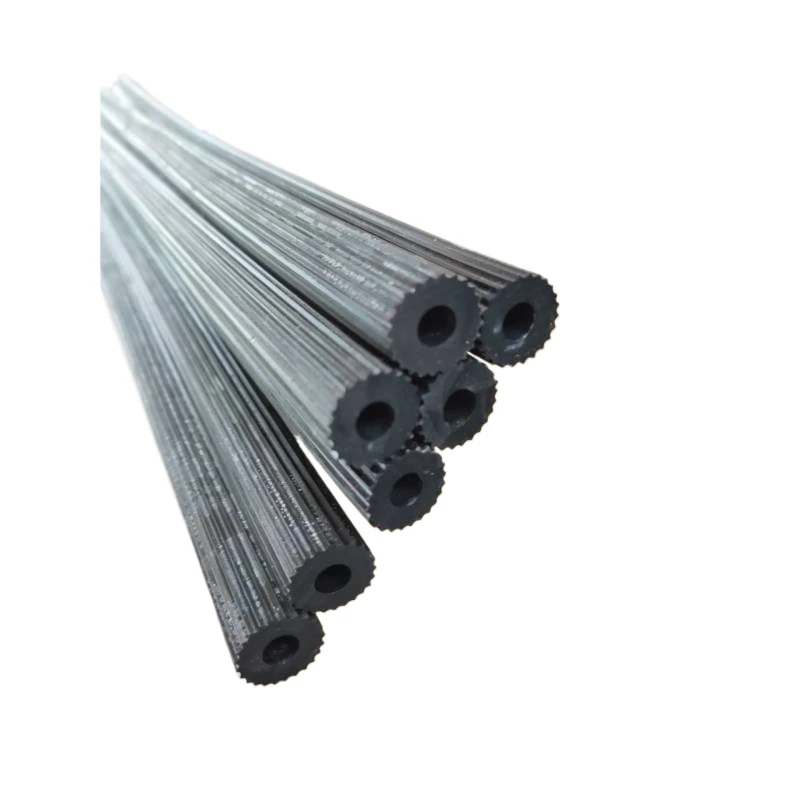
Simply put, it’s a pipe roughly 18 inches (450 mm) in diameter, made from high-density polyethylene (HDPE) or polypropylene with a corrugated exterior and a smooth interior wall. The corrugated profile adds strength while keeping the pipe lightweight. Designed mainly for drainage, stormwater management, culverts, and sewer applications, these pipes marry flexibility with structural integrity.
The corrugations are the key: they boost load-bearing capacity so pipes can be buried without risking collapse, yet their plastic material resists corrosion and chemical damage better than traditional metal or concrete pipes. This combination has made them a favorite across municipal, industrial, and humanitarian construction projects worldwide.
Key factors that make 18 inch corrugated plastic pipes indispensable
Durability & chemical resistance
HDPE resists chemical erosion, often a challenge in sewage or industrial runoff applications. The pipe also withstands freeze-thaw cycles well — an attribute vital to harsh climates.
Flexibility & ease of installation
These pipes bend slightly, which helps them conform in uneven terrain or settle without cracks. Plus, their lightweight nature makes on-site handling so much easier and cheaper compared to concrete alternatives.
Cost efficiency
Although upfront costs vary by vendor, generally the in-field savings on labor and machinery, along with less frequent replacements, offer excellent life-cycle value.
Environmental impact
Plastic pipes can be recycled, and many manufacturers now incorporate recycled polymers to reduce the carbon footprint. They also minimize leaks, preventing potentially harmful substances from seeping into soils.
Scalability & customization
Available in different lengths, wall thicknesses, and fittings, 18 inch corrugated plastic pipes are adaptable to a wide range of projects — from tiny agricultural drainage ditches to major highway culverts.
Typical product specifications of 18 inch corrugated plastic pipes
| Parameter | Specification |
|---|---|
| Nominal Diameter | 18 inches (450 mm) |
| Material | HDPE (High-Density Polyethylene) / Polypropylene |
| Typical Length | 20 to 40 feet (6 to 12 meters) |
| Wall Profile | Corrugated exterior, smooth interior |
| Load Class | Typically SN 8 to SN 16 (kN/m²) |
| Operating Temperature | -40°C to +60°C (-40°F to +140°F) |
How different suppliers stack up for 18 inch corrugated plastic pipe
| Vendor | Material Quality | Delivery Time | Price Range | Customization Options |
|---|---|---|---|---|
| PipeCorp | Excellent (ISO 9001 certified HDPE) | 2-4 weeks | $$$ | Custom lengths & fittings |
| GreenFlow Plastics | Good (Recycled content available) | 3-5 weeks | $$ | Standard sizes only |
| DrainMasters Ltd. | Very good (Specialized polymers) | 1-3 weeks (express available) | $$$$ | Full custom fabrication |
Where does 18 inch corrugated plastic pipe really shine?
Across the globe, these pipes help tackle challenges from urban flooding to rural irrigation. In North America and Europe, they’re a staple for highway drainage and stormwater management systems, underpinning infrastructure that safely channels heavy runoff. Oddly enough, they are also indispensable in emerging markets — NGOs use them in post-disaster relief scenarios to quickly rebuild sanitation systems.
For example, after recent flooding in Southeast Asia, relief organizations utilized these pipes to restore water flow and reduce disease transmission risks. Similarly, mining operations in remote regions rely on their lightweight, durable nature for quick installation where heavy machinery can’t easily operate. 18 inch corrugated plastic pipe thus bridges complex geographies and urgent timelines.
Mini takeaway: Whether in high-tech urban centers or crisis zones, 18 inch corrugated plastic pipes provide adaptable, reliable solutions that traditional materials can’t match easily.
Long-term benefits that engineers and planners appreciate
- Cost savings: Lower labor, transportation, and maintenance costs thanks to lightweight and corrosion resistance.
- Sustainability: Reduced environmental footprint with recyclable materials and longer service life.
- Reliability: Robust design withstands large load and harsh conditions, minimizing system failures.
- Safety and dignity: Ensuring safe water and sanitation infrastructure improves public health and community well-being.
- Innovation driver: Ability to integrate with smart city water management solutions and sensors is increasing.
Looking ahead: Future trends in 18 inch corrugated plastic pipe technology
Frankly, this segment is buzzing with innovation. Manufacturers are experimenting with bio-based polymers and blending recycled content to strengthen pipes while shrinking carbon footprints. Digitally integrated pipes equipped with flow and pressure sensors are appearing, enabling predictive maintenance and remote monitoring. Automation in production promises tighter tolerances and custom shapes tailored exactly to project needs.
Policy shifts toward green infrastructure are pushing demand for pipes that support water recharge and pollutant filtering, hinting that corrugated plastic pipes will evolve beyond simple conduits into multifunctional infrastructure elements.
Common challenges and smart solutions
Sometimes, installation in rocky terrain still risks pipe deformation or puncture, so combining corrugated pipes with protective geotextiles can mitigate this. Another limitation is ultraviolet (UV) degradation if pipes are exposed before burying — manufacturers now incorporate UV stabilizers or coatings to address this. In cold climates, ensuring the pipe’s flexibility doesn’t lead to unwanted movement demands precise bedding and anchoring designs.
In real terms, these concerns are manageable with engineering expertise and pre-installation planning — many professionals swear by consulting with manufacturers to specify exact material grades and wall thickness based on site conditions.
FAQ: Practical questions about 18 inch corrugated plastic pipes
Q: How long do 18 inch corrugated plastic pipes typically last?
These pipes often last 50 to 75 years, depending on environmental and load factors. Proper installation and soil conditions greatly influence lifespan — poorly compacted soil can shorten service life, while buried deep away from direct sunlight prolongs it.
Q: Are corrugated pipes suitable for drinking water systems?
Generally, corrugated plastic pipes are used for drainage and wastewater rather than potable water. For drinking water, smooth-wall HDPE pipes certified for potable use are preferred to avoid contamination and meet regulatory standards.
Q: Can these pipes be recycled after use?
Yes, HDPE and polypropylene pipes are recyclable where facilities exist. Some manufacturers use recycled content in production, closing the material loop. However, pipes contaminated with hazardous materials require special handling.
Q: What is the typical installation process for 18 inch corrugated pipes?
Installation includes trench excavation, preparing a stable bedding layer, placing and connecting pipe sections (often with gasketed joints), backfilling carefully to prevent pipe deformation, and final compaction. Training helps ensure longevity.
Q: Where can I find reliable suppliers of these pipes?
Suppliers with ISO certification and proven local support networks are recommended. Evaluating chemical and load resistance specs based on your project needs is essential. You might want to check local distributors or global manufacturers like those listed above.
Conclusion: Why 18 inch corrugated plastic pipe is your infrastructure ally
To wrap it up, the 18 inch corrugated plastic pipe packs a surprising punch for its simple form. It blends strength, versatility, and sustainability in a way that helps engineers and planners solve complex water and drainage problems worldwide — often under time or resource constraints.
If you’re exploring efficient, reliable piping options, sticking with trusted designs and keeping an eye on emerging tech will pay dividends. For more detailed insights and product options, do explore 18 inch corrugated plastic pipe resources on our website.
It’s fascinating to see how something so fundamental quietly shapes better environments globally... and frankly, it’s only going to get smarter from here.
References
-
Guide to Choosing a High Quality Stainless Steel Pipe CapNewsApr.16,2026
-
Premium Durable Aluminum Post Caps 4x4 for Outdoor StructuresNewsApr.09,2026
-
Comprehensive Guide to Choosing the Right Sheet Metal Chimney Cap for Your HomeNewsApr.07,2026
-
Comprehensive Guide to Metal Pipe Caps Types Materials and ApplicationsNewsApr.04,2026
-
Comprehensive Guide to Metal Tube Caps for Industrial ApplicationsNewsMar.31,2026
-
Comprehensive Guide to Durable Galvanised Steel Capping SolutionsNewsMar.28,2026
-
Comprehensive Guide to Selecting the Right End Caps for Metal Tubing ApplicationsNewsMar.26,2026


- Mob: +86 0312-2911666/+86 0312-2911318
- Fax: 0312-2911511
- Email: rubber@hbfengye.com/
- Add: No. 228 North Street, Gaobeidian City, Hebei Province


