



Comprehensive Guide to 2 Corrugated Plastic Pipe: Global Applications & Benefits
Understanding 2 Corrugated Plastic Pipe: A Global Industry Staple
When you hear “2 corrugated plastic pipe,” it might sound like a niche product used just by a handful of engineers. But frankly, it’s much more — this seemingly simple component plays a quiet, yet essential role in infrastructure projects worldwide. From urban drainage to agricultural irrigation and remote humanitarian relief, mastering the nuances of these pipes provides insight into a sector that literally shapes the flow of water and waste globally.
Introduction: Why 2 Corrugated Plastic Pipe Matters Globally
Water management and infrastructure development are central to global economic growth and public health. According to the World Bank, over 70% of reported infrastructure projects in emerging economies in the last decade involved plastic piping systems to combat corrosion, lower cost, and improve installation speed. 2 corrugated plastic pipe, with its distinct ridged surface and flexible form, answers critical challenges in drainage and conduit systems by combining durability and adaptability.
However, many regions face issues such as flooding, poor sewage management, and soil erosion. These challenges amplify the demand for innovative, resilient piping solutions — where the 2 corrugated plastic pipe fits perfectly.
Mini takeaway: Globally, 2 corrugated plastic pipes are underrated heroes tackling water infrastructure challenges with practicality and efficiency.
Definition & Meaning: What Exactly Is a 2 Corrugated Plastic Pipe?
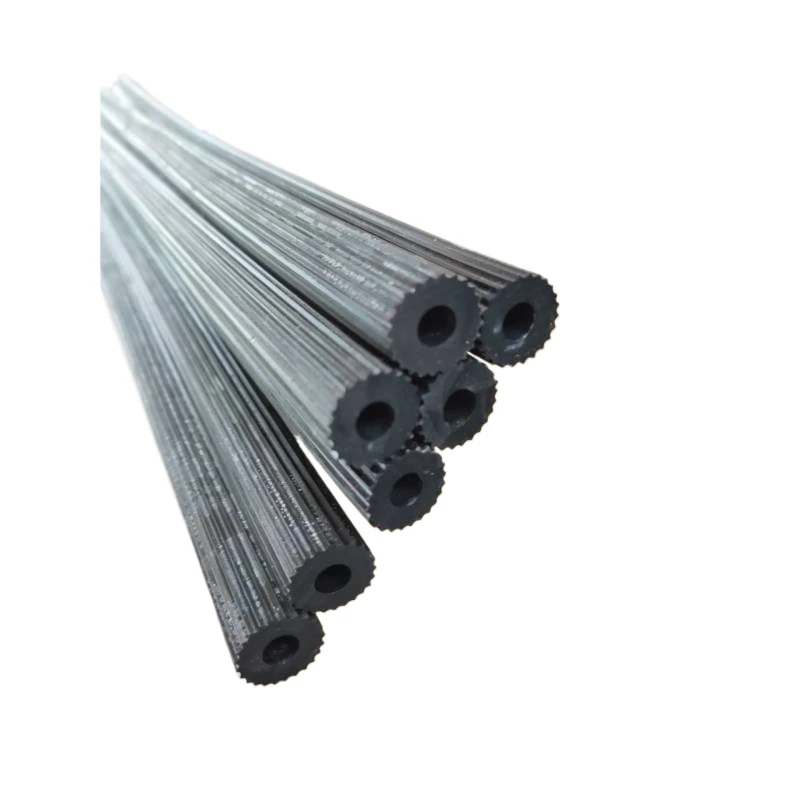
In plain terms, a 2 corrugated plastic pipe is a flexible, lightweight plastic pipe with an outer surface formed by a series of circumferential ridges (corrugations) spaced evenly against a smooth inner core. The “2” usually refers to the 2-inch diameter size, a common standard in many drainage and conduit applications.
This pipe is constructed primarily from high-density polyethylene (HDPE) or polypropylene, materials prized for their chemical resistance, impact toughness, and longevity. Simply put, these pipes handle water or other fluids efficiently, resisting damage from soil pressure and environmental factors, while being easier to install than traditional concrete or metal counterparts.
Their relevance is underscored in industries ranging from agriculture to disaster relief, where rapid deployment and reliability can mean the difference between success and setback.
Key Factors / Core Components of 2 Corrugated Plastic Pipe
1. Durability and Material Integrity
The HDPE or similar polymer used ensures resistance to UV degradation, many chemicals, and mechanical stresses. This durability translates into a lifespan often exceeding 50 years under typical conditions.
2. Flexibility & Lightweight Design
The corrugated exterior provides structural strength, while flexibility allows the pipe to contour uneven terrains. This is key for installations in rugged environments or places with shifting soils.
3. Cost Efficiency
Transport and labor costs decline sharply compared to heavier metal or concrete pipes. The tradeoff between upfront material cost and long-term durability generally favors plastic in multiple scenarios.
4. Ease of Installation & Scalability
Many 2 corrugated plastic pipes come with snap-fit joints or simple coupling systems, accelerating deployment times — a critical feature in emergency applications and large infrastructure projects.
5. Environmental Resistance
Resistance to corrosion, freeze-thaw cycles, and soil acidity means they last longer without complicated maintenance.
| Parameter | Value/Range |
|---|---|
| Diameter | 2 inches (50mm) |
| Material | HDPE or Polypropylene |
| Length per section | Typically 10–20 feet (3–6 meters) |
| Working pressure | Up to 200 psi (variable by design) |
| Temperature Range | -40°C to 60°C |
Mini takeaway: Material chemistry and convultions make these pipes a clever blend of strength, flexibility, and ease-of-use.
Global Applications & Use Cases
The versatility of 2 corrugated plastic pipes emerges in an array of contexts:
- Urban Drainage Systems: Cities use these pipes to direct stormwater, preventing flooding during heavy rains. For example, New York City’s Department of Environmental Protection increasingly incorporates HDPE corrugated pipes into combined sewer outflow projects.
- Agricultural Irrigation: In arid regions like parts of Australia and Sub-Saharan Africa, these pipes optimize water distribution networks critical for crop yield improvements.
- Disaster Relief & Humanitarian Projects: Post-earthquake or flood zones in Southeast Asia rely on fast, durable solutions—these pipes have been integral to temporary and permanent water remediation efforts.
- Industrial Conduits: Remote sites—such as mining operations in South America—depend on flexible piping to handle variable terrains and resist chemical corrosion.
Mini takeaway: From city sidewalks to remote farms, the humble 2 corrugated plastic pipe adapts broadly to meet pressure points in infrastructure globally.
Advantages & Long-Term Value
It’s tempting to view these pipes with pure admiration for their technical features, but the true impact is deeper:
- Cost Savings: Less time on-site, reduced material replacement, and fewer installation personnel translate into tangible budget relief.
- Environmental Impact: Lightweight plastic reduces fuel consumption in transport; long lifespan means less waste. There are ongoing efforts to improve recyclability further.
- Social Values: Reliable drainage improves health outcomes by reducing stagnant water-borne diseases; it also preserves dignity by ensuring sanitation systems remain functional in vulnerable populations.
- Innovation & Trust: Proven track records and evolving design give engineers confidence in performance—even in uncertain conditions.
Future Trends & Innovations
Looking ahead, the 2 corrugated plastic pipe isn’t just resting on its laurels. Manufacturers are experimenting with bio-based polymers aiming to reduce carbon footprints without compromising strength. Another exciting trend is embedding sensors inside pipes for “smart” water system management, linking to IoT platforms for real-time monitoring — a game-changer for cities that want proactive maintenance.
Finally, regulatory bodies like ISO are tightening standards on leak prevention and structural integrity, which only pushes product quality upward.
Challenges & Solutions
Of course, nothing is perfect. The limitations include UV sensitivity for some materials without additives, potential damage from heavy mechanical loads, and sometimes difficulties in joining pipes with inconsistent coupling fittings. Water infiltration through improperly sealed joints can also be an issue.
Innovative manufacturers address these by:
- Developing reinforced outer layers for UV resistance.
- Offering gusseted wall designs for higher crush resistance.
- Enhancing joint systems with gasket seals that are easier to install and more forgiving under soil movement.
Vendor Comparison — Top 3 Providers of 2 Corrugated Plastic Pipe
| Vendor | Material Quality | Joint Systems | Price Range | Global Availability |
|---|---|---|---|---|
| PolyPipe Global | HDPE – UV Stabilized | Snap-Fit with Gasket | $$$ | North America, Europe, Asia |
| EcoDrain Solutions | Bio-HDPE Blend | Compression Coupler | $$ | Europe, Africa |
| RapidFlow Industries | Polypropylene High Strength | Integrated Clamp System | $$$ | Asia, Australia |
FAQ: Frequently Asked Questions About 2 Corrugated Plastic Pipe
- What is the typical lifespan of a 2 corrugated plastic pipe in underground applications?
- Generally, these pipes last 50+ years underground, given proper installation and soil conditions. UV exposure before burial can cause degradation, but with adequate protection, they remain durable for decades.
- Can 2 corrugated plastic pipes handle high-pressure water flow?
- Though primarily designed for drainage and low-pressure conveyance, some high-density designs can withstand pressures up to 200 psi. For high-pressure water transmission, non-corrugated HDPE pipes might be more appropriate.
- Are these pipes recyclable?
- Yes. HDPE and polypropylene pipes are recyclable materials. Many manufacturers encourage recycling post end-of-life, though local facilities and regulations vary regarding plastic pipe recycling.
- How easy is it to join 2 corrugated plastic pipes onsite?
- Most vendors offer user-friendly joint systems, such as snap-fit gaskets or compression couplers, allowing quick assembly without specialized tools, making them ideal for remote or emergency installations.
- What environmental conditions might shorten the life of these pipes?
- Prolonged UV exposure, chemical spills beyond typical municipal sewage, and extreme mechanical load can reduce lifespan. Using additives and protective coverings helps mitigate these risks.
Conclusion + Call to Action
To sum up, understanding the 2 corrugated plastic pipe isn’t just about the pipe itself, but recognizing its role in sustainable, adaptable, and cost-effective infrastructure worldwide. Its flexibility, longevity, and ease of use make it indispensable — whether you’re a civil engineer planning urban drainage or an NGO restoring water access after a disaster. For those interested in exploring options and technical specifications, I invite you to visit https://www.fygasketfactory.com for detailed resources and supplier contacts.
There’s a quiet revolution in how we transport and manage water, and 2 corrugated plastic pipes are right at the heart of it.
Reflection: Even as technologies advance, the balance between material science, cost, and real-world usability continues to define infrastructure success — and the humble corrugated pipe remains a surprisingly elegant answer.
References:
1. World Bank Infrastructure Data Reports (2021)
2. ISO/TC 138 — Plastic Pipes and Fittings for Water Supply
3. Wikipedia: High-Density Polyethylene (HDPE)
-
Guide to Choosing a High Quality Stainless Steel Pipe CapNewsApr.16,2026
-
Premium Durable Aluminum Post Caps 4x4 for Outdoor StructuresNewsApr.09,2026
-
Comprehensive Guide to Choosing the Right Sheet Metal Chimney Cap for Your HomeNewsApr.07,2026
-
Comprehensive Guide to Metal Pipe Caps Types Materials and ApplicationsNewsApr.04,2026
-
Comprehensive Guide to Metal Tube Caps for Industrial ApplicationsNewsMar.31,2026
-
Comprehensive Guide to Durable Galvanised Steel Capping SolutionsNewsMar.28,2026
-
Comprehensive Guide to Selecting the Right End Caps for Metal Tubing ApplicationsNewsMar.26,2026


- Mob: +86 0312-2911666/+86 0312-2911318
- Fax: 0312-2911511
- Email: rubber@hbfengye.com/
- Add: No. 228 North Street, Gaobeidian City, Hebei Province


