


What Is an 18 Corrugated Plastic Pipe? Global Uses & Benefits Explained
Understanding the 18 Corrugated Plastic Pipe: A Modern Essential
When we talk about infrastructure, especially water management and drainage, the 18 corrugated plastic pipe often flies under the radar, despite being a backbone of countless civil engineering projects worldwide. Why does it matter? In real terms, this type of piping ensures efficient water flow, prevents erosion, and supports sustainable drainage systems. Understanding it opens up conversations around durability, cost-efficiency, and long-term environmental impact — all crucial in a rapidly urbanizing world.
Global Context: Why the 18 Corrugated Plastic Pipe Matters
Frankly, the global demand for effective drainage solutions has skyrocketed. The United Nations estimates that over 55% of the world's population lives in urban areas, expected to reach 68% by 2050. This means cities face mounting pressure to manage stormwater, sewage, and runoff efficiently to avoid flooding and pollution. Pipes like the 18 corrugated plastic pipe play an integral role here. They combine flexibility and strength, making them ideal for varied terrains and climates.
Oddly enough, despite their humble appearance, these pipes are engineered to solve complex issues like soil erosion on highway embankments and water logging in flood-prone regions. They are also a favorite in humanitarian relief where rapid deployment and durability are key.
What Is an 18 Corrugated Plastic Pipe?
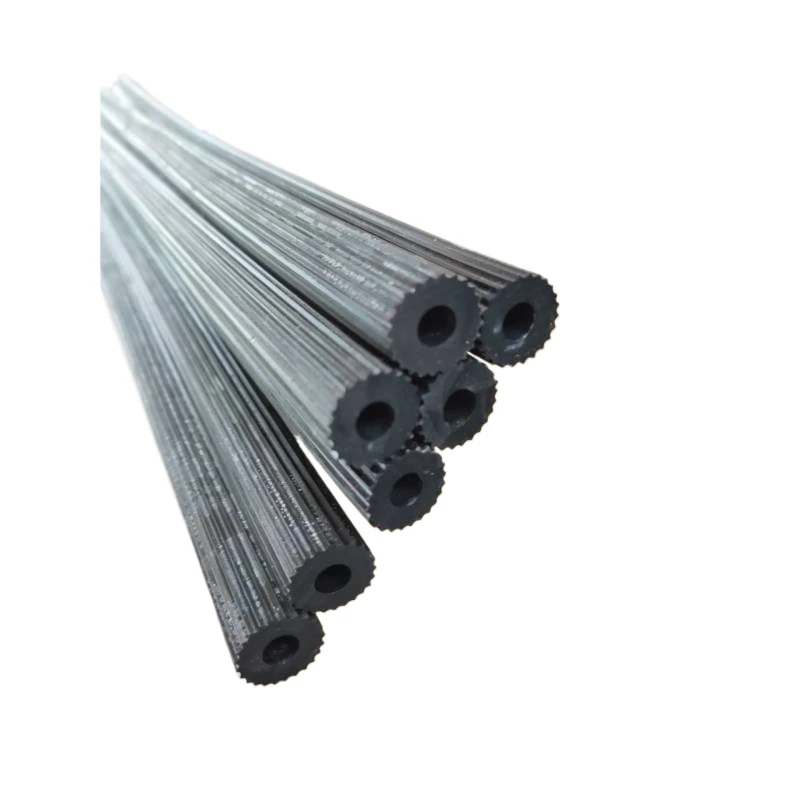
At its core, the term ‘18 corrugated plastic pipe’ refers to a corrugated pipe measuring 18 inches in diameter, typically made from high-density polyethylene (HDPE) or similar plastic compounds. Corrugation means it has alternating ridges and grooves, giving it flexibility and structural integrity. This type of pipe is widely used for drainage, storm sewers, and culverts.
Its adoption reflects advancements in plastic manufacturing and civil engineering, especially in replacing traditional materials like concrete or metal due to weight, corrosion, and installation challenges.
Key Features of 18 Corrugated Plastic Pipe
1. Durability
Made from HDPE, the pipe resists corrosion, acids, and abrasion, ensuring decades-long service life even in harsh soil conditions.
2. Flexibility & Scalability
The corrugations provide excellent flexibility, allowing the pipe to conform to uneven surfaces without cracking. Plus, it’s scalable—suitable for small drainage systems or large-scale infrastructure.
3. Lightweight & Easy Installation
Compared to concrete pipes, these weigh a fraction, reducing labor and heavy equipment needs—this translates to faster project turnaround.
4. Cost Efficiency
Lower material costs combined with reduced installation expenses make it an economical choice for municipalities and private developers alike.
5. Environmental Friendliness
Many manufacturers now offer recycled content within the pipes, aligning with green construction standards and reducing plastic waste.
Product Specifications at a Glance
| Specification | Details |
|---|---|
| Diameter | 18 inches (approx. 450 mm) |
| Material | High-Density Polyethylene (HDPE) |
| Corrugation Type | Dual-wall with smooth interior |
| Length per segment | Typically 20 ft / 6 m |
| Load Rating | Up to H-25 highway load |
Global Applications & Use Cases
Internationally, you’ll find the 18 corrugated plastic pipe serving a range of environments. In North America and Europe, it’s standard for stormwater management in urban construction projects. In Asia and Africa, NGOs rely on these pipes during post-disaster recovery efforts to rebuild water flow and sanitation systems rapidly.
- Highway and Road Drainage: Handles runoff, minimizing road damage and improving safety.
- Agricultural Irrigation: Guides water flow effectively in rural fields, improving crop yields.
- Flood Control Projects: Used extensively in flood plains and levee systems.
- Industrial Zones: Supports drainage in complex manufacturing plants where chemical-resistant piping is key.
In short, its adaptability makes it an almost invisible hero across continents. For example, after Hurricane Maria in Puerto Rico, relief agencies depended on corrugated pipes, including the 18-inch variety, to reestablish drainage quickly.
Comparing Top Vendors for 18 Corrugated Plastic Pipe
| Vendor | Material Grade | Load Rating | Eco-Friendly Options | Price Range (per ft) |
|---|---|---|---|---|
| PolyFlow Inc. | HDPE PE4710 | H-25 | Yes (30% recycled content) | $3.50 - $4.20 |
| EcoPipe Solutions | Virgin HDPE | H-20 | No | $3.20 - $4.00 |
| GreenWave Pipes | HDPE Recycled Blend | H-25 | Yes (50%+ recycled) | $3.80 - $4.50 |
Advantages & Long-Term Value of 18 Corrugated Plastic Pipe
The tangible advantages are many: lower maintenance costs, shorter installation times, and exceptional resistance to environmental wear and tear. But beyond that, it’s about safety and dignity — preventing flooding protects lives and homes, sustaining communities.
There’s also a strong sustainability story. Compared to concrete pipes, these reduce carbon footprint significantly, and recyclability options give them a circular economy edge. In cities wrestling with climate change impacts, it feels like this is exactly the innovation needed.
Future Trends & Innovations
Looking ahead, expect to see smart sensor integration within corrugated pipes to monitor flow, blockages, and pipe integrity remotely. Additives enhancing UV resistance and bio-based plastics might soon replace current materials, making pipes greener and smarter.
Automation in installation—robotic trench digging and pipe fitting—is also on the horizon, promising even faster deployment for emergency responses.
Challenges & Practical Solutions
Current limitations include difficulty recycling mixed plastics if blends are used, occasional joint sealing issues, and vulnerability to extreme mechanical punctures if not properly buried.
Experts recommend proper site analysis before installation and adopting standardized jointing methods to mitigate leaks. In some flood-prone areas, combining corrugated plastic pipes with retention basins provides a robust multi-layer drainage defense.
FAQ: Frequently Asked Questions About 18 Corrugated Plastic Pipe
- Q: How long can an 18 corrugated plastic pipe last underground?
A: With proper installation and soil conditions, HDPE corrugated pipes can last 50 to 100 years, thanks to their resistance to corrosion and chemical degradation. - Q: Can these pipes be used in cold climates?
A: Absolutely. HDPE pipes remain flexible and resistant to cracking at low temperatures, making them suitable for freeze-thaw cycles common in northern regions. - Q: Are corrugated plastic pipes environmentally safe?
A: Generally, yes. Many manufacturers now use recycled materials, and HDPE is inert and doesn’t leach harmful chemicals. Proper disposal or recycling at end-of-life is encouraged. - Q: How do I ensure leak-proof joints during installation?
A: Using manufacturer-recommended sealing gaskets and following installation best practices ensures water-tight connections and longevity. - Q: Where can I buy quality 18 corrugated plastic pipes?
A: It's best to source from reputable vendors who provide certifications and technical support — see our vendor comparison above for guidance.
Conclusion: The Long-Term Benefits of the 18 Corrugated Plastic Pipe
The 18 corrugated plastic pipe stands out as a durable, flexible, and cost-effective solution, serving diverse global needs from urban drainage to life-saving humanitarian infrastructure. As you consider future projects or policies, this piping technology’s blend of practicality and sustainability should definitely be on the radar.
For more detailed product selections and expert guidance, visit our website: https://www.fygasketfactory.com
Mini takeaway: The 18 corrugated plastic pipe isn’t just a drainage solution — it’s a quietly powerful tool shaping sustainable infrastructure worldwide.
References:
-
Guide to Choosing a High Quality Stainless Steel Pipe CapNewsApr.16,2026
-
Premium Durable Aluminum Post Caps 4x4 for Outdoor StructuresNewsApr.09,2026
-
Comprehensive Guide to Choosing the Right Sheet Metal Chimney Cap for Your HomeNewsApr.07,2026
-
Comprehensive Guide to Metal Pipe Caps Types Materials and ApplicationsNewsApr.04,2026
-
Comprehensive Guide to Metal Tube Caps for Industrial ApplicationsNewsMar.31,2026
-
Comprehensive Guide to Durable Galvanised Steel Capping SolutionsNewsMar.28,2026
-
Comprehensive Guide to Selecting the Right End Caps for Metal Tubing ApplicationsNewsMar.26,2026


- Mob: +86 0312-2911666/+86 0312-2911318
- Fax: 0312-2911511
- Email: rubber@hbfengye.com/
- Add: No. 228 North Street, Gaobeidian City, Hebei Province


