


Comprehensive Guide to 3 4 Corrugated Plastic Hose: Applications & Advantages
3 4 Corrugated Plastic Hose: What It Is and Why It Matters Globally
When we talk about the 3 4 corrugated plastic hose, we’re really diving into a versatile product that straddles industrial application, infrastructure solutions, and even humanitarian aid. It might sound niche at first, but this type of hose plays crucial roles worldwide—from plumbing and drainage systems to emergency water management. Knowing how it works and where it’s used offers deep insight into durability, cost efficiency, and global development challenges.
Why could that matter? Because water management and flexible conduits underpin so many industries, cities, and relief efforts—especially as we wrestle with unpredictable weather, aging infrastructure, and rapid urbanization. This hose style helps answer some of those challenges while keeping costs and environmental impact in check.
Taking Stock: Why 3 4 Corrugated Plastic Hose is an International Resource
To put things into perspective, the World Bank estimates that over 2 billion people lack safely managed drinking water services globally. Infrastructure projects aimed at improving sanitation and irrigation need robust, adaptable materials like corrugated hoses.
Equally, industries from agriculture to manufacturing demand resilient piping that is lightweight yet strong enough to handle pressure and environmental exposure.
Oddly enough, the 3 4 inch size—the diameter—seems just right to balance flexibility with sufficient flow rates for common medium-duty jobs. According to ISO standards for plastic piping, corrugation adds crucial flexibility without sacrificing strength. So it is not just a hose; it’s a tailored solution addressing wide-ranging logistical problems.
What Is a 3 4 Corrugated Plastic Hose?
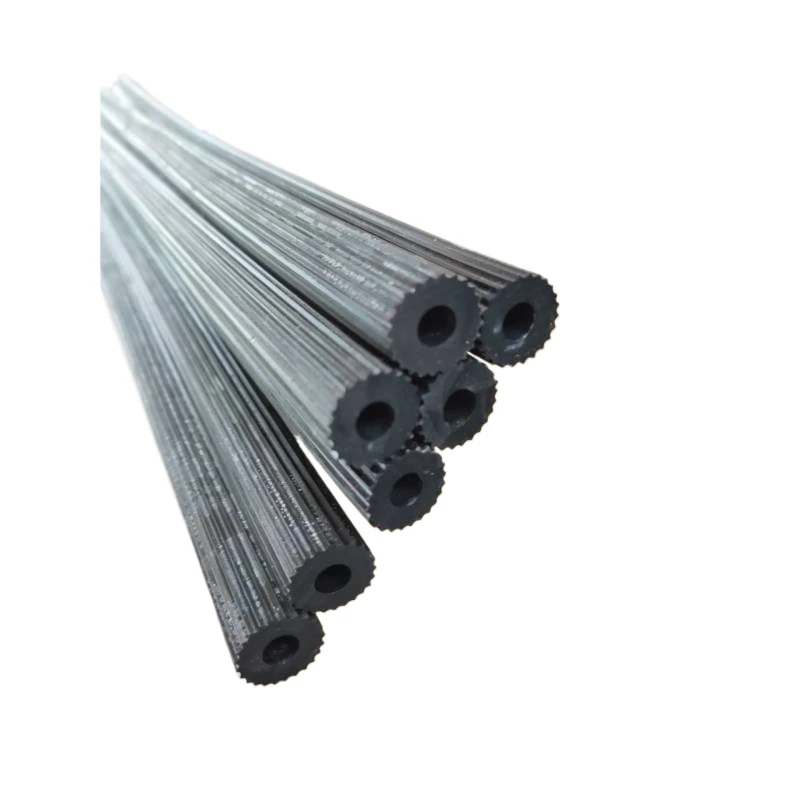
Put simply, it’s a flexible pipe made from durable plastics like polyethylene or polypropylene, designed with ridges or “corrugations” along its length. Those corrugations make the hose bendy, which is vital for navigating uneven terrain or routing in constrained spaces. It also helps resist crushing forces and maintains flow integrity better than smooth hoses in many scenarios.
Beyond plumbing, these hoses are essential in modern industry—whether as drainage pipes, cable protection conduits, or even in waste water applications. Their lightweight nature means easier installation and less cost in transport. More deeply, humanitarian organizations rely on them during disaster relief to establish quick, reliable water conveyance systems when regular infrastructure is compromised.
Key Factors That Make the 3 4 Corrugated Plastic Hose Stand Out
Durability
Thanks to plastic compounds selected for chemical resistance, UV stability, and impact tolerance, this hose withstands harsh environments—think sun exposure, soil acidity, and mechanical stresses common in construction sites.
Flexibility
The ridged (corrugated) design doesn’t just look unique; it makes the hose bend easily without kinking, which helps installers work around obstacles and reduces the need for fittings.
Cost Efficiency
Compared to metallic or rubber hoses, plastic corrugated hoses are often cheaper to produce and lighter, bringing down shipping and labor expenses considerably.
Scalability & Versatility
Whether in mass urban infrastructure or small-scale agriculture, these hoses come in lengths and diameters adapted to the required flow rates, making them versatile for diverse deployment scenarios.
Environmental Impact
Many modern corrugated hoses are recyclable or manufactured with recycled plastics, addressing growing sustainability concerns. They also tend to have longer lifespans than alternatives, reducing waste.
Mini Takeaway:
- The 3 4 corrugated plastic hose balances strength, flexibility, and cost.
- Its design targets both heavy-duty industrial use and humanitarian water needs.
- Environmental factors increasingly shape production and usage.
Specifications of Typical 3 4 Corrugated Plastic Hose
| Property | Specification |
|---|---|
| Nominal Diameter | 3/4 inch (about 19 mm) |
| Material | High-density polyethylene (HDPE), polypropylene (PP) |
| Temperature Range | -20°C to +60°C (varies by manufacturer) |
| Pressure Rating | Up to 6 bar |
| Color | Typically black, sometimes blue or gray |
| Length per Roll | 10 to 50 meters |
Global Applications & Use Cases
The 3 4 corrugated plastic hose finds itself employed in an impressive spectrum of contexts:
- Post-Disaster Relief: When floods or earthquakes devastate water infrastructure, NGOs use these hoses to quickly assemble temporary water supply lines for affected communities.
- Agriculture: From drip irrigation setups to drainage, its flexibility allows farmers across Africa and Asia to optimize water use while curbing erosion.
- Urban Infrastructure: Cities worldwide, including parts of Europe and North America, use them in sewer systems and underground cable protection due to their durability and ease of installation.
- Industrial Zones: Factories often rely on these hoses to transfer chemical fluids safely without risk of corrosion or leaks.
For instance, a recent deployment in Southeast Asia involved replacing old metal pipes with corrugated plastic ones, reducing downtime and improving water purity levels.
Advantages & Long-Term Value of 3 4 Corrugated Plastic Hose
Aside from the technical aspects, there’s a surprisingly emotional angle to these hoses. Think about communities gaining reliable water access – that’s safety, dignity, and hope embodied in piping. For industries, it’s peace of mind knowing the infrastructure won’t give out suddenly.
- Cost Savings: Lower material and installation costs.
- Sustainability: Lower carbon footprint with recyclable materials.
- Reliability: Resistant to corrosion and UV damage.
- Trust: Proven materials endorsed by standards such as ISO 4427.
Future Trends & Innovations
The field keeps evolving, frankly. Innovations include bio-based plastic compounds that reduce dependence on fossil fuels. Integration with smart sensors for leak detection and flow monitoring is also underway—part of the “digital water” revolution anticipated by the International Water Association. Automation in manufacturing means more consistent quality and customized hose lengths.
On the policy side, stricter environmental regulations push for greener materials, making future 3 4 corrugated plastic hoses more sustainable and community-friendly.
Vendor Comparison: Popular Manufacturers of 3 4 Corrugated Plastic Hose
| Vendor | Materials Used | Price per Meter | Lead Time | Unique Feature |
|---|---|---|---|---|
| PolyFlex Corp. | HDPE, recycled materials | $2.50 | 2 weeks | UV stabilized surface |
| GreenLine Industries | Bioplastics, PP | $3.10 | 3 weeks | Fully recyclable after use |
| FlowTech Solutions | HDPE, PP blend | $2.75 | 1 week | Short lead times, customizable lengths |
Challenges & Expert Solutions
Despite their many advantages, corrugated plastic hoses are not without issues. For example, their temperature limits mean they’re not ideal for very hot fluids. Also, improper installation can lead to premature wear or leaks.
Experts recommend:
- Strict adherence to manufacturer guidelines on pressure and temperature ratings.
- Using protective sleeves or burial methods in harsh abrasion environments.
- Regular inspection schedules, especially in critical infrastructure.
New coatings and composites are being tested to widen the usable temperature range and extend lifespans, which frankly makes the future quite promising.
FAQ: Frequently Asked Questions About 3 4 Corrugated Plastic Hose
- Q: What makes a 3 4 corrugated plastic hose better than a smooth hose for drainage?
- A: The corrugation allows greater flexibility and helps the hose resist crushing under soil pressure, unlike smooth hoses that can kink or collapse more easily.
- Q: How long can these hoses last when buried underground?
- A: Typically, they last 20-30 years under normal conditions, but lifespan depends on soil chemistry, load, and UV exposure if above ground.
- Q: Are 3 4 corrugated plastic hoses suitable for potable water?
- A: Some are certified for potable water use, but you must check the product’s food-grade certification to be sure.
- Q: Can NGOs import these hoses easily for international projects?
- A: Yes, many suppliers support bulk international shipping and can customize lengths or packaging to ease importation challenges.
Conclusion: The Last Word on 3 4 Corrugated Plastic Hose
The 3 4 corrugated plastic hose is more than just a flexible pipe; it’s a quietly powerful component in global infrastructure, disaster relief, and industrial operations. It combines practical engineering with economic and environmental benefits, and its ongoing innovation promises even greater value. If you want to explore reliable, cost-effective piping solutions with a worldwide footprint, check out more details at 3 4 corrugated plastic hose. It might just be what your project needs.
Feel free to reach out with questions or share your own experiences—this field is evolving, and there’s always something new to learn.
Mini Takeaway:
In real terms, the 3 4 corrugated plastic hose connects communities, powers industries, and supports resilience worldwide—one bend at a time.
References
-
Guide to Choosing a High Quality Stainless Steel Pipe CapNewsApr.16,2026
-
Premium Durable Aluminum Post Caps 4x4 for Outdoor StructuresNewsApr.09,2026
-
Comprehensive Guide to Choosing the Right Sheet Metal Chimney Cap for Your HomeNewsApr.07,2026
-
Comprehensive Guide to Metal Pipe Caps Types Materials and ApplicationsNewsApr.04,2026
-
Comprehensive Guide to Metal Tube Caps for Industrial ApplicationsNewsMar.31,2026
-
Comprehensive Guide to Durable Galvanised Steel Capping SolutionsNewsMar.28,2026
-
Comprehensive Guide to Selecting the Right End Caps for Metal Tubing ApplicationsNewsMar.26,2026


- Mob: +86 0312-2911666/+86 0312-2911318
- Fax: 0312-2911511
- Email: rubber@hbfengye.com/
- Add: No. 228 North Street, Gaobeidian City, Hebei Province


