



Comprehensive Guide to 24 Inch Corrugated Plastic Pipe for Global Infrastructure
Understanding the 24 Inch Corrugated Plastic Pipe: A Global Infrastructure Asset
When we hear “24 inch corrugated plastic pipe,” it might sound like some industrial jargon that’s irrelevant to most of us. But, odd as it seems, this pipe quietly supports our world’s infrastructure—from stormwater management in cities to drainage in remote farmland. Across continents, this kind of pipe addresses massive engineering problems in a cost-effective, durable way.
The global demand for reliable drainage solutions continues to rise. According to the World Bank, urban populations are expected to reach nearly 70% by 2050, intensifying pressure on drainage and water management systems. In this context, knowing the ins and outs of 24 inch corrugated plastic pipe—its uses, benefits, and challenges—matters more than ever.
The Global Situation: Why This Matters
Infrastructure development plays a crucial role in combating flooding, improving sanitation, and enabling agriculture. Lightweight, flexible, and resistant to corrosion, these pipes meet the stringent demands imposed by modern construction and environmental concerns. Estimates from the International Standards Organization (ISO 21138) suggest a considerable uptick in usage of large-diameter corrugated pipes in public works projects worldwide.
Yet challenges persist: urban flooding, aging drainage systems, and sustainability concerns. The 24 inch corrugated plastic pipe frequently emerges as part of the solution, balancing engineering robustness with relatively low cost and easy installation.
Defining 24 Inch Corrugated Plastic Pipe
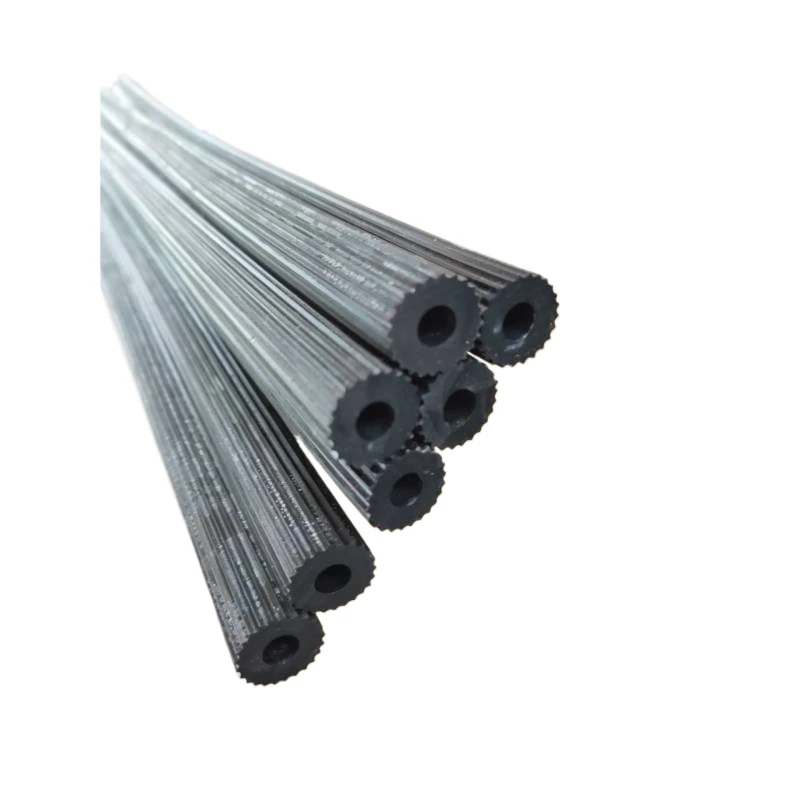
Simply put, a 24 inch corrugated plastic pipe is a large-diameter, corrugated tubing typically made from high-density polyethylene (HDPE). The “corrugations” — those classic rippled lines — give the pipe added flexibility and structural strength without excessive weight. Unlike rigid concrete pipes or metal alternatives, these pipes can bend slightly without cracking and resist corrosion from chemicals and moisture over many years.
These pipes are a staple in drainage systems, culverts, stormwater management, and sometimes in agricultural irrigation networks. Their role in modern infrastructure is to channel water efficiently while being easy to transport and install. They also respond well to fluctuating soil and pressure conditions, making them ideal in challenging environments.
Key Attributes of 24 Inch Corrugated Plastic Pipe
Durability
HDPE material is impervious to corrosion and chemical degradation, giving these pipes a lifespan often exceeding 50 years in typical use. That helps justify the upfront costs with lower maintenance down the line.
Flexibility & Scalability
Thanks to the corrugated design, the pipe can flex under minor shifts in the soil, making it less prone to cracking. Plus, this flexibility lets engineers scale solutions up or down—combining lengths and fittings to accommodate project needs.
Cost Efficiency
Compared to concrete or metal pipes, plastic pipes often cost less to manufacture and install, partly because they’re lighter and easier to handle on-site.
Environmental Resistance
The pipe’s resistance to both corrosion and biological growth means it performs reliably in wet, variable conditions, an especially critical factor in sewer and drainage systems.
Ease of Installation
Lightweight and available in long lengths, these pipes reduce installation time and labor costs. That’s significant in fast-paced construction settings.
24 Inch Corrugated Plastic Pipe Specification Table
| Parameter | Specification |
|---|---|
| Diameter | 24 inches (approx. 610 mm) |
| Material | High-Density Polyethylene (HDPE) |
| Pipe Length (standard) | 20 feet (6 meters) |
| Weight per foot | ~4.5 lbs (2 kg) |
| Operating Temperature | -40°C to 60°C (-40°F to 140°F) |
| Standard Compliance | ASTM F667, ISO 21138 |
Applications Around the World
From urban centers to rural agricultural lands, these pipes serve as the unsung heroes of effective water management systems. For example:
- In North America and Europe, they’re extensively used in stormwater runoff channels and culvert construction, mitigating flood risks.
- In monsoon-prone South Asia, NGOs rely on these pipes for rapid installation of drainage systems to protect vulnerable communities.
- Mining and heavy industries in Australia often use them where chemical resistance and durability are mandatory.
In post-disaster relief, efficiently deployed pipes can quickly restore critical drainage functions, highlighting their life-saving potential.
Vendor Comparison: Top 3 Suppliers of 24 Inch Corrugated Plastic Pipe
| Vendor | Material Quality | Customization Options | Price Range (USD/ft) | Delivery Time |
|---|---|---|---|---|
| PipePro Inc. | HDPE Grade A | Diameter & Length Custom | $12 - $15 | 2 weeks |
| BlueStream Plastics | Premium HDPE with UV Stabilizer | Limited Sizes | $14 - $17 | 1 week |
| EcoLine Pipes | Recycled HDPE Blend | Standard Sizes Only | $10 - $13 | 3 weeks |
Advantages and Enduring Value of 24 Inch Corrugated Plastic Pipe
This pipe type represents a fusion of engineering performance with practical benefit. Cost-wise, it generally beats heavier materials, lowering installation disruptions and allowing projects to finish faster. Its environmental profile is improving too, with suppliers introducing recycled polymers and enabling easier recycling compared to older materials.
Socially, using reliable drainage systems built with these pipes reduces flood damage, protects health, and preserves living standards. Engineers often praise the pipes’ easy handling as saving labor and overall headaches, qualities that bring long-term trust.
Emerging Innovations and Future Trends
Looking ahead, smart materials and enhanced pipe designs are entering the market. Some companies are integrating sensors into pipes for real-time water flow monitoring—helpful for urban planners and disaster response teams. There’s also a push toward bioplastics and carbon-neutral manufacturing to align with global sustainability goals.
The digital transformation influencing most industries is also shaping infrastructure solutions. Automated installation machinery and improved GIS mapping software make deployment of pipes like the 24 inch corrugated plastic pipe more precise and efficient.
Challenges and Proposals for Improvement
Despite their many benefits, corrugated plastic pipes face issues like vulnerability to extreme UV degradation if not properly treated, limited structural rigidity in some high-stress zones, and recycling challenges due to mixed materials. Some engineers recommend hybrid systems combining metal reinforcements or novel composite materials to address these problems.
Alternative joint designs and coatings continue to be developed to improve lifespan and environmental compatibility. Collaboration between manufacturers, regulatory bodies, and environmental organizations is key in accelerating these innovations.
FAQ: Common Questions About 24 Inch Corrugated Plastic Pipe
- What is the typical lifespan of a 24 inch corrugated plastic pipe in drainage systems?
- Generally, these pipes last 50 years or more when properly installed and maintained, mainly due to their corrosion resistance and structural flexibility.
- Can corrugated plastic pipes handle heavy traffic load?
- Yes, provided they meet appropriate load class standards (like ASTM F667). Installation depth and bedding materials also affect load-bearing capability.
- Are these pipes environmentally friendly?
- They are more eco-friendly than many traditional materials due to recyclability and lighter carbon footprints in transportation but still depend on petroleum-based polymers.
- How easily can these pipes be customized for different projects?
- Very easily—vendors usually offer variable lengths, diameters, and connection types to suit diverse project needs.
- Where can I source quality 24 inch corrugated plastic pipe?
- Leading manufacturers with proven standards and customizable products, such as those listed above, are recommended. Always verify compliance with relevant standards.
Conclusion: Why the 24 Inch Corrugated Plastic Pipe is Here to Stay
The 24 inch corrugated plastic pipe embodies the balance between engineering reliability and practical need. Its wide-ranging applications across industries and regions, combined with ongoing innovations, ensure that it remains central to modern infrastructure development.
For businesses, engineers, and planners aiming to tackle drainage challenges efficiently and sustainably, understanding and incorporating this technology is a smart choice. Ready to explore more about how these pipes can support your next project? Visit our website: 24 inch corrugated plastic pipe
Takeaway: These pipes may be out of sight, but their value flows directly into the heart of infrastructure resilience worldwide.
- World Bank, Urban Population Data (https://data.worldbank.org)
- ISO 21138 - Plastics piping systems and fittings (https://www.iso.org)
- ASTM F667 Standard Specification for HDPE Pipe (https://www.astm.org)
-
Guide to Choosing a High Quality Stainless Steel Pipe CapNewsApr.16,2026
-
Premium Durable Aluminum Post Caps 4x4 for Outdoor StructuresNewsApr.09,2026
-
Comprehensive Guide to Choosing the Right Sheet Metal Chimney Cap for Your HomeNewsApr.07,2026
-
Comprehensive Guide to Metal Pipe Caps Types Materials and ApplicationsNewsApr.04,2026
-
Comprehensive Guide to Metal Tube Caps for Industrial ApplicationsNewsMar.31,2026
-
Comprehensive Guide to Durable Galvanised Steel Capping SolutionsNewsMar.28,2026
-
Comprehensive Guide to Selecting the Right End Caps for Metal Tubing ApplicationsNewsMar.26,2026


- Mob: +86 0312-2911666/+86 0312-2911318
- Fax: 0312-2911511
- Email: rubber@hbfengye.com/
- Add: No. 228 North Street, Gaobeidian City, Hebei Province


