



Understanding Rubber Hose Pipe Connectors: Essential Components for Global Fluid Transfer
The Unsung Hero of Fluid Systems: What Is a Rubber Hose Pipe Connector and Why It Matters
At first glance, a rubber hose pipe connector might not sound thrilling—maybe just a little rubber and metal at play. But these connectors are quietly critical in countless industries and humanitarian efforts worldwide. They keep water flowing, fuels delivering, and chemicals safe as they move through pipes and hoses across every continent. Understanding their role isn’t just tech jargon — it leads to improved safety, efficiency, and sustainability globally. Plus, knowing the right connector for the job can save companies serious downtime and costs down the road.
So, why does this topic have global weight? Well, consider infrastructure in developing countries or rapid disaster relief setups—they often rely on reliable connectors to provide essentials like clean water. Or think about industrial plants where the wrong connector can cause leaks with environmental consequences. The more we grasp about these humble connectors, the better we engineer solutions that last, protect, and serve humanity.
Global Context: The Critical Role of Rubber Hose Pipe Connectors in Industry and Aid
According to the International Organization for Standardization (ISO), globally the fluid transfer sector is expanding steadily, propelled by growing infrastructure and industrial needs—especially in Asia and Africa. The UN notes that clean water access, often facilitated by piping systems, impacts over 2 billion people worldwide, making the robustness of components like rubber hose pipe connectors a life-or-death matter sometimes.
But here’s the problem: poorly designed or low-grade connectors are a common cause of leaks, contamination, and failure in distribution systems. This isn’t just a hassle—it poses health risks and economic setbacks. In oil and gas or chemical manufacturing, a failed connector can halt operations for days or weeks, costing millions. So the challenge is clear: how to design and deploy connectors that are reliable, safe, adaptable, and cost-effective?
What Exactly Is a Rubber Hose Pipe Connector?
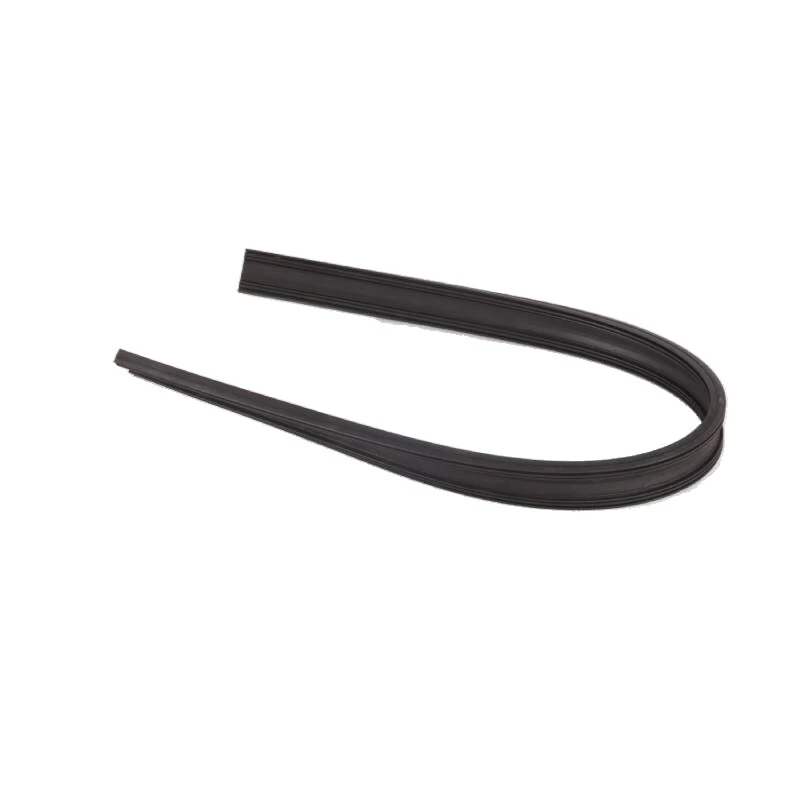
Put simply, a rubber hose pipe connector is a component that joins hoses or pipes securely, allowing fluid or gas to flow smoothly without leaks. It usually consists of a rubber sleeve or gasket, plus metal or plastic fittings that clamp everything tight. The flexibility of the rubber seals ensures a snug fit even when hoses flex or move, which is key in dynamic environments or rough terrains.
In the modern world, these connectors bridge the gap between rigid piping and flexible hoses, making them essential in sectors as varied as agriculture, manufacturing, emergency relief, and construction. Without them, you’d likely see a lot more spillages, downtime, and maintenance headaches.
Key Features of Rubber Hose Pipe Connectors and Why They Matter
Durability and Material Strength
Rubber hose connectors must withstand pressure, temperature changes, and chemical exposure. High-quality connectors often use synthetic rubber compounds enhanced for resistance to ozone, oils, and abrasion. This endurance means fewer replacements and safer operations. If durability were a person, they’d probably be a marathon runner who doesn’t quite know when to quit.
Seal Integrity and Leak Prevention
The primary goal is to prevent leaks, which can be hazardous or simply inefficient. The rubber gasket’s elasticity allows it to conform tightly to pipe surfaces, compensating for irregularities. Some advanced connectors also have metal clamps or locking mechanisms that reinforce the seal, making them trustworthy even in high-pressure systems.
Scalability and Compatibility
Whether you’re connecting a large industrial pipeline or a garden irrigation hose, connector sizes and types must accommodate diverse interfaces. Many manufacturers now offer modular systems adjustable by adapters, making them flexible for multiple uses. This adaptability reduces the need to stock various parts and streamlines field repairs—a small but appreciated detail by engineers everywhere.
Cost Efficiency Over Time
It might look like a simple part, but investing in top-tier rubber hose pipe connectors can save money in the long run. Less leakage means less waste, lower maintenance, and fewer operational stoppages. And when unexpected failures happen, downtime costs often dwarf what you saved by skimping on quality initially.
Environmental Resistance
From scorching deserts to humid tropics, harsh weather tests these connectors relentlessly. UV resistance, moisture protection, and corrosion-proof fittings ensure that they don’t degrade prematurely when exposed outdoors or to chemicals.
Typical Applications Across the Globe
It might surprise you how many scenarios these connectors show up in:
- Disaster Relief: Organizations like the Red Cross deploy portable water systems with rubber hose pipe connectors to quickly restore clean water supply after floods or earthquakes.
- Agriculture: In irrigation systems throughout parts of India and Africa, flexible connectors handle seasonal pipe laying and removal without damage.
- Manufacturing Plants: Chemical and sewage plants in Europe rely on these connectors for safe transfer lines, ensuring no leaks of hazardous substances.
- Oil & Gas Fields: In remote locations such as the North Sea, corrosion-resistant connectors withstand extreme weather to keep crucial fluid lines operational.
Mini takeaway: Rubber hose pipe connectors quietly tie together critical systems globally, solving both energy and humanitarian challenges.
Advantages and Why They’re Worth Investing In
Choosing the right connector feels like an easy decision, but its ripple effects are tremendous:
- Safety First: No leaks means fewer accidents or contaminations—this protects workers, communities, and the environment.
- Sustainability: Durable connectors reduce waste and the need for constant replacements.
- Cost Savings: Maintenance is fewer and further between, helping businesses hit budget goals reliably.
- Operational Trust: Companies can plan with confidence, knowing their fluid systems won’t randomly fail.
- Social Impact: In water-scarce regions, reliable connectors help maintain vital supply chains, preserving dignity and health.
Innovations and Trends Shaping the Future
The rubber hose pipe connector is evolving, too. New materials incorporating nanotechnology improve abrasion resistance. Some manufacturers are integrating smart sensors that detect pressure drops or leaks early—this is part of the bigger digital transformation sweeping industrial sectors.
Eco-conscious designs adding recyclable rubber compounds and biodegradable components are gaining traction, answering global sustainability goals. Also, automation in assembly lines means connectors can be custom-fitted with precision faster than ever—cutting costs and improving quality.
Common Challenges & How Experts Are Tackling Them
Not all connectors are created equal, and issues like premature wear, poor fitting, or contamination remain. A major concern is inconsistent quality from some suppliers, especially when products flood the market without proper ISO certification or testing.
Experts recommend rigorous material verification and real-world stress testing before deployment. Hybrid connectors combining rubber with reinforced polymer cages provide added strength in tough environments. Also, training technicians in assembly and maintenance reduces human error significantly.
FAQ: Quick Answers About Rubber Hose Pipe Connectors
- Q: How do I know which rubber hose pipe connector suits my system?
A: Consider the fluid type, pressure rating, ambient conditions, and connector size compatibility. Manufacturers usually provide detailed specs—checking those against your system needs is the best first step. - Q: Can rubber hose pipe connectors be reused after disassembly?
A: Depends on wear, but generally, if the gasket shows no cracks or deformation and metal parts are intact, reuse is possible. Always inspect carefully and replace worn components when uncertain. - Q: Are rubber hose pipe connectors safe for potable water lines?
A: Yes, provided the rubber is NSF/ANSI 61 certified (safe for drinking water). Always verify certifications to ensure no harmful leaching into water supply. - Q: How long do these connectors typically last in industrial settings?
A: With proper installation and maintenance, high-quality connectors can last anywhere from 5 to 15 years, depending on usage intensity and exposure to harsh chemicals or weather. - Q: Where can I purchase reliable rubber hose pipe connectors internationally?
A: Many global suppliers offer certified products online. It's wise to choose vendors with ISO 9001 certification and positive customer testimonials. For ease, visit rubber hose pipe connector vendors that specialize in industrial-grade materials.
Product Specification Table: Typical Rubber Hose Pipe Connector
| Feature | Specification |
|---|---|
| Material | EPDM Synthetic Rubber, Stainless Steel Clamp |
| Temperature Range | -40°C to 120°C (-40°F to 248°F) |
| Pressure Rating | Up to 20 bar (290 psi) |
| Sizes Available | 1/2” to 6” Diameter |
| Certifications | ISO 9001, NSF/ANSI 61 |
| Applications | Water, Chemicals, Fuel Transfer, Irrigation Systems |
Vendor Comparison: Top Rubber Hose Pipe Connector Suppliers
| Vendor | Certifications | Price Range | Customization | Geographic Reach |
|---|---|---|---|---|
| FYGasket | ISO 9001, NSF | $$$ | Yes (sizes, materials) | Global (incl. Asia, Africa) |
| RubberFlex Co. | ISO 14001 | $$ | Limited | North America, Europe |
| PipeConnect Ltd. | NSF/ANSI 61 | $ | No | Regional (Europe only) |
Wrapping Up: Why Rubber Hose Pipe Connectors Are a Small But Mighty Piece of the Puzzle
So next time you think about fluid transfer, infrastructure, or emergency water supply, remember the quiet reliability of the rubber hose pipe connector behind it all. The right connector isn’t just a part — it’s a promise of safety, sustainability, and efficiency that resonates far beyond a factory floor or a field site.
For anyone in industry or humanitarian sectors weighing equipment options, investing in high-quality connectors (like those featured at rubber hose pipe connector suppliers) means fewer headaches and a smoother journey ahead.
We tend to overlook these components because, frankly, when they work well, they disappear into the background. But without them? Things quickly unravel — literally and figuratively.
Mini takeaway: Think connectors don’t matter? Ask any engineer who lost a pump or delayed a relief mission over a failed seal.
References
-
Guide to Choosing a High Quality Stainless Steel Pipe CapNewsApr.16,2026
-
Premium Durable Aluminum Post Caps 4x4 for Outdoor StructuresNewsApr.09,2026
-
Comprehensive Guide to Choosing the Right Sheet Metal Chimney Cap for Your HomeNewsApr.07,2026
-
Comprehensive Guide to Metal Pipe Caps Types Materials and ApplicationsNewsApr.04,2026
-
Comprehensive Guide to Metal Tube Caps for Industrial ApplicationsNewsMar.31,2026
-
Comprehensive Guide to Durable Galvanised Steel Capping SolutionsNewsMar.28,2026
-
Comprehensive Guide to Selecting the Right End Caps for Metal Tubing ApplicationsNewsMar.26,2026


- Mob: +86 0312-2911666/+86 0312-2911318
- Fax: 0312-2911511
- Email: rubber@hbfengye.com/
- Add: No. 228 North Street, Gaobeidian City, Hebei Province


