



Small Rubber Sleeves – Durable, Non-Slip, Custom Sizes
Small Rubber Sleeves for Real-World Sealing: What’s Changing, What Matters
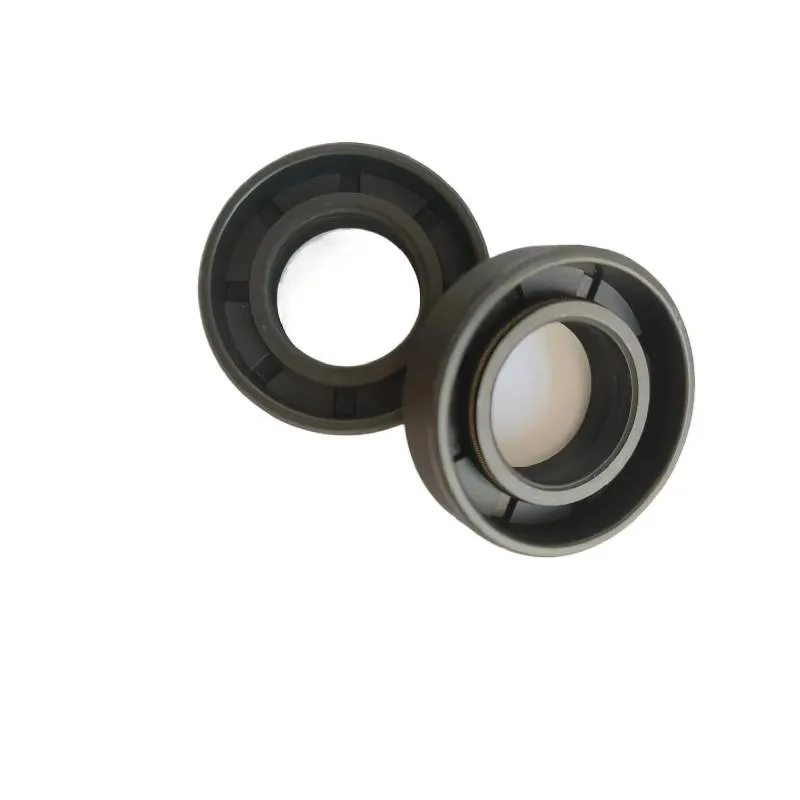
People who search for small rubber sleeves often mean compact shaft seals—sometimes called skeleton oil seals—used in gearboxes, pumps, and tight assemblies. To be honest, the name isn’t as important as the job: keep fluids in, keep contaminants out, and do it for years without fuss. Our team in Gaobeidian has been building oil seals that behave exactly like the robust small rubber sleeves you’re picturing, and the difference comes down to materials, geometry, and testing discipline.
Industry trends (and a few realities)
Three shifts stand out: higher temperatures (e-mobility drivetrains run hotter than you think), thinner oils (for efficiency), and tighter housings (thanks to lightweighting). In fact, modern small rubber sleeves now rely more on FKM/HNBR, laser-finished lips, and controlled spring loads. Many customers say noise and micro-leak reduction matter as much as longevity. I guess that’s progress.
Typical specs for compact sleeves (oil seal form factor)
| Base Materials | NBR, FKM (Viton), HNBR; metal skeleton (SPCC/SUS) |
| Hardness | ≈ Shore A 70–90 (real-world use may vary) |
| Temp Range | NBR: −30 to 100°C; FKM: −20 to 200°C |
| Shaft Speed | Up to ≈12 m/s, depending on lip design and lube |
| Sizes | ID 6–120 mm typical; tighter ranges on request |
| Compression Set (ASTM D395) | NBR ≈18–25%; FKM ≈12–18% |
| Standards | ISO 6194, DIN 3760, ASTM D2000 |
Where they’re used
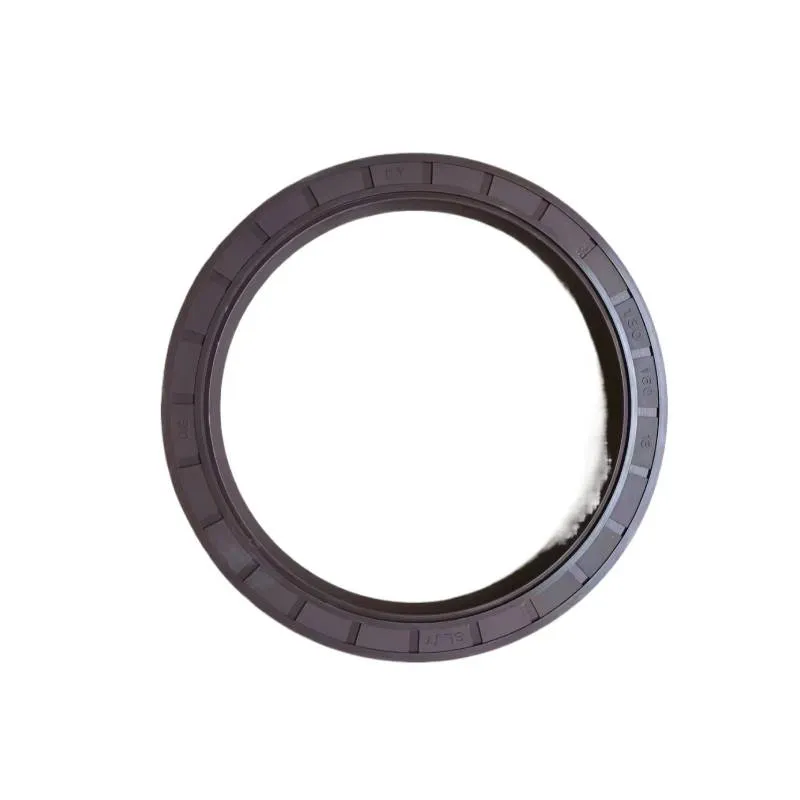
- Automotive: hubs, transfer cases, power steering. - Industrial pumps and small gearboxes. - HVAC compressors. - Agricultural implements. We’ve seen small rubber sleeves solve ingress issues in dusty sites—surprisingly, the right lip preload can outperform bulky labyrinths.
How we make them (short version)
Materials: NBR for budget fuels/oils; FKM for high-temp synthetics; HNBR for hot oil and ozone. Methods: precision molding with metal skeleton insert, post-cure for FKM, cryogenic deflash, and 100% visual inspection. Testing: compression set (ASTM D395), hardness (ASTM D2240), leak per ISO 6194 rig, salt spray on metal parts (ASTM B117). Service life: typically 5,000–20,000 h at moderate speed and clean oil; more with proper shaft finish (Ra 0.2–0.8 μm) and correct runout.
Customization options
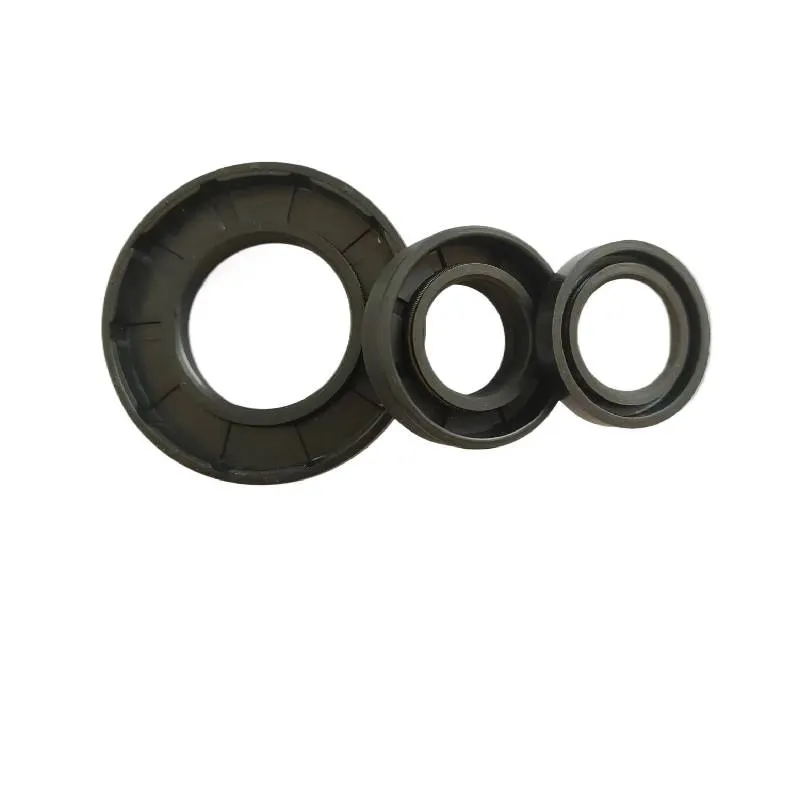
Lip geometry (single/double), dust lip, garter spring material (carbon, stainless), PTFE overlay for dry starts, colors for line ID, and laser coding. Actually, tiny tweaks—like spring preload—often decide whether a small rubber sleeve runs cool or cooks itself in six months.
Vendor snapshot (why buyers compare)
| Vendor | Certs | MOQ | Lead Time | Notes |
|---|---|---|---|---|
| FY Gasket (No. 228 North Street, Gaobeidian City) | ISO 9001; RoHS/REACH compliant | ≈1,000 pcs | 2–4 weeks | Strong FKM post-cure control; flexible tooling |
| Vendor B | ISO 9001, IATF 16949 | ≈3,000 pcs | 4–6 weeks | Automotive-focused; higher NRE |
| Vendor C | ISO 9001 | ≈500 pcs | 1–3 weeks | Fast prototypes; limited FKM options |
Field notes and case snippets
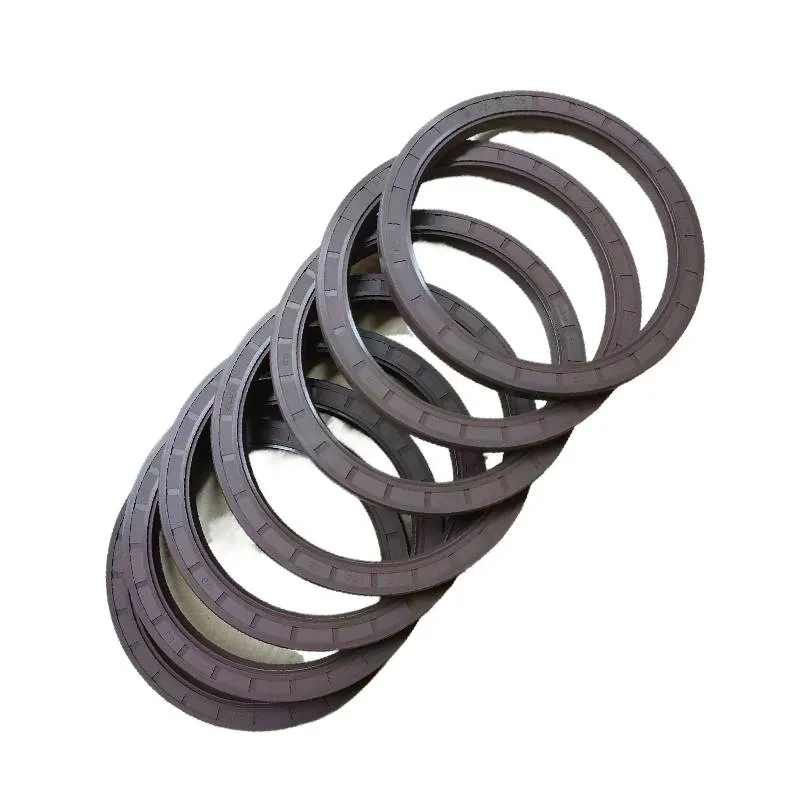
- Food plant gearbox: swapping to FKM dust-lip style increased MTBF by ≈38% (washdowns were eating the old sleeves). - Ag pump OEM: shaft finish correction plus spring change cut seepage by ≈72%. Feedback has been consistent: “quieter start-up, easier fit, fewer teardowns.” That’s the goal with small rubber sleeves.
What to check before you buy
- Medium (PAO, ester, glycol, fuel). - Temperature and duty cycle. - Shaft Ra and runout. - Housing tolerance and press-fit. - Any pressure spikes (add back-up lip if needed). Honestly, nailing these five saves weeks of guesswork.
Citations
- ISO 6194 (Rotary shaft lip-type seals), Parts 1–4.
- ASTM D2000 – Standard Classification System for Rubber Products.
- DIN 3760 – Rotary shaft lip seals; dimensions and requirements.
-
Guide to Choosing a High Quality Stainless Steel Pipe CapNewsApr.16,2026
-
Premium Durable Aluminum Post Caps 4x4 for Outdoor StructuresNewsApr.09,2026
-
Comprehensive Guide to Choosing the Right Sheet Metal Chimney Cap for Your HomeNewsApr.07,2026
-
Comprehensive Guide to Metal Pipe Caps Types Materials and ApplicationsNewsApr.04,2026
-
Comprehensive Guide to Metal Tube Caps for Industrial ApplicationsNewsMar.31,2026
-
Comprehensive Guide to Durable Galvanised Steel Capping SolutionsNewsMar.28,2026
-
Comprehensive Guide to Selecting the Right End Caps for Metal Tubing ApplicationsNewsMar.26,2026


- Mob: +86 0312-2911666/+86 0312-2911318
- Fax: 0312-2911511
- Email: rubber@hbfengye.com/
- Add: No. 228 North Street, Gaobeidian City, Hebei Province


