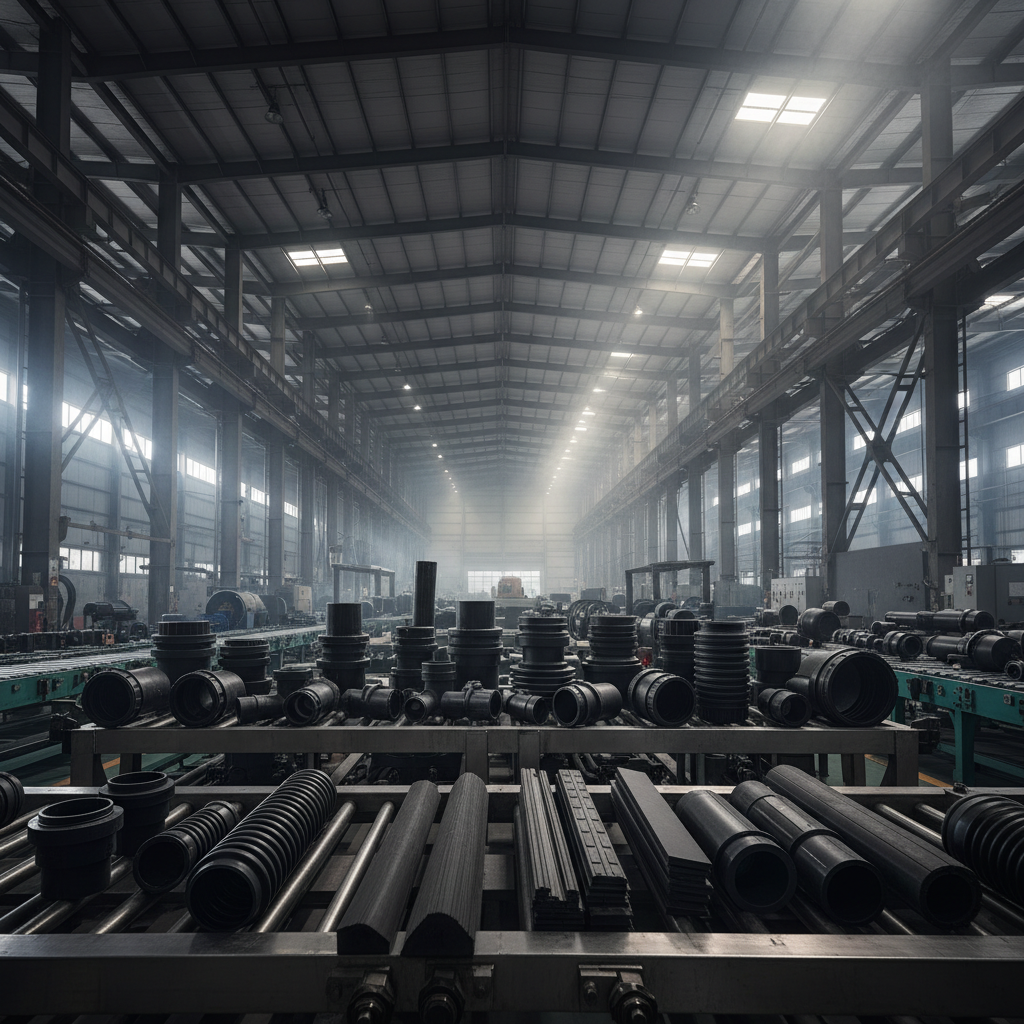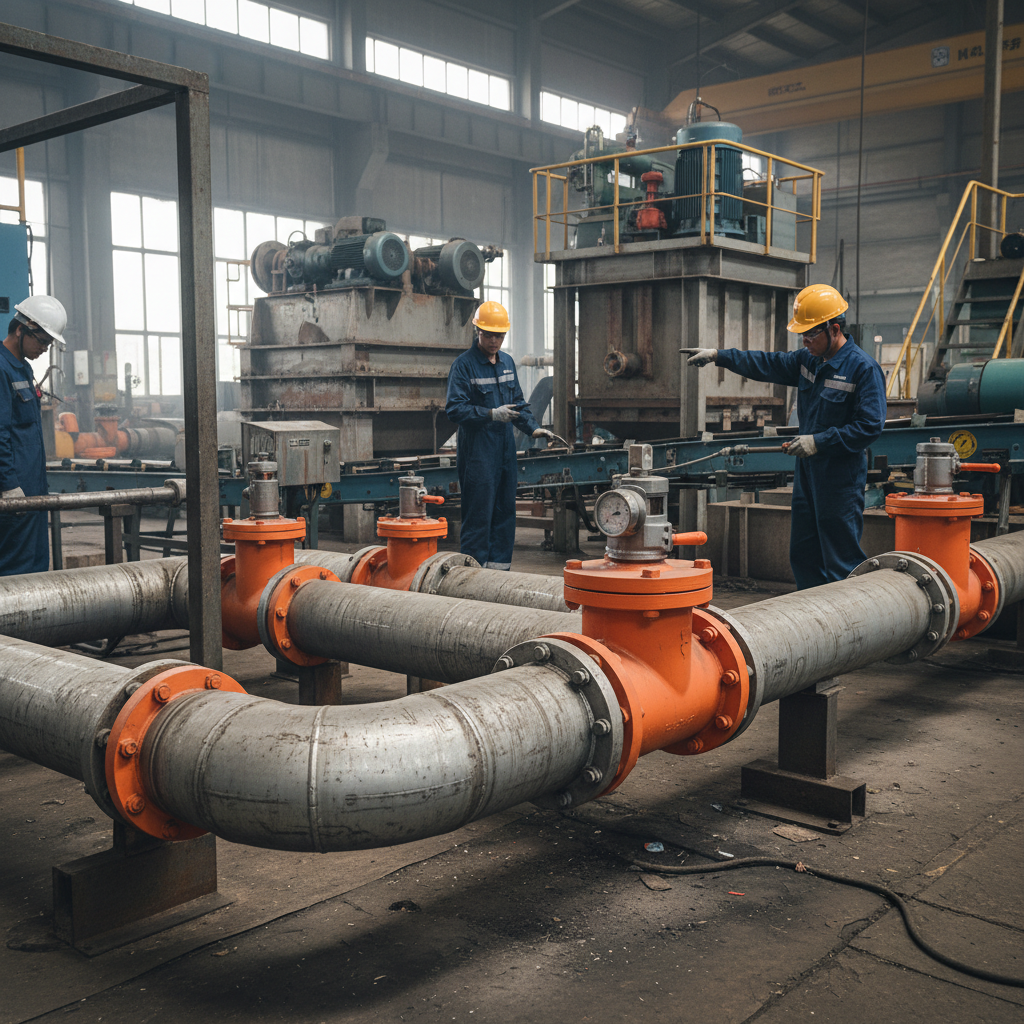


A professional plastic corrugated pipe supplier provides essential conduit solutions designed to protect electrical wiring, fluid transport, and mechanical components from environmental hazards. These systems utilize flexible, ribbed structures to balance structural rigidity with the adaptability required for complex industrial installations.
In modern manufacturing and infrastructure, selecting the right supplier is critical because substandard materials can lead to premature fatigue, moisture ingress, or system failure in harsh environments. Engineers often struggle to find a balance between high-grade polymer durability and the flexibility needed for irregular routing.
This guide analyzes the technical specifications, application scenarios, and procurement criteria for high-performance corrugated sealing and piping solutions, helping procurement teams ensure long-term operational reliability through informed supplier selection.

1Understanding Corrugated Piping and Sealing Logic

At its core, corrugated piping leverages a geometry of alternating ridges and valleys to provide exceptional axial flexibility without sacrificing hoop strength. When integrated with sealing components, such as bellows seals, this design allows for movement and vibration absorption while maintaining a hermetic barrier against dust and liquids.
For enterprises in the rubber and plastic products industry, the precision of the corrugation pitch determines the bending radius of the pipe. A tighter pitch generally allows for sharper turns, which is essential in compact mechanical equipment spare parts where space is limited.
Integrating these components requires a deep understanding of material science, ensuring that the chosen polymer can withstand the specific chemical and thermal stresses of the target environment, from automotive engines to aerospace assemblies.
2Core Technical Features of High-Grade Polymer Solutions
High-performance corrugated solutions are defined by their unrivaled sealing performance. By utilizing advanced synthetic materials, these products effectively block moisture, debris, and corrosive elements, which is vital for protecting internal mechanical components from premature wear.
Flexibility is another cornerstone; the ability of a seal or pipe to adapt to irregular shapes ensures a secure fit in challenging environments. This elasticity helps absorb mechanical shocks and vibrations, reducing the risk of stress fractures in the surrounding hardware.
Furthermore, customization options regarding thickness, diameter, and material composition allow these products to be tailored for specific industrial needs, reducing downtime by providing a perfect fit that eliminates the need for improvised adapters.
3Industrial Application Scenarios and Use Cases
The versatility of these components makes them indispensable across multiple sectors. In HVAC systems, corrugated pipes manage cable routing and condensate drainage, while in the automotive sector, they protect wiring harnesses from engine heat and abrasive movement.
Agricultural machinery and railway bridges also rely on these solutions to protect critical electrical lines from heavy debris and environmental exposure. The rugged design ensures that seals remain intact despite constant exposure to UV radiation and extreme temperature fluctuations.
For mechanical equipment spare parts, the use of customized bellows seals prevents lubricant leakage and protects precision gears from external contaminants, directly extending the mean time between failures (MTBF) for industrial machinery.
4Performance Metrics and Material Efficiency
When evaluating a plastic corrugated pipe supplier, performance is measured by the balance of durability and cost-effectiveness. Durable seals reduce the frequency of replacement, which significantly lowers the total cost of ownership (TCO) for the end user.
Efficiency is also found in the installation process. User-friendly designs that allow for quick fitting and secure locking mechanisms reduce labor costs and installation errors during large-scale infrastructure deployments.
plastic corrugated pipe supplier Performance Metrics
Comparing standard industry averages with specialized custom solutions reveals a significant gain in sealing reliability and adaptability. Specialized suppliers utilize precision molding and testing to ensure that every batch meets strict IATF 16949 or ISO 9001 standards.
5Procurement Strategies for Industrial Component Sourcing
Effective procurement requires moving beyond simple price-per-unit analysis. Buyers must consider the supplier's R&D capabilities and their ability to handle custom formulations of mixed rubber and plastic to meet specific environmental requirements.
A reliable supplier should offer a comprehensive support system, including design assistance for tooling and production. This collaborative approach ensures that the final product exceeds performance expectations rather than just meeting minimum specifications.
Evaluating the supplier's production capacity and quality control procedures is also vital. Companies with dedicated testing departments and certifications like ISO 14001 ensure consistency across large production runs, reducing the risk of defective batches.
6Future Trends in Sustainable Polymer Engineering
The industry is shifting toward the use of environmentally friendly materials to minimize the ecological footprint of plastic production. Bio-based polymers and recyclable thermoplastics are becoming more prevalent in corrugated piping systems.
Innovation is also focusing on "smart" materials that can indicate wear or failure through color changes or integrated sensors, allowing for predictive maintenance instead of reactive repairs.
As industries strive for standardization and internationalization, the demand for interchangeable, modular corrugated systems is growing, enabling faster global supply chain integration and easier replacement of parts across different regions.
7Comparative Analysis: Material Selection Guide
Choosing between different material types depends on the specific trade-offs between flexibility, heat resistance, and budget. For instance, EPDM is preferred for weather resistance, while PTFE is selected for extreme chemical environments.
The following table provides a comparative overview of common options available from a professional plastic corrugated pipe supplier to assist in technical selection.
| Material Type | Primary Strength | Best Application | Main Limitation |
|---|---|---|---|
| Standard PVC | Cost-effective | General Cable Routing | Low Heat Resistance |
| High-Density PE | Impact Strength | Underground Drainage | Limited Flexibility |
| EPDM Rubber | UV/Weather Proof | Automotive Seals | Higher Cost |
| Nylon / PA | Mechanical Wear | Industrial Robotics | Moisture Absorption |
| Silicone | Thermal Stability | Medical Devices | Lower Abrasion Resistance |
| Fluoropolymers | Chemical Inertness | Chemical Processing | High Material Cost |
Ultimately, the decision should be based on a rigorous analysis of the operating conditions. Selecting a material that is slightly over-specified for the environment is generally more cost-effective than facing a premature system failure due to under-specification.
Frequently Asked Questions
Conclusion
Selecting a professional plastic corrugated pipe supplier is a strategic decision that impacts the reliability, safety, and longevity of industrial systems. By focusing on material science, customization capabilities, and adherence to strict quality certifications, enterprises can secure components that not only protect critical infrastructure but also optimize operational efficiency.
For procurement teams and engineers seeking high-performance sealing and conduit solutions, reviewing technical specifications and material compatibility is the first step toward a sustainable installation. Detailed product information and customization options can be explored at www.fygasketfactory.com.