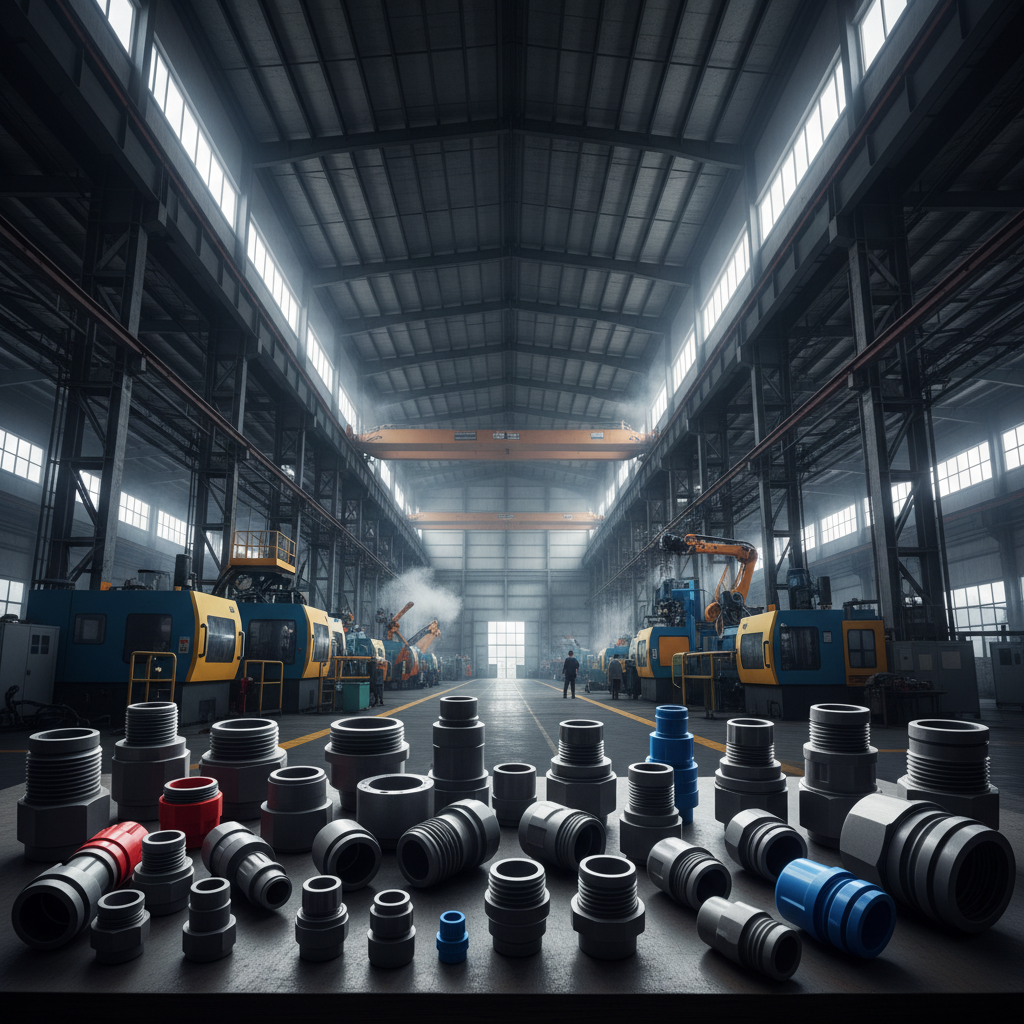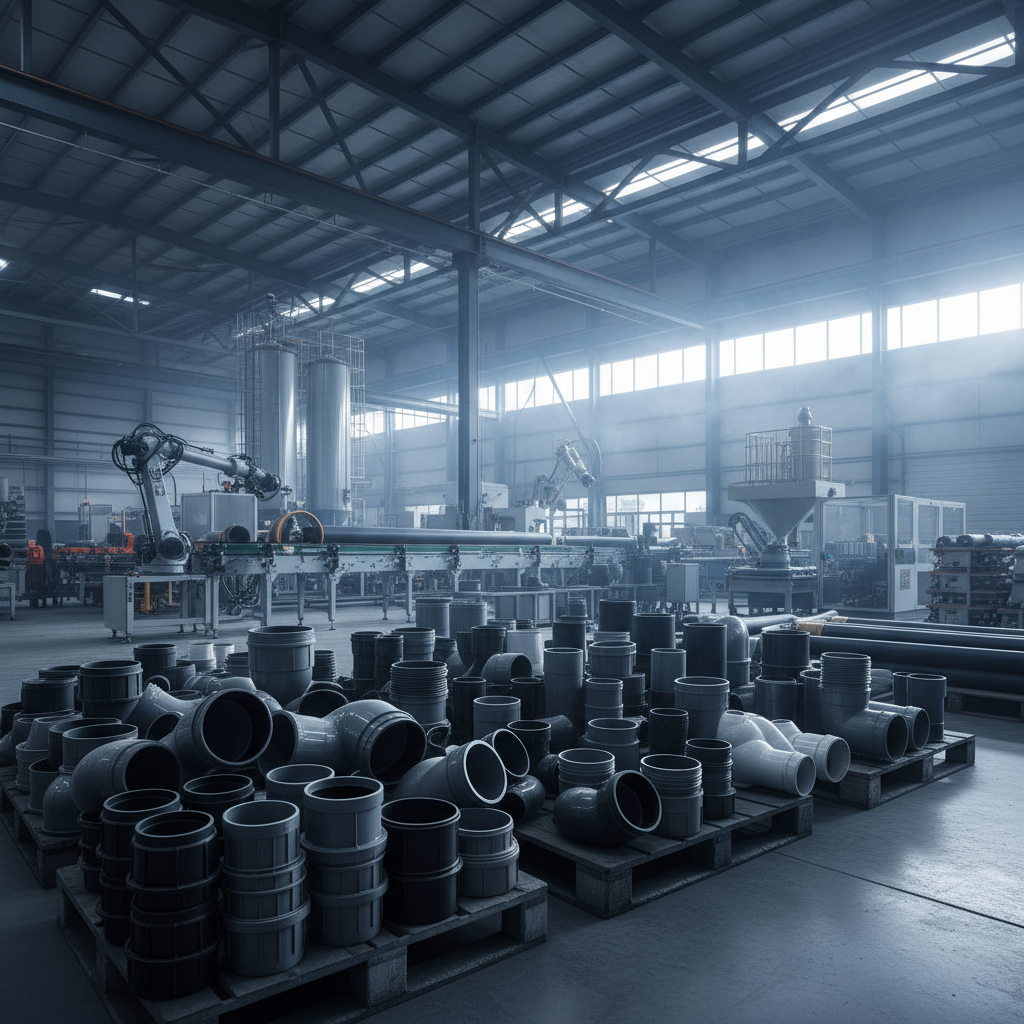


Selecting a reliable compression tube fitting manufacturer is a critical decision for engineers managing fluid power and gas distribution systems. The integrity of a seal often determines the safety and operational uptime of an entire facility, making the choice of fitting materials and manufacturing precision paramount.
Compression fittings are designed to create a leak-proof joint without the need for welding or soldering, relying instead on mechanical compression to seal the tube. However, the effectiveness of this mechanism depends heavily on the metallurgical quality and the dimensional tolerances maintained during the production process.
This guide examines the technical requirements of industrial fittings, the role of material science in leak prevention, and how to evaluate the capabilities of a production partner to ensure long-term system reliability in harsh environments.

Understanding the Mechanics of Compression Fitting Seals

At its core, a compression fitting operates by squeezing a ferrule—a small ring—against the outer wall of the tube. This mechanical action creates a radial seal that prevents fluid or gas from escaping. The precision of the nut's thread and the ferrule's hardness are the two primary variables that determine if a seal will hold under pressure or fail due to vibration.
When searching for a compression tube fitting manufacturer, it is essential to understand that not all ferrules are created equal. Some are designed to "bite" into the tubing for a permanent, high-pressure grip, while others provide a softer seal for applications where tubes may need to be disassembled and re-installed multiple times.
The manufacturing process involves rigorous CNC machining and surface finishing. Any microscopic irregularity in the fitting's inner bore can lead to uneven compression, resulting in "micro-leaks" that may only appear during thermal expansion cycles or sudden pressure spikes.
Critical Engineering Factors for High-Pressure Tube Joints
The performance of a tube joint is not solely dependent on the fitting but on the synergy between the fitting, the tubing, and the installation torque. Over-tightening can deform the tube wall, leading to premature failure, while under-tightening leaves the system vulnerable to leakage.
Material compatibility is the second critical factor. In chemical processing or aerospace applications, galvanic corrosion can occur if the fitting material is incompatible with the tube. Stainless steel, brass, and high-performance polymers are common, but the specific grade (e.g., 316L stainless steel) is what ensures resistance to chlorides and acids.
Furthermore, the surface finish of the contact area must be optimized. A mirror-like finish on the sealing surface reduces the risk of turbulence and erosion-corrosion, extending the lifespan of the joint in high-velocity flow systems.
Industrial Application Scenarios and Environmental Demands
Different industries impose drastically different stresses on compression fittings. In the automotive sector, fittings must withstand constant vibration and extreme temperature swings, ranging from freezing winters to engine-room heat. Here, elasticity and fatigue resistance are the primary requirements.
In contrast, the medical device industry prioritizes sterilization and biocompatibility. Fittings used in oxygen delivery or surgical equipment must be free of contaminants and capable of withstanding repeated autoclave cycles without degrading the seal or leaching chemicals into the fluid stream.
Industrial energy and railway systems often face the challenge of high-pressure hydraulic pulses. In these scenarios, the fitting must maintain a seal even under dynamic loading, where the pressure fluctuates rapidly. This requires a manufacturer who can provide certified pressure testing reports for every batch.
Quantifying Sealing Efficiency Across Different Materials
Evaluating the efficiency of a fitting requires looking at the ratio of installation effort to seal longevity. High-grade alloys typically offer superior pressure ratings but require more precise torque control compared to plastic or rubber-composite fittings.
The following data represents the relative performance of standard industry fittings versus those produced by a precision-focused manufacturer, focusing on key reliability metrics.
compression tube fitting manufacturer Performance Metrics
As the data suggests, the reduction in leak rates and the increase in vibration resistance are directly linked to tighter dimensional tolerances and superior material formulation. Precision engineering allows for a more consistent radial load on the tube, which significantly minimizes the risk of failure during thermal cycling.
Strategic Procurement and Supplier Qualification Metrics
When auditing a potential supplier, the focus should shift from price-per-unit to the total cost of ownership. A cheaper fitting that requires more frequent maintenance or causes a single system outage can cost a company thousands of dollars in lost production.
Key qualification metrics include the manufacturer's quality management systems, such as ISO 9001 or IATF 16949. These certifications indicate that the company has a repeatable process for material inspection and final quality control, reducing the variance between batches.
Additionally, the ability to provide customized solutions is a major advantage. A manufacturer who can adjust material formulations—such as increasing the corrosion resistance of a rubber seal or the hardness of a metal part—can help engineers optimize their systems for specific, extreme working conditions.
Evolution of Sealing Technology and Material Innovation
The industry is currently moving toward "smart" sealing and the use of advanced composites. We are seeing a rise in the use of hybrid materials that combine the strength of metal with the adaptability of high-performance polymers, allowing for tighter seals at lower installation torques.
Environmental regulations like RoHS and REACH are also driving a shift toward eco-friendly materials. Modern manufacturers are developing rubber and plastic compounds that maintain high chemical resistance while eliminating hazardous substances, ensuring compliance for global export markets.
Looking forward, the integration of additive manufacturing (3D printing) for prototyping complex fitting geometries may shorten the R&D cycle. This allows engineers to test a design's flow dynamics and sealing capability before committing to expensive hard-tooling and mass production.
Comparative Analysis of Fitting Selection Frameworks
Choosing the right fitting requires a structured comparison of the operating environment against the material properties. A simple mistake in material selection can lead to stress corrosion cracking or seal degradation within weeks of deployment.
The following matrix provides a selection framework based on common industrial requirements and the corresponding technical approach.
| Operating Condition | Recommended Material | Sealing Mechanism | Primary Risk Factor |
|---|---|---|---|
| High Acid/Alkaline | 316L Stainless Steel | Metal-to-Metal Bite | Pitting Corrosion |
| High Vibration | Brass with Rubber Seal | Elastic Compression | Material Fatigue |
| Medical/Sterile | Medical-Grade Polymer | Precision Interference | Contamination |
| Extreme Cold (-40C) | Specialized Fluorocarbon | Low-Temp Elasticity | Seal Embrittlement |
| Ultra-High Pressure | Hardened Alloy Steel | Deep Deformation | Tube Wall Collapse |
| Rapid Prototyping | Engineered Plastic | Interference Fit | Lower Pressure Limit |
By utilizing this framework, procurement teams can ensure that the chosen compression tube fitting manufacturer provides a product that is technically aligned with the project's risk profile and performance targets.
Frequently Asked Questions
Conclusion
Ensuring a leak-free system requires more than just a standard part; it requires a strategic partnership with a manufacturer who understands the physics of compression and the chemistry of materials. By focusing on dimensional precision, material compatibility, and rigorous testing, companies can significantly reduce operational risk and maintenance costs.
Engineers and procurement professionals evaluating their system requirements can review the relevant product and company information available through www.fygasketfactory.com to find high-performance sealing solutions tailored to their unique industrial needs.