



Leading HDPE Corrugated Pipe Manufacturers for Durable Infrastructure Solutions
Understanding HDPE Corrugated Pipe Manufacturers: A Global Perspective
If you've ever wondered what keeps modern drainage, sewerage, and water management systems running smoothly across continents, chances are HDPE corrugated pipe manufacturers had a big role in it. These pipes might not make headlines like some tech innovations, but they're quietly crucial—especially when you look at the sheer scale of infrastructure projects worldwide. From mega-cities in Asia to rural villages in Africa, the demand for durable, cost-effective, and environmentally friendly piping solutions is soaring. This article dives into why understanding HDPE corrugated pipe manufacturing isn't just technical jargon but a key part of global development and sustainability efforts.
Why HDPE Corrugated Pipe Manufacturing Matters Globally
Globally, the infrastructure sector is booming. According to the World Bank, investments in water, sanitation, and drainage infrastructure are expected to surpass $5 trillion by 2030. Within this hefty figure, HDPE corrugated pipes play a pivotal role. They replace traditional materials that are often heavier, prone to corrosion, or difficult to install. For emerging economies, where cost and speed of deployment matter, these pipes offer a robust solution.
Yet, challenges remain. For instance, urban flooding and aging sewer systems in megacities call for innovative solutions, many of which are addressed by improvements driven by these manufacturers. The ISO standards for polyethylene pipes reflect industry efforts to maintain quality and safety on a global scale, which manufacturers strictly follow.
Mini takeaway: Worldwide infrastructure growth and environmental concerns have vaulted HDPE corrugated pipes into a crucial role, making their manufacturers key global players.
What Are HDPE Corrugated Pipe Manufacturers?
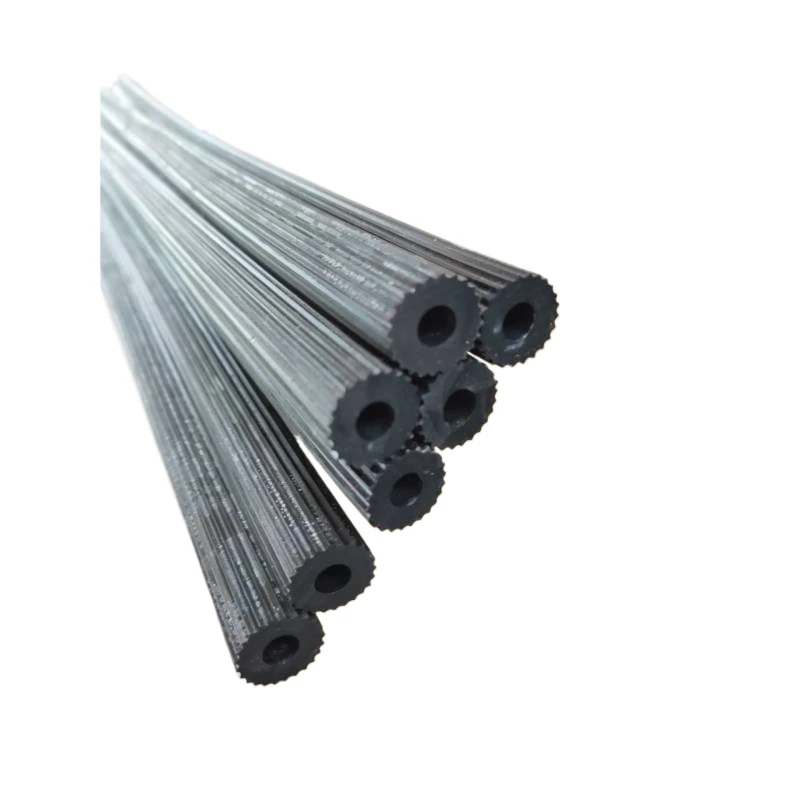
In the simplest terms, HDPE corrugated pipe manufacturers produce high-density polyethylene (HDPE) pipes designed with a corrugated (ridged) exterior and a smooth interior. This design combines rigidity and flexibility—an engineering win-win. Manufacturers extrude plastic resin and shape it into pipes that meet varying diameters and pressures.
Why does this matter beyond the factory floor? Because these pipes serve modern industrial needs such as stormwater drainage, agricultural irrigation, and sanitary sewage systems. They're also increasingly critical in humanitarian efforts, such as post-disaster rebuilding where quick-to-deploy, reliable piping is non-negotiable. So these manufacturers aren’t just making pipes; they’re creating infrastructure lifelines.
Mini takeaway: These manufacturers fill a niche that’s technical but profoundly impactful—turning plastic resin into the veins of modern infrastructure worldwide.
Four Key Factors Defining HDPE Corrugated Pipes
Durability That Lasts Decades
HDPE pipes resist corrosion, UV damage, and chemical exposure far better than metal or concrete alternatives. This longevity means fewer replacements and repairs, which is significant for municipal budgets and sustainability.
Lightweight & Easy Installation
Compared to traditional pipes, HDPE corrugated pipes are much lighter—sometimes up to 70% less—making transport and installation simpler and faster. Many contractors I’ve spoken to swear by how this reduces labor costs and project timelines.
Cost Efficiency Without Sacrificing Quality
These pipes strike a good balance: cheaper material costs paired with long-term savings due to durability. Plus, owing to their flexibility, they can be used in areas prone to soil movement or seismic activity—a smart investment.
Environmental and Regulatory Compliance
Many manufacturers are adopting recycled HDPE materials and meeting strict standards like ASTM and ISO certifications. This focus on green production helps infrastructure projects meet sustainability goals — which, frankly, are non-negotiable nowadays.
Mini takeaway: Durability, ease of use, affordability, and sustainability are the pillars making hdpe corrugated pipe manufacturers indispensable to modern projects.
Real-World Applications and Who Benefits
HDPE corrugated pipes have found their way into a dizzying range of applications:
- Urban Drainage Systems: Cities in developing nations like India and Brazil use these pipes to revamp aging stormwater infrastructure, preventing flooding during monsoon seasons.
- Agricultural Irrigation: Africa’s agrarian communities rely on these pipes for durable, easy-to-maintain irrigation networks that survive rough terrain.
- Post-Disaster Relief: After major hurricanes or earthquakes, NGOs rapidly deploy HDPE piping for temporary sanitation and drainage, as it’s both lightweight and sturdy.
- Industrial Zones: Mining and manufacturing plants in isolated regions often require corrosion-resistant piping that can be quickly installed and flex under ground shifts.
The breadth of use explains why the demand for reliable manufacturers is huge—and growing year by year.
Mini takeaway: Whether it’s flood-prone cities or remote farms, HDPE corrugated pipes deliver high impact in diverse sectors.
HDPE Corrugated Pipe — Product Specifications
| Specification | Typical Range | Units |
|---|---|---|
| Diameter | 50 - 1200 | mm |
| Pressure Rating | 4 - 16 | bar |
| Pipe Length | 6 - 12 | meters |
| Material Density | 0.94 - 0.97 | g/cm³ |
| Operating Temperature | -40 to 60 | °C |
How Top HDPE Corrugated Pipe Manufacturers Stack Up
| Vendor | Global Reach | Product Range | Sustainability Efforts | Typical Clients |
|---|---|---|---|---|
| Fygasket | Asia, Africa, Americas | 50–1200mm diameter pipes | High recycled content | Municipal, Industrial, NGO |
| GlobalPipeCo | Europe, Middle East | Wide pressure classes | ISO 14001 certified | Government projects, Mining |
| PipeSolutions | North America | Customizable fittings & pipes | Partial use of bio-HDPE | Agriculture, Construction |
Advantages and Long-Term Value of HDPE Corrugated Pipes
Cost savings aside, the pipes’ reliability endears them to engineers and project planners alike. It’s not just about dollars and cents; it’s about safety and dignity. Especially in humanitarian applications, supplying dependable sanitation infrastructure can literally change lives. You can imagine how important a pipe that doesn’t leak or crack is in a refugee camp after a typhoon — it offers peace of mind at the most basic human level.
From a sustainability lens, reducing replacements lowers plastic waste over time, and many manufacturers now support circular material flows through recycling schemes. I noticed that many firms even prioritize carbon footprint reductions as a selling point, signaling a natural industry progression.
Mini takeaway: HDPE corrugated pipes deliver a trifecta of reliability, sustainability, and human impact that few materials in infrastructure can match.
What the Future Holds: Trends in HDPE Corrugated Pipe Manufacturing
Looking ahead, several trends are shaping the sector:
- Smart Pipes: Integration of sensors for leak detection and flow monitoring is moving from concept to reality.
- Green Materials: Increasing use of bio-based HDPE and advanced recycling tech aims to cut carbon footprints further.
- Automation: Manufacturing lines are becoming smarter with AI-driven quality control ensuring tighter tolerances.
- Policy Incentives: Stricter environmental regulations globally are pushing more manufacturers to adopt eco-friendly practices.
It feels like this sector is on the cusp of transformation that might sound subtle but will be game-changing to engineers and planners in every continent.
Challenges and How Manufacturers Address Them
Of course, no industry is without hurdles. Supply chain disruptions for raw materials, especially during global crises, have delayed production. Plus, variable quality from low-cost manufacturers in unregulated markets sometimes undermines trust in the wider category.
Leading manufacturers counter this by:
- Investing in transparent quality testing and certification.
- Employing regional supply hubs to lessen transportation delays.
- Educating buyers on lifecycle costs versus upfront price.
It’s a reminder that even plastic pipes require a somewhat intricate ecosystem to work flawlessly.
FAQ: Frequently Asked Questions About HDPE Corrugated Pipe Manufacturers
- What factors should I consider when choosing an HDPE corrugated pipe manufacturer?
- Look for certifications like ISO compliance, a proven quality control system, product range that fits your project needs, and sustainability practices. Customer reviews and after-sales support also matter a lot.
- How long do HDPE corrugated pipes typically last in outdoor conditions?
- With proper installation, these pipes often last 50 years or more, resisting UV radiation and chemical corrosion better than many alternatives. Actual lifespan depends on environmental factors and usage.
- Are these pipes recyclable at the end of their life?
- Yes, HDPE is widely recyclable. Many manufacturers encourage recycling programs to reduce environmental impact, and recycled HDPE is commonly reintroduced into new pipes or plastic products.
- Can HDPE corrugated pipes be customized for specific pressure or diameter needs?
- Absolutely. Leading manufacturers offer extensive customization in diameter, wall thickness, and pressure ratings to suit a variety of industrial and municipal applications.
Conclusion: Why Investing in Quality HDPE Corrugated Pipes Pays Off
When you zoom out and consider the massive infrastructure challenges faced globally, the role of hdpe corrugated pipe manufacturers becomes clear: they’re powering safer cities, healthier rural communities, and reliable industries. Their pipes offer a combination of durability, flexibility, and environmental friendliness that few materials can match.
Choosing the right manufacturer isn’t just technical procurement—it’s an investment in long-term resilience and sustainability. So next time you read about urban drainage upgrades, agricultural irrigation, or disaster recovery, remember: quality HDPE pipes are often the unsung heroes.
To explore more about trusted manufacturers and product options, do visit our website for detailed specs, vendor insights, and expert guidance.
References
-
Guide to Choosing a High Quality Stainless Steel Pipe CapNewsApr.16,2026
-
Premium Durable Aluminum Post Caps 4x4 for Outdoor StructuresNewsApr.09,2026
-
Comprehensive Guide to Choosing the Right Sheet Metal Chimney Cap for Your HomeNewsApr.07,2026
-
Comprehensive Guide to Metal Pipe Caps Types Materials and ApplicationsNewsApr.04,2026
-
Comprehensive Guide to Metal Tube Caps for Industrial ApplicationsNewsMar.31,2026
-
Comprehensive Guide to Durable Galvanised Steel Capping SolutionsNewsMar.28,2026
-
Comprehensive Guide to Selecting the Right End Caps for Metal Tubing ApplicationsNewsMar.26,2026


- Mob: +86 0312-2911666/+86 0312-2911318
- Fax: 0312-2911511
- Email: rubber@hbfengye.com/
- Add: No. 228 North Street, Gaobeidian City, Hebei Province


