



Corrugated Plastic Drain Pipe: Durable, Flexible & Cost Effective Drainage Solutions
Why the Corrugated Plastic Drain Pipe Deserves a Spotlight Globally
It's often the quiet components beneath our feet or tucked behind the scenes that underpin so much of the infrastructure we rely on daily. Take the corrugated plastic drain pipe, for example. At first glance, it might look like a simple plastic tube with a wavy texture—but understanding its true role unlocks an essential piece of global water management, flood prevention, and urban development.
Water drainage and management are critical challenges worldwide. In fact, according to the United Nations, adequate drainage systems are pivotal in reducing urban flooding and promoting sustainable sanitation (UN-Habitat, 2021). With rapid urbanization and climate uncertainties, solutions like corrugated plastic drain pipes are more than just products—they're lifelines for communities, industries, and humanitarian efforts.
Setting The Stage: The Global Pulse of Corrugated Plastic Drain Pipes
Over the past two decades, global demand for reliable drainage solutions has ballooned—not surprisingly, as World Bank data shows that 55% of the world population now resides in urban areas (2022). And this urban growth often strains existing water control systems, revealing considerable gaps in infrastructure resilience.
So what's the challenge? Traditional drainage materials like concrete or metal, while sturdy, come with drawbacks: weight, cost, and installation complexity. Corrugated plastic drain pipes—lightweight, flexible, and corrosion-resistant—answer this call by offering speedy deployment and durability in harsh environments. In regions prone to heavy rains or flooding—think Southeast Asia, parts of Africa, and hurricane-impacted coastal zones—these pipes are game changers.
What Exactly Is a Corrugated Plastic Drain Pipe?
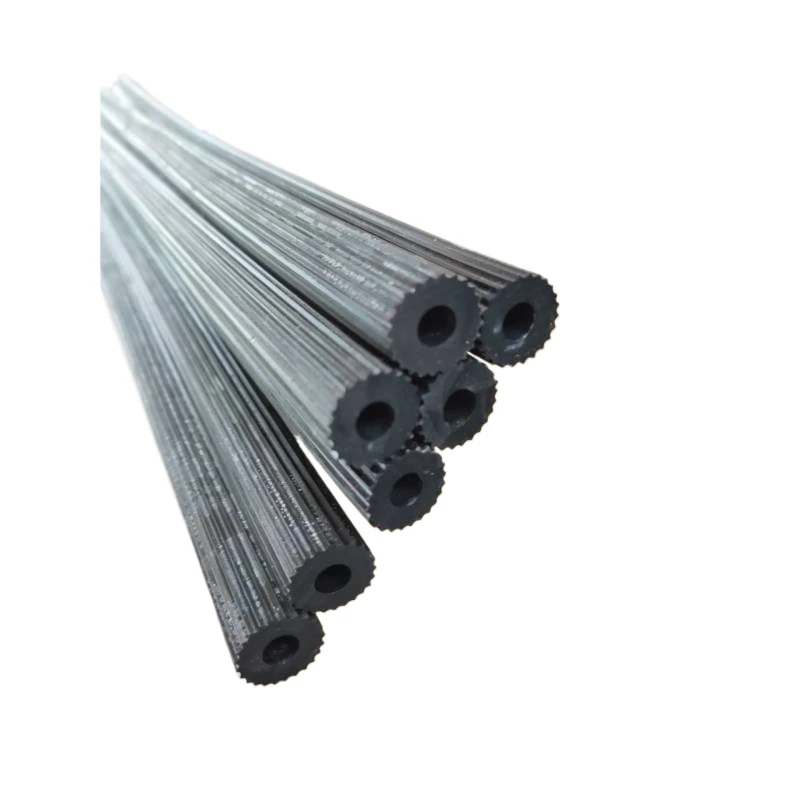
Simply put, a corrugated plastic drain pipe is a tubular drainage solution made from high-density polyethylene (HDPE) or polypropylene, designed with a ribbed, wavy (“corrugated”) exterior and a smooth or ridged interior. This structure balances flexibility with strength, allowing pipes to maneuver around obstacles underground without collapsing.
They connect industries ranging from agriculture (draining fields efficiently) to construction and even disaster relief programs. In humanitarian contexts, they facilitate rapid shelter setups by managing runoff water, protecting essentials from water damage, and ensuring sanitary conditions.
Core Components That Make It Work
Durability and Resilience
Corrugated plastic drain pipes resist corrosion, rust, and chemical attacks remarkably well compared to metal or concrete. That means less maintenance and longer life spans—some specs suggest 50 years under typical soil conditions.
Flexibility
The pipe’s corrugated design allows for bending without breaking, adapting to uneven terrain—crucial for hilly landscapes or sites with shifting soils.
Lightweight and Easy Handling
You can lug these pipes around with less effort compared to their metal counterparts, facilitating quicker installations and reducing labor costs.
Cost Efficiency
While upfront material costs vary, the overall life-cycle expense is typically lower due to reduced maintenance, ease of handling, and installation speed.
Hydraulic Performance
The smooth inner liner of many corrugated pipes ensures optimal flow rates, minimizing clogging and enhancing drainage efficiency.
Scalability and Customization
Available in various diameters and lengths, these pipes are tailored to suit anything from small residential gardens to massive municipal projects.
| Specification | Value | Unit |
|---|---|---|
| Material | HDPE or PP | - |
| Diameter Range | 50 - 1200 | mm |
| Operating Temperature | -40 to +60 | °C |
| Pressure Rating | Up to 32 | psi |
| Lifespan | Up to 50 | Years |
Where Do Corrugated Plastic Drain Pipes Shine Most?
These pipes have found their way across continents and industries. In North America and Europe, they’re standard in residential and municipal stormwater systems, replacing brittle older pipes. India and Southeast Asia are seeing rapid adoption in agricultural drainage projects, managing monsoon waters to protect crops.
Oddly enough, disaster-stricken regions use these pipes extensively for quick infrastructure rebuilding. For instance, after hurricanes or typhoons, NGOs deploy corrugated plastic drain pipes to restore sanitation and prevent waterborne diseases swiftly. Sometimes, it's the pipes beneath refugees’ feet that preserve dignity and health when traditional infrastructure is lacking.
Vendor Comparison: Making the Right Choice
| Brand | Material Options | Max Diameter (mm) | Price Range | Lead Time |
|---|---|---|---|---|
| FYGasket | HDPE, PP | 1200 | Mid | 2-4 weeks |
| DrainTech Inc. | HDPE | 900 | High | 4-6 weeks |
| PolyDrain Systems | PP | 1000 | Low | 1-3 weeks |
The Long Game: Advantages & Lasting Impact of Corrugated Plastic Drain Pipes
Let's talk benefits beyond the spec sheets. The durability we mentioned translates directly into fewer repair disruptions and a safer environment for communities. From an environmental perspective, these pipes are recyclable and often made from recycled material themselves, ticking sustainability boxes in a more conscious world.
There's also hefty emotional value: infrastructure that handles storms means less anxiety about flooded homes, safer roads during downpours, and yes—preserving people’s dignity after natural disasters by providing dry, functioning sanitation systems.
Looking Ahead: Innovations and Trends to Watch
Tomorrow’s corrugated plastic drain pipes might come embedded with sensors for real-time monitoring of soil moisture and flow rates—a kind of “smart drainage” that could revolutionize urban water management. Advances in biodegradable composites might also soon reduce the environmental footprint even further.
Sustainability remains the buzzword, and manufacturers are exploring ways to make pipes lighter yet tougher, incorporating recycled plastics without compromising performance. This aligns with global policies targeting circular economies and water security, echoing ISO water management standards.
Challenges: What Holds the Industry Back (And How We Fix It)
No product’s perfect, of course. Corrugated plastic drain pipes sometimes face criticism for microplastics potential and mechanical damage during installation or ground movement. But many engineers say that innovations in UV-resistant coatings and sturdier corrugation profiles mitigate these issues.
Proper installation training and site assessments solve much of the problem—so it really boils down to quality control and skilled labor, two “soft” factors that often get overlooked but are critical nonetheless.
FAQs About Corrugated Plastic Drain Pipe
-
Q: How long do corrugated plastic drain pipes typically last underground?
A: In normal soil conditions, HDPE or PP corrugated pipes can last up to 50 years. Factors like load, soil type, and exposure to chemicals can influence this lifespan. -
Q: Are these pipes suitable for all weather climates?
A: They perform well in temperatures ranging from -40°C to +60°C, making them versatile for nearly all climates except extreme arctic or desert heat without special modifications. -
Q: Can corrugated plastic drain pipes handle heavy loads like traffic roads?
A: Yes, pipes with the right pressure ratings (up to 32 psi or more) are designed to withstand soil loads including vehicular traffic when installed properly. -
Q: What environmental benefits do plastic drain pipes offer over traditional materials?
A: They reduce carbon footprint through lighter transport weight, recyclable content, and longevity that limits replacement frequency. -
Q: How quickly can they be deployed in emergency situations?
A: Their lightweight and flexible nature enables rapid installation, often within days, invaluable for disaster zones needing quick water management fixes.
Summing Up: Why Corrugated Plastic Drain Pipes Matter for The Future
If you consider the challenges of climate change, urban sprawl, and humanitarian crises, the humble corrugated plastic drain pipe emerges less as a niche product and more as a foundational element for resilient, sustainable infrastructure. It’s not just a pipe—it’s a promise of safer streets, protected homes, and faster emergency responses.
Want to explore more about how these pipes can fit your next project? Visit our website: https://www.fygasketfactory.com and see what options are waiting for you.
References:
1. United Nations Human Settlements Programme (UN-Habitat), “Urban Water and Sanitation”, 2021.
2. World Bank, “World Urbanization Prospects,” 2022.
3. ISO, “Water management — Vocabulary,” ISO 7398:2016.
-
Guide to Choosing a High Quality Stainless Steel Pipe CapNewsApr.16,2026
-
Premium Durable Aluminum Post Caps 4x4 for Outdoor StructuresNewsApr.09,2026
-
Comprehensive Guide to Choosing the Right Sheet Metal Chimney Cap for Your HomeNewsApr.07,2026
-
Comprehensive Guide to Metal Pipe Caps Types Materials and ApplicationsNewsApr.04,2026
-
Comprehensive Guide to Metal Tube Caps for Industrial ApplicationsNewsMar.31,2026
-
Comprehensive Guide to Durable Galvanised Steel Capping SolutionsNewsMar.28,2026
-
Comprehensive Guide to Selecting the Right End Caps for Metal Tubing ApplicationsNewsMar.26,2026


- Mob: +86 0312-2911666/+86 0312-2911318
- Fax: 0312-2911511
- Email: rubber@hbfengye.com/
- Add: No. 228 North Street, Gaobeidian City, Hebei Province


