



Comprehensive Guide to HDPE Double Wall Corrugated Pipe – Uses, Benefits & Future Trends
Dec . 01, 2025 23:10
Back to list
Comprehensive Guide to HDPE Double Wall Corrugated Pipe – Uses, Benefits & Future Trends
What Is HDPE Double Wall Corrugated Pipe and Why Should We Care?
If you’re not deep in infrastructure or industrial supply chains, the phrase “hdpe double wall corrugated pipe” might sound like a mouthful of engineering jargon. Yet, this product quietly forms the backbone of countless projects worldwide, from clean water delivery to effective drainage systems. In a world grappling with urbanization and climate change, understanding these pipes isn’t just for engineers — it’s for everyone who cares about sustainable growth and resilient infrastructure. These pipes offer a clever balance of strength, flexibility, and durability, making them a global favorite for everything from agricultural irrigation to stormwater management. They matter because the challenges they address — flooding, water contamination, infrastructure decay — are very real and very present in both developed and developing countries. It’s no exaggeration to say that hdpe double wall corrugated pipes are one of the unsung heroes of modern development. ---The Global Stage: Why HDPE Double Wall Corrugated Pipes Are Gaining Momentum
Globally, infrastructure investment has ballooned. According to the World Bank, trillions are projected to be spent on sustainable transport, energy, and water infrastructure over the next decade. That means products like hdpe double wall corrugated pipe are not just relevant — they’re essential. Why? Well, take flooding, for instance — the UN reports that over 100 million people are affected by flooding annually, a figure only set to rise as climate change intensifies. Traditional pipes often corrode or fail, causing costly repairs and environmental damage. HDPE pipes tackle many of these problems: they resist chemical corrosion, have low friction losses, and can withstand large pressure variations. Simply put, they help engineers build systems that last longer, resist natural disasters better, and require less maintenance. This is particularly critical in regions blazing their trails through rapid urbanization (think Southeast Asia or Sub-Saharan Africa) where infrastructure demands outpace traditional materials’ availability or affordability. ---Breaking It Down: What Exactly Is an HDPE Double Wall Corrugated Pipe?
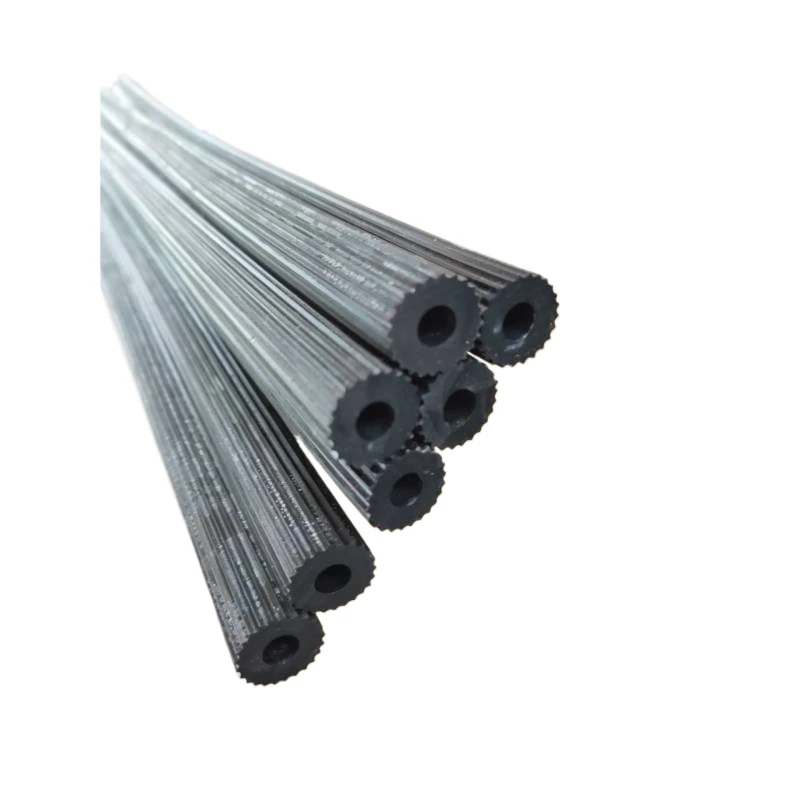
At its core, an hdpe double wall corrugated pipe is a plastic pipe made from high-density polyethylene (HDPE) featuring two distinct walls: an inner smooth wall and an outer corrugated wall. The smooth inner surface helps fluids flow freely with minimal resistance, while the sturdy corrugated exterior provides mechanical strength and flexibility. Why does this structure matter? Imagine it like a sandwich: a smooth inner slice for efficient flow, and a rugged outer crust that guards against crushing and other external forces. This design combines the best of two worlds — efficiency and robustness — geared especially for underground applications where loads from soil or traffic demand pipes to hold their shape without cracking. It’s no coincidence that this pipe type has become a staple for wastewater, drainage, and cable ducting projects globally. Its unique engineering speaks directly to modern needs — think lightweight, long-lasting, cost-effective. ---What Makes These Pipes Tick? Key Features at a Glance
1. Durability and Chemical Resistance
HDPE itself is chemically inert, meaning these pipes shrug off corrosive substances found in sewage, acidic soils, or industrial discharge. They also resist UV degradation when exposed above ground, extending service life.2. Flexibility and Impact Resistance
The corrugated design combined with HDPE’s flexible nature allows pipes to absorb shocks and slight ground movements — handy during seismic events or freeze-thaw cycles.3. Lightweight for Easier Handling
Compared to traditional concrete or metal pipes, these pipes weigh a fraction. This lowers transportation costs, speeds installation, and reduces heavy machinery needs on-site.4. Cost Efficiency Over Time
Beyond upfront savings, the reduced chance of leaks, blockages, or breakage translates to less downtime and fewer repair costs.5. Environmental Friendliness
Many HDPE pipes are recyclable and help reduce carbon footprints relative to concrete or steel alternatives — important for green construction certifications.6. Wide Range of Sizes and Lengths
Available from small diameters for residential use to large diameters for storm drainage — their versatility suits various projects. ---Mini takeaway:
These pipes cleverly pack strength, ease, and sustainability into one product. No wonder they are featured in so many critical infrastructure projects worldwide. ---Who’s Using HDPE Double Wall Corrugated Pipes — and How?
From sprawling megacities to rural roads, applications abound. - Urban drainage systems: Cities in Europe and North America rely on these pipes to divert stormwater, reducing urban flooding risk. - Agricultural irrigation: Farms in India and Brazil use them extensively to deliver water precisely and efficiently. - Mining operations: Remote sites in Australia depend on HDPE pipes for slurry transport and tailings containment. - Disaster relief initiatives: NGOs distribute these pipes for rapid setup of clean drainage and sanitation in post-flood or earthquake zones. - Telecom infrastructure: The corrugated outer wall protects cables laid underground from physical damage. Sometimes it turns out the most unglamorous parts have the biggest impact. One NGO worker told me recently how these pipes transformed sanitation in remote refugee camps, preventing disease outbreaks simply by stabilizing drainage. ---Product Specifications Snapshot
| Specification | Typical Value | Units |
|---|---|---|
| Material | HDPE (High-Density Polyethylene) | - |
| Pipe Diameter Range | 75 – 2000 | mm |
| Standard Lengths | 6, 12 | meters |
| Standard Weight (Large Diameter) | 35 | kg/meter |
| Pressure Rating | up to 1.0 | MPa |
How Do Different Vendors Stack Up?
| Vendor | Product Range (Diameter mm) | Lead Time | Green Certifications | Typical Pricing |
|---|---|---|---|---|
| PipeTech Co. | 75–1000 | 2–3 weeks | ISO 14001, LEED | Mid-range |
| GreenFlow Pipes | 150–2000 | 4–6 weeks | Cradle to Cradle, ISO 9001 | Premium |
| BuildPipe Solutions | 100–1200 | 1–2 weeks | ISO 14001 | Budget-friendly |
Why Choose HDPE Double Wall Pipes? The Long Game
If there’s one thing engineers love, it’s a product that pays dividends over decades. These pipes don’t just look good on paper: - Cost savings: Reduced installation and maintenance costs mean budgets stretch further. - Sustainability: Their recyclable nature and lower carbon impact support green infrastructure goals. - Reliability: Longevity of 50+ years in many cases means peace of mind. - Safety and trust: Reducing leaks protects water quality and public health. - Innovation: Modular design and ease of customization mean future-ready infrastructure. Choosing HDPE double wall corrugated pipes is basically opting for smarter, safer, and more sustainable development. ---On the Horizon: Innovations Shaping the Future of HDPE Pipes
Smart infrastructure is becoming a buzzword for a reason. We’re seeing: - Integration of sensors in pipes to monitor flow and detect leaks in real time. - Use of bio-based HDPE materials to reduce fossil fuel dependence. - Automated robotic installation to speed up and improve safety in difficult terrain. - Advances in pipe joints and fittings that improve sealing and ease repair. - Policies driving higher sustainability standards globally, nudging suppliers to innovate continuously. The pipes of tomorrow will, paradoxically, be both durable and dynamic — adapting to a growing world’s needs. ---Common Challenges and How Experts Are Tackling Them
No material is perfect. The main concerns around hdpe double wall corrugated pipe include: - Thermal expansion: HDPE expands more with temperature changes than metal pipes, requiring careful allowance during installation. - UV exposure: Although resistant, prolonged UV exposure can degrade HDPE, so protective measures matter. - Joint integrity: Poorly installed joints can cause leaks or failures under pressure. Solutions? Using expansion joints, UV inhibitors, and robust training for installation crews goes a long way. Also, many companies now offer custom engineering support alongside pipe delivery — essentially, expert partnership rather than just product sales. ---FAQ: What People Commonly Ask About HDPE Double Wall Corrugated Pipes
- Q: How long do these pipes typically last underground?
A: When properly installed, hdpe double wall corrugated pipes can last over 50 years underground, thanks to excellent chemical resistance and mechanical strength. - Q: Are these pipes suitable for high-pressure applications?
A: They are generally used in low-to-medium pressure scenarios, often up to 1.0 MPa. For very high pressures, specialized reinforced versions or alternatives might be preferable. - Q: Can HDPE pipes be recycled after their service life?
A: Yes, HDPE is widely recycled and many manufacturers encourage a circular economy approach, reducing environmental impact. - Q: How does installation compare to traditional pipes?
A: These pipes are lighter and easier to handle, speeding up installation and reducing the need for heavy machinery — especially in remote or tight sites. - Q: Is the price difference worth it compared to concrete pipes?
A: Although initial cost may vary, the lifespan, maintenance savings, and ease of installation often make HDPE pipes more economical in the long run.
Wrapping Up: A Smart Choice for Resilient Infrastructure
To put it simply: hdpe double wall corrugated pipe reflects how engineering adapts to a complex, demanding world. It bundles flexibility, strength, sustainability, and affordability in a humble-looking package that quietly supports billions of dollars in infrastructure worldwide. Whether you’re building a city’s stormwater system or a rural irrigation network, these pipes help future-proof investments — for the environment, for economies, and ultimately, for people’s safety and dignity. Looking for reliable HDPE pipe solutions? Visit our website: https://www.fygasketfactory.com for detailed specs and expert advice. ---References
Latest news
-
Guide to Choosing a High Quality Stainless Steel Pipe CapNewsApr.16,2026
-
Premium Durable Aluminum Post Caps 4x4 for Outdoor StructuresNewsApr.09,2026
-
Comprehensive Guide to Choosing the Right Sheet Metal Chimney Cap for Your HomeNewsApr.07,2026
-
Comprehensive Guide to Metal Pipe Caps Types Materials and ApplicationsNewsApr.04,2026
-
Comprehensive Guide to Metal Tube Caps for Industrial ApplicationsNewsMar.31,2026
-
Comprehensive Guide to Durable Galvanised Steel Capping SolutionsNewsMar.28,2026
-
Comprehensive Guide to Selecting the Right End Caps for Metal Tubing ApplicationsNewsMar.26,2026
GaoBeiDianShi Fengye Rubber Seals Co.,Ltd
We take the rubber parts and plastic parts production as the leader , set customization, research and development,
VIEW MORE


Quick Links
Our Products
Contact Us
- Mob: +86 0312-2911666/+86 0312-2911318
- Fax: 0312-2911511
- Email: rubber@hbfengye.com/
- Add: No. 228 North Street, Gaobeidian City, Hebei Province
Copyright © 2026 GaoBeiDianShi Fengye Rubber Seals Co.,Ltd. All Rights Reserved. Sitemap | Privacy Policy | Top Blog | Global Service | Hot Products


