



Comprehensive Guide to Corrugated PVC Pipe Price: Trends, Factors, and Global Applications
Understanding Corrugated PVC Pipe Price: Why It Matters Globally
Corrugated PVC pipes might not be the first thing that springs to mind when you think about global infrastructure, but their price is a surprisingly big deal worldwide. These flexible pipes are used extensively in drainage, irrigation, and even humanitarian applications — places where durability and cost-efficiency are key. Knowing the corrugated pvc pipe price and factors influencing it helps engineers, planners, and buyers make smarter decisions, especially when working in challenging environments or on tight budgets. It’s a niche topic with widespread effects, from small farms to major urban projects.
The Global Context: Why Corrugated PVC Pipe Pricing is More Relevant Than Ever
The United Nations estimates that nearly 4.5 billion people worldwide lack safely managed sanitation services, with infrastructure gaps especially severe in developing regions. Pipes that are affordable and reliable — like corrugated PVC — are crucial for tackling these challenges. According to the World Bank and ISO data, the global demand for drainage and sewer pipes is expected to grow at about 5% annually, driven by urban expansion and climate resilience efforts.
But here’s the catch: the price of corrugated PVC pipe can swing wildly due to raw material costs (PVC resin fluctuates with oil markets), manufacturing tech, and supply chain constraints, especially post-pandemic. This matters immensely for governments, NGOs, and industries aiming to stretch their budgets while maintaining quality.
What Exactly is Corrugated PVC Pipe Price?
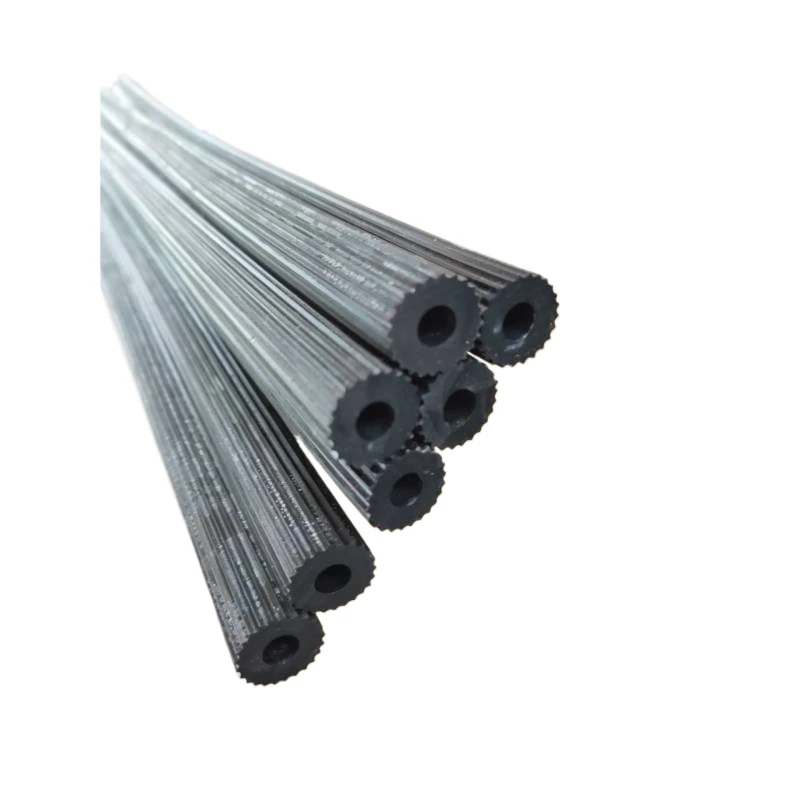
Put simply, corrugated PVC pipe price refers to the market cost you pay for purchasing flexible, ribbed plastic pipes made from polyvinyl chloride (PVC). This pricing reflects material quality, pipe diameter, length, wall thickness, and even regional factors such as tariffs or local production capacity. The pipes' corrugated design offers high strength-to-weight ratio, making them ideal where soil conditions or heavy load-bearing require flexibility.
They’re widely used in industries from agriculture to urban sewage management, and even in disaster relief operations where quick, sturdy pipe installation is mission-critical. So this “price” isn’t just a number on a wire transfer — it’s a reflection of practicality, accessibility, and often, survival.
Key Factors Affecting the Corrugated PVC Pipe Price
1. Material Quality and Composition
Higher-grade PVC resin often increases pricing but also improves durability and UV resistance. Some pipes use additives to enhance flexibility or chemical resistance, influencing cost.
2. Dimensions and Design Specifications
Larger diameters or thicker walls mean more PVC used, naturally pushing the price up. Also, dual-wall pipes with smooth interiors and corrugated exteriors generally cost more than single-wall options.
3. Manufacturing Techniques
Advanced extrusion processes and in-house quality testing add to production costs but reduce defects, ensuring longer pipe life — which might save money over time.
4. Regional Supply and Demand
Market dynamics greatly influence pricing. Remote or politically unstable regions often face higher transport costs and tariffs, directly impacting final prices.
5. Environmental Regulations and Certifications
Compliance with ISO or local environmental standards can increase costs but also guarantees sustainability and safety — increasingly important to buyers.
6. Bulk Purchasing and Vendor Relationships
Large orders often attract discounts, and established relationships may yield better pricing, important for long-term projects.
Mini takeaway: Corrugated PVC pipe price is not fixed—it’s an interplay of material, design, manufacturing, and market forces, all of which dictate what buyers will pay.
Product Specifications Overview: Typical Corrugated PVC Pipe
| Parameter | Specification |
|---|---|
| Material | High-grade Polyvinyl Chloride (PVC) |
| Diameter Range | 50 mm to 1200 mm |
| Wall Type | Single/Double Wall (Corrugated Exterior, Smooth Interior) |
| Standard Length | 6 meters |
| Operating Temperature | -10°C to +60°C |
| Certifications | ISO 9001, ASTM D3034 |
Comparing Vendors: Pricing & Features
| Vendor | Avg. Price (per meter) | Warranty | Lead Time | Special Features |
|---|---|---|---|---|
| PipeMaster Co. | $3.50 | 5 years | 2 weeks | UV Stabilization |
| EcoFlow Pipes | $3.75 | 7 years | 3 weeks | Recycled PVC Content |
| GlobalPoly Solutions | $3.20 | 3 years | 1 week | Fast Delivery Options |
Global Applications: Where Corrugated PVC Pipes Make a Difference
The pipes find themselves everywhere, from sprawling metropolis drainage networks to small-scale farming irrigation. In Sub-Saharan Africa, for example, NGOs routinely source corrugated PVC pipes to build cost-effective rainwater harvesting systems helping communities endure dry spells. Oddly enough, in colder climates — say, parts of Canada or Scandinavia — these pipes are favored for stormwater runoff because they resist freezing and cracking.
In post-disaster relief, say after a flood in Southeast Asia, agencies need fast deployment drainage with pipes that won’t collapse under shifting soil. Corrugated PVC pipes’ flexibility and relatively low price make rapid installation feasible. Industrial zones, particularly mining and chemical plants, also value these pipes for carrying corrosive liquids thanks to their chemical resistance.
Mini takeaway: The widespread utility across sectors underscores why the corrugated pvc pipe price matters so much — it’s a linchpin in resilience and development.
Advantages & Long-Term Value of Corrugated PVC Pipes
- Cost Efficiency: Lower installation and maintenance costs compared to traditional concrete or metal pipes.
- Durability: Resistant to corrosion, chemicals, and UV exposure — good for decades.
- Sustainability: Many manufacturers now incorporate recycled PVC, reducing plastic waste impact.
- Safety & Reliability: Less prone to burst or clogging, ensuring sanitary conditions crucial for health.
- Innovation in Design: Flexible pipe shapes allow adaptation to uneven terrain or seismic zones.
There’s also an emotional layer here: communities receiving such infrastructure often regain a sense of dignity and trust in institutions when their water and sanitation needs are sustainably met.
Emerging Trends in Corrugated PVC Pipe Pricing and Technology
The industry is quietly evolving. For starters, digital transformation has boosted supply chain visibility, helping buyers track costs and availability more accurately. New compounds with bio-based additives are also under development to reduce environmental footprints, which, admittedly, can raise prices initially but promise long-term returns.
Automation in manufacturing is cutting waste and defects, pushing certain vendors to offer better prices or warranties. We also see a push for pipes compatible with “smart” water management systems — embedded sensors detecting leaks, protecting infrastructure proactively.
Challenges & Solutions When Considering Corrugated PVC Pipe Price
Naturally, it’s not all smooth sailing. Fluctuating raw material costs due to oil price shifts and supply chain disruptions can cause sudden price hikes. Some cheaper pipes lack adequate quality control — and those shortcuts often backfire with premature failures.
Solutions experts suggest include buying from reputable vendors with transparent certifications, bulk purchasing to reduce overall cost, and investing in lifecycle cost analysis rather than just initial price. Increasingly, blended models combine local material use with imported high-grade resin to balance price and quality.
FAQ: Common Questions About Corrugated PVC Pipe Price
- Q: What factors influence the price of corrugated PVC pipes the most?
- A: Material quality and pipe dimensions (diameter and wall thickness) are the biggest price drivers. Manufacturing location and certifications also affect pricing significantly.
- Q: Are cheaper corrugated PVC pipes reliable for long-term projects?
- A: Not usually. Lower-priced pipes might cut corners on materials or quality checks, risking premature failure, which can be costlier over time.
- Q: How can bulk purchasing impact corrugated pvc pipe price?
- A: Vendors commonly offer discounts for large orders, lowering the per-meter price. This is ideal for large infrastructure projects or NGOs.
- Q: Is it worth paying more for pipes with ISO certification?
- A: Yes. ISO certification indicates adherence to quality and environmental standards, which enhances reliability and durability — saving money down the road.
- Q: How does regional location affect pipe pricing?
- A: Logistics, tariffs, and local demand can increase costs significantly in some areas, so pricing varies globally even for similar product specs.
In Conclusion: Why Paying Attention to Corrugated PVC Pipe Price Pays Off
Understanding the corrugated pvc pipe price is more than a budget line item — it’s about aligning cost with quality, sustainability, and project success. In an era of infrastructure demands, environmental concerns, and tight budgets, savvy buyers who grasp the nuances are better equipped to invest wisely. Whether building drainage for a small village or a sprawling city, the right pipe at the right price can make all the difference.
Ready to explore your options? Visit our website: https://www.fygasketfactory.com for competitive pricing, certified quality, and expert guidance tailored to your needs.
References
-
Guide to Choosing a High Quality Stainless Steel Pipe CapNewsApr.16,2026
-
Premium Durable Aluminum Post Caps 4x4 for Outdoor StructuresNewsApr.09,2026
-
Comprehensive Guide to Choosing the Right Sheet Metal Chimney Cap for Your HomeNewsApr.07,2026
-
Comprehensive Guide to Metal Pipe Caps Types Materials and ApplicationsNewsApr.04,2026
-
Comprehensive Guide to Metal Tube Caps for Industrial ApplicationsNewsMar.31,2026
-
Comprehensive Guide to Durable Galvanised Steel Capping SolutionsNewsMar.28,2026
-
Comprehensive Guide to Selecting the Right End Caps for Metal Tubing ApplicationsNewsMar.26,2026


- Mob: +86 0312-2911666/+86 0312-2911318
- Fax: 0312-2911511
- Email: rubber@hbfengye.com/
- Add: No. 228 North Street, Gaobeidian City, Hebei Province


