



Buy Corrugated Plastic Culvert Pipe for Sale – Durable & Cost-Effective Drainage Solutions
Understanding Corrugated Plastic Culvert Pipe for Sale: A Global Necessity in Infrastructure
In the vast world of infrastructure and civil engineering, corrugated plastic culvert pipe for sale emerges as an unsung hero. It’s that durable solution quietly supporting drainage, highway water runoff, and sometimes flood-swallowing urban projects worldwide. Though it may seem like a small piece of the puzzle, understanding its importance—especially in today’s climate of sustainability and rapid urbanization—is key to appreciating how modern society manages water flow effectively while balancing environmental concerns.
Globally, millions of kilometers of roads, tunnels, and drainage systems rely on culverts that can resist stress and corrosion but remain cost-effective. So, when a municipality looks for a long-lasting, lightweight yet tough pipe solution, corrugated plastic ones usually come up first. And it’s no wonder: they bring together engineering advancements with real-world needs for improving drainage infrastructure, flood control, and agricultural irrigation.
How Corrugated Plastic Culvert Pipes Fit Into Global Infrastructure Challenges
To grasp the global reach of corrugated plastic culvert pipe for sale, consider this: according to the World Bank, over 60% of paved roads worldwide require improved drainage maintenance to improve lifespan, and poor water management leads to billions lost annually in road repairs and flood damage. Enter corrugated plastic culvert pipes — lightweight, resilient, and easier to install than traditional concrete or metal pipes. Their resistance to rust and chemicals makes them ideal in areas where industrial runoff or saline water pose threats.
Yet, there are challenges. Harsh weather, growing urban populations, and stricter environmental regulations mean infrastructure materials must be both smart and sustainable. That's precisely why the keyword “corrugated plastic culvert pipe for sale” isn't just a sales phrase—it's a beacon for reliable, scalable solutions globally.
What Exactly Are Corrugated Plastic Culvert Pipes?
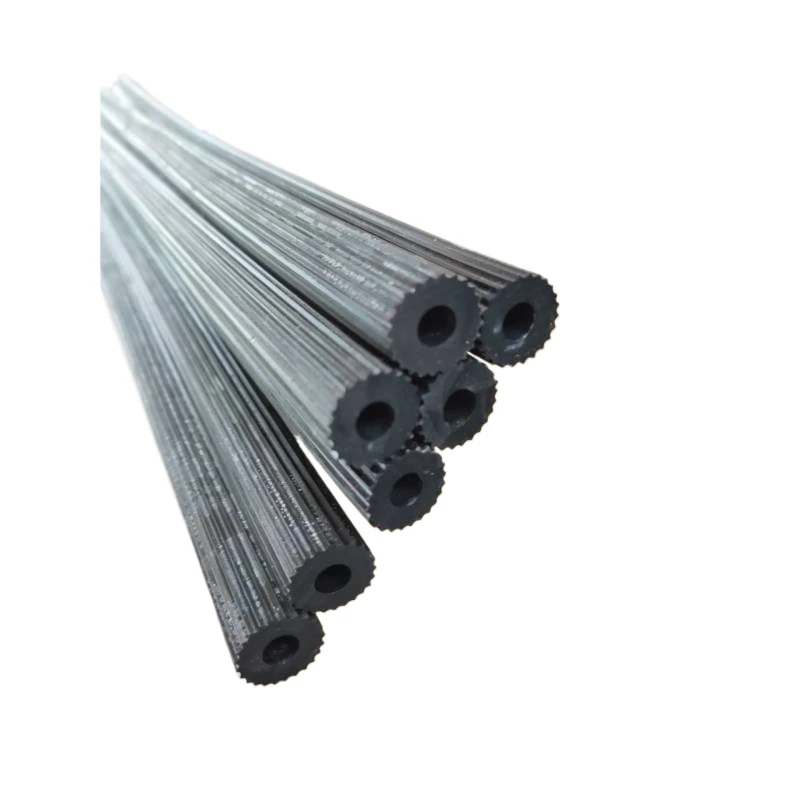
Put simply, corrugated plastic culvert pipes are flexible, tube-shaped drainage components made mainly from high-density polyethylene (HDPE) or polypropylene. The “corrugated” part comes from the ridged outer wall design, which adds strength against soil pressure while allowing some flexibility during installation. Generally, these pipes are used to channel water beneath roads, embankments, or agricultural fields without interrupting terrain or traffic flow.
Think of them as the veins of modern civil engineering, silently and effectively moving water to prevent flood damage and soil erosion—often in places too remote or difficult for heavier materials.
Mini Takeaway:
Corrugated plastic culvert pipes combine smart materials and design to meet modern engineering demands for water management infrastructure.
Core Components That Matter Most
Durability
The true strength of these pipes lies in their formulation and physical design. HDPE or polypropylene materials boast incredible resistance to corrosion, UV degradation, and chemical exposure—something steel or concrete pipes struggle with over time. The corrugated shape reduces bending stress and helps resist soil loads during backfilling or seismic movement.
Ease of Installation
Compared to heavy concrete pipes, corrugated plastic pipes are measurably lighter—often weighing 70-80% less—making transportation and labor costs noticeably lower. Their flexibility also means they better tolerate settling soil or temperature fluctuations, which helps keep joints tight and leak-free.
Cost Efficiency
Upfront costs are generally lower than traditional materials, especially when factoring in reduced excavation time and simpler handling. Over decades, the maintenance savings can be substantial because these pipes resist cracking and rusting.
Environmental Compatibility
Many manufacturers now offer pipe variants made from recycled plastics or designed for reuse, aligning with global sustainability standards like ISO 14001. Their installation minimally disturbs surrounding ecosystems compared to large concrete culverts.
Scalability & Customization
Available in diameters from a few inches to several feet and lengths fitting specific project needs, these pipes fit everything from small agricultural drains to massive highway underpasses. Coupled with accessories like adapters and fittings, the system adapts to various terrains and flow requirements.
Mini Takeaway:
Engineers choose corrugated plastic culvert pipes for durability, installation speed, and flexibility to meet specific environmental and economic demands.
Where Does This Pipe Really Make a Difference?
Globally, you’ll find these pipes in action everywhere from flood-prone urban areas to irrigation canals in dry zones. A quick example: in Southeast Asia, where seasonal floods can wreak havoc, municipal governments have adopted corrugated plastic culverts to replace aging concrete systems, dramatically decreasing repair cycles and water damage during the monsoon.
In North America, highway departments rely on these pipes under some of the world’s busiest roads — largely because they handle heavy loads while still preventing soil erosion next to highways. NGOs working in disaster relief have also found them invaluable for fast infrastructure rebuilding, especially when importing lighter materials is a logistical challenge.
Mini Takeaway:
From disaster zones to rural farms and highways, corrugated plastic culvert pipes provide adaptable, durable drainage solutions across continents.
Product Specification Table
| Specification | Typical Range | Details/Notes |
|---|---|---|
| Material | HDPE / Polypropylene | Corrosion and UV resistant |
| Diameter | 100 mm – 2400 mm | Fits small to large infrastructure needs |
| Length | 3m – 12m (standard) | Custom lengths available |
| Operating Temp. | -40°C to +60°C | Suitable for varied climates |
| Load Rating | Class I – Class IV (AASHTO) | For light to ultra-heavy traffic |
A Quick Comparison of Leading Vendors
| Vendor | Materials | Customization | Typical Lead Time | Geographical Reach |
|---|---|---|---|---|
| PipeTech Solutions | HDPE, Recycled sources | High - custom lengths/sizes | 4-6 weeks | North America, Europe |
| Global Drain Corp. | Polypropylene & blends | Moderate | 3-5 weeks | Asia, Africa |
| EcoPipe Manufacturers | Recycled HDPE | Limited | 6-8 weeks | Europe, Australia |
Why Corrugated Plastic Culvert Pipes Deliver Long-Term Value
Beyond their upfront affordability, these pipes reduce environmental impact thanks to recyclable content and low energy for transport. Many engineers say they’ve seen a 30-40% reduction in replacement or repair costs over 25 years compared to concrete. And frankly, the feeling of peace of mind knowing your drainage will hold up under unexpected weather extremes is priceless.
Socially, they support safer communities by preventing water pooling that can lead to accidents or disease. Innovators also appreciate how the product fits into digital design tools, helping planners better predict system behavior long before breaking ground.
What’s Next? Emerging Trends in Culvert Technology
Innovation keeps pushing the boundaries—nanocoatings for enhanced UV protection, embedded sensors to monitor water flow or structural integrity remotely, and even biodegradable pipe options customized for short-term use. Environmental certifications are becoming more important, too, driving manufacturers to improve waste management and sustainability in production.
Moreover, governing bodies are encouraging public-private partnerships to accelerate infrastructure renewal, meaning demand and investment in better culvert materials will likely increase. And oddly enough, as climate change accelerates, pipes like these may become part of resilient city design playbooks more than ever.
Common Questions About Corrugated Plastic Culvert Pipe for Sale
Q: How do corrugated plastic culvert pipes compare to concrete in lifespan?
A: Corrugated plastic pipes generally last 50+ years when properly installed, comparable or often superior to concrete, chiefly because they resist cracking and corrosion. Their flexibility also allows them to handle ground movement without breaking.
Q: Are these pipes suitable for high-traffic roadways?
A: Yes, many corrugated plastic pipes are rated for highway load classes (AASHTO Class I-IV), making them suitable beneath roads, bridges, and parking areas, depending on diameter and wall thickness.
Q: Can I order custom sizes or pre-fabricated fittings?
A: Most vendors offer customization for length, diameter, and fittings like adapters, elbows, or end sections. This flexibility simplifies installation and ensures compatibility with existing systems.
Q: How environmentally friendly is corrugated plastic pipe?
A: Many pipes contain recycled HDPE or polypropylene and are themselves recyclable post-use. Plus, their light weight reduces transportation emissions, helping lower overall project carbon footprints.
To Wrap It Up: Corrugated Plastic Culvert Pipes Are More Than Just Pipes
Choosing corrugated plastic culvert pipe for sale means embracing a future-ready, cost-effective, and environmentally responsible drainage solution. Their widespread use across continents—from urban highways to disaster recovery zones—speaks to their versatility and proven performance. They manage water better, protect infrastructure investments, and contribute to safer and more sustainable communities.
Curious to learn more or explore product options? Visit our website: https://www.fygasketfactory.com and find your next reliable pipe solution.
Final Reflection
It’s interesting how such a seemingly simple product holds up a crucial pillar of modern life—water management. When you think about it, every drop safely channeled through these pipes is a story of engineering meeting everyday survival and progress.
References
-
Guide to Choosing a High Quality Stainless Steel Pipe CapNewsApr.16,2026
-
Premium Durable Aluminum Post Caps 4x4 for Outdoor StructuresNewsApr.09,2026
-
Comprehensive Guide to Choosing the Right Sheet Metal Chimney Cap for Your HomeNewsApr.07,2026
-
Comprehensive Guide to Metal Pipe Caps Types Materials and ApplicationsNewsApr.04,2026
-
Comprehensive Guide to Metal Tube Caps for Industrial ApplicationsNewsMar.31,2026
-
Comprehensive Guide to Durable Galvanised Steel Capping SolutionsNewsMar.28,2026
-
Comprehensive Guide to Selecting the Right End Caps for Metal Tubing ApplicationsNewsMar.26,2026


- Mob: +86 0312-2911666/+86 0312-2911318
- Fax: 0312-2911511
- Email: rubber@hbfengye.com/
- Add: No. 228 North Street, Gaobeidian City, Hebei Province


