



Black Corrugated Plastic Pipe: Durable, Flexible Solutions for Global Infrastructure
Understanding Black Corrugated Plastic Pipe: A Modern Industrial Backbone
Black corrugated plastic pipe might sound like just another industrial product, but frankly, it’s woven into some of the most critical infrastructure developments worldwide. From urban drainage to agricultural irrigation, these pipes are the silent workhorses that keep water, waste, and sometimes electrical conduits flowing smoothly. Understanding them gives us a peek into how seemingly simple materials solve complex global challenges—like urban flooding and sustainable farming. Let’s dive into what these pipes bring to the table and why they truly matter on a worldwide scale.
Global Context: Why Black Corrugated Plastic Pipes Matter
In many parts of the world, managing water—whether for stormwater runoff, sanitation, or irrigation—is a pressing concern. The UN Water reports emphasize efficient water management as crucial to sustainable development goals. Black corrugated plastic pipes are part of the answer.
Globally, the drainage and piping market is projected to grow substantially in the coming decade, especially in emerging economies. Urban areas confront flooding and sewage challenges daily, while agriculture demands reliable irrigation with minimal losses. What these pipes offer—durability, flexibility, and cost-effectiveness—hits the sweet spot for large-scale infrastructure projects. Yet, challenges like climate change intensify the need for resilient piping systems.
What Is Black Corrugated Plastic Pipe?
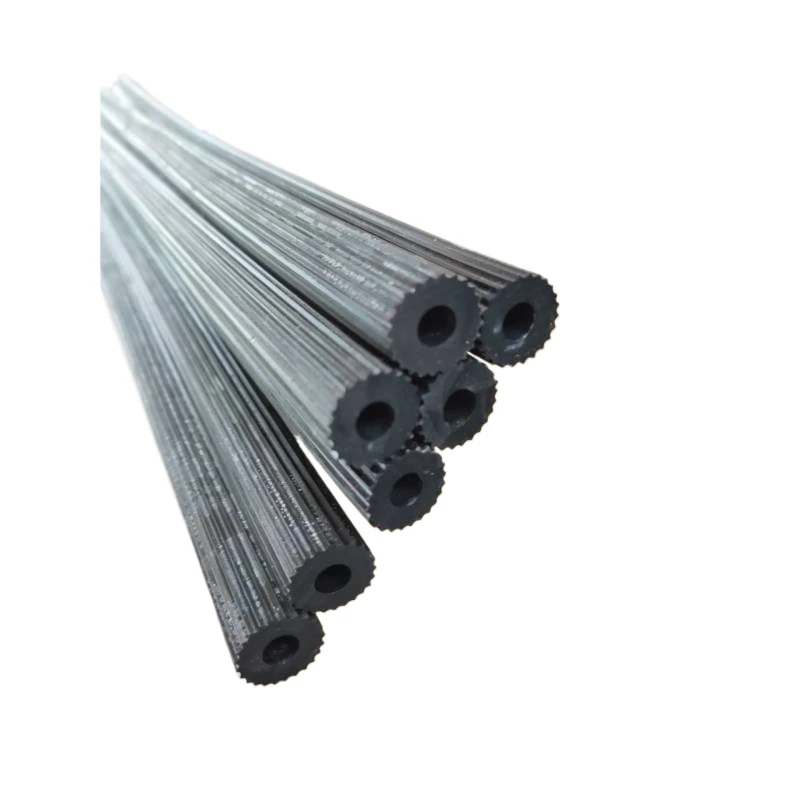
Put simply, black corrugated plastic pipe is a flexible, ribbed tubing made primarily from high-density polyethylene (HDPE). The “corrugated” design means it has a repetitive wavy exterior that lends strength without adding a ton of weight. This design helps it resist crushing forces underground, while still bending to accommodate terrain contours. Industries ranging from construction to humanitarian aid use them for quick, effective drainage and conduit applications.
In modern industry, these pipes stand as a cost-efficient alternative to rigid metal or concrete pipes. Humanitarian efforts, for example, employ them in disaster zones because they’re lightweight and easy to ship and install.
Core Factors that Define Black Corrugated Plastic Pipe
Durability
One thing engineers often praise is the pipe’s resistance to chemical corrosion, UV exposure, and physical impact. Unlike metal pipes, these won’t rust or degrade rapidly in harsh soils.
Flexibility
This pipe bends, often to a radius of several feet, which helps it conform to uneven ground or curved burial trenches without cracking.
Cost Efficiency
Compared to traditional materials like concrete or PVC, these pipes offer considerable savings both in raw cost and labor due to ease of handling.
Lightweight
Given their plastic nature and corrugated form, they’re far lighter to transport and install, which reduces logistical complexity especially in remote or disaster-affected areas.
Scalability
The pipes come in various diameters, lengths, and rigidity classes to suit everything from small household drainage to large municipal stormwater systems.
Typical Specifications of Black Corrugated Plastic Pipes
| Attribute | Specification |
|---|---|
| Material | High-Density Polyethylene (HDPE) |
| Diameter Range | 50 mm to 1200 mm |
| Length | Typically 6 to 12 meters per segment |
| Wall Type | Single wall or double wall corrugated |
| Temperature Range | -40°C to 60°C |
| Standards | ISO 9969, ASTM F405, EN 13476 |
Where Are These Pipes Used Across The Globe?
- Urban Drainage Systems: Cities in Europe and North America use black corrugated pipes extensively for stormwater management.
- Agriculture: In places like Australia and India, they serve in irrigation networks thanks to their flexibility and corrosion resistance.
- Disaster Relief: NGOs dispatch these lightweight pipes quickly to flood-prone regions in Southeast Asia, enabling fast drainage restoration.
- Industrial Sites: Petrochemical plants and construction zones worldwide employ them for conduit and wastewater applications.
For smaller projects, black corrugated plastic pipe can even be handy for DIY home drainage or garden irrigation.
Long-Term Advantages of Using Black Corrugated Plastic Pipes
Cost savings over metal pipes are often the first appeal. But digging deeper, their environmental footprint is also lower because HDPE can be recycled. Engineering teams I know appreciate how the pipes’ performance reduces maintenance calls and unexpected failures—which frankly can be quite costly in infrastructure.
There’s also the human angle. Consider a flood-stricken village where these pipes restore drainage quickly: they contribute to health, safety, and dignity by preventing standing water and contamination. It’s not just about pipes—it’s about lives.
Future Trends & Innovations
Innovation doesn’t stop at the pipe’s shape or material. Experts foresee integration with smart sensors to monitor flow, detect leaks, or alert in real-time. Meanwhile, manufacturers experiment with eco-friendly additives and bio-based HDPE to further reduce environmental impact.
On a regulatory front, ISO and ASTM committees are tightening standards, encouraging higher recyclability and longer service life, aligning with green infrastructure initiatives.
Challenges & Practical Solutions
One challenge is limited temperature tolerance—that means these pipes aren’t suited for extremely hot or industrial chemical applications. Also, installation quality affects longevity—poorly compacted soil or improper bedding can damage even the toughest pipe.
Educating installers and using advanced fittings can mitigate many issues. Also, combining black corrugated plastic pipes with geotextile fabric prevents sediment ingress, extending lifespan significantly.
FAQ: Frequently Asked Questions About Black Corrugated Plastic Pipe
- What are the main differences between single wall and double wall corrugated plastic pipes?
- Single wall pipes are lighter and more flexible but less resistant to pressure, making them suitable for low-load applications like residential drainage. Double wall pipes have a smooth interior for better flow and stronger walls, ideal for heavy-duty municipal projects.
- How long can black corrugated plastic pipe last underground?
- With proper installation and soil conditions, HDPE pipes can last anywhere from 50 to 100 years, though this depends on factors like UV exposure and chemical contact.
- Is black corrugated plastic pipe safe for potable water?
- While HDPE is generally food and water-safe, these corrugated pipes are primarily designed for drainage or conduit, not direct potable water supply without specific certification.
- Can these pipes be recycled after their service life?
- Yes, HDPE is one of the most recyclable plastics. Recycling programs vary, but scrap pipes are commonly processed into new industrial products.
- How do I select the right diameter for my project?
- Consult project flow rates and soil conditions; engineers factor expected water volume, velocity, and allowable head loss. Manufacturers often provide sizing charts aligned with standards like EN 13476.
Black Corrugated Plastic Pipe Vendor Comparison
| Vendor | Price Range (USD/m) | Max Diameter (mm) | Certifications | Availability |
|---|---|---|---|---|
| Fygasket Inc. | $1.50 - $5.00 | 1200 | ISO 9969, ASTM F405 | Global |
| PolyFlow Ltd. | $1.75 - $5.50 | 1000 | EN 13476, ISO 9001 | EMEA |
| DrainTech Solutions | $1.60 - $5.20 | 800 | ASTM F405, NSF 61 | North America |
Mini Takeaway: Black corrugated plastic pipe manages to blend engineering resilience with practical flexibility, serving as a foundation for countless infrastructure and humanitarian projects globally.
In Conclusion: The Long-Term Value of Black Corrugated Plastic Pipe
As our world gets more complex, and water management challenges grow even more acute, the black corrugated plastic pipe emerges as a quiet hero—economical, adaptable, and green-minded. Whether you’re an engineer planning the next smart city drainage system or an NGO working in flood recovery, these pipes offer stability and reassurance. For anyone looking to learn more or source quality products, I encourage you to visit our website and explore what’s available. There’s a lot more beneath the surface of these ridged tubes than meets the eye.
References
-
Guide to Choosing a High Quality Stainless Steel Pipe CapNewsApr.16,2026
-
Premium Durable Aluminum Post Caps 4x4 for Outdoor StructuresNewsApr.09,2026
-
Comprehensive Guide to Choosing the Right Sheet Metal Chimney Cap for Your HomeNewsApr.07,2026
-
Comprehensive Guide to Metal Pipe Caps Types Materials and ApplicationsNewsApr.04,2026
-
Comprehensive Guide to Metal Tube Caps for Industrial ApplicationsNewsMar.31,2026
-
Comprehensive Guide to Durable Galvanised Steel Capping SolutionsNewsMar.28,2026
-
Comprehensive Guide to Selecting the Right End Caps for Metal Tubing ApplicationsNewsMar.26,2026


- Mob: +86 0312-2911666/+86 0312-2911318
- Fax: 0312-2911511
- Email: rubber@hbfengye.com/
- Add: No. 228 North Street, Gaobeidian City, Hebei Province


