



10 Corrugated Plastic Pipe: Uses, Advantages & Industry Insights
Understanding 10 Corrugated Plastic Pipe: A Modern Essential
At first glance, the phrase 10 corrugated plastic pipe might sound a bit technical or niche—but it’s actually an incredibly important component in modern infrastructure and industrial projects worldwide. These pipes, typically 10 inches in diameter, are engineered with ridges or “corrugations” that provide strength and flexibility. This design enables them to handle heavy loads and adapt to challenging terrains, which is why they’re widely used from rural farming irrigation to urban stormwater management.
Globally, the demand for versatile, cost-effective piping solutions is growing fast. According to the International Standards Organization (ISO), plastic piping systems are expected to see an annual growth rate approaching 6% over the next decade. That’s partly because corrugated plastic pipes are lighter, easier to install, and more durable compared to traditional metal or concrete alternatives — qualities especially valued in disaster-prone regions or developing countries where infrastructure needs to be rapid yet reliable.
So why bother understanding this pipe?
Well, if you care about sustainable infrastructure, civil engineering advancements, or humanitarian aid logistics, then the humble 10 corrugated plastic pipe represents a quiet revolution. It’s part of the puzzle solving issues like flooding, water waste, and even safe potable water delivery. Knowing more about it equips engineers, planners, and policy-makers to make smarter choices with long-term impact.
Definition & Meaning: What Is a 10 Corrugated Plastic Pipe?
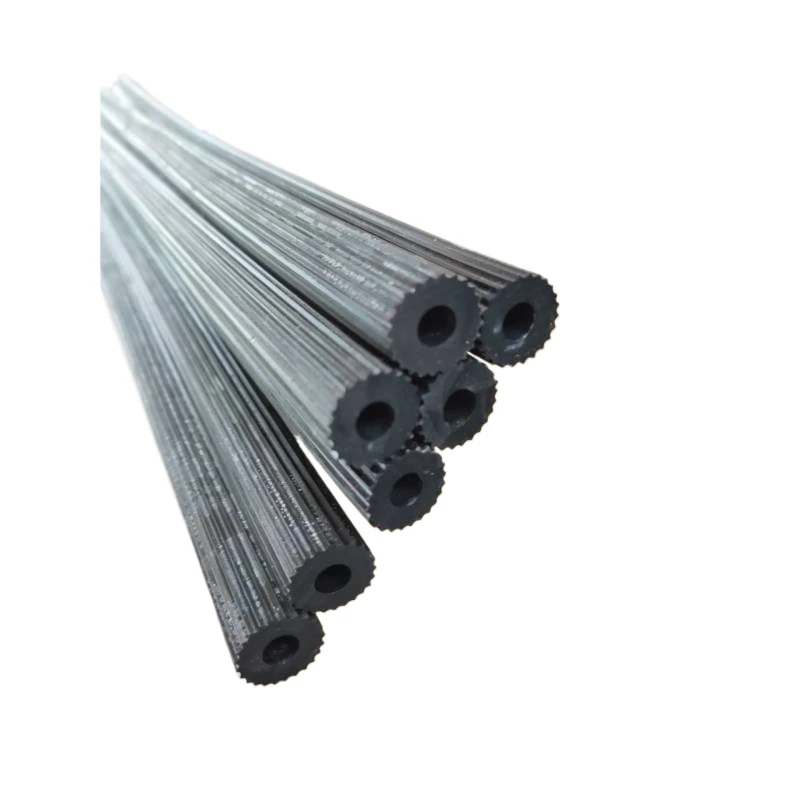
Simply put, a 10 corrugated plastic pipe is a type of plastic pipe approximately 10 inches in diameter, featuring a series of ridges along its length that provide structural integrity. Its corrugations act like external ribs, letting the pipe withstand compressive forces from soil or traffic above while remaining flexible enough to avoid cracking or damage when the ground shifts.
Constructed commonly from high-density polyethylene (HDPE), these pipes have become a staple in modern industry. Their connection to humanitarian needs can’t be overstated — in emergency water drainage, sanitation setups in refugee camps, or rapid rebuilding after floods, these pipes are often lifesavers.
Key Factors Behind 10 Corrugated Plastic Pipe Performance
Durability
Thanks to HDPE material, these pipes resist corrosion, chemical damage, and UV exposure far better than metal pipes. That makes them last decades underground with minimal maintenance.
Flexibility
The corrugation gives a surprising amount of flexibility, enabling pipes to adapt to uneven terrain or seismic movement without losing integrity.
Cost Efficiency
Compared to concrete or steel pipes, both production and transportation costs are lower due to their lighter weight, and installation is quicker with less labor involved.
Environmental Impact
HDPE is recyclable, and many manufacturers now emphasize sustainable sourcing. Plus, their longevity means fewer replacements and waste over time.
Scalability
Available in a range of diameters and lengths, 10-inch pipes fit mid-range project needs nicely, serving everything from drainage lines to culverts.
In Real Terms: A Typical 10 Corrugated Plastic Pipe Specification
| Specification | Value |
|---|---|
| Outer Diameter | 10 inches (250 mm) |
| Material | High-Density Polyethylene (HDPE) |
| Wall Thickness | 2.0 – 4.0 mm (varies by class) |
| Standard Length | 12 feet (3.66 meters) |
| Operating Temperature Range | -40°C to +60°C (-40°F to 140°F) |
| Max Load Capacity | Up to 400 kPa (varies by installation) |
Mini Takeaway:
If you’re dealing with medium-scale drainage or water movement projects, grabbing the right class and specs of 10 corrugated plastic pipe is crucial. It’s not just plastic tubing — it’s engineered infrastructure.
Global Applications & Real-World Use Cases
In many ways, these pipes are unsung heroes around the world. Here are some major arenas where 10 corrugated plastic pipes shine:
- Urban Drainage Systems: Cities prone to heavy rains — think Mumbai, Houston, or Lagos — rely on these pipes to channel stormwater safely underground, preventing floods.
- Rural Agriculture Irrigation: Lightweight and easy to lay, they’re used extensively in irrigation networks across Southeast Asia and Africa, supporting sustainable farming.
- Disaster Relief & Temporary Infrastructure: In the aftermath of hurricanes or floods, rapid deployment of drainage and sanitation facilities often uses corrugated plastic pipes due to ease of transport and setup.
- Industrial Uses: Mining and construction sites utilize these pipes for dewatering and drainage, especially in rugged landscapes.
Oddly enough, I came across a NGO report just last year where these pipes were instrumental in restoring sanitation systems in a flood-hit region of Bangladesh. Reliable and quick to install, they helped thousands regain access to clean water.
Vendor Comparison: Quality and Features
| Vendor/Brand | Material Grade | Compliance Standards | Max Pressure Rating | Warranty | Price Range (per ft) |
|---|---|---|---|---|---|
| PolyFlow | HDPE PE4710 | ISO 9001, ASTM F2648 | 400 kPa | 10 years | $15 - $22 |
| ClearDrain | HDPE PE3408 | ASTM D3350 | 350 kPa | 7 years | $12 - $18 |
| GreenPipe Systems | Recycled HDPE Blend | ISO 14001, ASTM F2306 | 330 kPa | 5 years | $10 - $16 |
Mini takeaway: Different vendors address various market needs, from premium-grade durability to cost-conscious eco blends. Your project’s specifications matter — so shop accordingly.
Advantages & Long-Term Value of 10 Corrugated Plastic Pipe
- Economic Savings: Lower installation costs and fewer repairs translate to real budget relief over time.
- Sustainability: Recyclable materials and longer lifespans reduce environmental burdens.
- Social Impact: Reliable infrastructure empowers communities by providing safer sanitation and flood mitigation.
- Safety and Trust: Proven performance lends engineers and planners confidence in critical projects.
It’s impressive how a relatively simple product can bring together these logical benefits and emotional assurances. You almost feel the pipes bear a kind of quiet responsibility beneath the ground.
Future Trends & Innovations in Corrugated Plastic Pipes
Looking ahead, innovations include:
- Smart Pipes: Embedded sensors to monitor flow rates and detect leaks remotely.
- Bio-based Materials: Moving beyond traditional HDPE to biodegradable or bio-composite blends.
- Enhanced UV and Chemical Resistance: New additives to improve lifespan in exposed installations.
- Automation in Manufacturing: Robotics for precision and speedy production lines.
These developments make it clear that the humble 10 corrugated plastic pipe is evolving into a smarter, greener, and more adaptable piece of infrastructure tech.
Challenges & Practical Solutions
That said, challenges persist:
- Improper Installation: Pipes can fail if not bedded correctly or if specs mismatch ground conditions.
- Limited Temperature Range: Extreme cold can make plastic brittle, requiring material adjustments.
- Environmental Concerns: Despite recyclability, plastic waste management remains critical.
Experts often recommend detailed site analysis before pipe selection and emphasize the value of trained installers. Furthermore, advances in material science are gradually mitigating temperature and strength issues.
FAQ: Common Questions About 10 Corrugated Plastic Pipe
- Q: What is the typical lifespan of a 10 corrugated plastic pipe in underground installations?
- A: Generally, with proper installation and usage, these pipes last 50 years or more. Factors like soil chemistry and loading conditions do influence longevity.
- Q: Are these pipes safe for potable water applications?
- A: HDPE pipes used in potable water must meet strict NSF/ANSI standards to ensure they do not leach harmful chemicals. Always verify certification before use in drinking water systems.
- Q: How do corrugated pipes compare to smooth-wall pipes?
- A: Corrugated pipes offer greater flexibility and strength under load but may have higher friction losses affecting flow. Smooth pipes excel in applications requiring minimal resistance.
- Q: Can I use 10 corrugated pipes for sewer systems?
- A: Yes, they are commonly used for sewer drains due to their chemical resistance and ease of installation. However, follow local standards to ensure suitability.
- Q: Where can I find suppliers of high-quality 10 corrugated plastic pipes?
- A: Reputable vendors comply with international standards like ISO and ASTM. Consider brands like PolyFlow or GreenPipe Systems. For more varieties, visit 10 corrugated plastic pipe suppliers.
Wrapping Up: Why 10 Corrugated Plastic Pipes Matter
Whether for urban infrastructure, remote irrigation, or urgent disaster response, the 10 corrugated plastic pipe holds a pivotal role. It’s cost-efficient, durable, and increasingly sustainable—a real cornerstone of modern engineering. If your project involves water transport or drainage, these pipes are worth a serious look.
For deeper insights and product options, visit our website and explore comprehensive solutions tailored to your needs.
Sometimes it’s the unassuming materials beneath our feet that make the greatest impact — sort of reminds you to look closer, doesn’t it?
References
-
Guide to Choosing a High Quality Stainless Steel Pipe CapNewsApr.16,2026
-
Premium Durable Aluminum Post Caps 4x4 for Outdoor StructuresNewsApr.09,2026
-
Comprehensive Guide to Choosing the Right Sheet Metal Chimney Cap for Your HomeNewsApr.07,2026
-
Comprehensive Guide to Metal Pipe Caps Types Materials and ApplicationsNewsApr.04,2026
-
Comprehensive Guide to Metal Tube Caps for Industrial ApplicationsNewsMar.31,2026
-
Comprehensive Guide to Durable Galvanised Steel Capping SolutionsNewsMar.28,2026
-
Comprehensive Guide to Selecting the Right End Caps for Metal Tubing ApplicationsNewsMar.26,2026


- Mob: +86 0312-2911666/+86 0312-2911318
- Fax: 0312-2911511
- Email: rubber@hbfengye.com/
- Add: No. 228 North Street, Gaobeidian City, Hebei Province


