


1 2 Inch Corrugated Plastic Tubing: Durable, Flexible & Cost-Effective Solutions for Industry and Relief Projects
Understanding 1 2 Inch Corrugated Plastic Tubing: A Small Component with Big Impact
Have you ever paused to consider how something as simple as 1 2 inch corrugated plastic tubing quietly powers so many facets of our infrastructure? Oddly enough, it’s one of those unsung heroes in plumbing, electrical wiring, and even humanitarian relief projects. While it sounds technical (and it is), understanding this tubing and its global significance can reveal a lot about sustainability, cost efficiency, and modern engineering challenges.
Brief Overview: What & Why It Matters
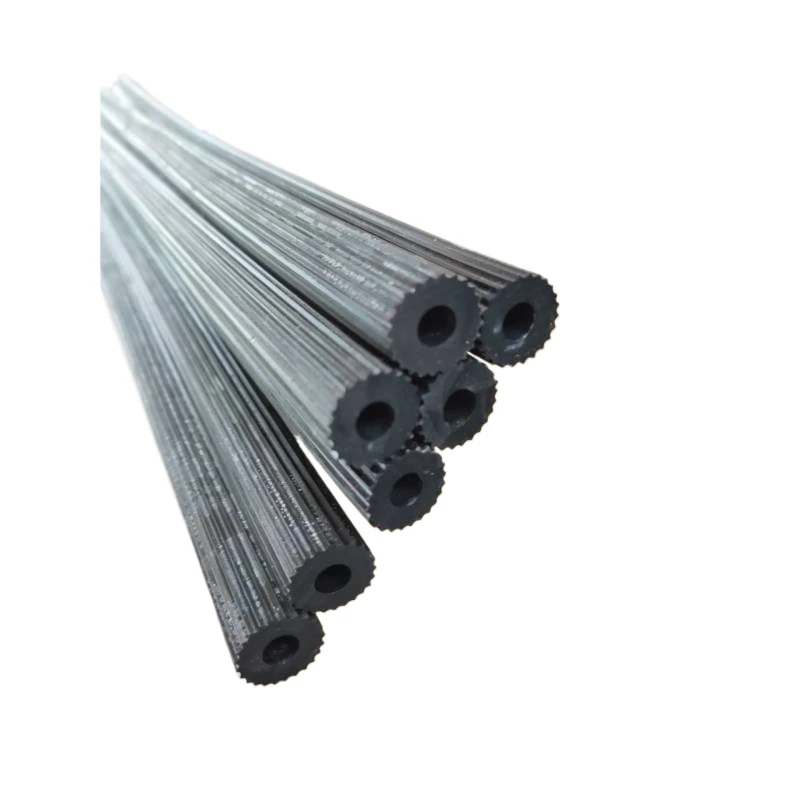
In essence, 1 2 inch corrugated plastic tubing is a flexible hose designed with ridges (corrugations) to allow bending without kinking. It’s commonly used to protect wires or transport fluids in confined spaces. Sounds simple enough, but globally, its importance spans from remote industrial zones to disaster relief, where rapid deployment and durability are crucial. Learning how this tubing works and why it’s gaining widespread use helps businesses, NGOs, and engineers make smarter, cost-effective choices.
Mini takeaway: This tubing’s unique structure makes it essential in evolving industries and challenging environments, proving that small components can have outsized value.
Global Context: Why 1 2 Inch Corrugated Plastic Tubing Is Everywhere
According to the International Organization for Standardization (ISO), flexible conduits like corrugated tubing form a vital part of industrial safety and wiring standards worldwide [1]. The World Bank reports that infrastructure investments in developing regions often leverage flexible and affordable materials to overcome logistic and climatic hurdles [2].
Challenges like rapid urbanization, frequent natural disasters, and the need for sustainable materials have positioned this tubing as a practical solution for protecting electrical and fluid transport systems globally.
What Exactly Is 1 2 Inch Corrugated Plastic Tubing?
At its core, the tubing measures roughly half an inch in internal diameter (sometimes rounded as 1/2 inch), made from plastic like HDPE or polypropylene. The corrugated design means it has a series of parallel ridges and grooves, allowing it to bend flexibly without crushing. These features make it an ideal conduit for routing cables, pneumatic lines, or water supply in tight or irregular spaces, especially in places where rigid pipes could snap or kink.
It’s also widely used in both industrial sectors and humanitarian operations—for example, to protect wiring in transportation equipment or to distribute clean water urgently in emergency relief contexts.
Core Features of 1 2 Inch Corrugated Plastic Tubing
1. Durability
This tubing resists crushing, abrasion, and even UV damage depending on the polymer used. It holds up well in extreme temperatures, making it dependable in various climates.
2. Flexibility
Thanks to the ridged structure, it bends easily around corners without kinking or damaging connected equipment. This flexibility simplifies installation and maintenance.
3. Cost Efficiency
Compared to metal conduits or rigid pipes, corrugated plastic tubing is lighter, cheaper to transport, and often available in bulk, minimizing operational costs.
4. Chemical and Water Resistance
Many versions withstand exposure to oils, solvents, and water, making them ideal for plumbing and industrial fluid transport.
5. Scalability & Modularity
Since these tubes come in standard diameters and lengths, system designers easily scale projects by connecting multiple runs or integrating with various fittings.
Mini takeaway: These key features combine for tubing that’s strong, adaptable, and budget-friendly—qualities that engineers value in fast-changing environments.
Applications Around the World: Where and How This Tubing Shines
- Electrical Wiring Protection: Used in building construction and factories to shield electrical cables from moisture and mechanical damage.
- Water Distribution: In agriculture and remote communities, it routes water efficiently without costly infrastructure.
- Disaster Relief: Agencies use this tubing to quickly set up water or power supply lines after storms, earthquakes, or floods—where rigid solutions slow response.
- Industrial Machinery: Protects pneumatic lines and wiring that need constant movement or vibration resistance.
For example, in Pacific Island disaster zones, NGOs have deployed flexible, lightweight 1 2 inch corrugated plastic tubing to set up temporary water lines when roads are inaccessible. Similarly, emerging industrial hubs in Southeast Asia use this tubing extensively for rapid electrical installations.
Spec Sheet: Typical 1 2 Inch Corrugated Plastic Tubing
| Specification | Details |
|---|---|
| Inner Diameter | 0.5 inch (12.7 mm) |
| Outer Diameter | 0.65–0.7 inch (16.5–17.8 mm) |
| Material | HDPE, polypropylene, or PVC |
| Temperature Range | -40°F to 140°F (-40°C to 60°C) |
| UV Resistance | Yes, if UV-stabilized |
| Typical Lengths | 25 ft, 50 ft, custom cuts |
Vendor Comparison: Choosing the Right Supplier
| Feature | Vendor A | Vendor B | Vendor C |
|---|---|---|---|
| Material Quality | HDPE, UV Stabilized | Polypropylene, High Flex | PVC, Budget Option |
| Pricing (per 50 ft) | $45 | $50 | $30 |
| Lead Time | 3 days | 1 week | 2 days |
| Customization Options | Color, Length Cuts | Diameter Variants | Length Only |
| Warranty | 5 years | 3 years | 1 year |
Advantages & Long-Term Value of This Tubing
Combining durability and adaptability with affordable pricing, 1 2 inch corrugated plastic tubing offers real-world benefits:
- Cost savings: lightweight and easy to transport, reducing freight and labor costs.
- Sustainability: some materials used can be recycled, and product longevity reduces replacements.
- Safety & reliability: protecting cables and fluids lowers failure risks, improving human safety.
- Innovation: flexible design supports new engineering solutions, especially in dynamic environments.
Oddly enough, these tubes often bring peace of mind in humanitarian projects where time and reliability are critical.
Future Trends & Innovations To Watch
Looking ahead, manufacturers are exploring bio-based plastics for tubing to reduce environmental impact. Advances in nanotechnology might improve UV and chemical resistance even further. There’s also growing interest in smart tubing embedded with sensors that monitor flow or detect damages remotely, aligning with the rise of IoT-enabled infrastructure. Automation in cutting and fitting tubing promises cost reductions and better customization.
Challenges & Expert Solutions
Of course, no product is perfect. The main issues with 1 2 inch corrugated plastic tubing involve:
- Material degradation: non-UV stabilized plastics can crack under prolonged sun exposure.
- Load limits: excessive mechanical strain or crush pressure may deform the tubing.
- Chemical compatibility: some industrial fluids can degrade less-resistant plastics.
Experts recommend choosing the correct polymer type per application and shielding exposed tubing with external conduits or coverings where needed. It also helps to conduct routine inspections, especially in critical infrastructure.
FAQs About 1 2 Inch Corrugated Plastic Tubing
- Q: Is 1 2 inch corrugated plastic tubing suitable for outdoor electrical wiring?
- A: Yes, provided that the tubing is UV-stabilized and rated for outdoor use. It protects cables from moisture, dust, and mechanical damage.
- Q: How flexible is this tubing compared to rigid PVC pipes?
- A: It bends easily around corners without kinking, unlike rigid pipes. That reduces installation time in confined or complex layouts.
- Q: Can this tubing handle hot water for plumbing?
- A: It depends on the polymer and temperature rating. HDPE tubing typically handles temps up to 140°F (60°C), so it works for many standard applications.
- Q: Where can I purchase bulk lengths or customized sizes?
- A: Many industrial suppliers offer bulk orders and custom cuts. For trusted options, visit 1 2 inch corrugated plastic tubing suppliers for quality products and varying options.
Conclusion & Call to Action
So, next time you encounter wiring or fluid lines in buildings, industrial machines, or relief setups, remember the humble yet vital role of 1 2 inch corrugated plastic tubing. Its flexibility, durability, and affordability make complex projects feasible and efficient worldwide. For those seeking reliable tubing solutions, don’t hesitate to explore products and expert advice at https://www.fygasketfactory.com. There’s plenty to gain from understanding and using this versatile tubing.
Mini takeaway: When small parts are engineered thoughtfully, they empower greater innovations — a lasting lesson from this tubing’s journey.
References
-
Guide to Choosing a High Quality Stainless Steel Pipe CapNewsApr.16,2026
-
Premium Durable Aluminum Post Caps 4x4 for Outdoor StructuresNewsApr.09,2026
-
Comprehensive Guide to Choosing the Right Sheet Metal Chimney Cap for Your HomeNewsApr.07,2026
-
Comprehensive Guide to Metal Pipe Caps Types Materials and ApplicationsNewsApr.04,2026
-
Comprehensive Guide to Metal Tube Caps for Industrial ApplicationsNewsMar.31,2026
-
Comprehensive Guide to Durable Galvanised Steel Capping SolutionsNewsMar.28,2026
-
Comprehensive Guide to Selecting the Right End Caps for Metal Tubing ApplicationsNewsMar.26,2026


- Mob: +86 0312-2911666/+86 0312-2911318
- Fax: 0312-2911511
- Email: rubber@hbfengye.com/
- Add: No. 228 North Street, Gaobeidian City, Hebei Province


