

Selecting the right pvc fittings manufacturers is a critical decision for engineering projects where fluid transport and structural integrity are paramount. In the broader context of the plastics and rubber industry, PVC components serve as the backbone for irrigation, chemical processing, and construction, requiring high precision to prevent systemic failures and leaks.
Procurement managers often struggle with the trade-off between standardized off-the-shelf components and the need for custom-shaped sealing solutions. The primary challenge lies in finding a partner capable of delivering tight tolerances and material durability that can withstand extreme temperatures or chemical exposure without degrading over time.
This analysis provides a professional framework for evaluating manufacturer capabilities, examining technical selection criteria, and outlining a decision-making process to ensure operational reliability and long-term cost-efficiency in plastic piping systems.

Evaluating Core Manufacturing Capabilities

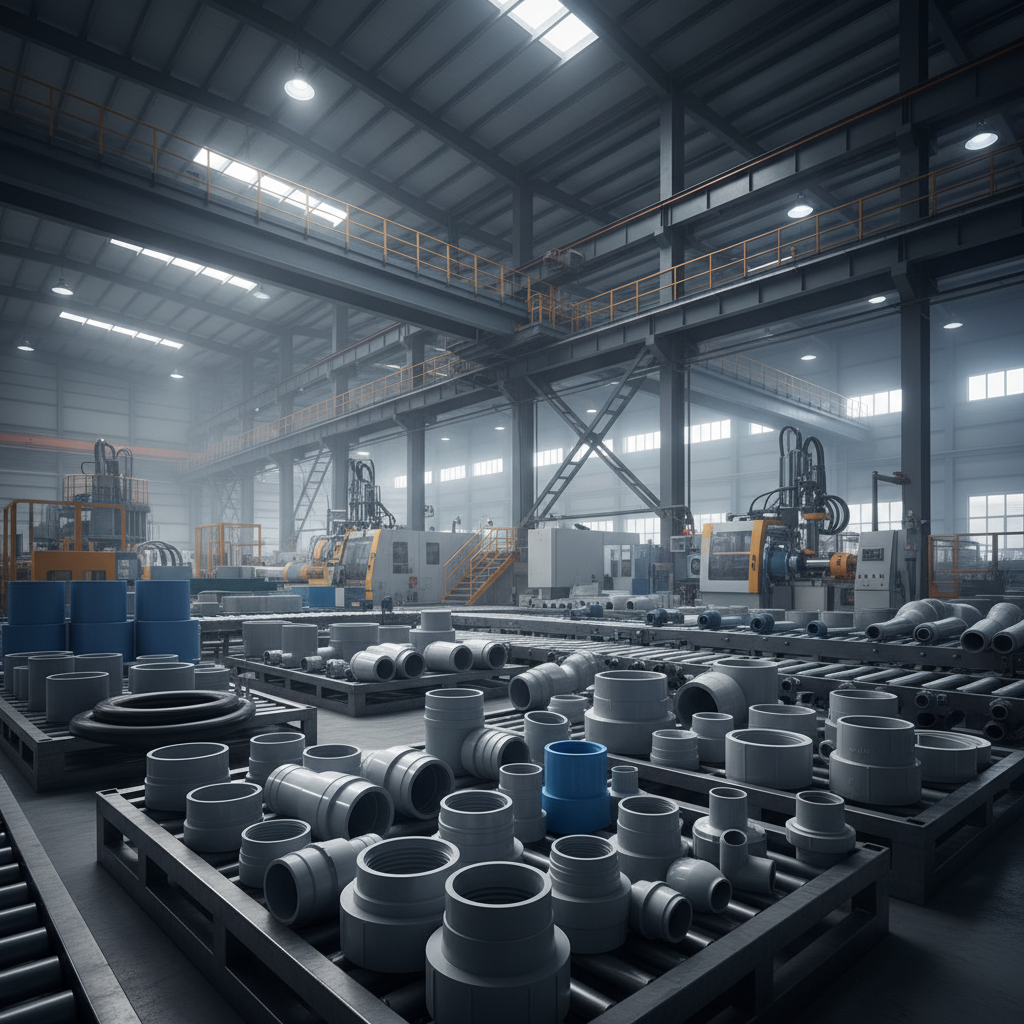
When vetting pvc fittings manufacturers, the focus should shift from basic production volume to the sophistication of their R&D and quality control systems. A capable manufacturer integrates the design of tools and the research of mixed formulations to ensure that the resulting plastic parts meet the specific mechanical stresses of the intended environment.
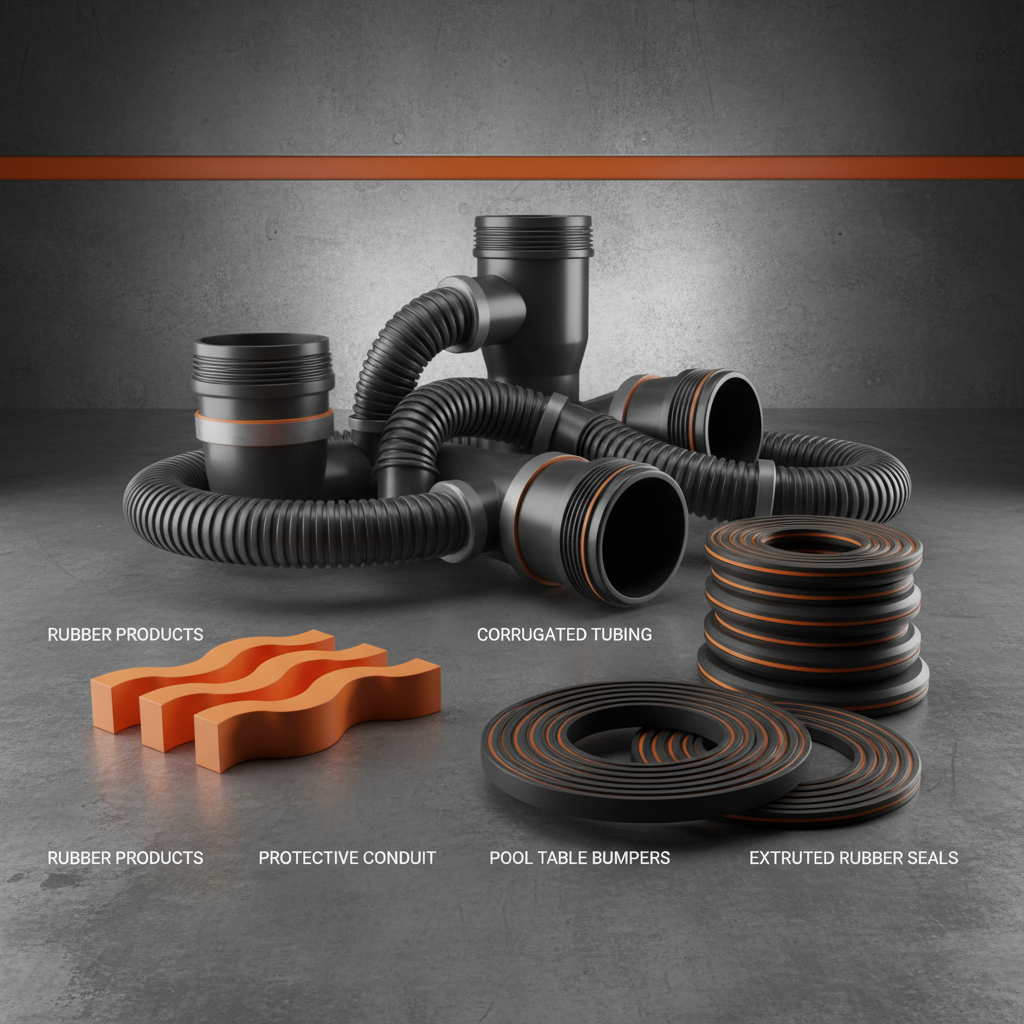
For instance, GaoBeiDianShi Fengye Rubber Seals Co., Ltd. leverages its experience in both rubber and plastic parts production to offer integrated sealing solutions. This dual expertise is vital because most PVC fitting failures occur at the interface between the rigid fitting and the sealing gasket, making a supplier with expertise in both materials a strategic advantage.
Technical Specifications for High-Performance Fittings
Performance in plastic fittings is defined by dimensional accuracy and material homogeneity. High-quality manufacturers employ advanced testing technologies to ensure that each batch maintains integrity regardless of exposure to mechanical stress or temperature fluctuations. This is particularly critical in aerospace or medical equipment where a single micron of deviation can lead to system failure.
Beyond the raw PVC material, the integration of shaped gaskets is often required to achieve an airtight seal. These custom gaskets protect components from moisture and dust, which extends the operational life of the surrounding machinery and reduces the frequency of maintenance shutdowns.
Application-Specific Material Selection
Different industrial sectors demand different material properties from their PVC components. In electronic communications and electrical equipment, the focus is on insulation and environmental protection. Conversely, in agricultural machinery or automotive applications, the priority is resistance to oils, chemicals, and outdoor weathering.
The use of tailor-made solutions allows engineers to specify a shape, size, or specialized material compound that fits the unique requirements of their project. This level of customization eliminates the "one-size-fits-all" inefficiency and optimizes the overall throughput of the fluid or air system.
Relative Priority of Procurement Dimensions
When selecting a supplier, procurement teams must weigh various factors. While cost is always a consideration, the relative impact of quality assurance and customization capability often outweighs the initial unit price in high-stakes industrial environments. The following conceptual index illustrates the relative priority of these dimensions during the evaluation process.
This illustrative framework shows that Quality Certification and Customization flexibility are the highest priorities for specialized engineering applications, as they directly correlate with the reduction of long-term operational risks and downtime.
Customization vs. Standardization Logic
Standardized PVC fittings are efficient for general construction but fail in complex machinery applications. Customization allows for the creation of special-shaped sealing gaskets that ensure a perfect fit, thereby increasing the efficiency of the entire system. The logic for choosing customization is driven by the cost of failure; if a leak causes expensive downtime, the investment in custom parts is justified.
A robust customization process involves a collaborative approach where the manufacturer's experts work with the client to define specific material requirements. This ensures that the final product can withstand specific harsh environments, such as extreme chemical exposure or high mechanical stress.
Risk Mitigation in Supplier Sourcing
The greatest risk when engaging pvc fittings manufacturers is the gap between specified tolerances and delivered quality. To mitigate this, buyers should verify the manufacturer's adherence to international standards, such as ISO 9001 or IATF 16949, and ensure the company has a dedicated product testing department.
Another critical risk is the lead time for custom tools. Experienced manufacturers reduce this risk by utilizing advanced production and management technology, ensuring that the transition from R&D to mass production is seamless and documented.
Supplier Decision Framework
To finalize a supplier choice, a qualitative comparison across different manufacturer types is necessary. Whether the project requires high-volume standard parts or low-volume high-precision custom components, the decision should be based on a weighted matrix of capabilities.
| Manufacturer Type | Primary Strength | Best Use Case | Main Consideration |
|---|---|---|---|
| Mass Producer | Low Unit Cost | General Construction | Limited Customization |
| Specialized Custom | High Precision | Medical/Aerospace | Higher Initial Tooling Cost |
| Integrated Rubber/Plastic | Sealing Synergy | Complex Machinery | Production Lead Times |
| Regional Distributor | Fast Delivery | Maintenance/Repair | Lack of Direct Engineering |
| R&D Focused | Material Innovation | Prototype Development | Scalability of Production |
| Certified Industrial | Compliance/Quality | Energy/Railway | Strict Documentation Needs |
Ultimately, the decision depends on the project's priority: if the goal is minimizing initial expenditure, mass producers are ideal. However, for long-term operational success in specialized fields, integrated manufacturers who can provide custom sealing solutions are the superior choice.
Frequently Asked Questions
Evaluate them based on their quality management certifications (like ISO 9001), the presence of an in-house testing department, and their ability to provide material certification for the specific mixed rubber or plastic formulations used.
Customization ensures that fittings and gaskets provide a precise airtight seal, which is essential for protecting electronic components from dust and moisture and preventing leaks in complex mechanical systems.
Depending on the chemical, high-grade PVC combined with specialized rubber gaskets that are formulated for chemical resistance can maintain integrity under stress and extreme temperatures.
Yes, by reducing the risk of leaks and failures, custom fittings decrease maintenance downtime and repair costs, providing a higher long-term ROI compared to generic parts.
Lead times vary based on tool design complexity. Manufacturers with integrated R&D and production workshops can typically accelerate this process through optimized tool design.
Provide precise technical drawings and material specifications to the manufacturer. Requesting a prototype sample for fit-testing is the most reliable way to ensure compatibility.
Conclusion
Selecting from various pvc fittings manufacturers requires a balanced approach that prioritizes technical capability and material expertise over mere cost. By focusing on suppliers who offer integrated customization for both plastic and rubber components, businesses can ensure superior sealing performance, reduced downtime, and increased system longevity across diverse industrial applications.
For organizations requiring high-precision custom sealing and plastic components, detailed product specifications and capabilities can be reviewed at www.fygasketfactory.com to determine the best fit for specific engineering requirements.