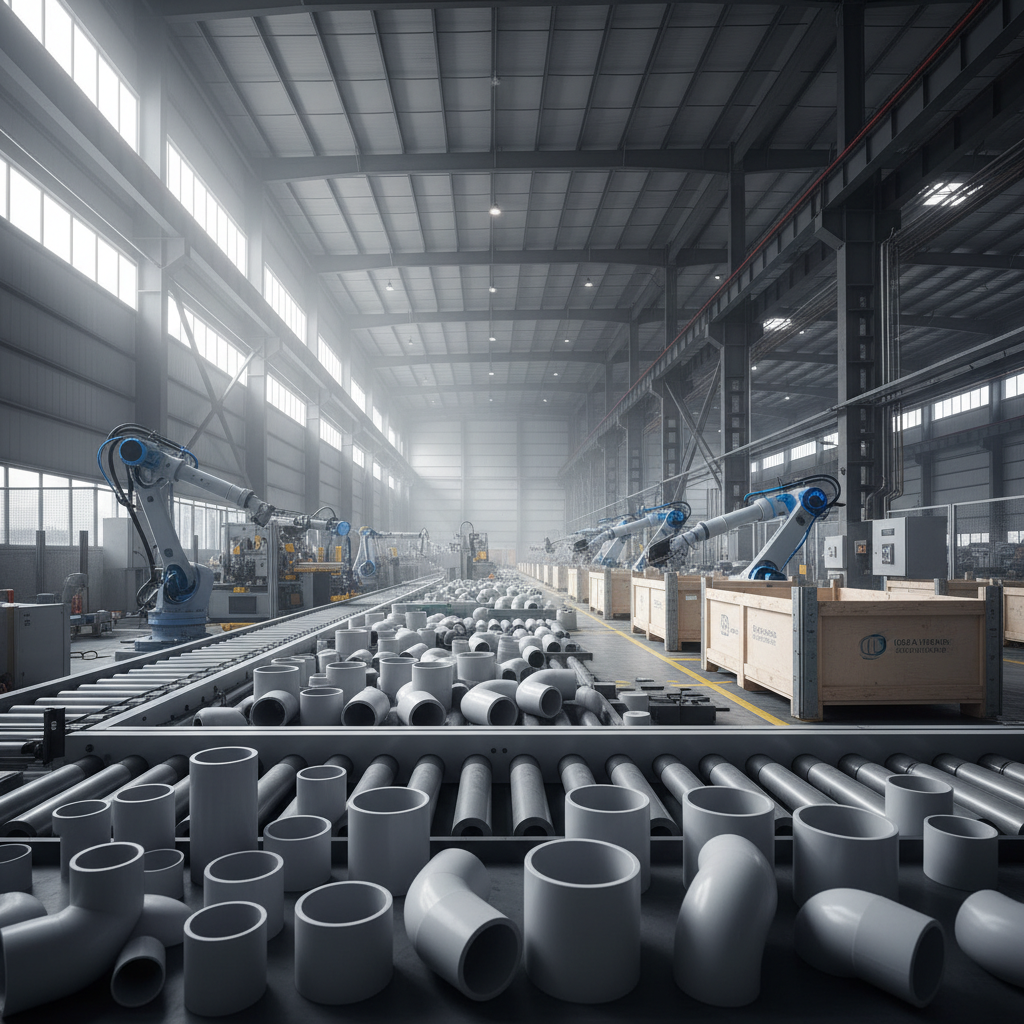
To be honest, this year’s been… hectic. Lots of talk about lightweighting, right? Everyone wants things lighter, stronger, cheaper. Sounds simple, doesn't it? It’s never simple. The whole industry's chasing composite materials, but finding ones that actually hold up on a construction site? That's the trick. I’ve seen too many “revolutionary” polymers crumble under the slightest pressure. It's always a compromise, you know? And everyone's suddenly an expert in injection molding.
Have you noticed everyone’s obsessed with tolerances? Like, down to the micron. I mean, yeah, precision is important, but out on site, things get banged around, get covered in dust, get rained on. A tenth of a millimeter doesn’t matter if the whole thing is misaligned because someone hammered it into place. It's a trap, that’s what it is. A beautifully engineered trap. And don't even get me started on snap-fit designs. They look great in the CAD drawings...
We mostly work with EPDM, neoprene, silicone – the usual suspects. But the grade makes all the difference. The EPDM from one supplier can smell like burnt tires, the next like… well, nothing much at all. And you can tell the quality just by how it feels in your hands. The good stuff is almost velvety. Silicone? Sticky, always sticky. But it's tough. Strangelty, the smell can also give away whether they're skimping on the curing process.
The Current Landscape of Rubber Parts
Honestly, the demand for custom rubber parts is insane right now. Everything’s becoming more specialized, more… bespoke. I encountered this at a factory in Ningbo last time - they were turning down orders because they simply couldn’t find enough skilled mold makers. It's not just about the material anymore; it’s about the tooling. And the lead times are… well, let’s just say you need to plan ahead. A lot ahead.
The pressure's on to be eco-friendly, too, which is good, but it complicates things. Recycled rubber? Often inconsistent. Bio-based alternatives? Expensive. It’s a balancing act.
Design Pitfalls & Common Mistakes
I see the same mistakes over and over. Undercutting without proper draft angles, wall thicknesses that are too thin, forgetting about thermal expansion… Anyway, I think the biggest problem is designers who’ve never actually held a rubber part, let alone tried to assemble something with it. They treat it like metal or plastic – it doesn’t work that way. Rubber has memory. It wants to return to its original shape. You have to work with that, not against it.
And the reliance on finite element analysis (FEA)? Don’t get me wrong, FEA is useful, but it's only as good as the input data. If you don't accurately model the material properties, you’re just generating pretty pictures.
Also, people drastically underestimate the impact of surface finish. A rough surface can create stress concentrations and lead to premature failure. It seems minor, but it's not.
Material Selection & On-Site Handling
Choosing the right material is crucial, obviously. EPDM is fantastic for outdoor applications because of its UV resistance. Neoprene is great for oil and fuel resistance. Silicone can handle extreme temperatures. But it’s more than just the chemical properties. You have to think about how it’s going to be handled on site. Will it be exposed to harsh chemicals? Will it be repeatedly compressed? Will it be stretched or twisted? These are the questions you need to answer.
And handling! People just toss these things around. Sharp edges, direct sunlight… those can all damage the rubber. We always tell our clients to store the parts in a cool, dry place, away from direct sunlight and ozone sources. Ozone is a rubber’s worst enemy, you know. It causes cracking and deterioration. I've seen entire shipments ruined by poor storage.
Don't even get me started on contamination. Dust, dirt, grease… all of that can affect the bond between the rubber and whatever it’s sealing against. It might seem like a small detail, but it can make a huge difference in the long run.
Testing & Real-World Performance
Lab tests are fine, but they don’t tell the whole story. I’ve seen parts pass every test in the book and still fail miserably in the field. You need to simulate real-world conditions as closely as possible. That means subjecting the parts to vibration, shock, temperature cycling, and exposure to harsh chemicals.
We do a lot of burst testing, of course, but we also do long-term compression set testing. That tells you how well the rubber will maintain its seal over time. Strangely, the compression set data is often ignored but it’s incredibly important, especially for critical applications.
Rubber Parts Performance Metrics
User Application & Unexpected Uses
You’d be surprised how people actually use these things. I had one customer using our rubber gaskets to dampen the vibration on a fish farm! Apparently, the noise was stressing the fish. Who knew? Another one was using our silicone seals to create custom molds for resin casting. It’s always something unexpected.
And they always try to modify them, cut them, stretch them… They don't realize they're changing the material properties. It’s like trying to fit a square peg in a round hole, but with rubber.
Advantages, Disadvantages & Customization
The biggest advantage, obviously, is versatility. You can mold rubber into pretty much any shape you can imagine. It's also excellent at sealing, damping vibration, and absorbing shock. But it’s not perfect. It’s susceptible to ozone, UV, and certain chemicals. And it's not as strong as metal or plastic.
Customization is where we really shine. Last month, that small boss in Shenzhen who makes smart home devices insisted on changing the interface to on a gasket design we’d already finalized – and the result was a three-week delay and a lot of wasted material. He thought it would “future-proof” the product. I tried to explain that the existing micro-USB connector was perfectly adequate, but he wouldn't listen. Ultimately, it didn’t make a difference – the whole product line was discontinued six months later.
A Real-World Case Study
We had a project for a wind turbine manufacturer last year. They were having problems with the seals on their blade pitch bearings. The existing seals were failing prematurely due to the extreme temperatures and harsh weather conditions.
We worked with them to develop a custom seal made from a high-performance fluoroelastomer. It wasn’t cheap, but it solved their problem. They were losing a ton of money on downtime, so the investment was worth it.
The whole process was a headache, don't get me wrong - endless revisions, site visits, and a lot of back-and-forth communication. But seeing those turbines spinning smoothly, knowing we played a part in that… that’s satisfying.
Summary of Material Properties and Application Suitability
| Material Type |
Key Properties |
Typical Applications |
On-Site Handling Notes |
| EPDM |
Excellent weather resistance, good ozone resistance, moderate oil resistance |
Seals, gaskets, roofing membranes, automotive weatherstripping |
Store away from direct sunlight and ozone sources. Avoid prolonged exposure to fuels. |
| Neoprene |
Good oil and fuel resistance, moderate weather resistance, moderate temperature resistance |
Hoses, seals, gaskets, wetsuits, adhesives |
Handle with care to avoid tearing. Protect from UV exposure. |
| Silicone |
Excellent temperature resistance, good flexibility, poor tear strength |
Seals, gaskets, O-rings, medical devices, baking molds |
Avoid contact with sharp objects. Can be sticky to the touch. |
| Viton |
Excellent chemical resistance, excellent temperature resistance, high cost |
Seals, gaskets, O-rings, fuel hoses, chemical processing equipment |
Handle with gloves. Avoid contact with strong acids. |
| Natural Rubber |
High elasticity, good abrasion resistance, poor oil resistance |
Tires, seals, shock absorbers, rubber bands |
Protect from ozone and UV exposure. Avoid contact with oils and fuels. |
| Polyurethane |
High abrasion resistance, high tensile strength, good chemical resistance |
Wheels, rollers, seals, coatings, adhesives |
Can be sensitive to hydrolysis. Avoid prolonged exposure to high humidity. |
FAQS
Honestly? They treat it like a commodity. They just pick the cheapest material and hope for the best. They don't think about the application, the environment, the stresses it will be subjected to. They need to understand that rubber isn't one-size-fits-all. It's a complex material with a lot of variables. Proper specification upfront saves a lot of headaches down the road, trust me.
Crucial. Absolutely crucial. A poorly designed mold will result in flashing, voids, inconsistent dimensions, and a whole host of other problems. Draft angles, gate locations, venting… it all matters. You need a skilled mold maker with experience in rubber molding. Don’t cheap out on the tooling.
It’s getting better, but it’s still challenging. Some rubber can be mechanically ground up and used as crumb rubber in things like playground surfaces. Others can be devulcanized and reprocessed. But the quality of the recycled rubber is often lower than virgin rubber. It's a work in progress, and honestly, a lot of it still ends up in landfills.
Compression molding is generally better for larger parts and lower volumes. It’s simpler and cheaper for tooling. Injection molding is faster and more precise, but it requires a more expensive mold. It’s ideal for high-volume production of complex parts.
Store them in a cool, dry place, away from direct sunlight and electrical equipment (which generates ozone). You can also use a rubber protectant spray. And choose a material that’s inherently resistant to ozone, like EPDM. Avoiding exposure is always the best approach.
Incorrect material selection, improper installation, excessive compression, exposure to incompatible fluids, and degradation due to temperature or UV exposure are all common culprits. Regularly inspect the seals for signs of wear and tear and replace them as needed.
Conclusion
So, what have we learned? Rubber parts aren’t just simple components; they’re a complex interplay of material science, design engineering, and real-world application. Getting it right requires a deep understanding of the materials, the manufacturing processes, and the environment in which they’ll be used. You can’t just spec something out on a computer and expect it to work perfectly.
Ultimately, whether this thing works or not, the worker will know the moment he tightens the screw. That's the bottom line. If it feels right, looks right, and performs right, then you've done your job. And if it doesn't... well, back to the drawing board.