

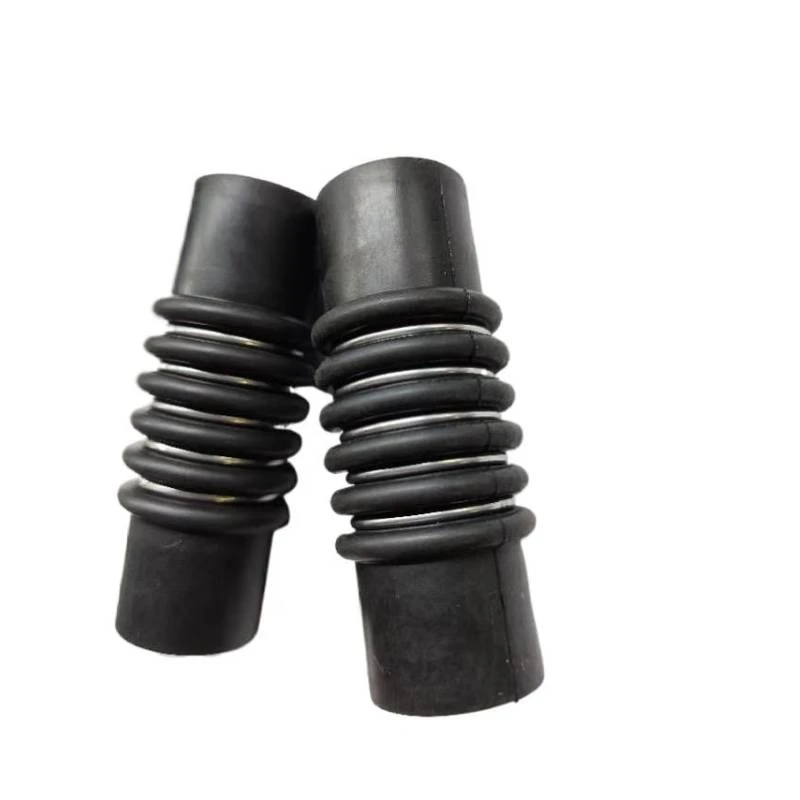
The industrial landscape in Equatorial Guinea is heavily influenced by its oil and gas sector and ongoing infrastructure expansion. In such a high-humidity tropical environment, the degradation of materials is a primary concern. Utilizing high-grade rubber parts is essential to prevent corrosion and leaks in pipelines and machinery, ensuring that critical energy infrastructure remains operational despite extreme weather conditions.
Furthermore, the push for modernized water management and urban development has increased the demand for reliable piping systems. The deployment of high-density hdpe fittings and precision-engineered plastics helps mitigate the risks of soil shift and chemical erosion. Procurement managers in the region increasingly seek components that offer a balance between cost-efficiency and long-term durability to reduce maintenance frequency in remote operational sites.
From an industry perspective, there is a clear shift toward specialized customization. Standard off-the-shelf components often fail to meet the specific pressures and thermal requirements of local energy plants. By focusing on material science and precise tool design, companies can provide sealing solutions that align with international standards such as ISO 9001, ensuring that the industrial growth in Equatorial Guinea is supported by sustainable and safe technical foundations.