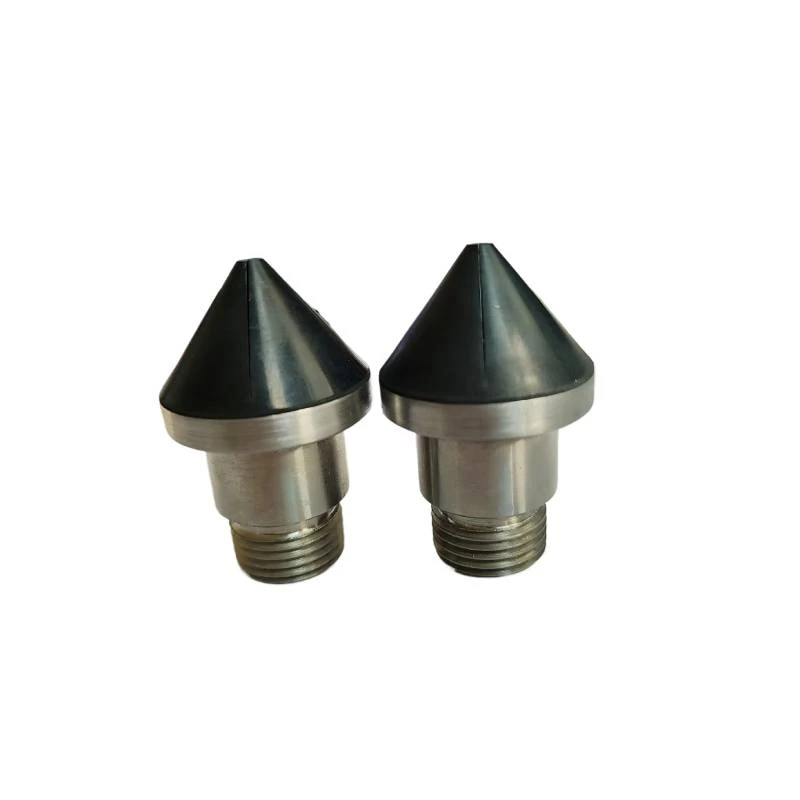
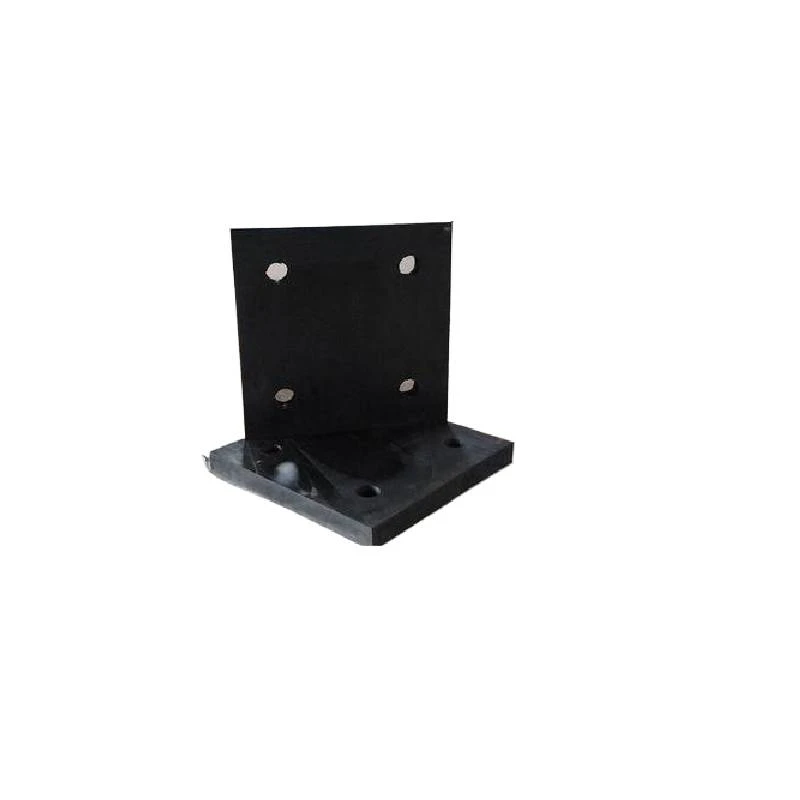
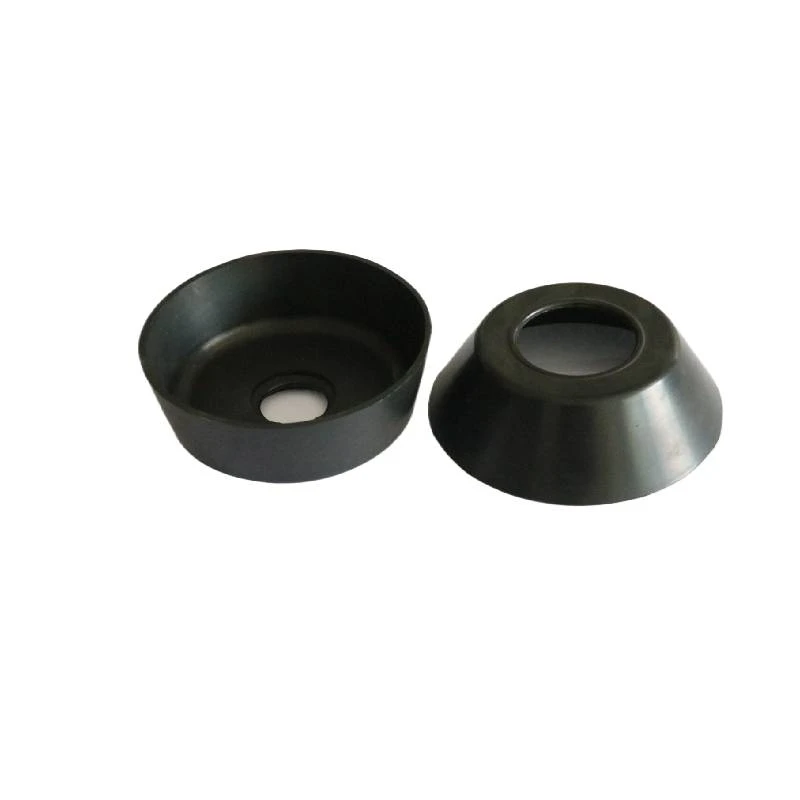
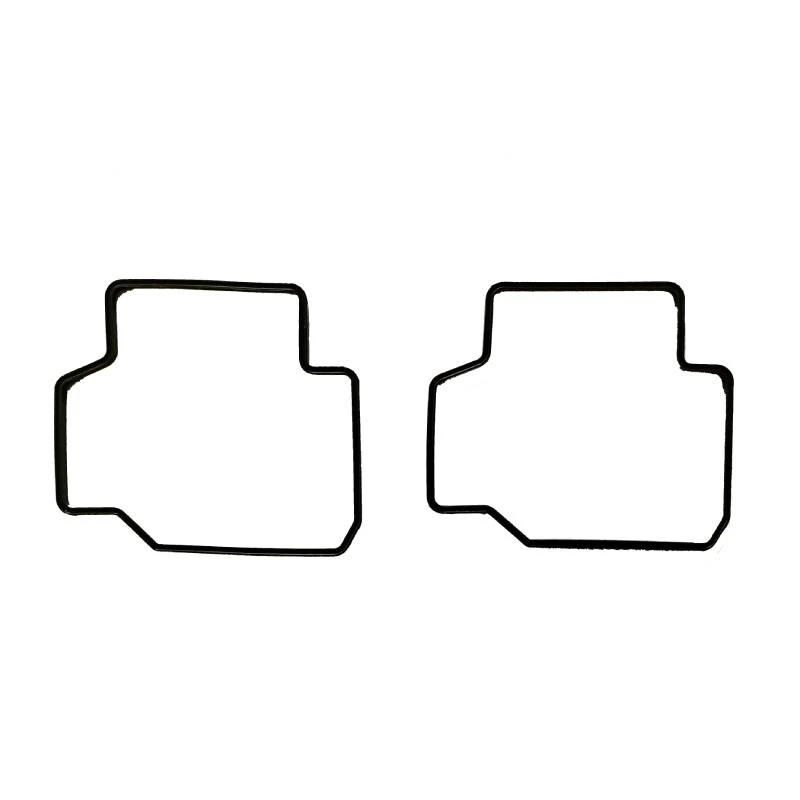
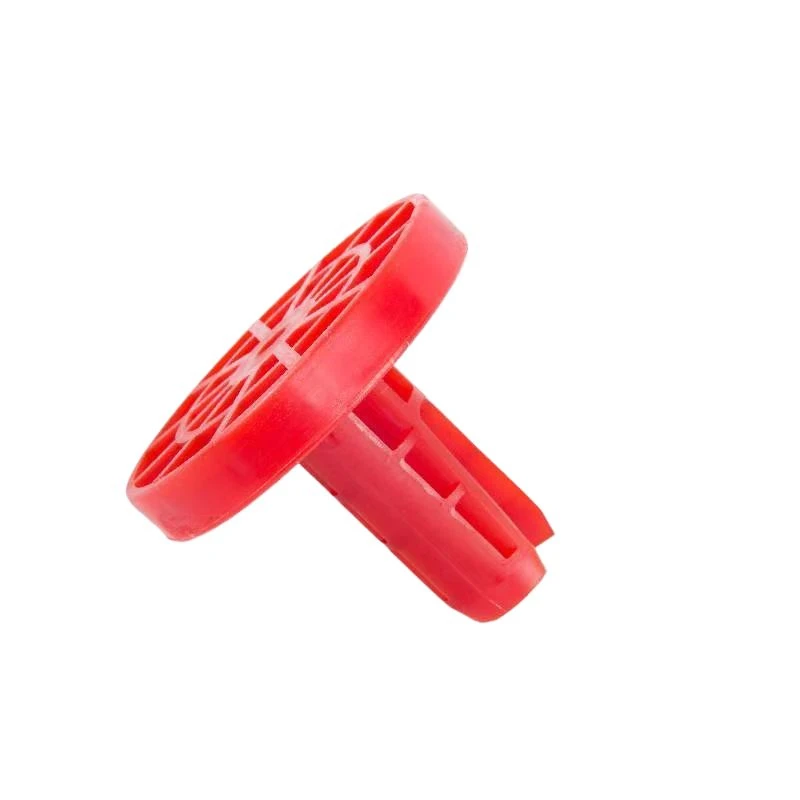
Industrial hdpe fittings Solutions for Argentina's Infrastructure

High-performance polymer and composite components engineered for the demanding climatic and industrial terrains of South America.

Industrial hdpe fittings Solutions for Argentina's Infrastructure

Providing the Argentinian manufacturing sector with precision-engineered metal parts and advanced polymer piping components to ensure systemic durability and leak-proof performance.

Current State of Plastic Fabrication in Argentina

Analyzing the intersection of regional economic volatility and industrial demand.

In Argentina, the plastics and rubber industry faces a unique dichotomy. While the agricultural and mining sectors drive a massive demand for pvc pipe parts, the local economy's volatility often forces a shift toward durable, long-life components that reduce maintenance frequency.

Geographically, the extreme temperature variations from the Andean highlands to the Pampas require materials that can withstand thermal expansion. This has led to a surge in the adoption of rubber parts that offer high elasticity and chemical resistance against aggressive soil conditions.

Currently, the market is transitioning from generic imports to specialized, certified components. There is a critical need for standardized pvc tube fittings that meet international ISO standards to support the modernization of the country's water management and oil transport networks.
Technical Evolution and Development Trajectory

From traditional casting to precision polymer engineering.

Market Development History

During the late 20th century, the Argentinian market relied heavily on basic metallic junctions and low-grade PVC. The focus was primarily on availability rather than longevity, leading to frequent system failures in the agro-industrial sector.

Between 2005 and 2015, a significant shift occurred with the introduction of High-Density Polyethylene (HDPE). The industry moved toward fusion-welded systems, significantly reducing leakage rates in municipal water grids and industrial chemical transport.

From 2016 to the present, the integration of CNC machining for metal parts paired with high-performance elastomers has allowed for the creation of hybrid sealing systems, optimizing the efficiency of hydraulic machinery across the region.

Future Development Trends

Eco-Polymer Integration

The shift toward biodegradable and recycled polymers is expected to accelerate, driven by new environmental regulations in the Southern Cone region.

Smart Sensing Fittings

Integrating IoT sensors within pipe fittings to monitor flow rates and leakages in real-time for the Vaca Muerta shale gas projects.

Advanced Composite Hybridization

Development of reinforced polymer-metal hybrids to handle higher pressures while maintaining the corrosion resistance of plastics.

Industrial Trends and Future Outlook

Strategic foresight for the rubber and plastics sector in the Argentinian market.

Material Circularity
Increasing adoption of closed-loop recycling for industrial plastic components to offset raw material import costs.
Precision Customization
Demand for bespoke dimensions in pvc tube fittings to integrate with legacy European machinery.
Chemical Resilience
Enhanced polymer formulations to resist the corrosive agents used in lithium mining in Northern Argentina.
Automated Assembly
The shift toward robotic integration for the installation of large-scale piping networks.

Industry Outlook

Google Search trends indicate a rising interest in "sustainable industrial polymers" within the Mercosur region. For Argentina, this suggests that manufacturers who adopt low-carbon footprints in the production of hdpe fittings will gain a competitive edge in government tenders.

Furthermore, the expansion of the energy sector in the Neuquén Basin will likely trigger a decade-long demand for high-pressure resistant fittings and seals, shifting the market focus from general-purpose to mission-critical specifications.

Localized Application Scenarios in Argentina

Practical implementations across key Argentinian industrial sectors.

1. Viticulture Irrigation in Mendoza

Deployment of UV-stabilized pvc pipe parts and drip irrigation components to manage water scarcity in the arid Cuyo region, ensuring precise moisture delivery to vineyards.

2. Oil & Gas Extraction in Vaca Muerta

Utilization of high-pressure hdpe fittings for fracking fluid transport, where chemical resistance and weld-integrity are paramount to prevent groundwater contamination.

3. Automotive Assembly in Córdoba

Integration of precision rubber parts for vibration damping and fluid seals in regional vehicle manufacturing plants, reducing noise and operational wear.

4. Lithium Brine Processing in Jujuy

Implementation of corrosion-resistant pvc tube fittings for the transport of highly alkaline brine solutions in the "Lithium Triangle" evaporation ponds.

5. Grain Storage Logistics in Rosario

Use of heavy-duty metal parts and polymer linings for pneumatic grain conveying systems in the world's largest agricultural export hubs.

Brand Story

The Global Development Journey of Gaobeidian City Fengye Rubber Products Co., Ltd.

Foundational Excellence

Established with a focus on fundamental rubber chemistry, we began by solving basic sealing leakages for local machinery.

Material Diversification

Expanded our expertise into HDPE and PVC polymers, allowing us to provide comprehensive fluid-handling solutions.

Global Standardization

Achieved international quality certifications, enabling the export of high-precision components to South American markets.

Technological Innovation

Invested in advanced CNC and injection molding technology to reduce tolerances and enhance part durability.

Sustainable Future

Currently leading the transition toward eco-friendly polymer composites to support a greener global manufacturing chain.

Complete Product Portfolio for the Argentinian Market

A synergistic range of polymer and metallic components tailored for regional industrial demands.

Argentinian Industrial Components FAQ

Addressing common technical and logistical queries from our regional partners.

Which hdpe fittings are best for high-salinity soils in Northern Argentina?

We recommend PE100 grade HDPE fittings with carbon black stabilization, as they provide the highest resistance to saline corrosion and UV degradation.

Can your rubber parts withstand the temperature swings of the Andean region?

Yes, we use EPDM and Nitrile blends specifically formulated for thermal stability between -40°C and +120°C.

Do your pvc pipe parts comply with Argentinian IRAM standards?

Our products are manufactured to ISO and ASTM standards, which are fully compatible and often exceed local IRAM requirements for industrial piping.

What is the lead time for custom metal parts shipped to Buenos Aires?

Depending on complexity, production takes 15-25 days, with sea freight to Buenos Aires typically adding 35-45 days.

How do I choose between pvc tube fittings and HDPE for agricultural use?

Use PVC for rigid, low-pressure installations and HDPE for flexible, high-pressure systems or areas prone to seismic movement.

Are your polymer fittings resistant to the chemical additives used in Argentinian fracking?

Our specialized HDPE and reinforced PVC lines are tested against common fracking polymers and surfactants to ensure zero degradation.

Ready to Optimize Your Industrial Infrastructure?

Contact our technical engineering team for bespoke polymer and metallic solutions delivered across Argentina.

Contact Us Now

If you are interested in our products, you can choose to leave your information here, and we will be in touch with you shortly.