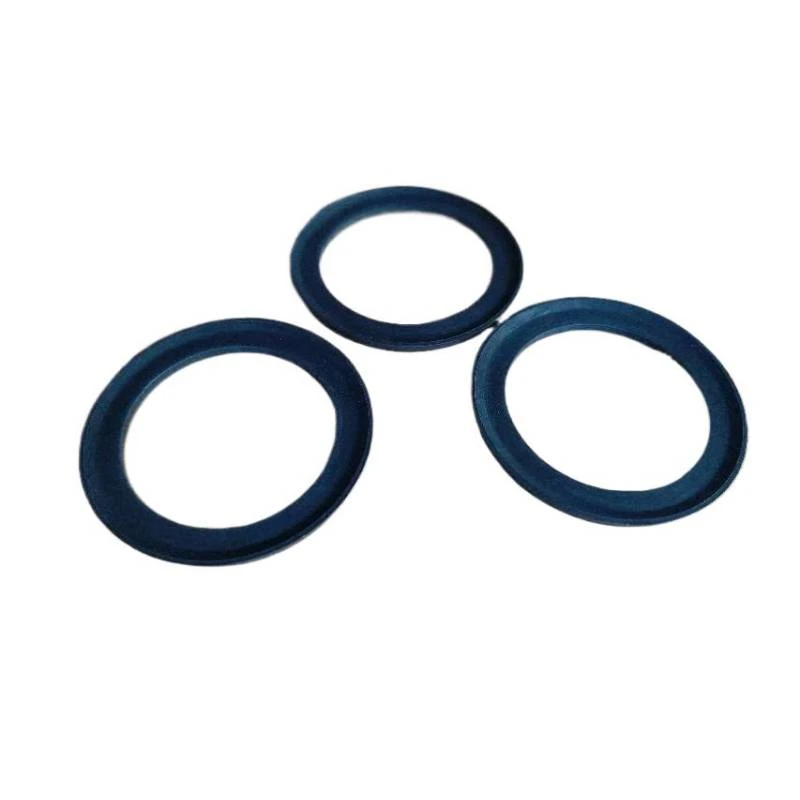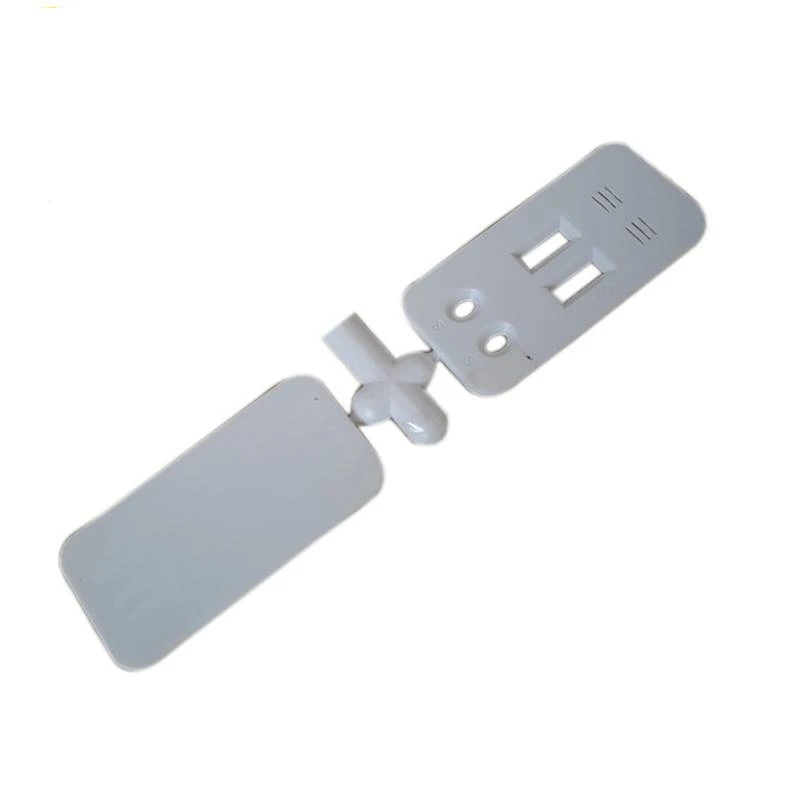
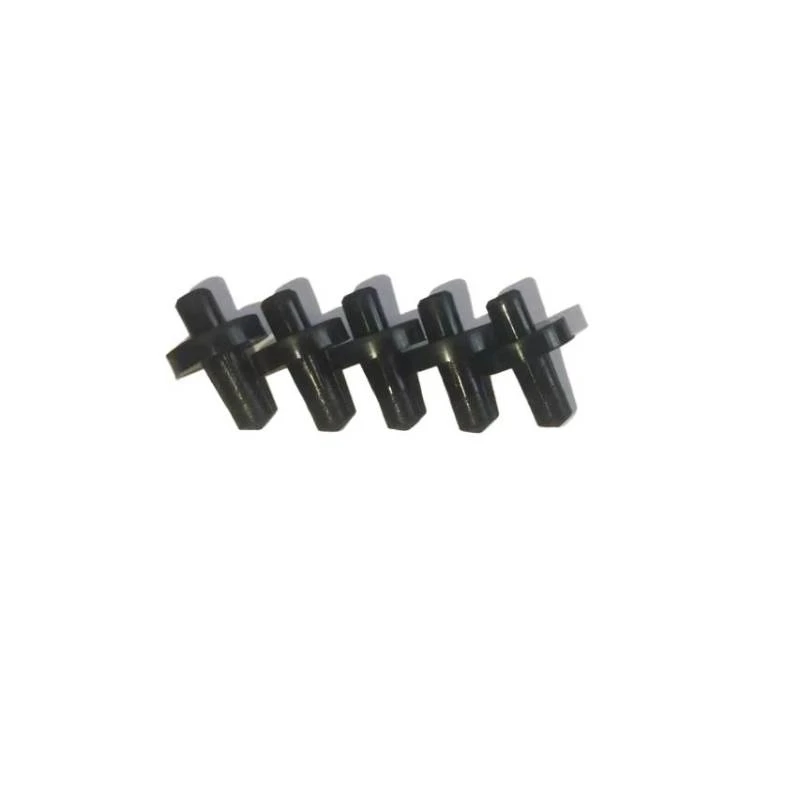
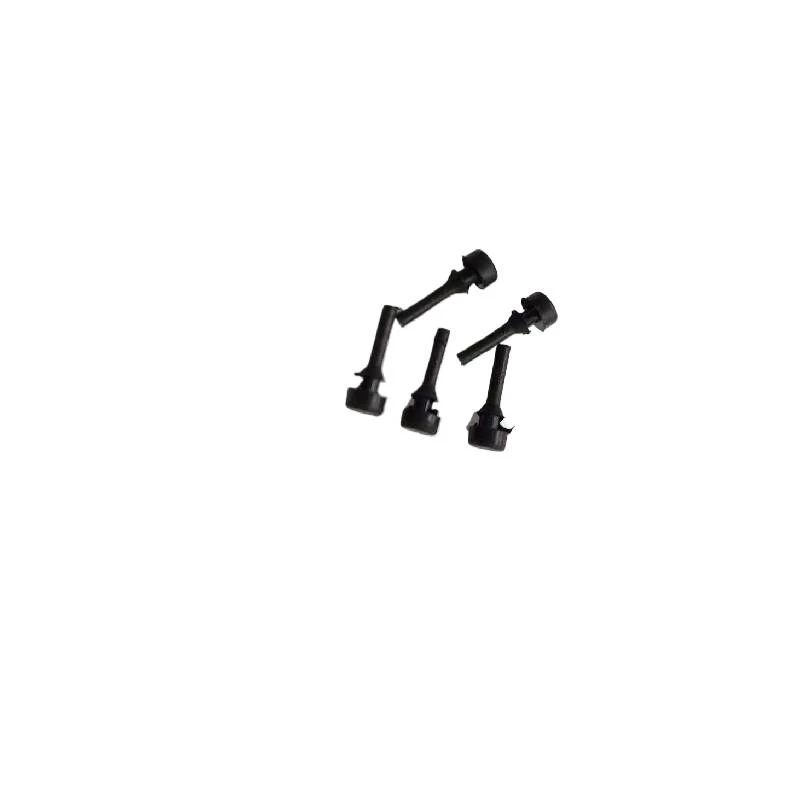
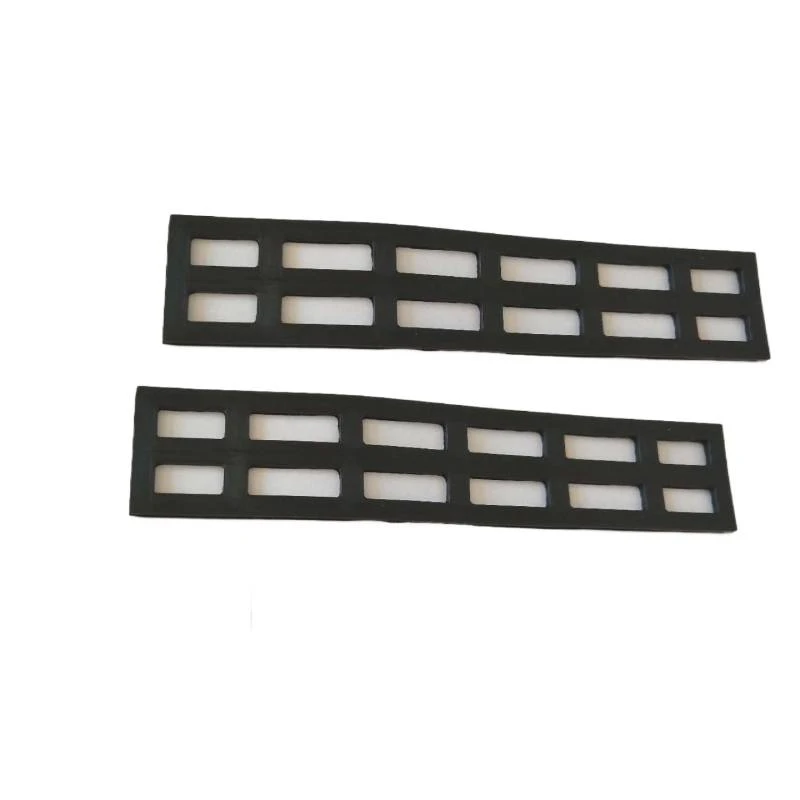
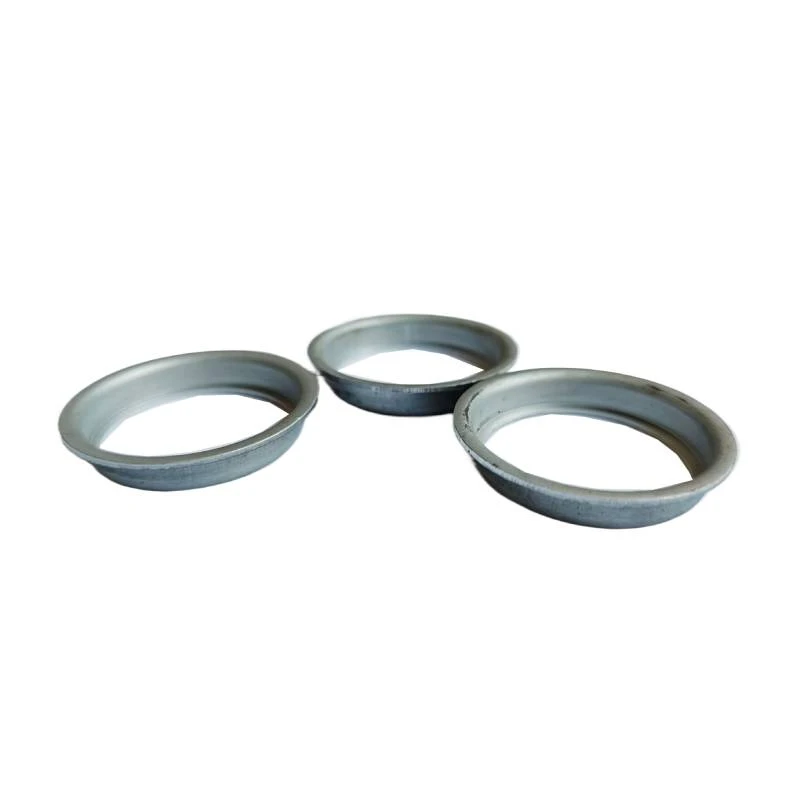
High-Performance hdpe fittings Solutions for Uruguay's Infrastructure

Precision-engineered plastic and rubber components designed to withstand the unique environmental challenges of the Uruguayan industrial landscape.

High-Performance hdpe fittings Solutions for Uruguay's Infrastructure

Providing Uruguay with durable, corrosion-resistant piping and sealing components that optimize fluid transport and industrial stability across agricultural and urban sectors.

Industrial Landscape of Plastic and Rubber Components in Uruguay

Analyzing the intersection of material science and South American environmental demands.

Uruguay's industrial sector is characterized by a strong reliance on agriculture and a growing urban infrastructure. The humid subtropical climate and salt-laden air near the Atlantic coast accelerate the degradation of standard metal parts, driving a massive shift toward high-density polymers and specialized elastomers.

In the agricultural heartlands, the demand for efficient irrigation has led to the widespread adoption of pvc pipe parts. These materials are preferred due to their resistance to soil chemicals and their ability to maintain structural integrity under varying pressure levels typical of the region's undulating terrain.

Furthermore, the logistics and manufacturing hubs in Montevideo require precision rubber parts for vibration dampening and sealing. The market is currently transitioning from generic imports to customized, high-spec components that meet international E-E-A-T standards for safety and durability.
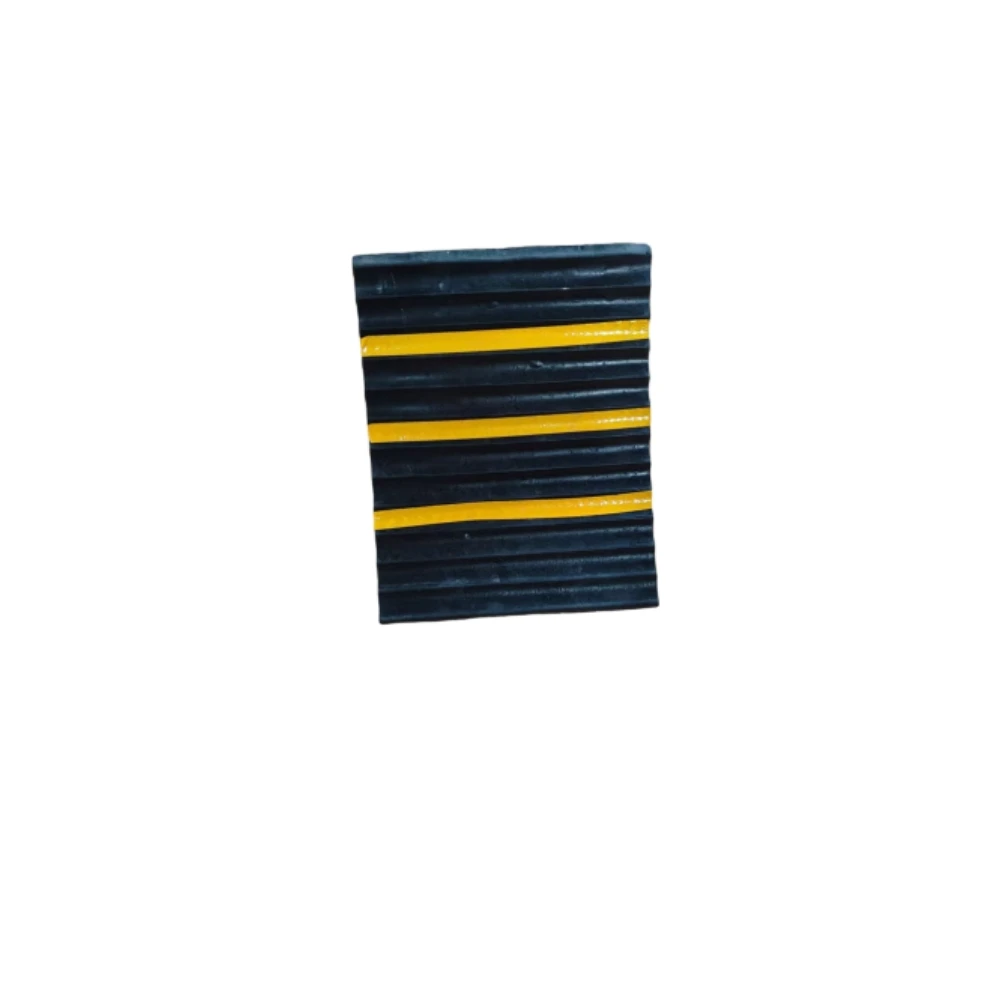
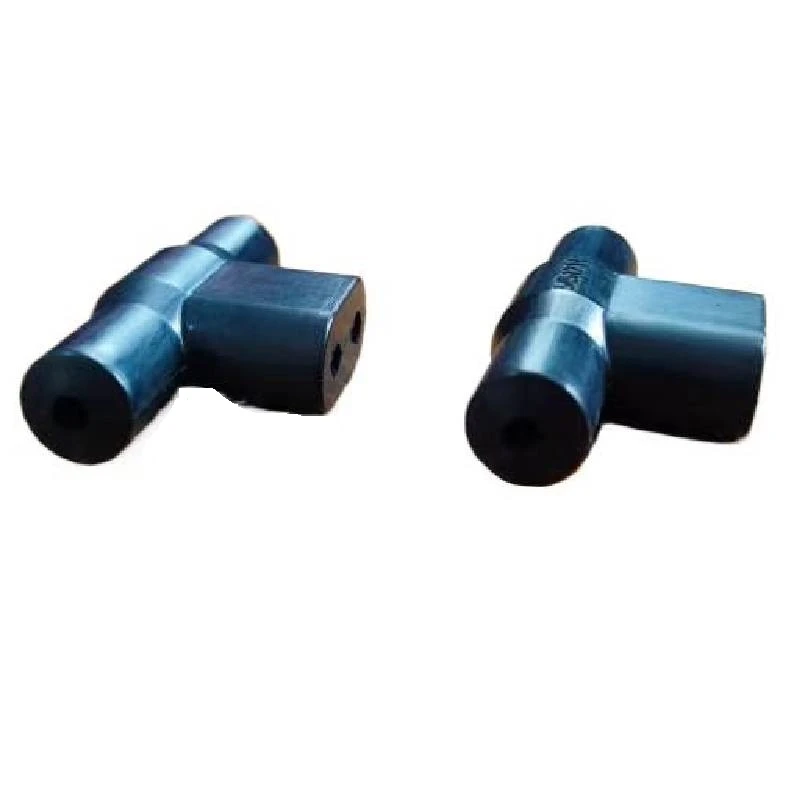
Evolution and Technical Trajectory of Piping Components

From traditional metallurgy to advanced thermoplastic engineering.

Market Development History

Between 1990 and 2005, the Uruguayan market relied heavily on galvanized steel and cast iron. However, the high cost of maintenance due to oxidation led to the first wave of PVC adoption in residential plumbing.

From 2006 to 2015, the industry witnessed a technical iteration toward HDPE. The introduction of heat-fusion welding allowed for leak-proof systems, significantly upgrading the reliability of pvc tube fittings in industrial chemical transport.

Since 2016, the focus has shifted toward "Smart Materials." The integration of UV-stabilized polymers has become standard to combat the high solar radiation levels found in the Southern Cone, extending the lifecycle of outdoor installations.

Future Development Trends

Bio-Polymer Integration

Driven by Uruguay's green energy goals, we expect a transition toward biodegradable and recycled plastic resins without compromising the pressure ratings of industrial fittings.

Additive Manufacturing (3D Printing)

The shift toward on-demand production of complex rubber and plastic geometries will reduce lead times for specialized replacement parts in remote rural areas.

High-Precision Hybridization

Future systems will likely feature hybrid interfaces combining the strength of reinforced metals with the flexibility of advanced elastomers for extreme-pressure environments.

Industry Trends and Future Outlook for Plastic Fabrication

Strategic forecasts based on global search trends and local industrial demands.

Sustainability Pivot
Increasing demand for recyclable HDPE and PVC components to align with Uruguay's environmental regulations.
Precision Automation
Adoption of CNC-machined plastic parts to replace traditional manual molding for higher tolerance levels.
Chemical Resistance
Enhanced fluoropolymer coatings for PVC fittings to handle aggressive fertilizers in the agro-industry.
Modular Design
Standardization of fitting sizes to allow rapid modular assembly in urban water management projects.

Industry Outlook

Looking ahead 3-5 years, Google search trends indicate a surge in queries related to "sustainable piping" and "corrosion-free industrial connectors" in South America. This suggests a decisive shift away from metallic components toward high-grade plastics.

Uruguay is positioned to become a regional hub for precision plastic components, provided that local manufacturers can integrate AI-driven quality control to meet the strict E-E-A-T requirements of international export markets.

Localized Application Scenarios in Uruguay

Real-world deployments of rubber and plastic engineering across the region.

01. Vineyard Irrigation Systems

Deployment of UV-resistant pvc pipe parts across the Canelones wine region to ensure consistent water delivery without degradation from sun exposure.

02. Montevideo Port Infrastructure

Utilization of high-grade rubber parts for heavy-duty fenders and industrial seals that resist the corrosive saltwater environment of the harbor.

03. Dairy Farm Waste Management

Installation of corrosion-proof hdpe fittings for anaerobic digesters, ensuring leak-proof transport of acidic organic waste in the livestock sector.

04. Urban Water Networks

Replacement of aging lead pipes with modern pvc tube fittings in residential areas of Punta del Este to improve water quality and flow efficiency.

05. Industrial Machinery Mounting

Implementation of custom-molded gaskets and vibration isolators using specialized polymers to replace outdated metal parts in manufacturing plants.

Brand Story

Global Development History of Gaobeidian FY Rubber Products Co., Ltd.

Foundation and Focus

Established with a mission to solve the critical failure of industrial seals, FY Rubber began by optimizing the vulcanization process for extreme temperatures.

Technical Expansion

We expanded our expertise into thermoplastic elastomers, bridging the gap between the rigidity of plastics and the flexibility of rubber.

Global Certification

Achieving international quality standards allowed us to enter the South American market, providing certified solutions for critical infrastructure.

Innovation Hub

Investment in R&D led to the creation of ultra-durable HDPE compounds specifically designed for corrosive soil and saltwater environments.

Future Commitment

Our current focus is on "Zero-Leakage" technology, ensuring that every fitting we produce eliminates waste and protects the local ecosystem.

Comprehensive Industrial Component Portfolio for Uruguay

A complete range of sealing and piping solutions tailored for South American industrial standards.

Frequently Asked Questions for the Uruguayan Market

Expert answers to common technical queries regarding plastic and rubber components.

How do HDPE fittings perform in Uruguay's coastal soil?

Our HDPE fittings are chemically inert and resistant to salt-induced corrosion, making them far superior to traditional metal alternatives in coastal regions like Maldonado.

What is the lifespan of PVC pipe parts under high UV exposure?

By utilizing UV-stabilized additives, our PVC components maintain their structural integrity for over 25 years even under the intense South American sun.

Can your rubber parts withstand industrial chemical spills?

Yes, we offer specialized Nitrile and Viton rubber components specifically designed to resist aggressive solvents and industrial acids used in Uruguayan manufacturing.

Are PVC tube fittings compatible with international plumbing standards?

All our fittings are manufactured to meet ISO and ASTM standards, ensuring seamless compatibility with existing infrastructure in Montevideo and beyond.

Why choose plastic over metal parts for agricultural irrigation?

Plastic components offer lower friction loss, zero rust, and significant cost savings in both installation and long-term maintenance compared to metal parts.

What is the lead time for custom molded rubber components?

Depending on complexity, custom prototypes are typically delivered within 14 days, with mass production following strict quality validation cycles.

Ready to Optimize Your Infrastructure?

Our engineering team is ready to provide tailored plastic and rubber solutions for your projects in Uruguay.

Contact Us Now

If you are interested in our products, you can choose to leave your information here, and we will be in touch with you shortly.