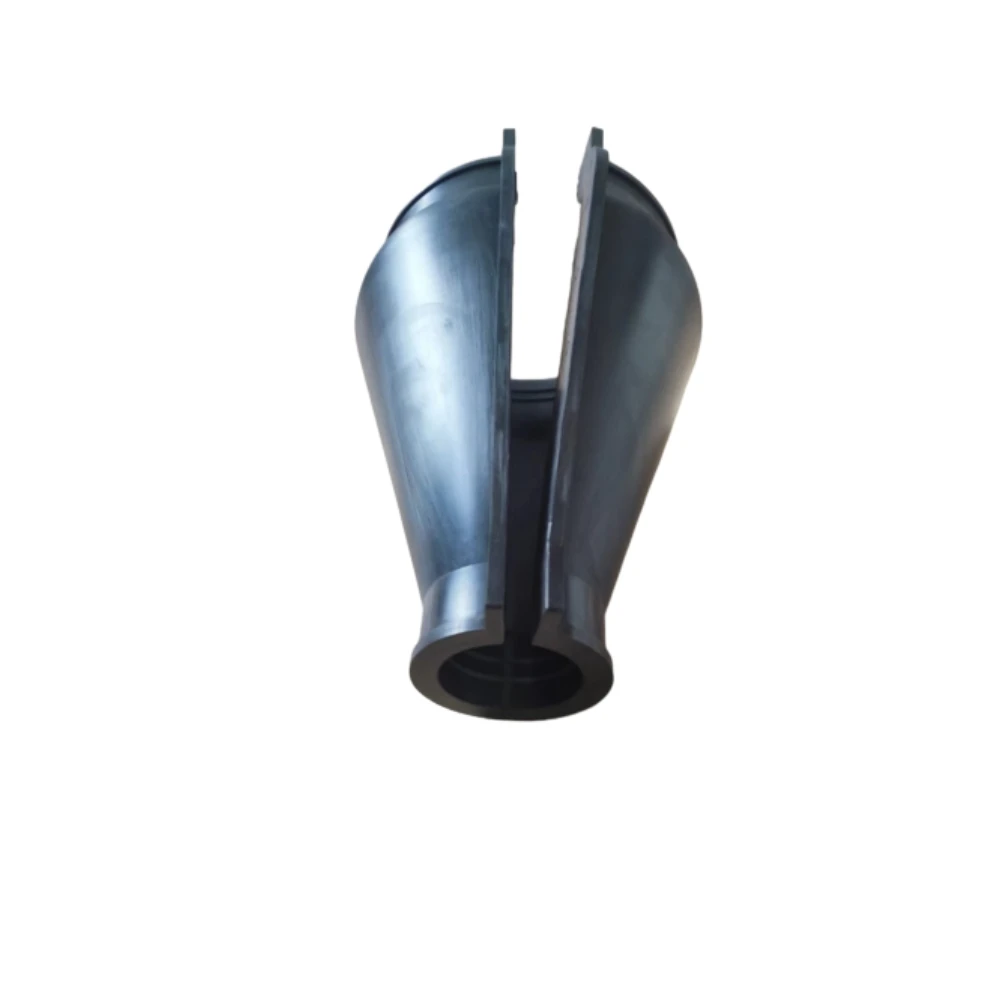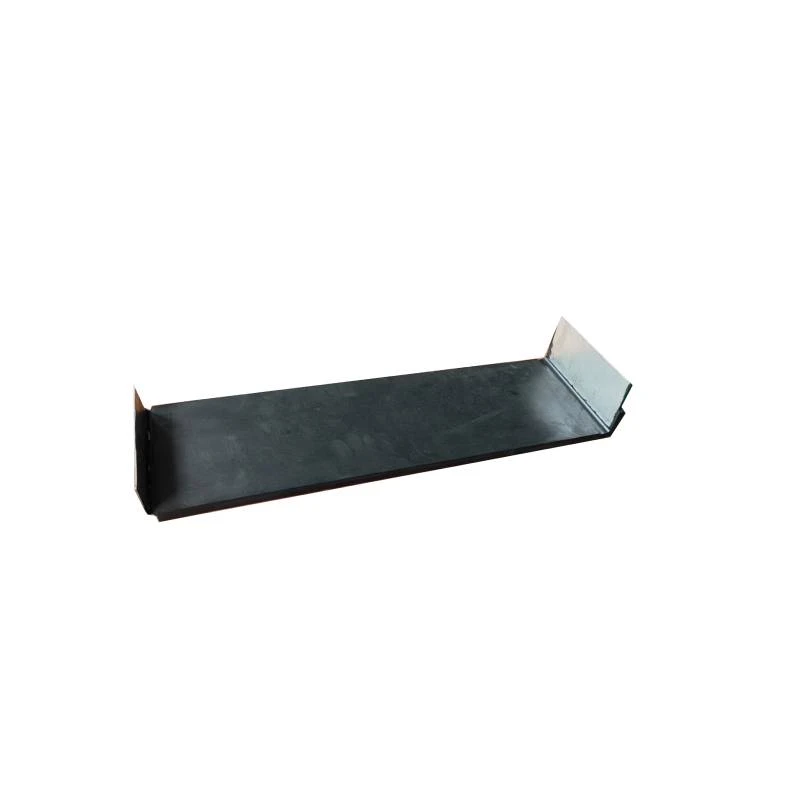
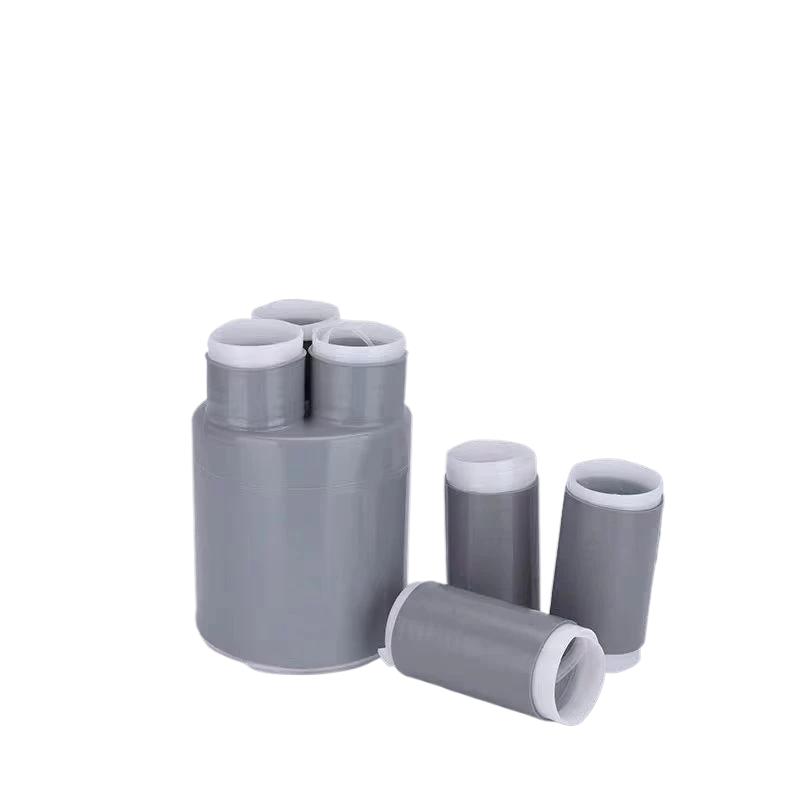
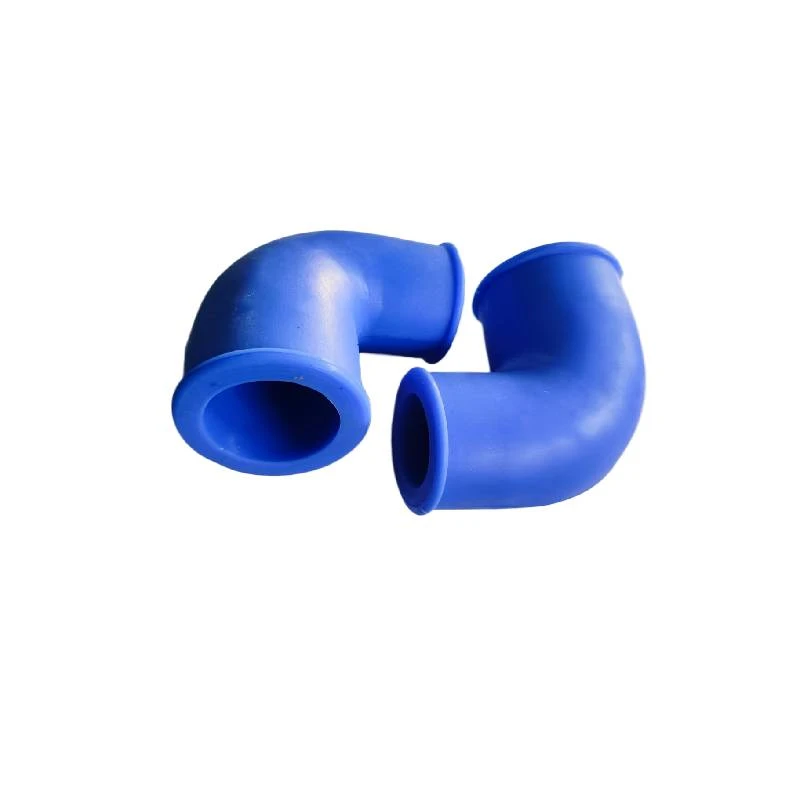
High-Performance hdpe fittings Solutions for Chile's Industrial Infrastructure

Providing precision-engineered polymer and metallic components designed to withstand the extreme geological and climatic demands of the South American market.

High-Performance hdpe fittings Solutions for Chile's Industrial Infrastructure

Our comprehensive range of industrial plastic and rubber components ensures leak-proof performance and structural integrity for Chile's most demanding mining and agricultural sectors.

Industrial Fluid Handling Landscape in Chile

Analyzing the intersection of geographic volatility and material science in the Chilean market.

Chile's unique geography, stretching from the arid Atacama Desert to the glacial south, places immense stress on piping infrastructure. The high salinity of coastal regions and the corrosive nature of mining tailings necessitate the use of high-grade pvc pipe parts that can resist chemical degradation and thermal expansion.

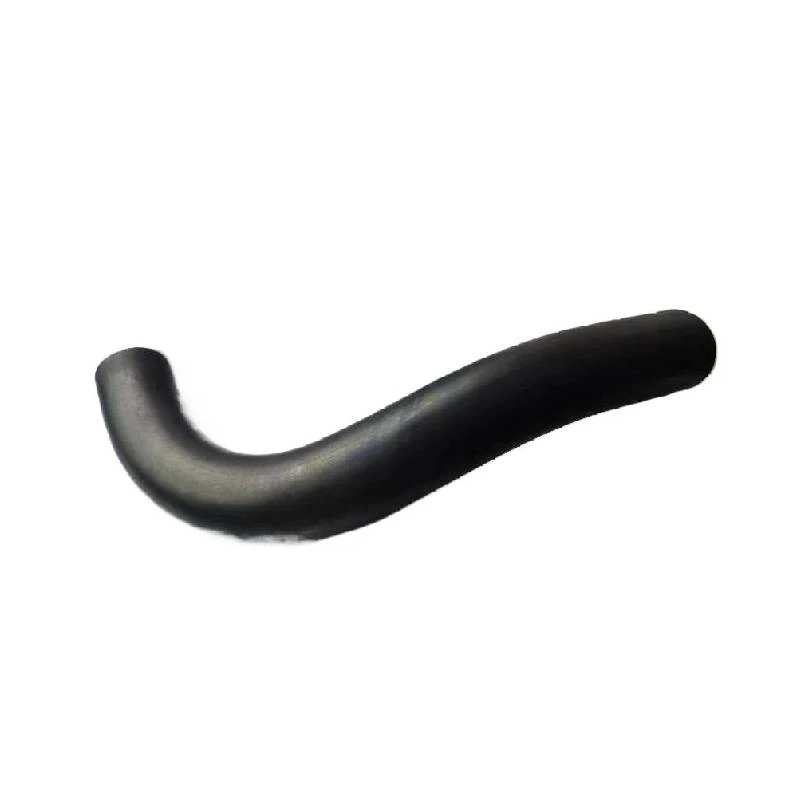
In the central valleys, the agricultural boom has led to a surge in demand for efficient irrigation systems. The transition toward precision farming requires durable pvc tube fittings that ensure zero-leakage transport of water and nutrients across varied terrains, reducing operational waste.

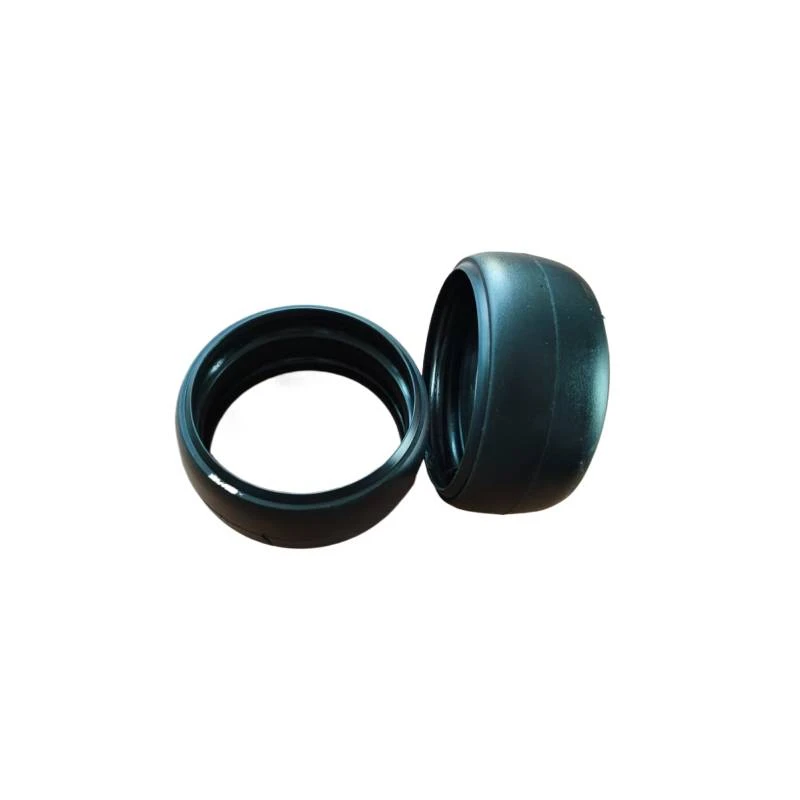
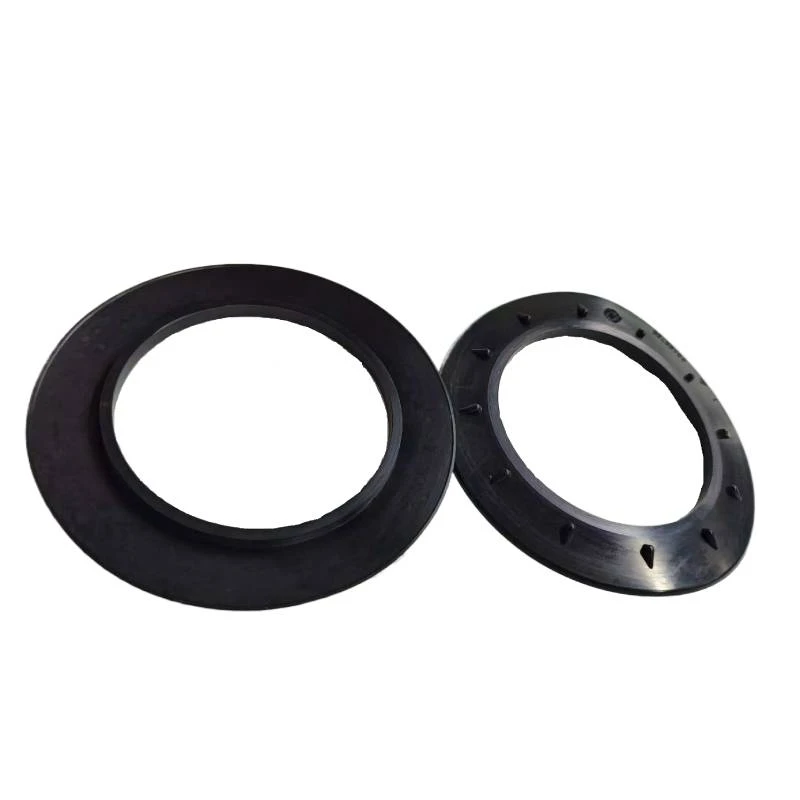
Furthermore, the mining sector—the backbone of the Chilean economy—relies heavily on heavy-duty rubber parts to manage slurry transport and vibration dampening in high-altitude operations, where extreme temperature fluctuations are the norm.
Evolution of Polymer Engineering in Chile

From traditional metallic joints to advanced composite systems.

Market Development History

Between 1980 and 2000, the Chilean industrial sector relied primarily on galvanized metal parts for fluid transport. However, frequent corrosion issues in copper mining sites led to a gradual shift toward thermoplastic alternatives.

From 2000 to 2015, the market witnessed the rapid adoption of HDPE and PVC. This era marked the transition to heat-fusion technology, allowing for seamless joints and significantly reducing the failure rates of underground utility networks.

Since 2015, the focus has shifted toward "Smart Materials." The integration of UV-stabilized polymers and reinforced composites has enabled infrastructure to survive the high-intensity solar radiation of the northern regions.

Future Development Trends

Biodegradable Industrial Polymers

Driven by strict environmental regulations in South America, we expect a shift toward bio-based resins that maintain the strength of traditional plastics but offer lower carbon footprints.

Additive Manufacturing for Custom Parts

The rise of 3D printing for on-site production of complex geometries will reduce downtime in remote mining camps by eliminating long logistics chains.

IoT-Integrated Fitting Systems

Integration of sensor-embedded fittings to monitor pressure drops and leakages in real-time, optimizing maintenance schedules for large-scale HDPE networks.

Strategic Outlook for Plastic & Rubber Components

Navigating the next generation of material science in the Southern Cone.

Corrosion Resistance Optimization
Developing advanced coatings for metal-plastic hybrids to survive the saline coastal air of Valparaíso.
Seismic-Resilient Design
Engineering flexible joints and high-elasticity rubber components to withstand Chile's frequent seismic activity.
Circular Economy Integration
Implementing closed-loop recycling for industrial PVC and HDPE waste in manufacturing hubs.
Thermal Stability Engineering
Advanced polymer blending to ensure stability from -20°C in the Andes to +40°C in the north.

Industry Outlook

Based on Google Search Trends for industrial components in the Latin American region, there is a marked increase in queries regarding "sustainable polymer fittings" and "high-pressure HDPE systems." This indicates a market shift toward long-term durability over initial cost.

We predict that the next 3-5 years will see a consolidation of the supply chain, where Chile-based firms will prioritize suppliers who can provide integrated solutions—combining plastic, rubber, and metal components—to simplify procurement for large-scale infrastructure projects.

Localized Application Scenarios in Chile

Real-world deployments of our high-performance components across Chilean industries.

01. Copper Mining Slurry Transport

Implementation of heavy-duty HDPE systems and specialized rubber liners in the Atacama region to transport abrasive mineral slurries while preventing erosion.

02. Central Valley Viticulture Irrigation

Deployment of precision-engineered PVC pipe parts and tube fittings for drip irrigation systems in vineyards, ensuring optimal water distribution in drought-prone areas.

03. Santiago Urban Water Infrastructure

Replacement of aging metallic pipes with high-pressure HDPE fittings to reduce leakages and improve seismic resilience in the metropolitan area.

04. Coastal Desalination Plants

Use of high-grade PVC components and reinforced rubber seals to resist the extreme corrosive effects of seawater in northern desalination facilities.

05. Andean Forestry Fluid Management

Installation of frost-resistant polymer fittings and flexible rubber joints for logging and forestry equipment operating in high-altitude, low-temperature zones.

Brand Story

Global Development History of Gaobeidian Fengye Rubber Products Co., Ltd.

Foundational Excellence

Established with a focus on precision rubber molding, we began by solving critical sealing failures in local industrial machinery.

Material Diversification

Expanded our expertise from pure rubber to complex polymers, integrating PVC and HDPE technologies into our production lines.

Global Quality Certification

Achieved international ISO certifications, enabling us to meet the rigorous technical standards required by the South American mining sector.

Strategic Market Expansion

Developed specialized logistics and support networks to serve Chile and other Latin American markets with customized industrial components.

Future-Ready Innovation

Currently investing in smart-material R&D to provide the next generation of sustainable and sensor-integrated industrial fittings.

Chile Industrial Components FAQ

Expert answers to common technical queries regarding fluid handling in South America.

How do HDPE fittings perform in high-altitude Andean environments?

Our HDPE components are engineered with specific density grades that maintain flexibility and impact resistance even at sub-zero temperatures common in the Andes, preventing brittle fractures.

What are the advantages of using PVC pipe parts in coastal Chile?

Unlike traditional metal, PVC is naturally immune to saltwater corrosion and chloride-induced stress, making it ideal for coastal desalination plants and urban drainage in Valparaíso.

Can your rubber parts withstand the abrasive nature of copper mining slurry?

Yes, we use high-abrasion-resistant elastomers specifically designed for slurry transport, significantly extending the wear life of pipes and joints in mining operations.

Are your PVC tube fittings compatible with standard Chilean irrigation specs?

Absolutely. Our components are manufactured to international standards that align perfectly with the agricultural infrastructure specifications used across Chile's central valleys.

What is the expected lifespan of metal parts used in hybrid polymer systems?

By utilizing advanced galvanization and anti-corrosive coatings, our metal components integrated into polymer systems are designed to last 15-20 years even in humid industrial environments.

Do you provide customized HDPE fittings for seismic-prone zones?

Yes, we offer specialized flexible fitting configurations that allow for controlled movement during seismic events, protecting the overall integrity of the pipeline network.

Ready to Optimize Your Infrastructure?

Get expert technical consultation for your industrial piping and sealing needs in Chile.

Contact Us Now

If you are interested in our products, you can choose to leave your information here, and we will be in touch with you shortly.