

Top Custom Seals from Professional hose pipe fittings manufacturers
Ensuring a leak-proof connection in high-pressure fluid systems requires more than just a standard fitting; it demands a precise interface between the hose and the connector. Custom rubber rings and sealing components serve as the critical barrier that prevents system failure in demanding environments. Whether managing hydraulic fluids in agricultural machinery or maintaining gas-tight integrity in automotive engines, the material composition and elasticity of the seal determine the overall operational safety and longevity of the equipment.
For procurement managers and engineers, selecting components from experienced hose pipe fittings manufacturers involves balancing chemical resistance, thermal stability, and mechanical durability. By focusing on customized sealing solutions, industries can reduce maintenance downtime and prevent costly leaks. This guide examines the technical attributes of high-performance rubber seals and how tailored specifications meet the rigorous demands of modern industrial piping and automotive systems.

Engineering High-Elasticity Seals for Dynamic Pressure Environments
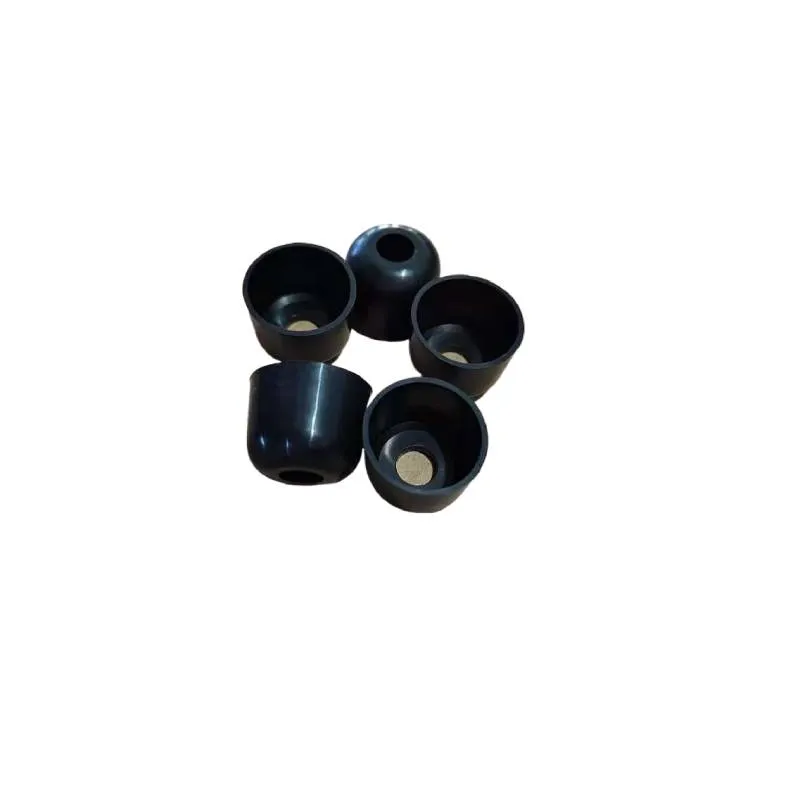
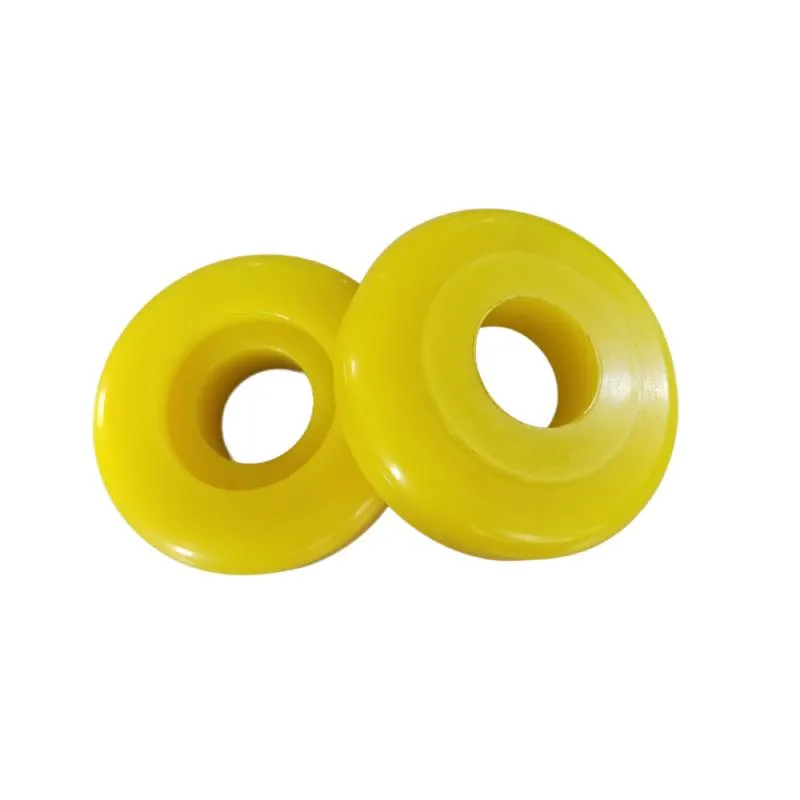
The efficacy of a sealing ring is primarily defined by its ability to maintain a constant contact force against the sealing surface, even under fluctuating pressures. High-performance custom rubber rings are engineered with specific polymer blends that provide exceptional elasticity. This property allows the seal to compress and expand without permanent deformation, which is essential for components subject to constant vibration or thermal cycling.
In dynamic environments, such as automotive engine bays or industrial hydraulic pumps, the seal must adapt to rapid changes in temperature and pressure. If a material is too rigid, it may crack or leak during cold starts; if it is too soft, it may be extruded from the joint under high load. By optimizing the rubber formulation, manufacturers ensure that the rings stretch over accessories and components seamlessly, reducing installation errors and eliminating the risk of tearing during assembly.
- Compression Set Resistance: Ensures the seal returns to its original shape after long-term loading.
- Dynamic Adaptability: Maintains integrity during mechanical movement and vibration.
- Installation Efficiency: High elasticity reduces the need for specialized lubricants or tools during fitting.

Advanced Sealing Performance Against Chemical and Thermal Stress
Industrial sealing is rarely a simple task because the materials must often withstand aggressive chemical agents, including synthetic oils, fuels, and corrosive cleaning solvents. Strong sealing performance is achieved through the selection of specialized elastomers that create a molecular barrier against permeability. This is particularly critical in vacuum environments or high-pressure hydraulic systems where even a microscopic leak can lead to total system failure.
Beyond chemical resistance, thermal endurance is a primary concern. Seals used in aviation or industrial energy sectors must operate in extreme temperature ranges without losing their structural integrity. Wear-resistant formulas are integrated into the rubber compound to prevent erosion caused by the flow of abrasive fluids. This durability ensures that the sealing solution is built to last, significantly extending the service interval of the connected hose assemblies and reducing long-term operational costs.
Application-Specific Integration Across Diverse Industrial Sectors
The versatility of custom rubber rings allows them to be deployed across a wide spectrum of industries, each with its own set of stringent requirements. In the automotive sector, these seals are indispensable for gas-tight engine components and fluid transfer lines. In agricultural machinery, they must resist UV exposure and organic fertilizers while maintaining a tight seal under heavy mechanical stress. The application logic shifts based on the medium being transported—whether it is food-grade liquids, medical fluids, or industrial lubricants.
For household appliances and electronic devices, the focus shifts toward precision and long-term stability in lower-pressure environments. In these cases, the seal prevents moisture ingress and protects sensitive internal electronics. By tailoring the dimensions and material properties to the specific use case, companies can ensure that the product performs optimally, whether it is serving as a mechanical seal in a factory or a precision gasket in a medical device.
Technical Selection Criteria for Rubber Sealing Components
| Industry Application | Primary Material Requirement | Pressure Level | Environmental Stress |
|---|---|---|---|
| Automotive Engine | Oil & Heat Resistance | High | Thermal Cycling |
| Medical Equipment | Biocompatibility/Sterile | Medium | Chemical Disinfectants |
| Agricultural Machinery | Weather/UV Resistance | High | Abrasive Particles |
| Industrial Energy | High Temperature Stability | Very High | Extreme Pressure |
| Household Appliances | Durability & Flexibility | Low to Medium | Moisture/Humidity |
Customization Strategies for Optimized Sealing Interfaces
Standard off-the-shelf seals often fail to provide a perfect fit in specialized machinery, leading to premature wear or leakage. Customization is the process of aligning the material specification and geometric dimensions with the exact requirements of the application. This involves analyzing the groove design, the surface roughness of the mating parts, and the specific chemical profile of the fluid being sealed. A tailored solution ensures that the rubber ring achieves the ideal compression ratio for a leak-proof joint.
The customization workflow typically begins with detailed performance standards provided by the client. From there, experts develop specific rubber formulations—adjusting the hardness (Shore A) and tensile strength—to match the operational environment. This level of precision is what distinguishes a generic component from an engineered sealing solution. By focusing on the intersection of material science and mechanical design, manufacturers can solve the most challenging sealing issues in aerospace and railway bridge infrastructure.
Procurement Framework for High-Reliability Rubber Components
When sourcing from professional manufacturers, procurement managers should evaluate the supplier's quality management systems. Certifications such as IATF 16949 and ISO 9001 are critical indicators of a company's ability to maintain consistency across large production batches. A reliable partner provides not only the physical product but also the testing data to prove that the seals meet the required specifications for pressure, temperature, and chemical compatibility.
Furthermore, the ability to provide integrated R&D support is a significant value-add. Suppliers who can assist in the design phase—suggesting material alternatives or optimizing dimensions—reduce the risk of prototype failure. Buyers should prioritize partners who implement strict quality control from raw material intake to final delivery, ensuring that every ring produced is free from defects and ready for immediate deployment in critical systems.
Technical FAQ Regarding Custom Rubber Sealing Solutions
How does the elasticity of a rubber ring affect its sealing performance?
Elasticity allows the seal to conform perfectly to the irregularities of the mating surfaces and maintain a constant sealing force during pressure fluctuations. High elasticity ensures the ring can be installed without tearing and remains effective even when the system undergoes vibration or thermal expansion.
What factors determine the choice of rubber material for a specific application?
The choice is driven by the chemical nature of the fluid (oil, gas, water, or chemicals), the operating temperature range, the required pressure levels, and exposure to environmental factors like UV rays or ozone. For instance, automotive seals require high oil resistance, while medical seals prioritize biocompatibility.
Can custom rubber rings replace standard O-rings in high-pressure systems?
Yes, custom rings are often preferred in high-pressure systems because they can be designed with specific hardness and geometries to prevent extrusion—a common failure where the seal is pushed into the gap between mating parts under extreme pressure.
How is the durability of industrial rubber seals typically verified?
Durability is verified through a series of tests, including compression set tests, accelerated aging tests at high temperatures, and chemical immersion tests. These ensure the material does not degrade or lose its elasticity over the intended service life of the equipment.
What are the advantages of sourcing from specialized rubber and plastic manufacturers?
Specialized manufacturers offer integrated R&D, custom formulation capabilities, and strict quality certifications like IATF 16949. This ensures that the products are engineered for specific technical challenges rather than being general-purpose components, leading to higher system reliability.
What is the most common mistake when specifying rubber seals for a new project?
The most common mistake is ignoring the interaction between the seal material and all chemicals in the system. A seal might be compatible with the primary fluid but fail when exposed to a secondary cleaning agent or lubricant, leading to swelling or embrittlement.
Technical References & Industry Standards
- ISO Standards for Rubber Seals and Elastomers
- ASTM International Material Testing Standards
- IATF 16949 Quality Management Guidelines
- Rubber Division Technical Resources
Selecting the right sealing solution is a critical engineering decision that impacts the safety and efficiency of any fluid-handling system. By partnering with a manufacturer that combines material expertise with precision production, you can ensure your components withstand the harshest environments. Contact our engineering team today to develop a custom sealing specification tailored to your operational needs.
Related Engineering Solutions